
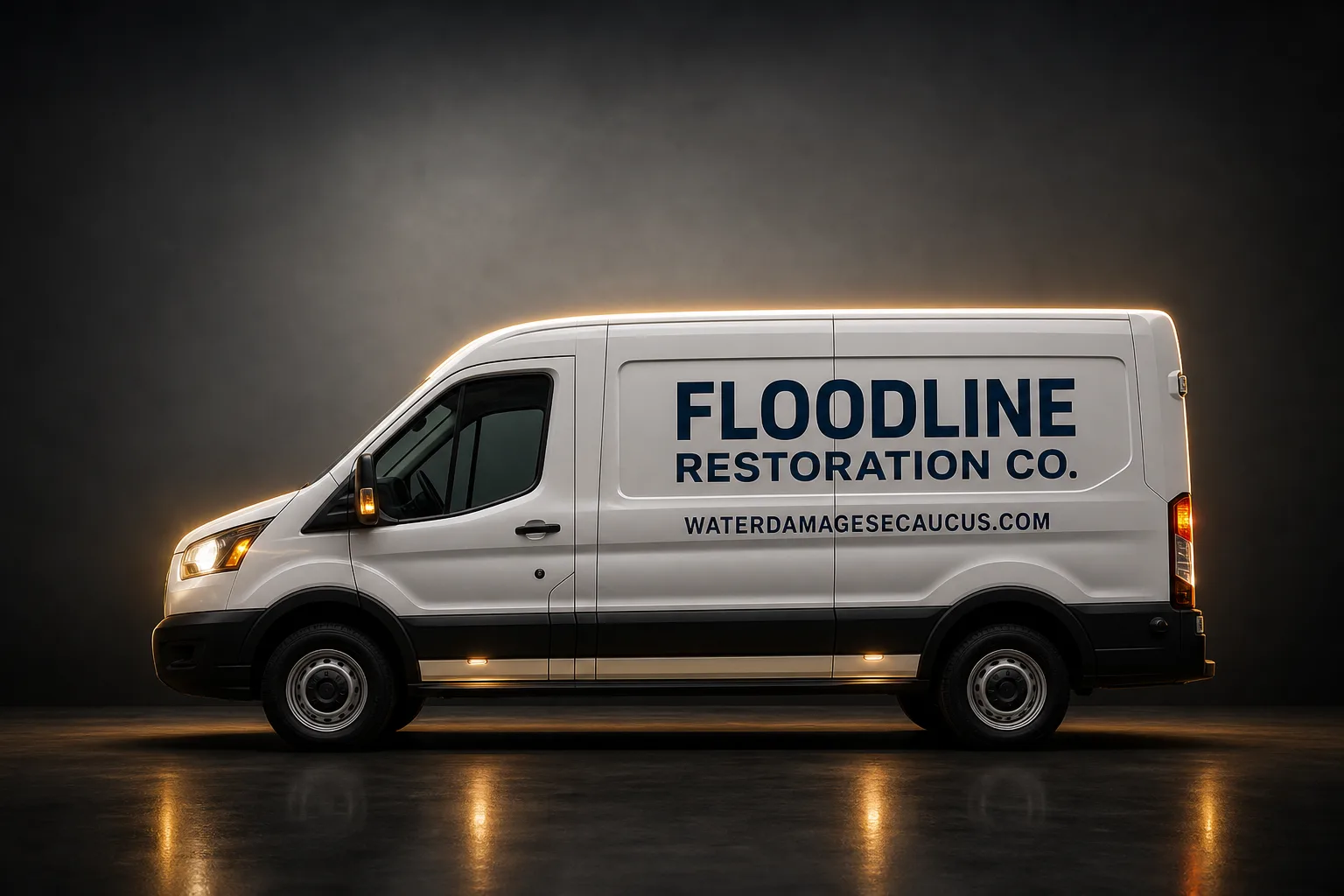
Free visual inspection and a written scope of work before any mitigation begins - photos, moisture readings, and drying logs go in your claim file
The scope we write is the scope we bill. Anything new gets shown to you, in writing, before we touch it.
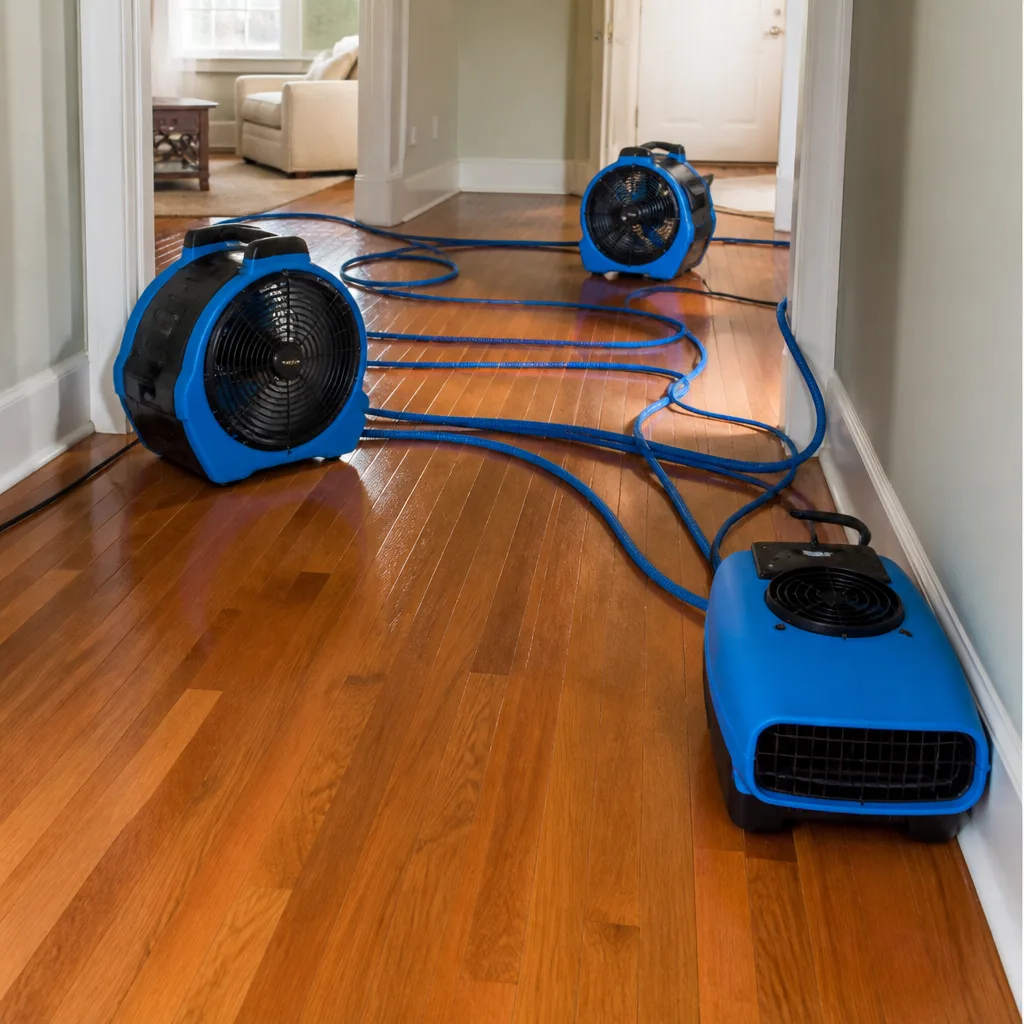
 Before
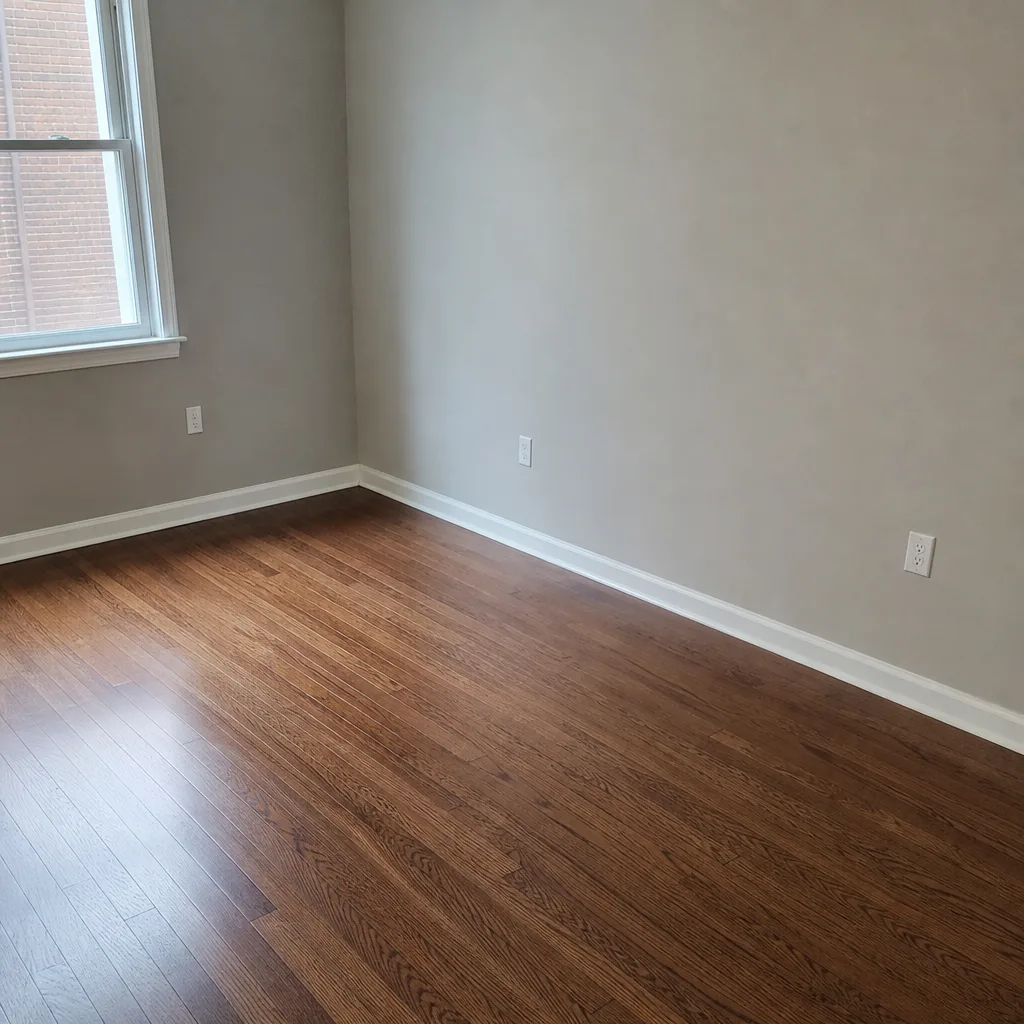 After
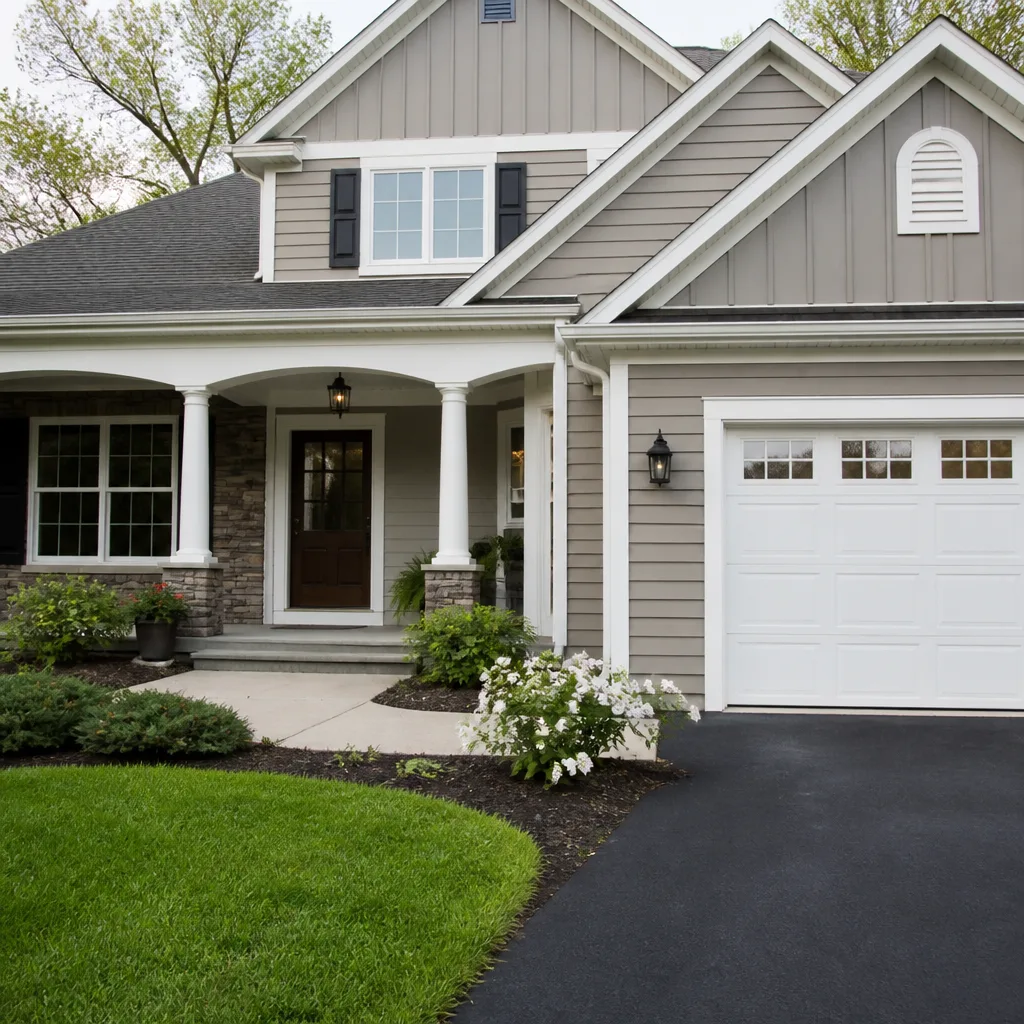
After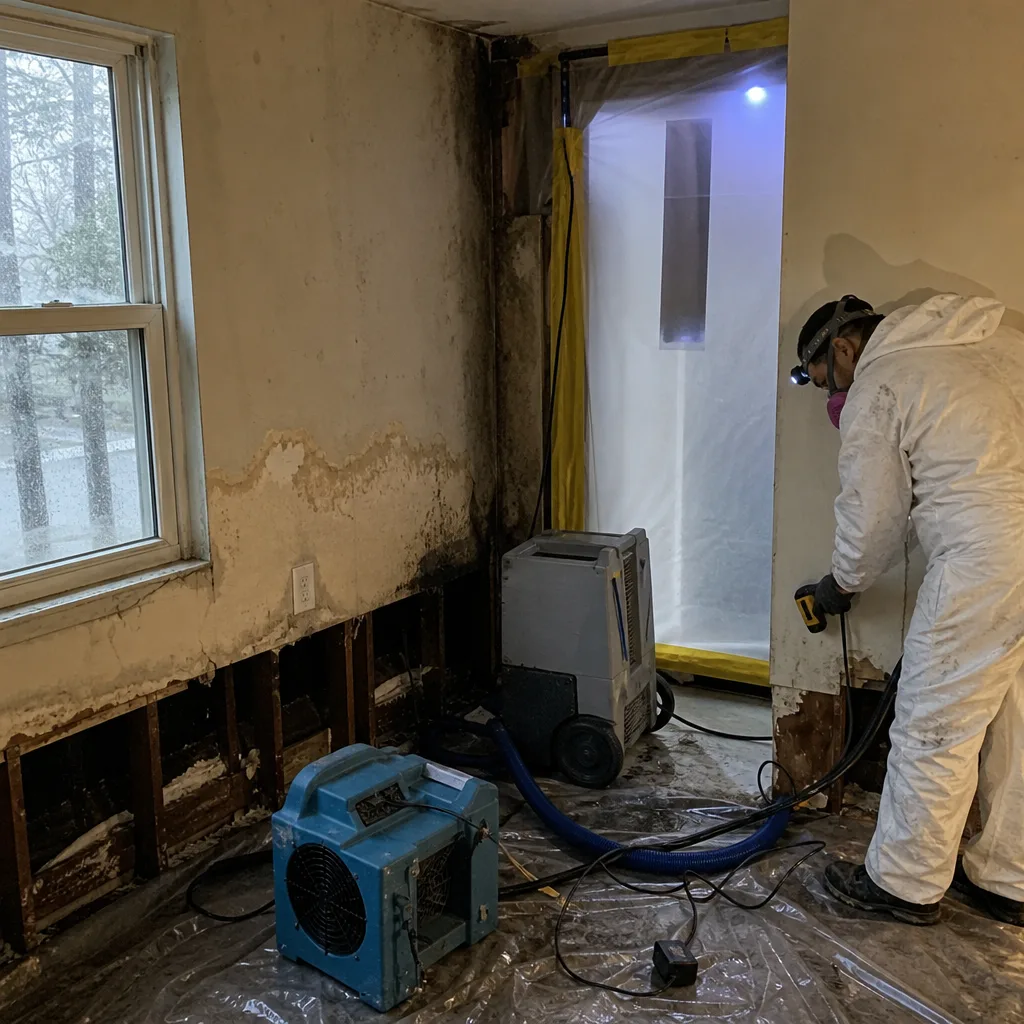 Before
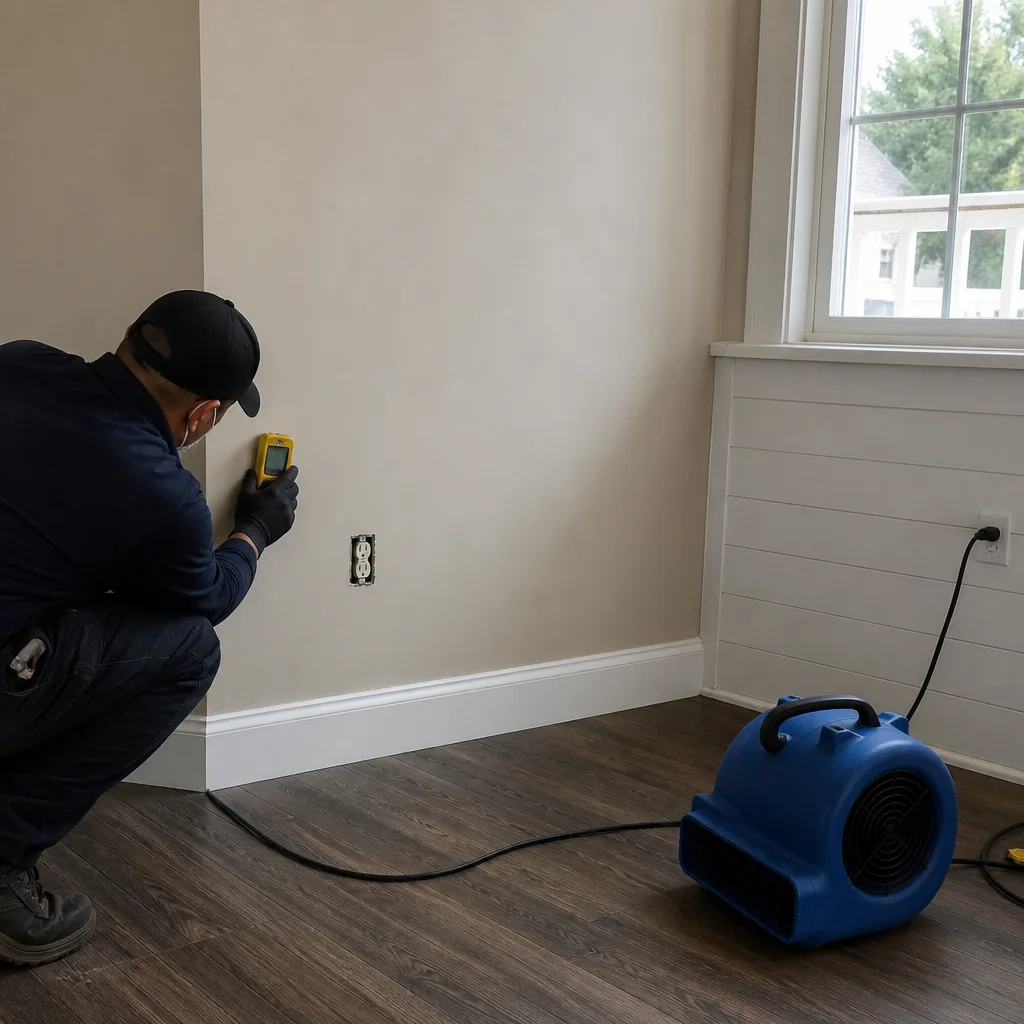 After
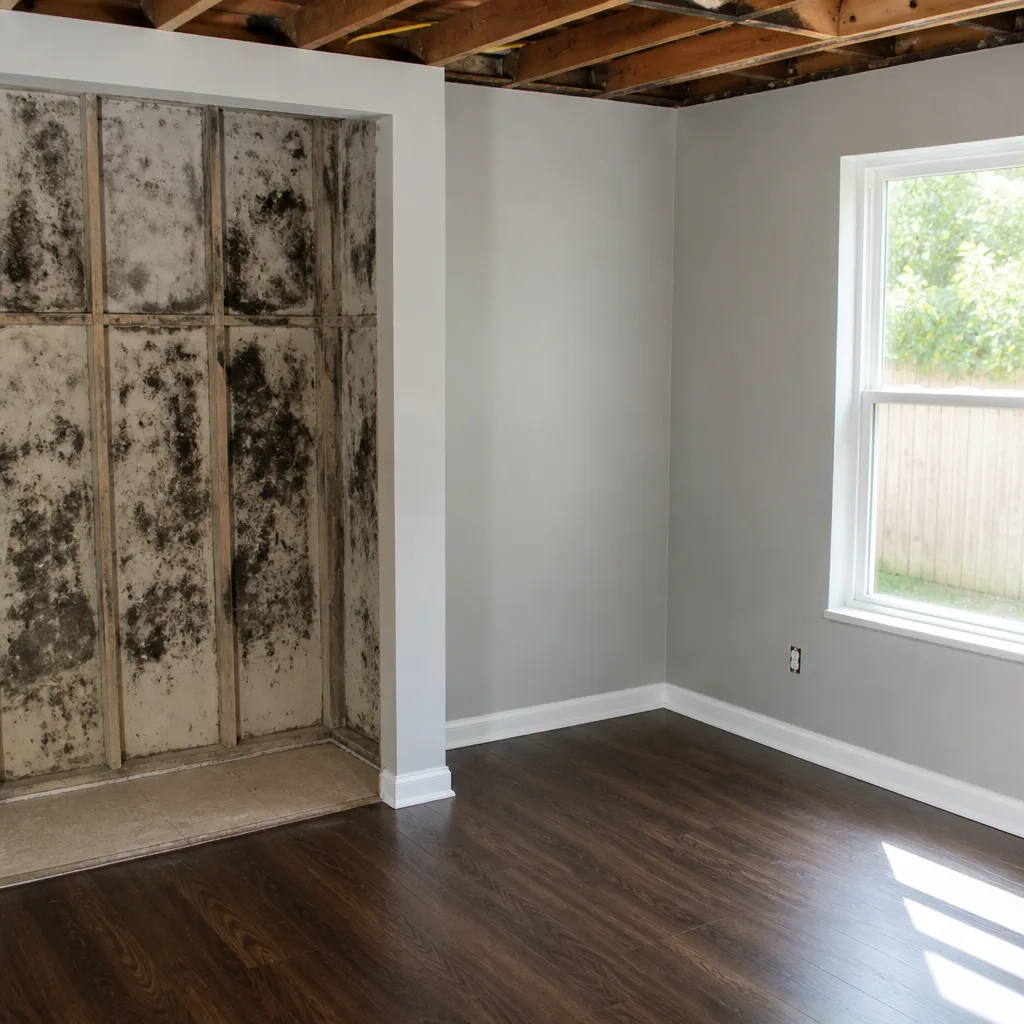
After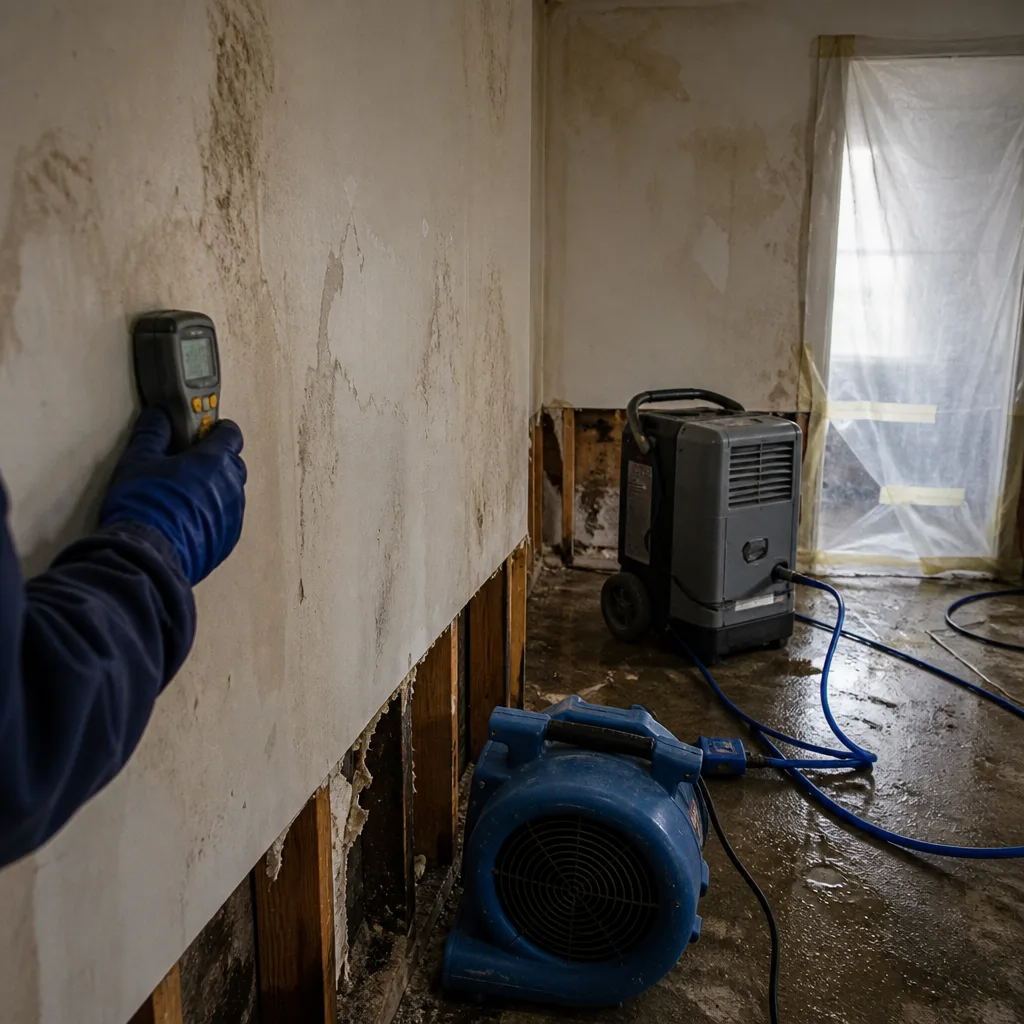 Before
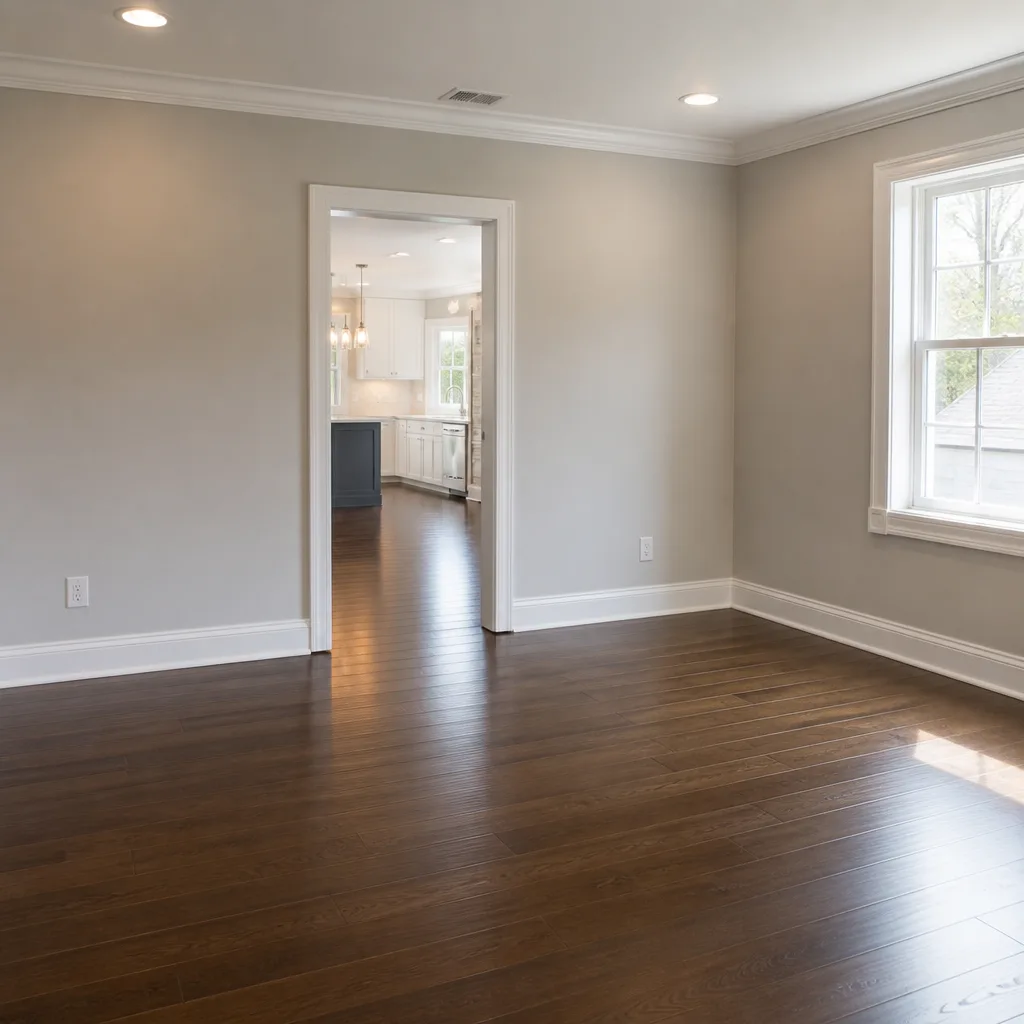 After
After24/7 Emergency Biohazard & Crime Scene Cleanup in West New York
Biohazard and crime scene cleanup in West New York is not a job you can schedule for next week. When a trauma, unattended death, or infectious contamination occurs inside one of this town’s dense multi-story buildings, the biological material begins traveling and breaking down within hours. Blood soaks into subflooring. Fluids follow the vertical plumbing chases down to the units below. Odors permeate shared hallways and ventilation risers. Floodline Restoration Co. answers live at (201) 762-0667 around the clock, every day of the year, and we dispatch trained crews to West New York addresses immediately because containment in hour one is always less costly than remediation in week two. Our technicians arrive in marked vehicles, set up negative air and physical barriers before touching anything, and document every inch of the scene with photographs that go straight to your insurer. A free visual inspection tells you exactly what you’re facing, what it will take to restore the unit to a safe condition, and what your coverage should include.
Understanding Biohazard & Crime Scene Cleanup Severity in West New York Properties
The severity of a biohazard event depends less on what happened and more on where it happened. In West New York, most of the inland housing stock is 4-to-6-story brick construction from the 1920s through the 1950s, and those buildings share one defining structural trait: vertical plumbing chases and common wall cavities that connect units floor to floor. Blood, bodily fluid, and Category 3 water from an unattended death or trauma scene do not stay in the unit where they originated. They follow the path of least resistance down cast-iron drain stacks, through floor joist cavities, and along the backside of lath and plaster walls. That means a “small” event in a top-floor unit on 60th Street can require containment across three separate tenant spaces before the odor even becomes apparent on the first floor. Our Biohazard & Crime Scene Cleanup technicians use thermal imaging to trace fluid migration, moisture meters to map saturation, and HEPA-filtered negative air machines to pull contaminants out of occupied areas while the work proceeds. West New York’s density traps heat and humidity between brick walls, which accelerates bacterial growth and forces us to complete antimicrobial treatment within a 24-48 hour window on any porous surface. After that, the material typically has to be removed entirely rather than sanitized.
Why West New York Property Owners Choose Floodline Restoration Co.
- Answers live at 2 a.m., not a voicemail. A dispatcher picks up at (201) 762-0667 any hour, every day, and a crew is routed to your West New York address immediately.
- 45-minute response commitment for West New York addresses. We know the routes from the waterfront high-rises to the inland blocks off Bergenline Avenue, and we do not make you wait through a plumbing backlog or a storm surge of unrelated calls.
- Technicians certified to IICRC, RIA, and IFA standards. Bloodborne pathogen protocols, respiratory protection, and containment procedures are trained and re-trained, not improvised.
- Free visual inspection with a written scope before any work starts. You will know the line items and the price. There is no open-ended authorization for biohazard work.
- Direct insurance billing. We photograph everything, file line-item estimates, and communicate with your adjuster so you are not left translating technical language on a claim that is already hard enough.
- One crew from containment to finished repair. After the biohazard removal and sanitization, the same team handles drywall replacement, paint, flooring, and any structural repairs. No handoff to a sub you did not choose.
Our Biohazard & Crime Scene Cleanup Process
Inspection & Assessment
We walk the unit and any adjacent spaces that share walls, floors, or plumbing chases. Thermal imaging and moisture readings map how far fluids have traveled. You get a written scope and a clear answer about what must be cleaned, what must be removed, and what can be saved.
Containment & Stabilization
Physical barriers go up before anything is disturbed. Negative air pressure with HEPA filtration keeps airborne pathogens from reaching hallways, stairwells, or neighboring units. In a West New York building with shared ventilation shafts, Sanitization Services - West New York makes this step non-negotiable.
Extraction & Removal
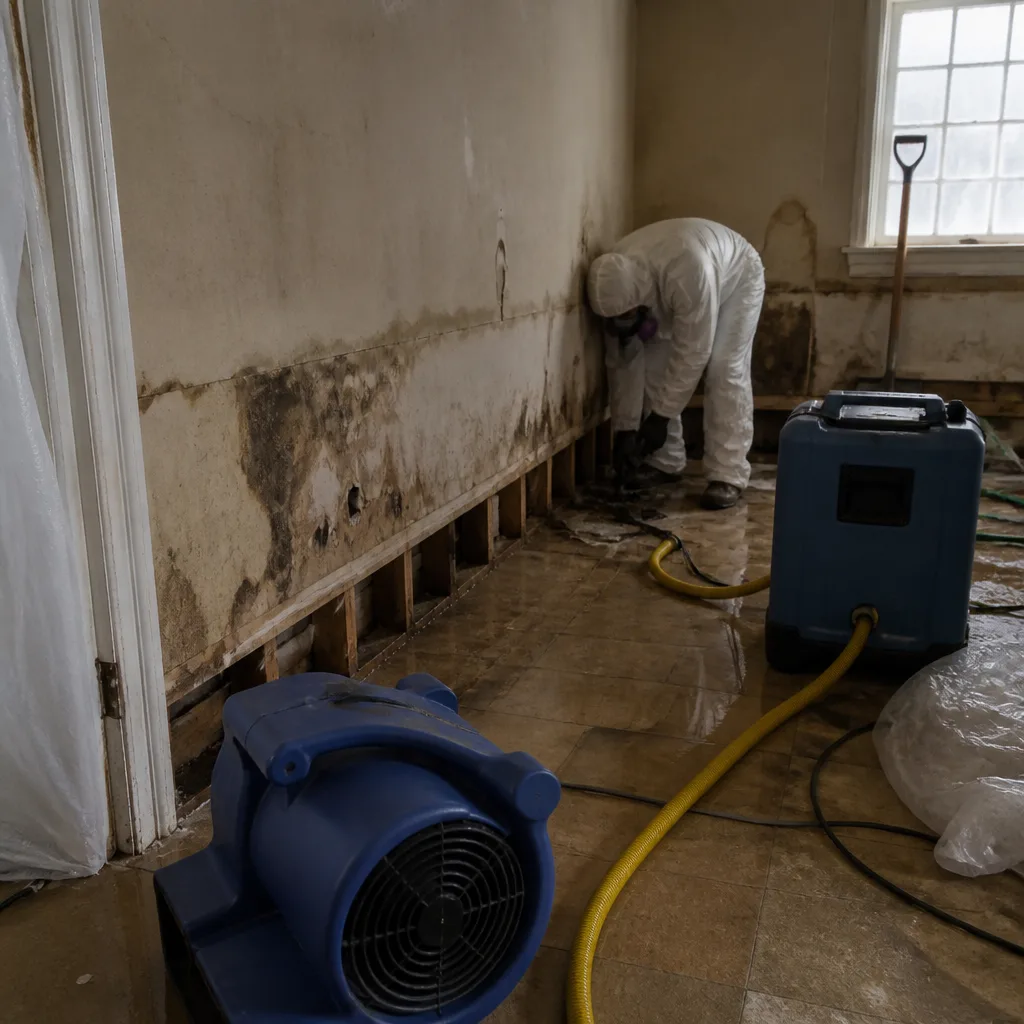
We remove saturated carpet, pad, drywall, and any porous material that cannot be fully sanitized. Our Dri-Eaz extraction equipment handles blood and fluid cleanup without spraying contaminants across the space. Removed material is sealed, labeled, and disposed of as regulated medical waste.
Drying & Dehumidification
After fluid removal, the affected cavities and structural members have to reach a dry standard. We run professional-grade Phoenix dehumidifiers and take daily moisture readings with our Phoenix meters until the numbers confirm the space is dry. In dense brick buildings, this takes longer than in a ventilated suburban house because trapped humidity has nowhere to go.
Cleaning, Sanitization & Antimicrobial Treatment
Every remaining surface gets cleaned with hospital-grade disinfectants. We apply antimicrobial treatment to joists, studs, lath, and subflooring within the 24-48 hour window before bacterial growth locks into the material. Air scrubbers run throughout, and we test surfaces before clearing the space.
Repairs & Restoration
Once the unit is sanitized and dry, our Commercial Restoration in West New York rebuilds exactly what we removed: drywall, paint, trim, flooring, and any structural components. The goal is pre-loss condition or better, and it is covered by the same 90-Day Done Right Promise we give on every job.
Need Emergency Biohazard & Crime Scene Cleanup in West New York Now?
Crews minutes away, answering live 24 hours a day. The sooner we start, the less it costs.
Working With Your Insurance Company
Most biohazard and crime scene cleanup in West New York is covered under homeowners or commercial property policies. These claims stall when documentation is thin or the scope is vague. We do not let that happen. From the first hour on site, our crew photographs every affected surface, logs moisture readings in writing, and builds a line-item scope that matches the actual work performed. Your adjuster receives the same documentation, not a summary. We deal directly with the carrier on billing and questions about containment, disposal, and structural drying so you are not stuck interpreting hours of technical back-and-forth. If the contamination spread to shared areas of a multi-tenant building, we document that separately, because the building owner’s policy may cover portions of the work. You get a square deal: a written scope before we start, direct insurance billing, and no surprise charges that were not on the estimate.
What We Provide Your Insurer
- Thorough documentation of the loss
- Photos of all damage, room by room
- Moisture readings and drying logs
- A detailed, line-item scope of work
- Direct coordination with your carrier
Built for West New York’s Loss Calendar
West New York’s biohazard calls follow a seasonal rhythm, but not the one most people expect. Summer heat pushes indoor temperatures inside those 1920s and 1930s brick buildings past what a suburban house would ever see, and the humidity trapped by dense walls shortens the window for blood cleanup and bodily fluid sanitization before material has to be removed entirely. Winter introduces the quiet crises: elderly residents in older units without reliable heat, unattended deaths discovered days or weeks later when odor finally reaches a hallway. Spring storms dump water through the flat roofs of the inland apartment blocks, and when that water saturates a unit that also has a biohazard history, we are often stripping layers of drywall to find contamination that was never properly remediated the first time. Nor’easters do not create many crime scene calls, but they do expose buildings with compromised envelopes, and a roof leak that pools above a previously contaminated ceiling cavity reactivates pathogens that had been dormant. No season is quiet in West New York. The buildings are too old, too dense, and too interconnected for biohazard problems to stay contained.
Biohazard & Crime Scene Cleanup Across West New York’s Neighborhoods
The type of building dictates how a biohazard cleanup in West New York gets scoped. Along the eastern edge near the Hudson waterfront, the post-2000 high-rises present one kind of job: newer construction with better compartmentalization, but often occupied by hundreds of tenants who share lobby spaces, elevator banks, and garage levels. A trauma scene in one of those towers means coordinating with building management, security, and sometimes the local health department before our crew can set up containment. Along Bergenline Avenue, the commercial storefronts and second-floor apartments above them come with mixed-use complications: a business on the ground floor stays open while we work upstairs, so negative air and sealed barriers matter more than ever. The residential blocks west of Park Avenue are where the 1950s brick walk-ups dominate. There, the vertical plumbing chases and shared ventilation risers mean a biohazard event on 60th Street or 57th Street can affect tenants on three floors at once. Over near the cliffs by Boulevard East, the older prewar buildings facing Manhattan carry the same structural profile, and we treat them the same way: containment across multiple units, not just the source.
Specialized Biohazard & Crime Scene Cleanup Services We Offer in West New York
Crime Scene Cleanup
Crime scene cleanup in West New York apartments often involves violence that occurred inside a unit that shares walls with occupied neighbors. Blood, tissue, and biological fluids have to be removed from drywall, subflooring, and in many cases the cavities behind the visible surfaces. We follow the migration path with thermal imaging, remove contaminated building materials under full containment, and coordinate with law enforcement to confirm the scene has been released before any work begins. In a dense multi-tenant building, our crew also evaluates shared hallway carpeting, stair treads, and common walls that may have absorbed aerosolized blood.
Trauma & Unattended Death Cleanup
Unattended deaths in West New York are often discovered by odor, which means decomposition has already begun and fluids have already traveled. Our team removes the affected materials, treats the structural framing, and runs air scrubbers long enough to clear the odor from the unit and any connected spaces. We have handled scenes in top-floor units of 1950s walk-ups where the decomposition fluids had followed the plumbing chase down into a neighbor’s ceiling. The work requires patience and precision. You will not be rushed, and you will not be handed a bill that balloons after the fact.
Hoarding Cleanup
Hoarding situations in West New York’s smaller apartment units are a different kind of biohazard. Years of accumulated material trap moisture, harbor rodent and insect activity, and conceal structural damage that only becomes visible once the contents are removed. We clear the space methodically, working with the property owner or family member to identify what should be preserved, and then treat the exposed surfaces for bacteria, mold, and odor. The brick walls and shared ventilation in these buildings mean the contamination rarely stops at the unit door.
Blood & Bodily Fluid Cleanup
Blood and bodily fluid cleanup is not a janitorial task. In a West New York building, blood that soaks into hardwood, subflooring, or wall cavities can linger for years if not removed properly, and the humidity trapped by dense construction accelerates bacterial growth. We remove contaminated porous materials, disinfect all remaining surfaces, and verify the space is safe before anyone re-enters. The same protocol applies after an accident, an assault, or a medical emergency.
Infectious Disease Disinfection
When a contagious illness moves through a West New York household or a shared building, surfaces, air handling, and common areas all need attention. We spray EPA-registered disinfectants, wipe high-touch surfaces, and run HEPA air scrubbers to reduce airborne pathogens. This is not a single-pass spray. It is a systematic process with documented coverage, and it gives landlords and property managers something they can show tenants to confirm the space was treated.
What happens when you call
- 1
A real person answersNo phone trees - you reach a local pro.
- 2
You get an upfront price rangeHonest numbers before anyone is dispatched.
- 3
A background-checked tech heads outLicensed & insured, dispatched right away.
- 4
You approve before work beginsNothing starts until you say go.
Biohazard & Crime Scene Cleanup Costs in West New York, NJ
A straight containment and cleaning job for a contained trauma scene in West New York typically runs $900-$1,500. Once fluids have migrated into subflooring, wall cavities, or the units below, the number climbs quickly. Decomposition cleanup with structural removal in a multi-story building commonly lands between $3,500 and $8,500, and when a drain-stack breach has spread contamination across multiple floors, the total can exceed $15,000. The variables are containment coverage, how much porous building material has to come out, how long drying takes, and whether building management requires engineered drawings for any structural work. Out-of-pocket jobs tend to be small; insurance-covered jobs tend to be larger because the remediation has already spread by the time the claim is filed. Our free visual inspection produces a written scope with line-item pricing before anything starts, which means you will never authorize an open ticket. Call (201) 762-0667 and we will come look at it.
We Also Serve Cities Near West New York
Our crews cover the towns that ring West New York: Secaucus, Carlstadt, East Rutherford, and Lyndhurst. Each has its own building profile and its own set of loss patterns, but the protocol is the same: live answer, fast response, full containment, written scope, direct insurance billing, and a finished repair backed in writing.
Serving West New York, NJ - Our Local Coverage Area
We’re based in the West New York area and know this community well. Use the map below to see our service coverage - if you’re nearby, we can almost certainly help.
West New York Biohazard & Crime Scene Cleanup Questions, Answered
Does West New York require a special permit for biohazard cleanup in a multi-tenant building?
No municipal permit is required for biohazard cleanup itself, but disposal of regulated medical waste requires a licensed hauler and documentation, and building management may require a work authorization before we set up containment in common areas. We handle those conversations for you.
How do you handle biohazard contamination that has spread through shared drain stacks in an older brick building?
We trace the fluid path with thermal imaging and moisture meters, then open the wall or floor cavity along the entire affected run of the stack before treating or removing every contaminated surface along that path. This means the containment zone often extends beyond the source unit. We coordinate directly with the landlord and the tenants below or above as needed.
Can you restore a pre-loss condition after a trauma scene in a unit with multiple prior water events?
Yes, but the process often requires removing layers of patchwork repairs to reach the original substrates. In West New York, a surprising number of units have prior Water Damage Restoration in West New York hidden behind patched drywall, and when a biohazard event occurs on top of that, the old saturated material has to come out before we can legitimately sanitize and dry the cavity. Our written scope will show exactly what must be removed and why.
What containment protocol do you use for unattended death cleanup in a densely occupied building?
Negative air pressure with HEPA filtration, physical barriers at the unit entry, and sealed plastic sheeting over any openings that connect to shared spaces. Our technicians wear full PPE including respirators and impermeable suits. Air scrubbers run throughout the job, and we monitor pressure differentials so that hallway air remains cleaner than the working area. The goal is to keep the building occupied safely while we work.
Is tear gas or chemical cleanup in a West New York apartment different from a suburban house?
It is harder. Tear gas particles work into walls, insulation, and surfaces quickly, and in a multi-story brick building the chemical residue migrates through shared ventilation and wall cavities just like odors and fluids do. That means we often have to treat adjacent units and common spaces in addition to the source unit. XPOWER air movers push cross-ventilation through the treated spaces, but the dense construction means the process takes longer than it would in a detached house with open air on all sides.
How fast can someone actually get here from Floodline Restoration Co.?
We commit to a 45-minute response for West New York addresses, and most of the time we are faster because the crews are staged locally. The dispatcher who answers at (201) 762-0667 knows which crews are closest to the inland blocks, which are near the waterfront, and which have the specific training a biohazard call requires. You will not wait through a general emergency queue.
Will my insurance cover biohazard cleanup in a West New York apartment?
Most homeowners and commercial property policies include coverage for biohazard remediation, especially when it follows a covered cause like an injury, death, or water intrusion that carried contaminants. The fastest way to know is to call us for a free visual inspection; we will give you a written scope that you can hand to your adjuster, and we bill the carrier directly so you do not carry the cost while the claim processes.
What should I do in the first 30 minutes after discovering a biohazard situation?
Close the door to the affected space, keep people and pets away from the area, and call (201) 762-0667. Do not try to clean blood or bodily fluids yourself. Do not run HVAC systems that might spread airborne contaminants through shared ductwork. Do not enter the space without protective equipment. The less disturbance before we arrive, the smaller the containment zone and the lower the eventual cost.
Written by Curt Bowman, Owner at Floodline Restoration Co., serving Biohazard & Crime Scene Cleanup in West New York and surrounding Hudson County communities.