
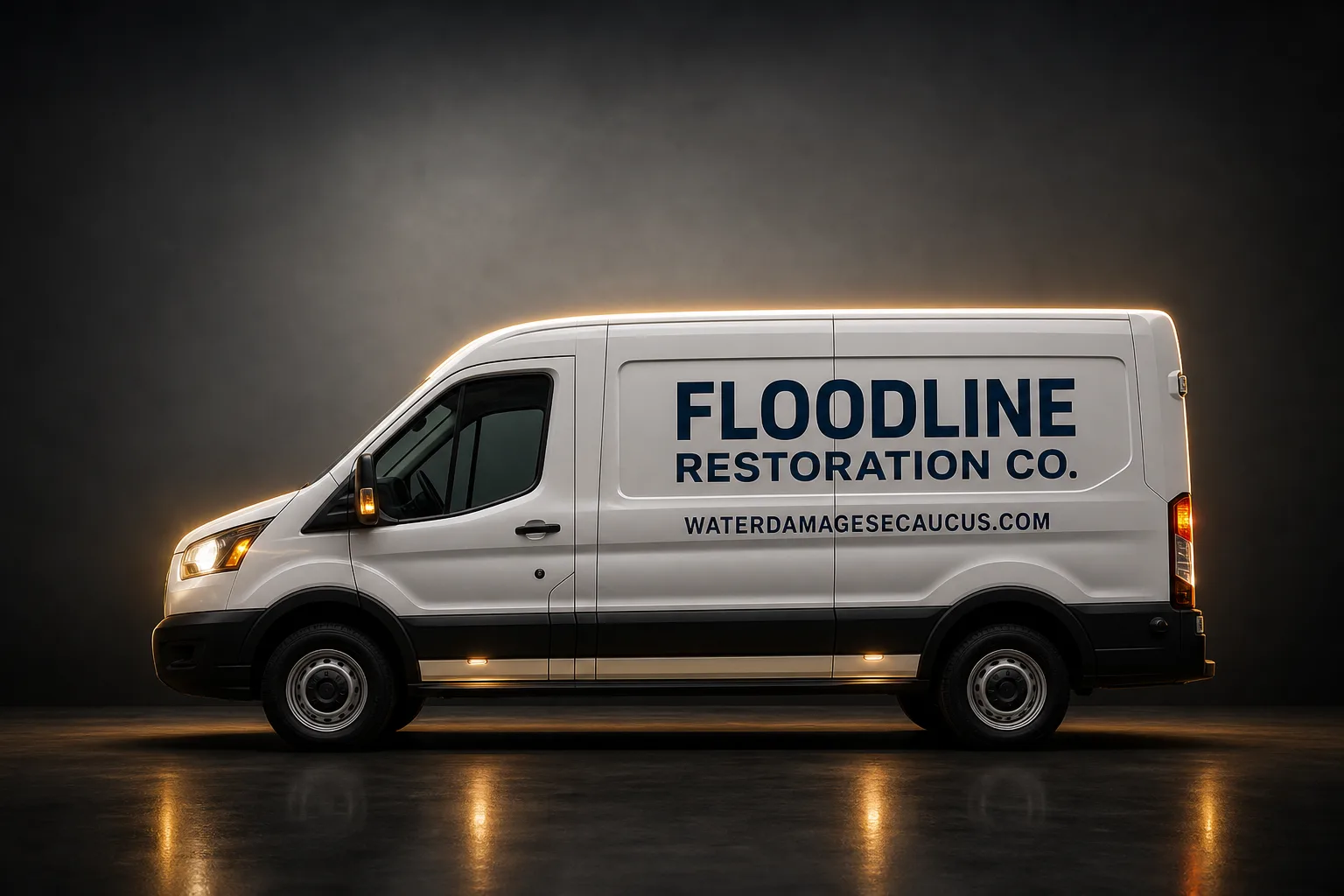
Free visual inspection and a written scope of work before any mitigation begins - photos, moisture readings, and drying logs go in your claim file
The scope we write is the scope we bill. Anything new gets shown to you, in writing, before we touch it.
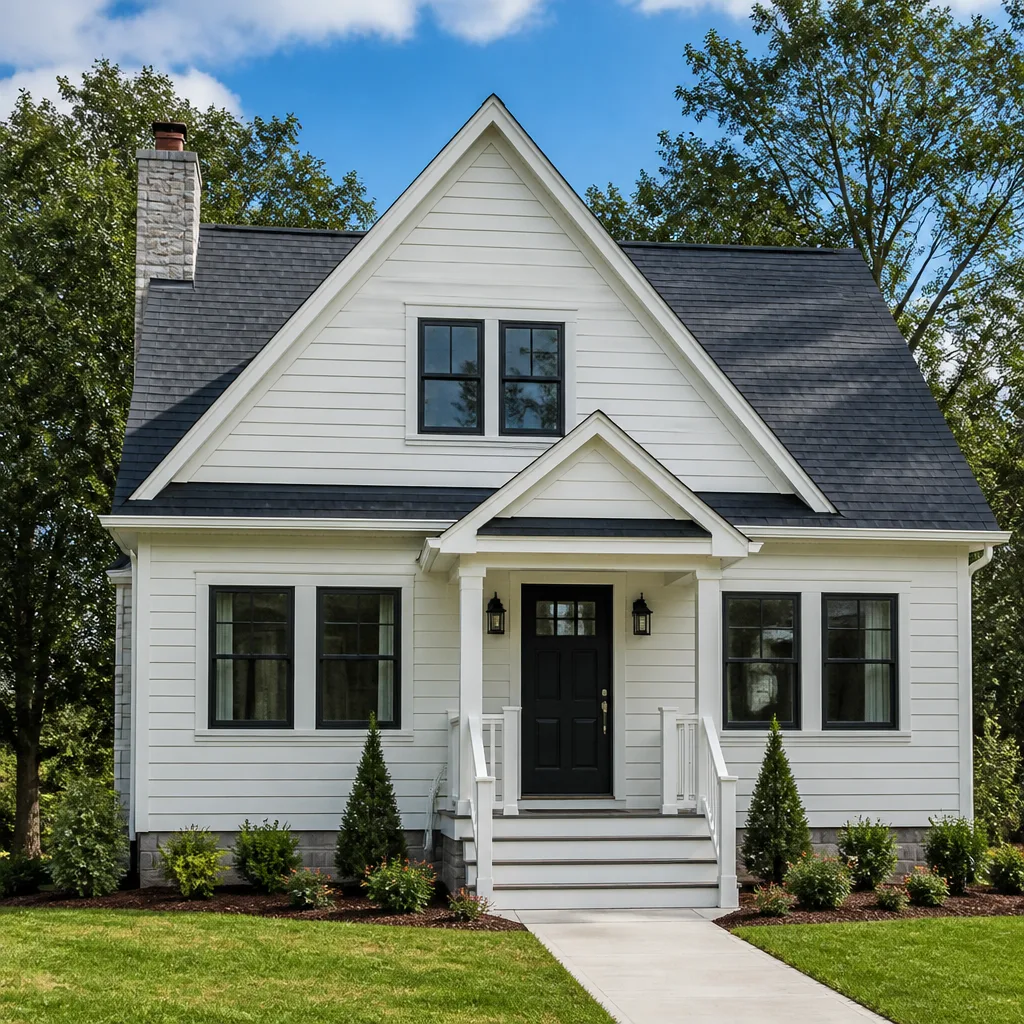
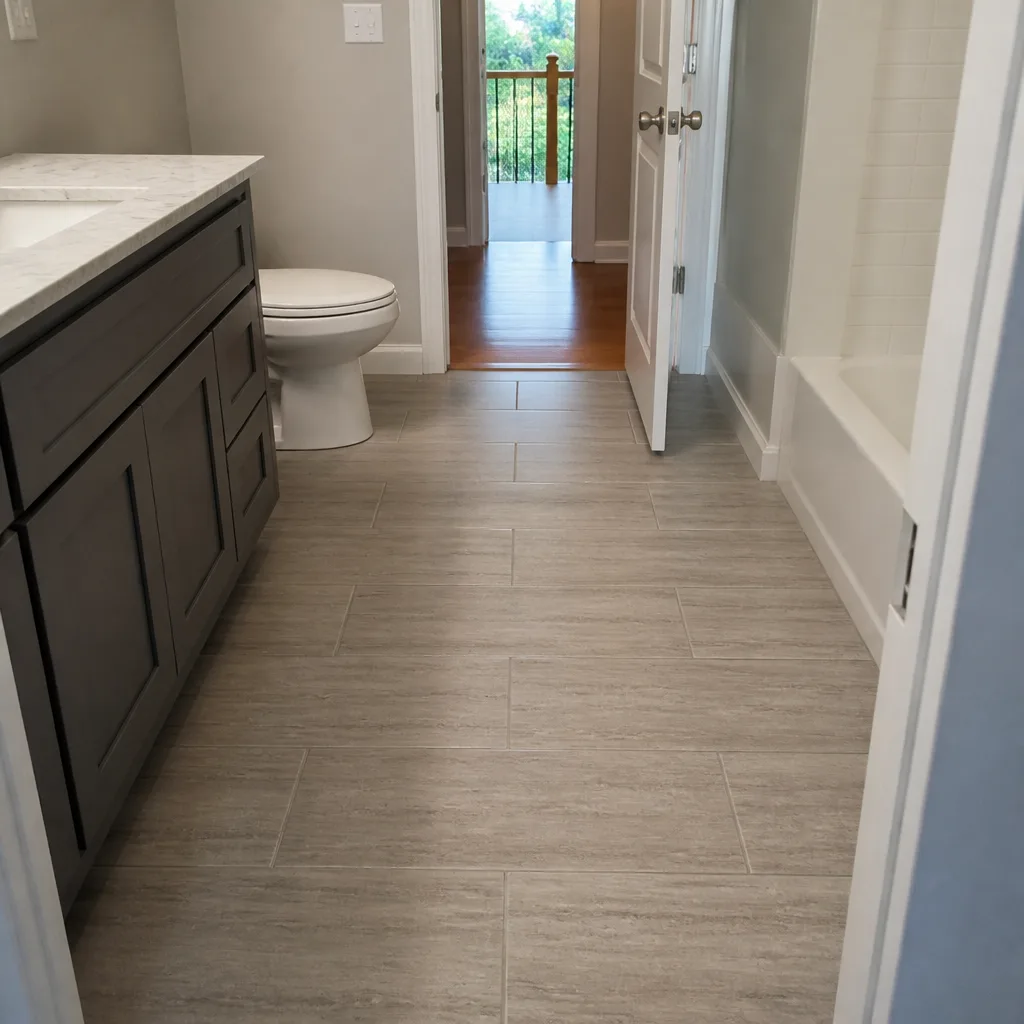
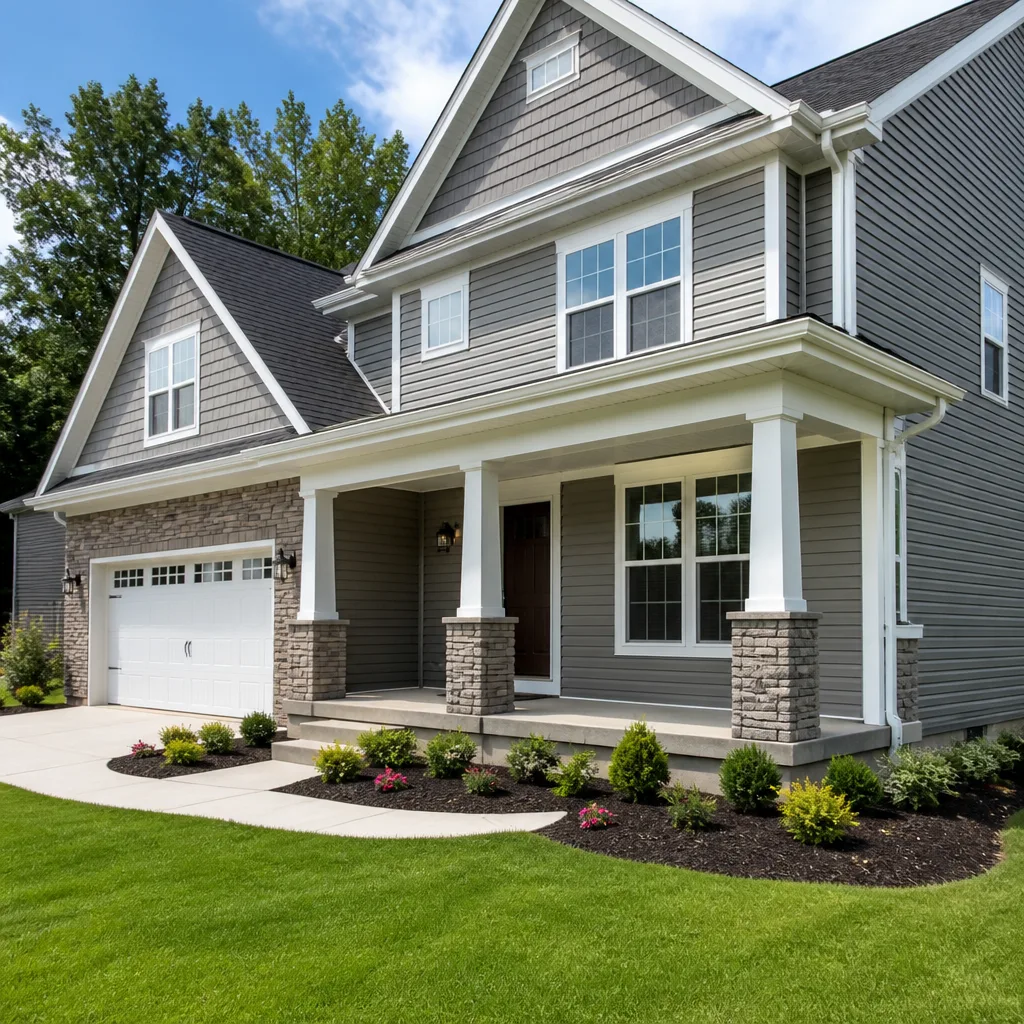
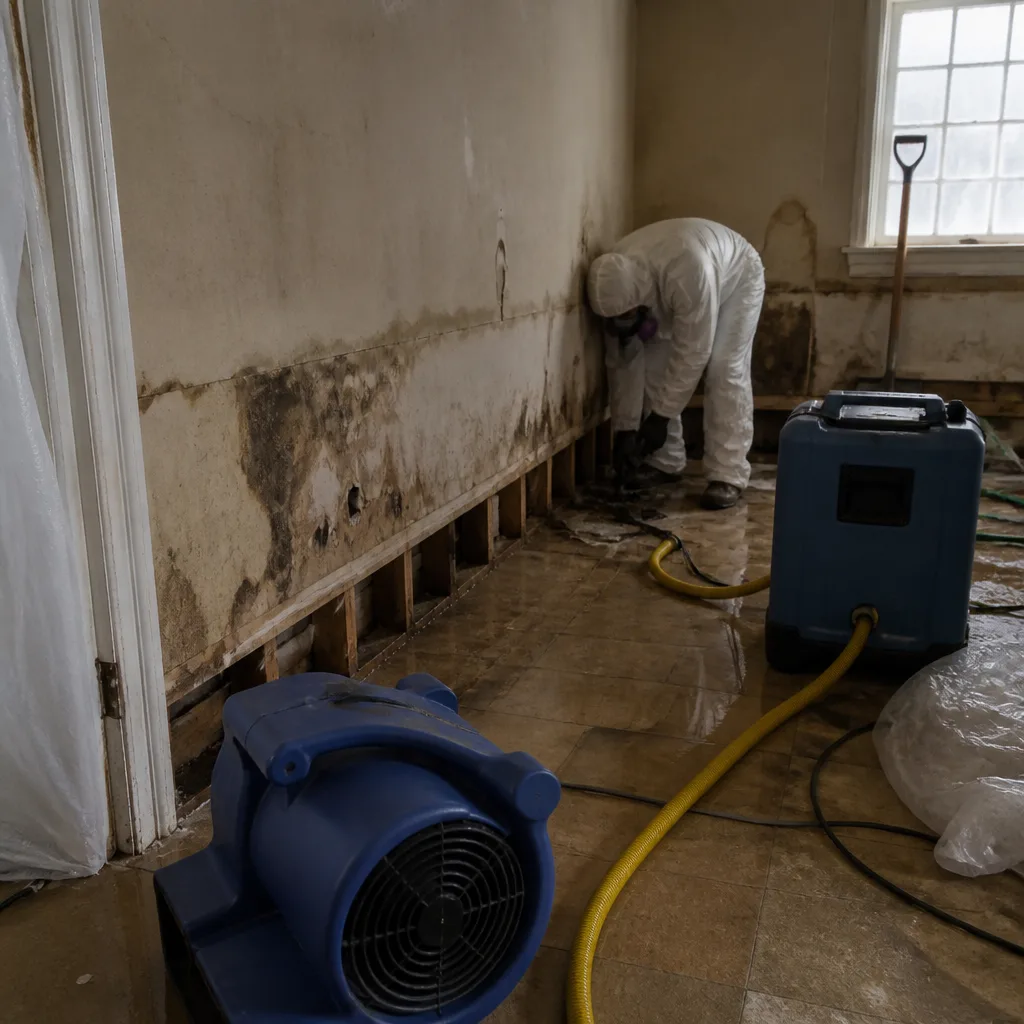 Before
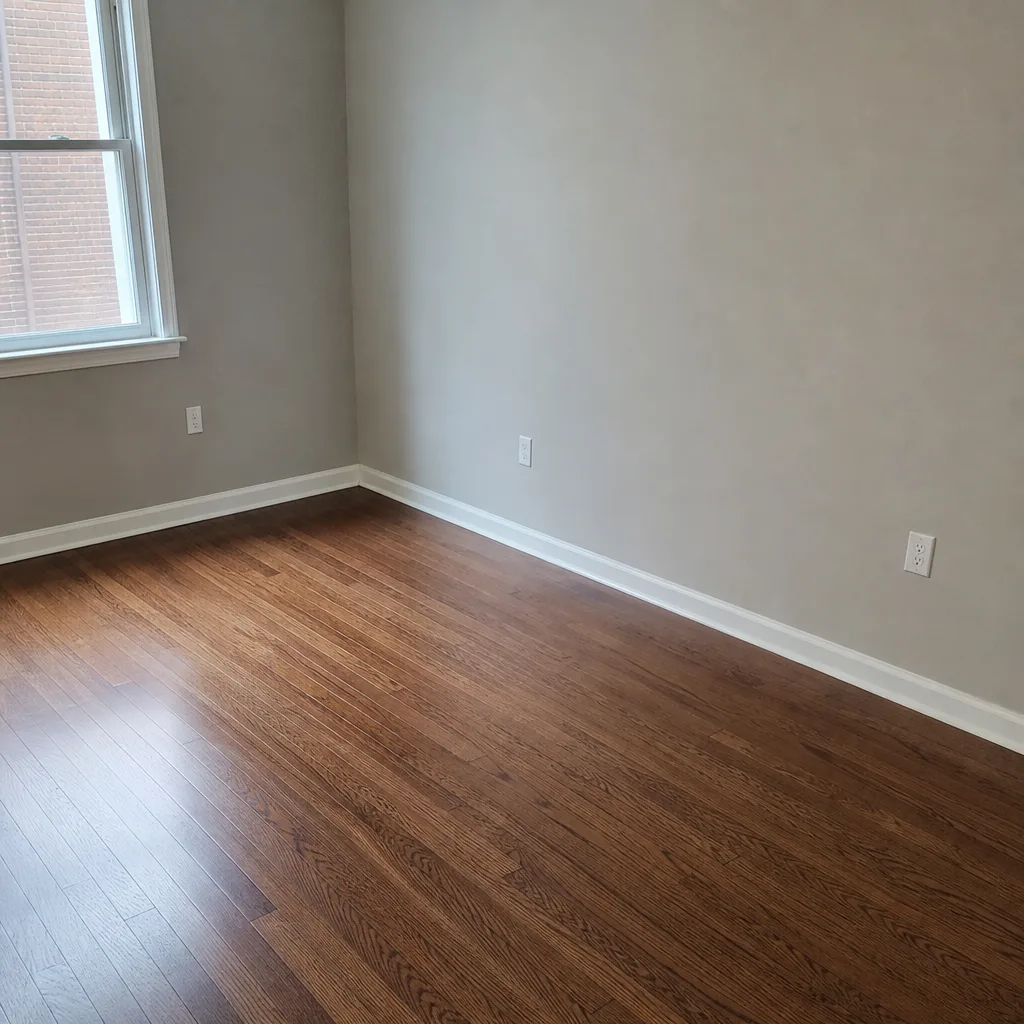 After
After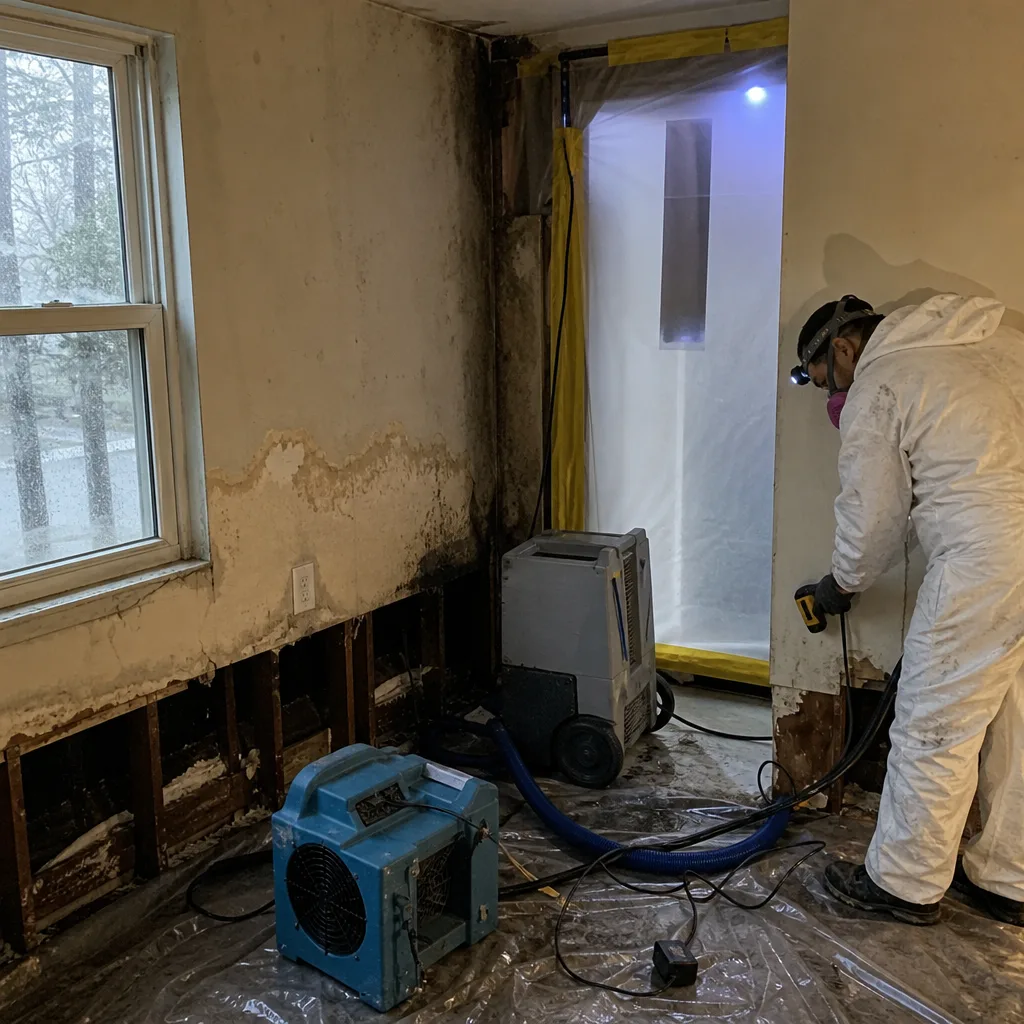 Before
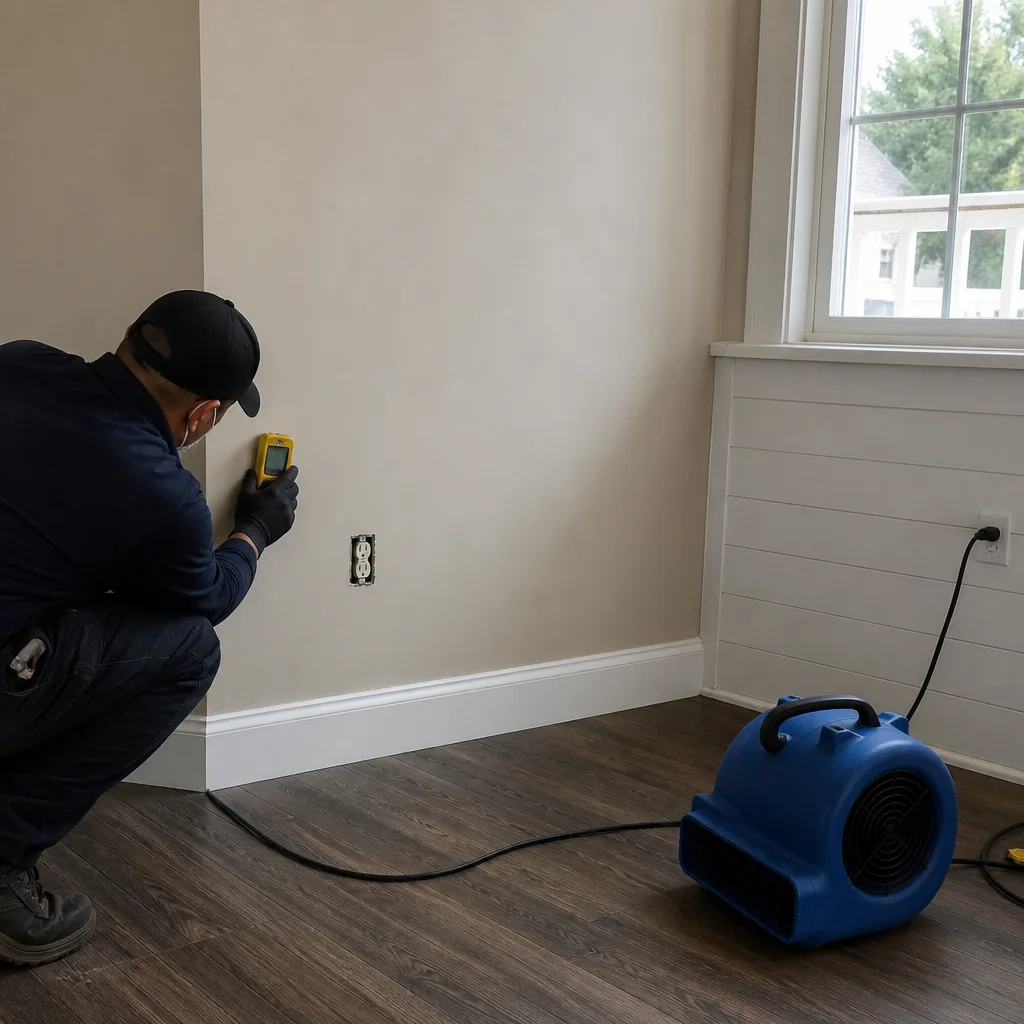 After
After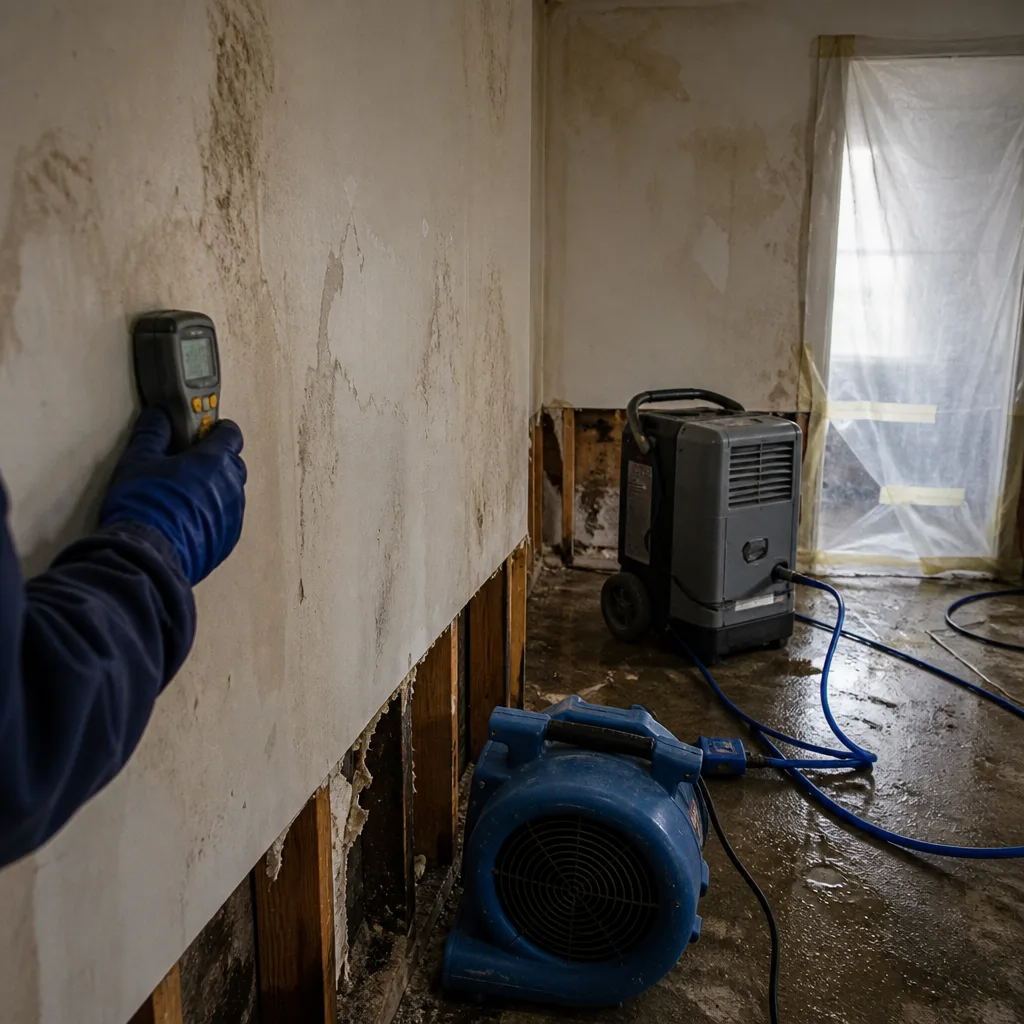 Before
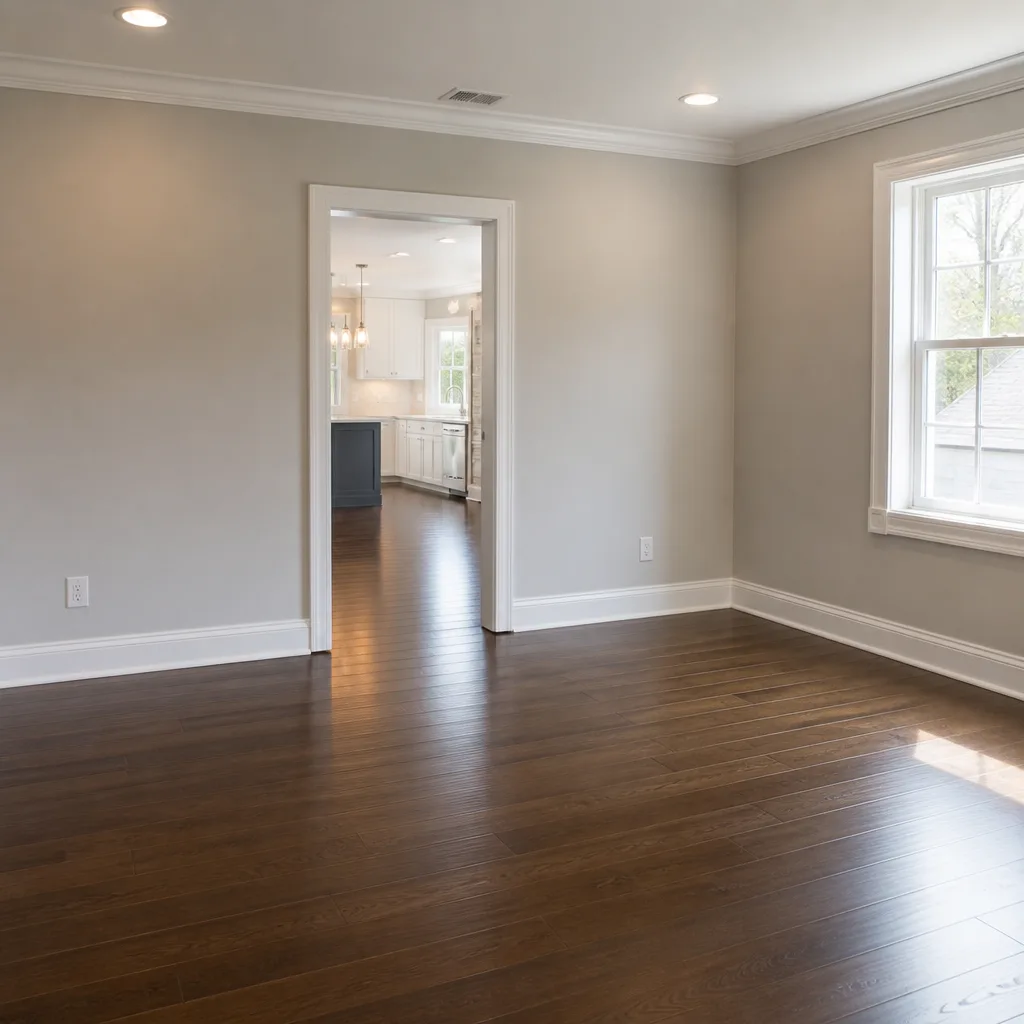 After
After24/7 Emergency Fire & Smoke Damage Restoration in Lyndhurst
Fire and smoke damage in Lyndhurst homes moves fast. Soot begins etching glass and discoloring walls within hours, and smoke odor sinks into drywall, insulation, and wood framing. If fire department water has reached a basement, the clock starts on mold too. We answer calls live, around the clock, at (201) 762-0667. A crew reaches Lyndhurst properties fast, and our first visual inspection is always free.
Floodline Restoration Co. has handled fire damage in Lyndhurst’s older homes long enough to know the first 24 hours decide whether you’re looking at cleanup or a full rebuild. We dispatch from our metro office and work locally, so you’re not waiting on a driver from another county. The sooner we get air movers and HEPA scrubbers running, the less damage spreads and the smaller your out-of-pocket exposure if insurance coverage falls short. Call, or read on for what Lyndhurst fire restoration actually involves.
Need Emergency Fire & Smoke Damage Restoration in Lyndhurst Now?
Crews minutes away, answering live 24 hours a day. The sooner we start, the less it costs.
Understanding Fire & Smoke Damage Restoration Severity in Lyndhurst Properties
Fire restoration in Lyndhurst runs a different course than in newer Bergen County developments. The housing stock here is overwhelmingly 1920s through 1950s Cape Cods, bungalows, and two-family homes. Those houses have lath-and-plaster walls, original hardwood under decades of finish, and basements with poured-concrete or block foundations that have absorbed forty, sixty, eighty years of Passaic River and Meadowlands moisture. When a fire suppresses with water, that water rarely stays in one place.
We classify damage by soot type and water category. Light soot from a grease fire on a stovetop is a surface cleaning job. Heavy oily soot from burning synthetics means deep cleaning of walls, ceilings, ducts, and contents. Water from a fire department hose carries soot, char, and whatever burned, so we categorize it and often treat it as Category 2 before drying begins. Smoke migration in a two-family Lyndhurst home regularly travels through shared wall cavities into an adjacent unit, so containment and pressure management are set early. The severity of any Lyndhurst fire job is never just about the flames; it’s about where the smoke went, where the water is hiding, and whether that basement has seen this before.
Why Lyndhurst Property Owners Choose Floodline Restoration Co.
- Rapid dispatch: Our goal is a crew on-site in Lyndhurst within 45 minutes of your call. The water the fire department left is already wicking into walls and flooring.
- A live person answers, 24/7: Call (201) 762-0667 at 2 a.m. and a dispatcher picks up. You will never sit through a recording while smoke settles into your upholstery.
- Certified, background-checked crews: Our technicians carry IICRC fire and smoke restoration (FSRT) and water damage restoration (WRT) certifications, plus odor control training.
- Free visual inspection: We walk the damage with you and point out what needs remediation, what can be cleaned in place, and what’s beyond saving. No cost, no obligation.
- Direct insurance billing: We document everything from the first hour and coordinate directly with your adjuster so you don’t have to relive the fire on the phone.
- One team, start to finish: Our Fire & Smoke Damage Restoration crews handle board-up, soot removal, structural drying, odor treatment, and reconstruction. Nobody hands you off.
Our Fire & Smoke Damage Restoration Process
Inspection & Assessment
We walk every affected room with a thermal imaging camera and moisture meter. In Lyndhurst, that includes checking basement walls for groundwater intrusion that predates the fire, because the high water table means water may already be moving through old block even before fire suppression began.
Board-Up & Stabilization
We secure windows, doors, and any roof openings with board-up or tarping. Lyndhurst streets near the river can get wind gusts off the water, so we seal openings tight enough to hold off weather and unauthorized entry.
Water Extraction & Structural Drying
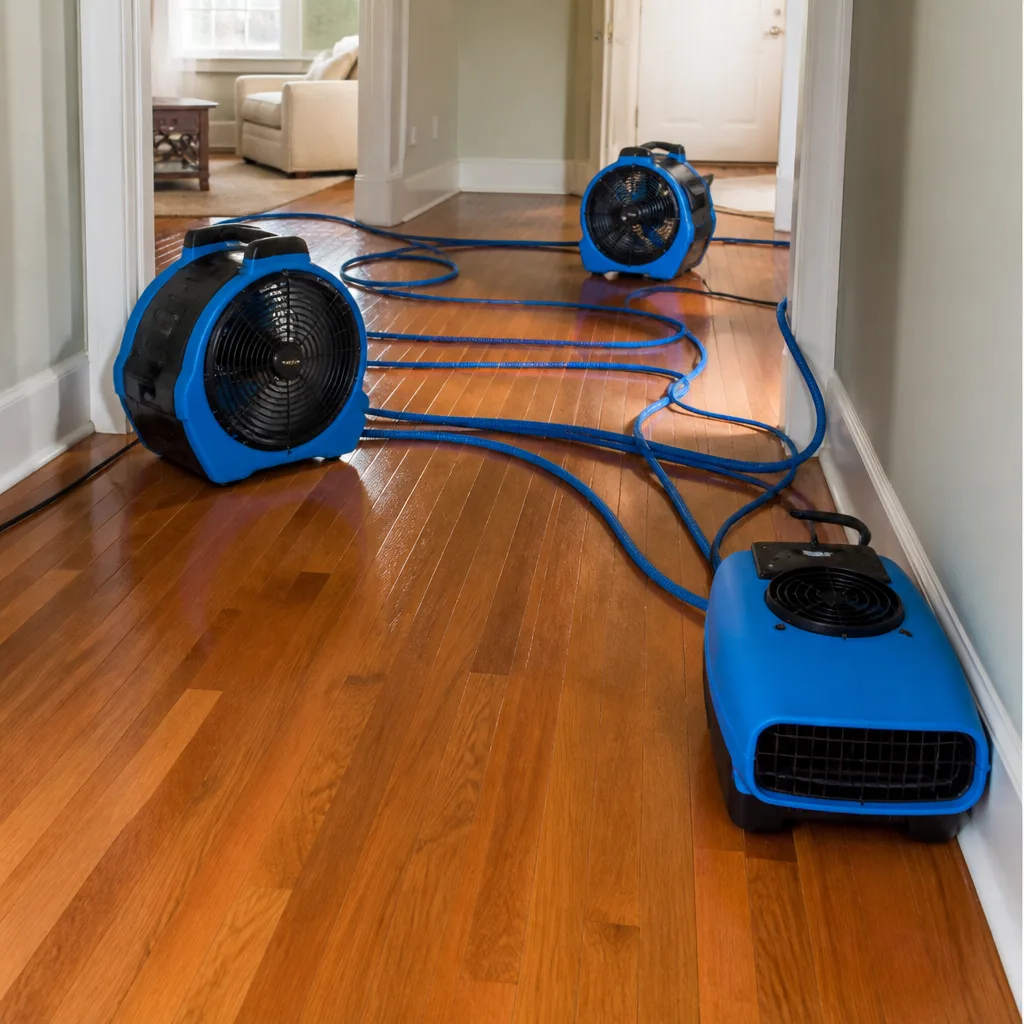
Fire-suppression water gets extracted with truck-mounted units, then we set Dri-Eaz air movers and Phoenix dehumidifiers. Daily moisture readings are logged until the structure hits its dry standard. In Lyndhurst basements, we monitor for rising groundwater and hydrostatic seepage that can refill a drying space within a day.
Soot & Residue Removal
Every affected surface gets HEPA-vacuumed and cleaned with appropriate soot-removal agents. We treat walls, ceilings, trim, hard floors, fixtures, and cabinetry. What can’t be restored gets documented for the adjuster.
Odor Removal & Deodorization
Smoke odor hides in wall cavities, insulation, and ductwork. We use HEPA air scrubbers, thermal fogging, and hydroxyl generators to break down odor molecules instead of just masking them. In Lyndhurst two-family homes, we pressure-test adjacent units and treat shared wall cavities as needed.
Repairs & Restoration
From drywall replacement to structural carpentry to finish painting, our reconstruction team rebuilds what fire and water took. Because we’re a full-cycle restoration company, the crew that assessed your home on day one follows it through to the final walkthrough.
Working With Your Insurance Company
Fire claims in Lyndhurst carry a local complication: many homes have prior flood claims on file, especially near the Passaic River. Your adjuster will rightly ask which damage is from this fire and which is pre-existing flood scarring. Our documentation answers that question before it turns into a dispute. We photograph everything room by room, log moisture readings daily, and separate current fire damage from older water stains and flood wear in writing.
We bill your carrier directly, and we talk to your adjuster so you don’t spend days on hold. If a claim gets underpaid because documentation was thin, that’s a problem we prevent from day one. Most Lyndhurst homeowners we work with never write a check to us beyond their deductible, and they know the exact scope of work before we start.
What We Provide Your Insurer
- Thorough documentation of the loss
- Photos of all damage, room by room
- Moisture readings and drying logs
- A detailed, line-item scope of work
- Direct coordination with your carrier
Built for Lyndhurst’s Loss Calendar
Fire losses in Lyndhurst follow a seasonal rhythm that’s shaped by the township’s geography. Winter brings space heater and chimney fires in older homes with original flues and decades-old electrical panels. The January deep freezes that strain Bergen County’s aging wiring hit hardest in 1920s and 1930s houses where knob-and-tube remnants still hide in attics. Spring thaw and March rain saturate the ground, and any fire in a basement before the ground dries means suppression water meets a water table already pressing at foundation walls.
Summer thunderstorm season brings lightning strikes and power-surge appliance fires, often in Lyndhurst’s two-family homes with window AC units and older load panels. Fall and early winter bring the first serious heating system use, and furnaces that sat dormant for months are prime ignition sources. Every season in Lyndhurst carries a fire risk, and every fire carries a water problem because of where the township sits. Our crews plan for both, which is why we are not a one-dimensional fire cleanup outfit. When you call Floodline Restoration Co. for Fire & Smoke Damage Restoration in Lyndhurst, you get a crew that knows a basement here can flood from below while it’s drying from above.
Need Emergency Fire & Smoke Damage Restoration in Lyndhurst Now?
Crews minutes away, answering live 24 hours a day. The sooner we start, the less it costs.
Fire & Smoke Damage Restoration Across Lyndhurst’s Neighborhoods
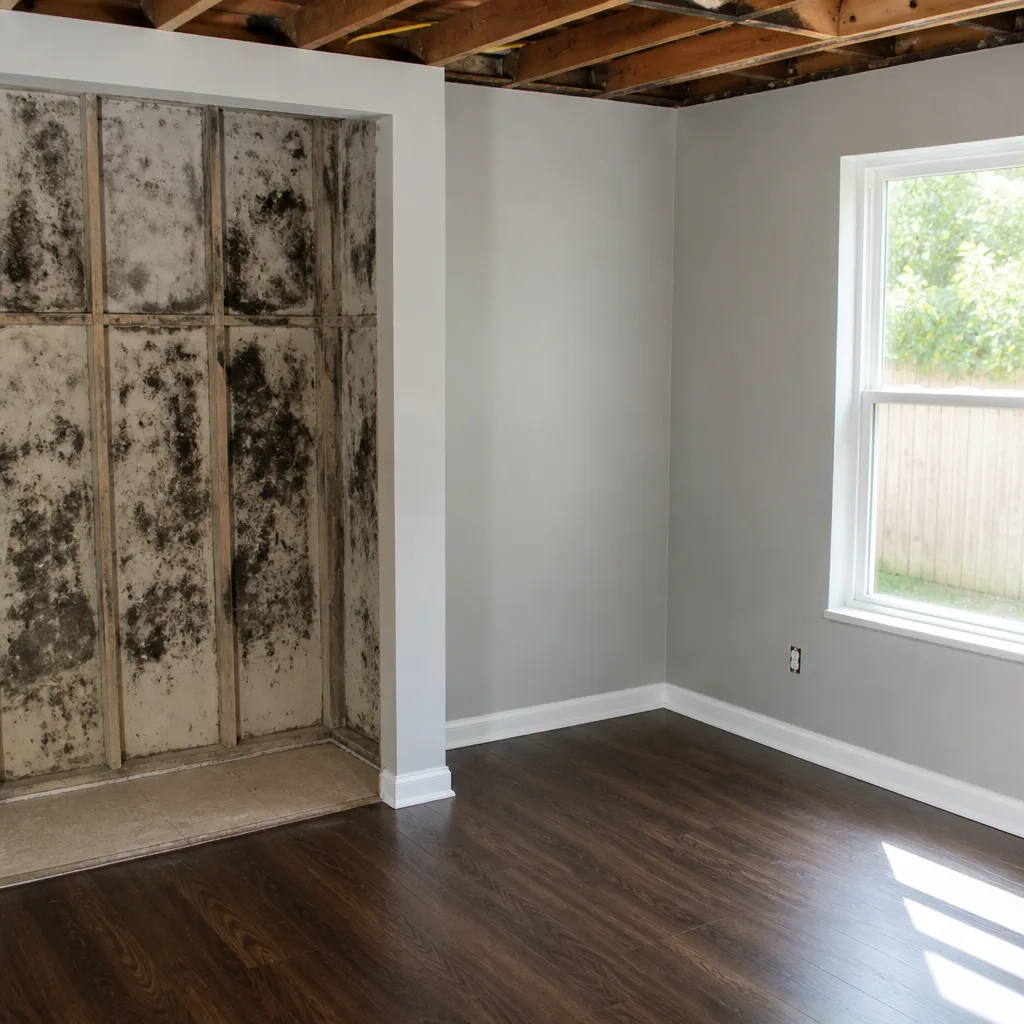
Lyndhurst is a township of distinct streets and building patterns, and fire restoration here changes block by block. Along Riverside Avenue and the blocks running west toward the Passaic River, homes sit in FEMA-designated repetitive-loss territory. Fire suppression in those basements lands on top of decades of flood exposure, and we routinely find hidden wet drywall behind wood paneling that dates to the original build. Restoration on those streets almost always includes mold pressure management within the first 48 hours.
North of Kingsland Avenue, the grid of Cape Cods and bungalows near the old Delawanna area runs close to the Meadowlands. The water table here is high enough that we’ve seen basements weep through cinderblock even during mild rain. A kitchen fire on a February night in that neighborhood means extraction starts while groundwater is already seeping toward the foundation. Around the train station and Main Avenue corridor, two-family homes dominate, and smoke migration through shared attic spaces and party walls is the complication we plan for first.
East Lyndhurst off Ridge Road near the North Arlington border has a mix of mid-century homes, some with original poured-concrete basements that have never been waterproofed. When fire water reaches those floors, it doesn’t drain; it pools. We set extraction pumps, then monitor for hydrostatic pressure refilling the basin. Every neighborhood in Lyndhurst has a restoration signature, and Curt Bowman’s crews know the streets well enough to skip the guesswork.
Specialized Fire & Smoke Damage Restoration Services We Offer in Lyndhurst
Fire Damage Cleanup
We remove charred debris, damaged drywall, ruined flooring, and unsalvageable fixtures from Lyndhurst homes after the flames are out. Then we clean what remains with HEPA vacuums and appropriate chemical agents. In older homes, we’re careful around lath-and-plaster that may contain lead paint, and we contain and dispose accordingly.
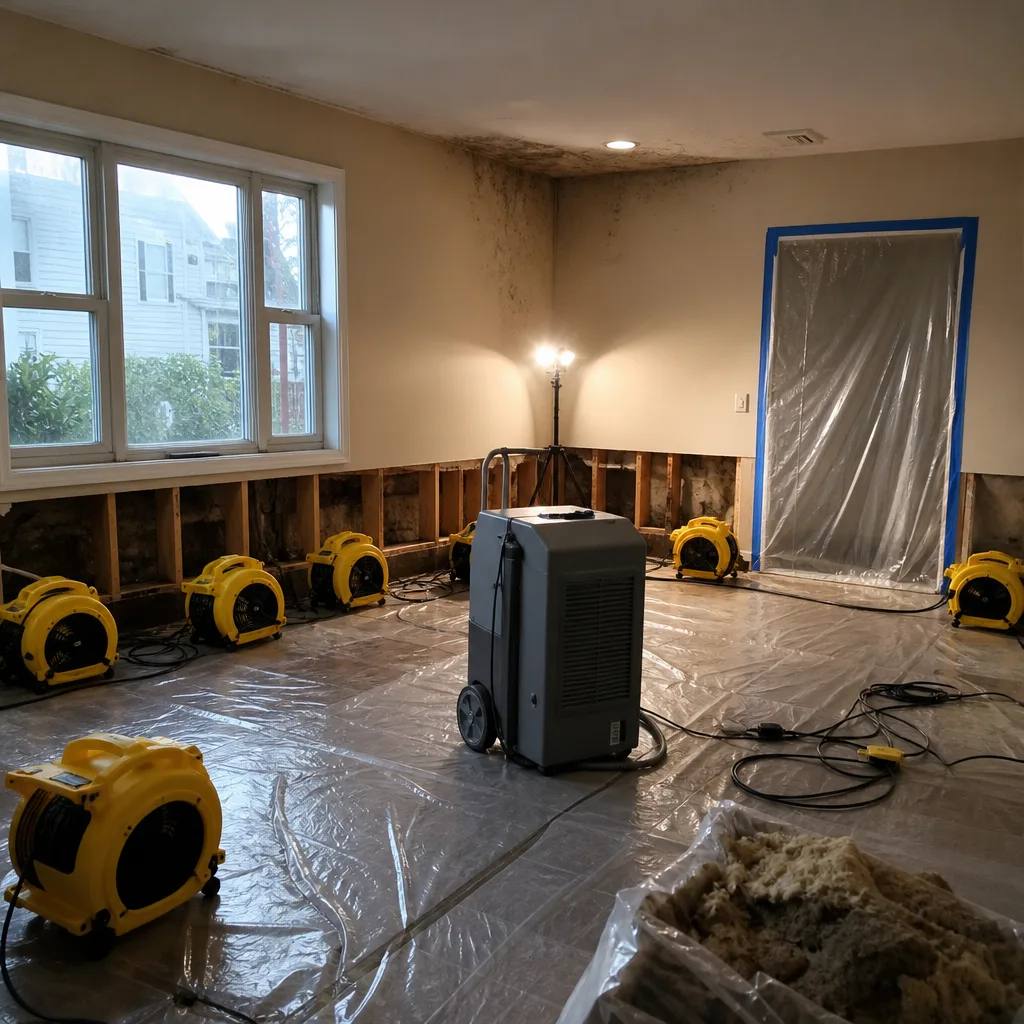
Smoke & Soot Removal
Soot in a Lyndhurst Cape Cod or bungalow is not just on surfaces; it settles inside drawers, behind radiators, and in that gap between the floor and the baseboard. We do a full-scope soot removal job, not a wipe-down. That includes ceilings, walls, trim, hardware, light fixtures, and the inside of closets, because smoke carries soot everywhere air moves.
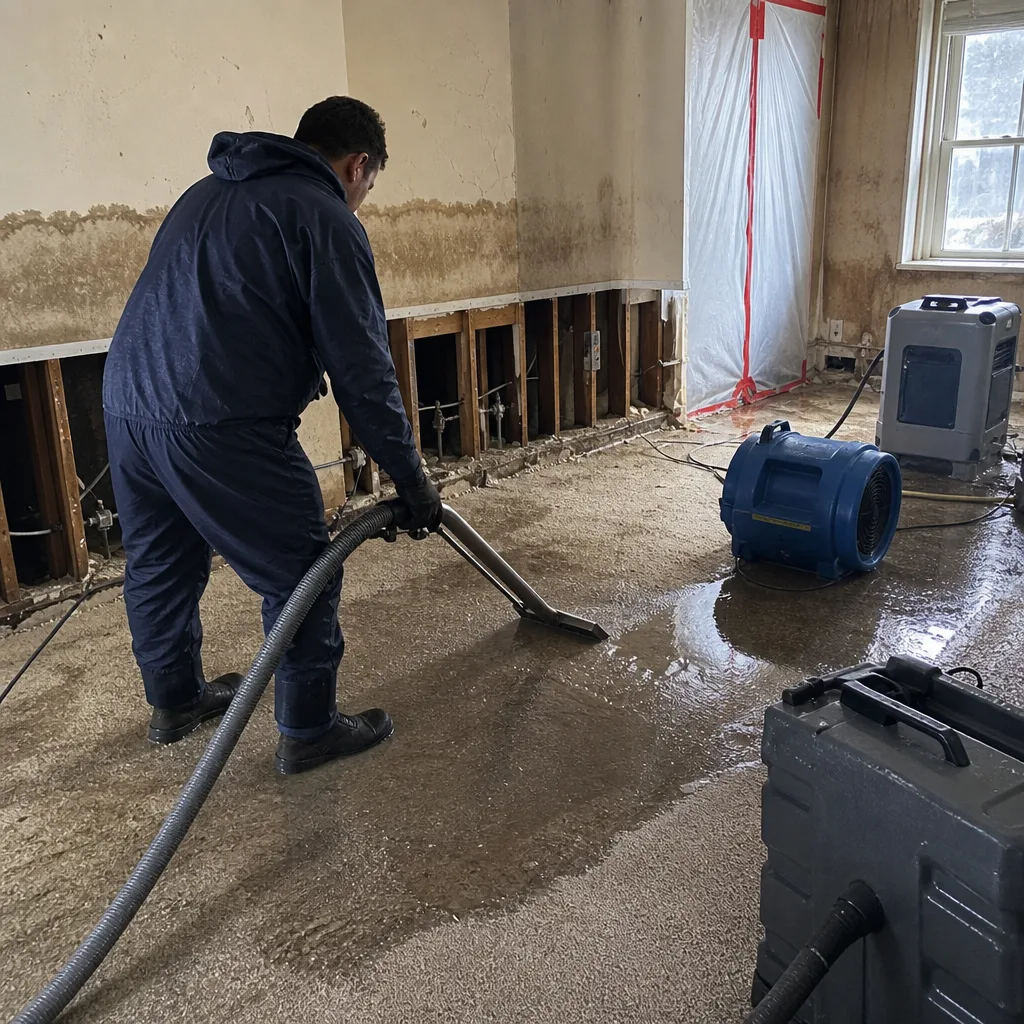
Odor Removal & Deodorization
This is the service Lyndhurst two-family homeowners ask about most. When smoke drifts into a shared wall cavity, one unit’s kitchen fire becomes an odor problem in the neighbor’s apartment. We deploy HEPA air scrubbers, hydroxyl generators, and thermal fogging where needed, and we treat wall cavities from both sides where access allows. If we don’t chase the smoke path, the smell comes back in humid months, and Lyndhurst gets humid months.
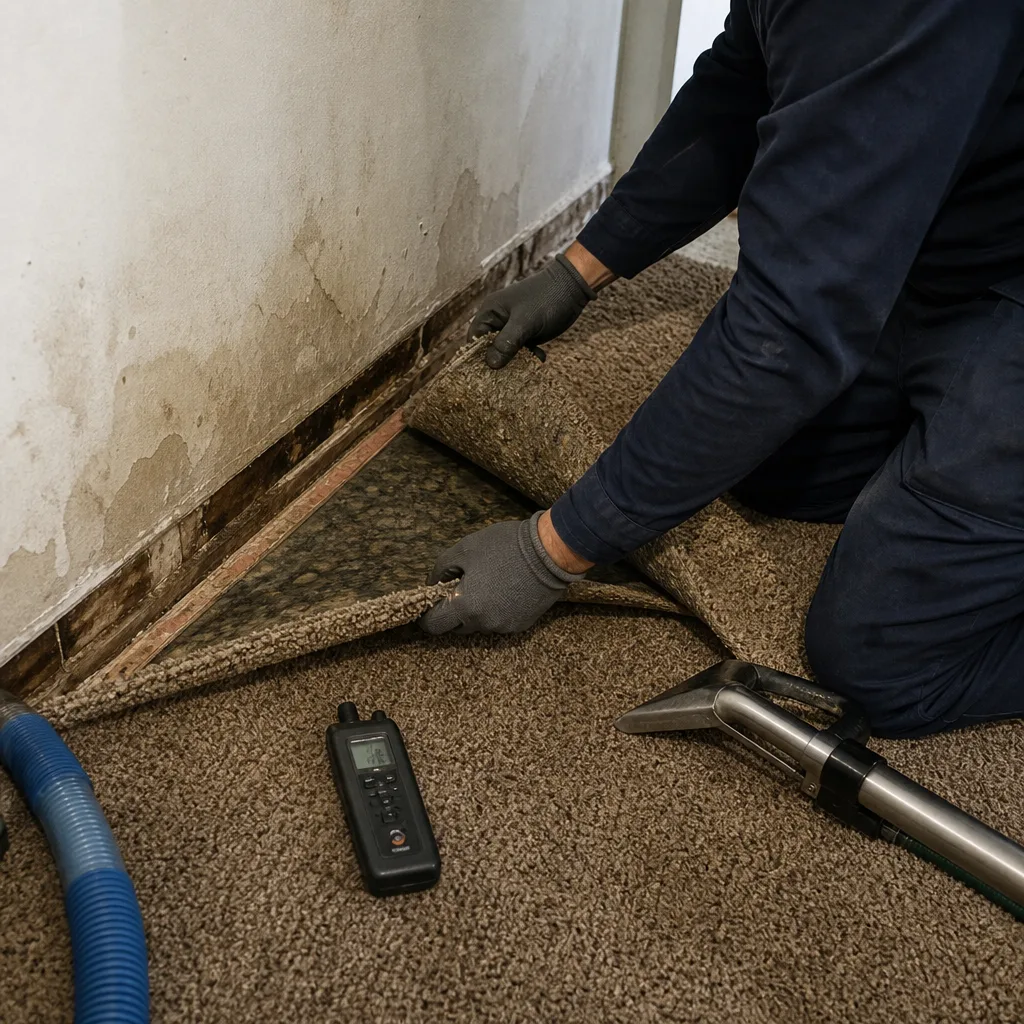
Contents Cleaning & Pack-Out
Furniture, clothing, dishes, family photos. We inventory, pack, and move contents to our facility for cleaning and storage during restoration. In Lyndhurst homes where every square foot of basement is finished, pack-out often frees enough space to get equipment running properly. Every item gets a documented chain of custody that your adjuster can follow.
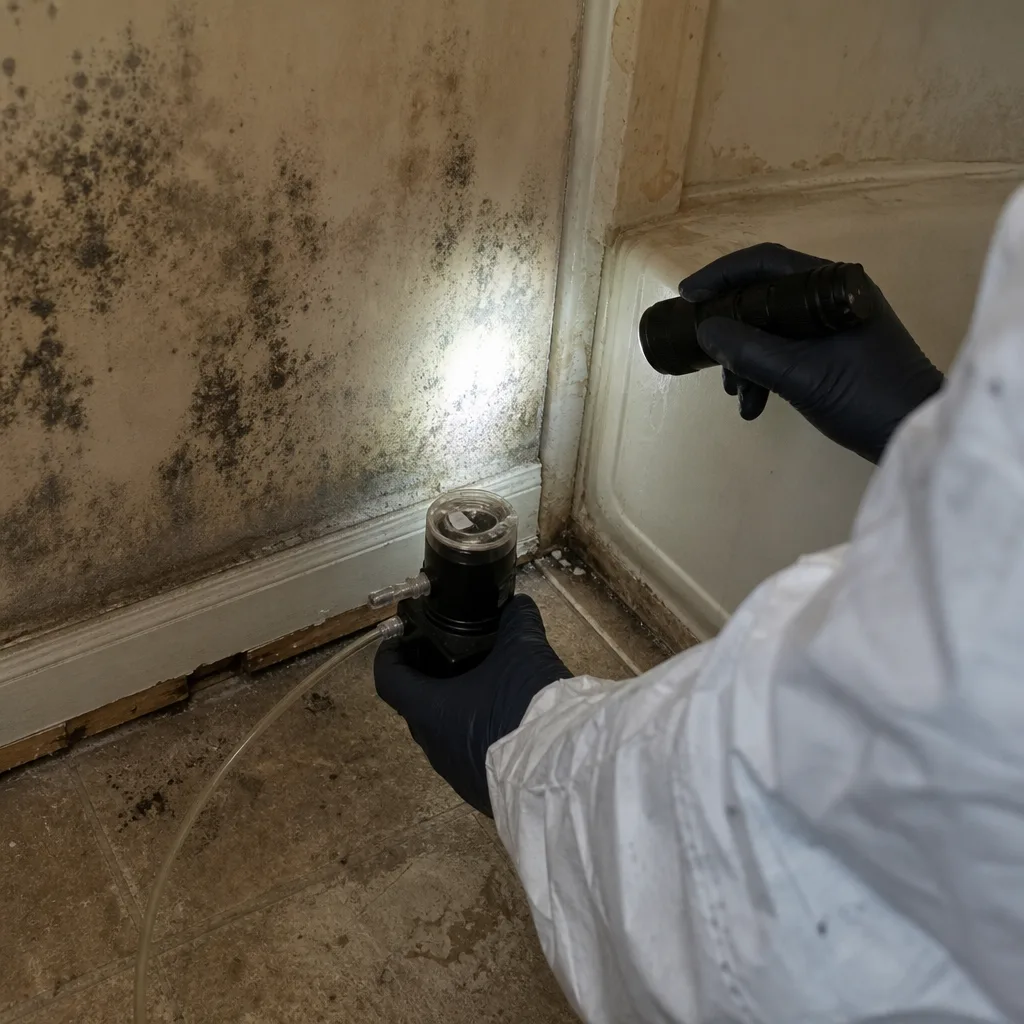
Emergency Board-Up & Tarping
After a fire, an open window is an invitation to weather, animals, and trespassers. We board up and tarp openings the same visit we assess. Lyndhurst gets real wind off the Meadowlands, and a tarp that isn’t fastened properly will be gone by morning.
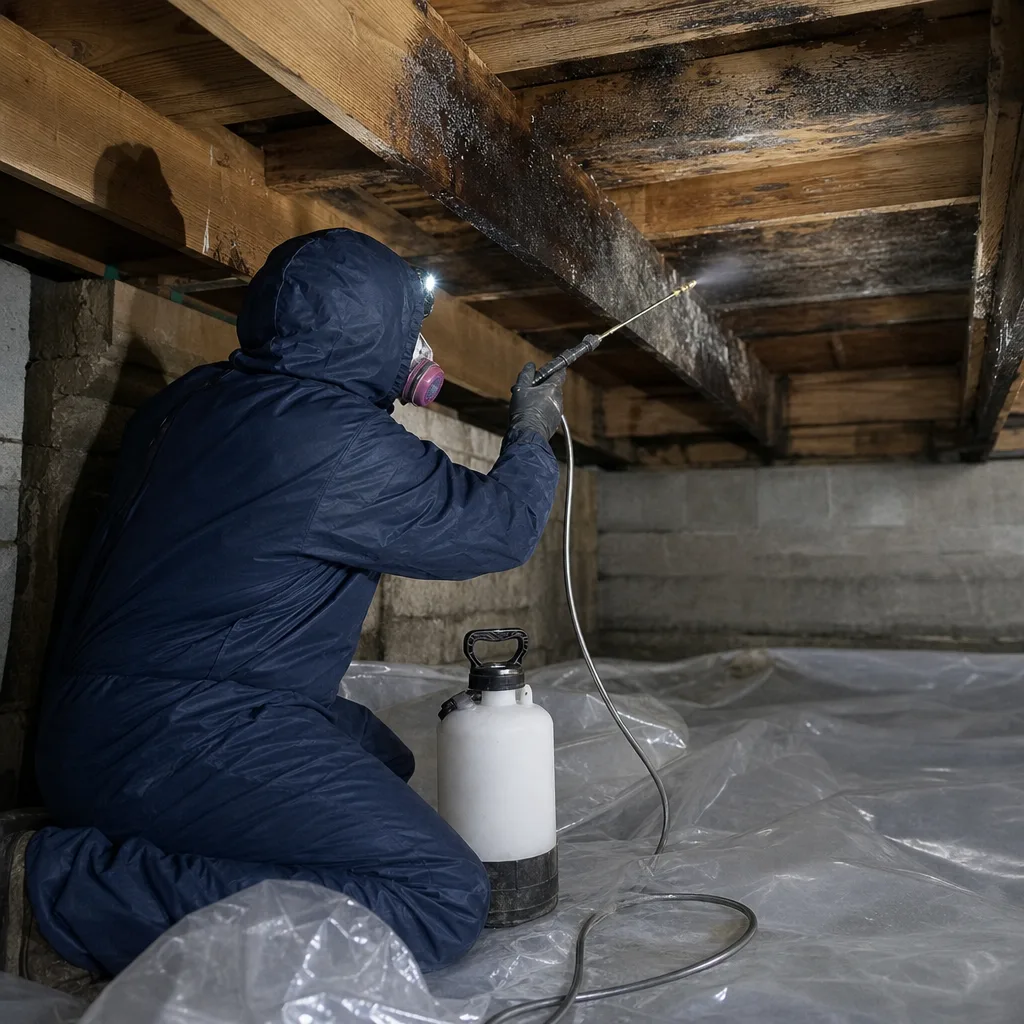
Structural Fire Repair
When joists, rafters, beams, or foundation walls are charred or water-weakened, this crosses from cleanup into reconstruction. Our crews repair and replace structural framing, sister joists where engineering allows, and rebuild walls and floors to current code. In Lyndhurst’s older homes, especially those with prior flood damage near the river, we factor in what the township’s building department will require during inspection. A 50% substantial-improvement trigger is a live concern on multiple-claim properties.
What happens when you call
- 1
A real person answersNo phone trees - you reach a local pro.
- 2
You get an upfront price rangeHonest numbers before anyone is dispatched.
- 3
A background-checked tech heads outLicensed & insured, dispatched right away.
- 4
You approve before work beginsNothing starts until you say go.
Fire & Smoke Damage Restoration Costs in Lyndhurst, NJ
Lyndhurst fire restoration costs track the age and condition of the house, not just the size of the fire. A contained stove fire with light soot across one room often runs $1,800 to $4,500 for cleaning, deodorization, and minor drywall repair. A kitchen fire that requires structural drying, cabinet replacement, and full odor treatment typically lands between $8,000 and $18,000. A basement fire with fire department water in a block foundation, where we’re also handling groundwater intrusion and mold pressure, can run $15,000 to $35,000+ depending on finish level and structural scope.
Insurance covers most fire losses, less your deductible. What moves the number: square footage affected, smoke travel through ducts, whether contents need pack-out, and whether pre-existing flood damage complicates the claim. We hand you a written, line-item scope before work starts, and we never bill surprises. If you’re in Lyndhurst and staring at soot on your ceiling right now, call (201) 762-0667 for a free visual inspection. The estimate path is straightforward and it starts with a real person answering the phone.
Need Emergency Fire & Smoke Damage Restoration in Lyndhurst Now?
Crews minutes away, answering live 24 hours a day. The sooner we start, the less it costs.
We Also Serve Cities Near Lyndhurst
Our crews cover the surrounding Bergen County area daily: North Arlington and Rutherford, East Rutherford with its rail and warehouse mix, and Carlstadt to the northeast. If you’re just outside Lyndhurst and dealing with fire or smoke damage, call the same number. We’ll tell you honestly whether we’re the right crew for your address.
Lyndhurst Fire & Smoke Damage Restoration Questions, Answered
How does Lyndhurst’s high water table affect smoke and soot cleanup after a fire in a basement with an old block foundation?
The high water table means the basement may be actively weeping groundwater while firefighters are still on scene, so soot-contaminated water mixes with incoming groundwater and spreads farther than the fire area alone would suggest. We treat fire-suppression water as Category 2 due to soot and char, then check the block walls and slab with moisture meters to see whether groundwater is adding to the load. If it is, we set extraction and drying equipment and monitor daily until the space hits its dry standard. Call (201) 762-0667 and we’ll assess it in person.
Do Lyndhurst fire restoration jobs require different documentation when the property has prior FEMA repetitive-loss claims?
Yes. Properties near the Passaic River that carry prior flood claims need us to photographically separate current fire and suppression damage from pre-existing flood scarring, water stains, foundation efflorescence, and older mold. We document with dated photos, room-by-room moisture readings, and a written narrative of what the fire caused versus what the river already did. That documentation goes to your adjuster directly, and it has kept many Lyndhurst homeowners out of claim disputes. We answer at (201) 762-0667 24/7.
What does structural fire repair look like in Lyndhurst homes built in the 1920s-1950s with original poured-concrete foundations?
Structural fire repair in these homes means first assessing charred joists, beams, and subfloor for actual strength loss, then determining whether the concrete foundation wall has fire spalling or water intrusion damage. We sister joists where engineering allows, replace the ones that can’t carry load, and repair wall framing with materials that meet current Bergen County code. The 50% substantial-improvement rule can trigger rebuild requirements on homes with multiple prior flood claims, so we keep the scope honest and documented. For a written scope, call (201) 762-0667.
How do you handle odor removal in a Lyndhurst two-family home where smoke traveled through shared walls into an adjacent unit?
We seal and pressure-manage the affected unit, then trace smoke migration through shared wall cavities, floor assemblies, and attic spaces. In Lyndhurst’s 1920s-1950s two-families, those cavities often connect more openly than owners realize. We set HEPA air scrubbers in both units, treat shared cavities with hydroxyl or thermal fogging where safe, and monitor air quality until the odor signature is gone, not just masked. Call (201) 762-0667 and we’ll walk both sides of the building with you.
After a fire in Lyndhurst, why is structural drying critical even if the fire was contained to one floor?
Because the water used to put the fire out travels down through floor cavities, wall chases, and into the basement, which in Lyndhurst sits on a high water table that already keeps foundation materials damp. Wet drywall and wood framing hidden behind wallpaper or wood paneling will grow mold within 48 to 72 hours. Structural drying with air movers and dehumidifiers, monitored by daily moisture logs, is what separates a two-week cleanup from a full basement gut. Estimates are free at (201) 762-0667.
How fast can someone actually get here after I call?
Our goal is a certified crew on-site in Lyndhurst within 45 minutes of your call. A live dispatcher answers at (201) 762-0667 no matter the hour, confirms your address, and gets the nearest crew moving. Evening and weekend calls are not routed to voicemail; they’re routed to a person with a dispatch board.
Will insurance cover fire and smoke damage restoration in Lyndhurst?
Most homeowners policies cover fire loss, smoke damage, and the water used to extinguish the fire, minus your deductible. The caveat in Lyndhurst is pre-existing flood damage on repetitive-loss properties, which insurers may try to exclude from the current claim. Our photo documentation and moisture logs separate the two so your fire claim isn’t reduced by a prior flood claim. We bill carriers directly and coordinate with your adjuster from day one.
What should I do in the first 30 minutes after a fire in my Lyndhurst home?
Call us at (201) 762-0667. If it’s safe to enter, open windows to vent smoke, but don’t wipe soot off walls or run your home HVAC system, and don’t plug in or run anything electrical until it’s inspected. Soot wipes often grind residue deeper into paint and plaster. We’ll walk you through what to do on the phone while a crew routes toward Lyndhurst. Board-up and initial assessment start on the first visit.
Serving Lyndhurst, NJ - Our Local Coverage Area
We’re based in the Lyndhurst area and know this community well. Use the map below to see our service coverage - if you’re nearby, we can almost certainly help.
Call Floodline Restoration Co. for Fire & Smoke Damage Restoration in Lyndhurst
You’re not looking for a sales pitch. You’re looking at soot on a wall in a house you’ve lived in for twenty years, and you need to know who’s coming, what it’ll cost, and whether they’ll get it right. We answer the phone with a person, we give you a written scope before any work starts, and we stand behind the job with our 90-Day Done Right Promise, the Keystone Standard. It means if it’s not done right, we make it right, in writing.
Lyndhurst is a township where the river and the Meadowlands and the age of the homes all play a part in how a fire cleanup goes. We’ve done this work here, on streets near the Passaic where the basement never really dries, and in two-families where smoke traveled through walls into the unit next door. Call (201) 762-0667 for a free estimate. A live dispatcher is standing by, and a crew will be on the way.
Written by Curt Bowman, Owner at Floodline Restoration Co., serving Lyndhurst and surrounding Bergen County since 2010.