

Free visual inspection and a written scope of work before any mitigation begins - photos, moisture readings, and drying logs go in your claim file
The scope we write is the scope we bill. Anything new gets shown to you, in writing, before we touch it.
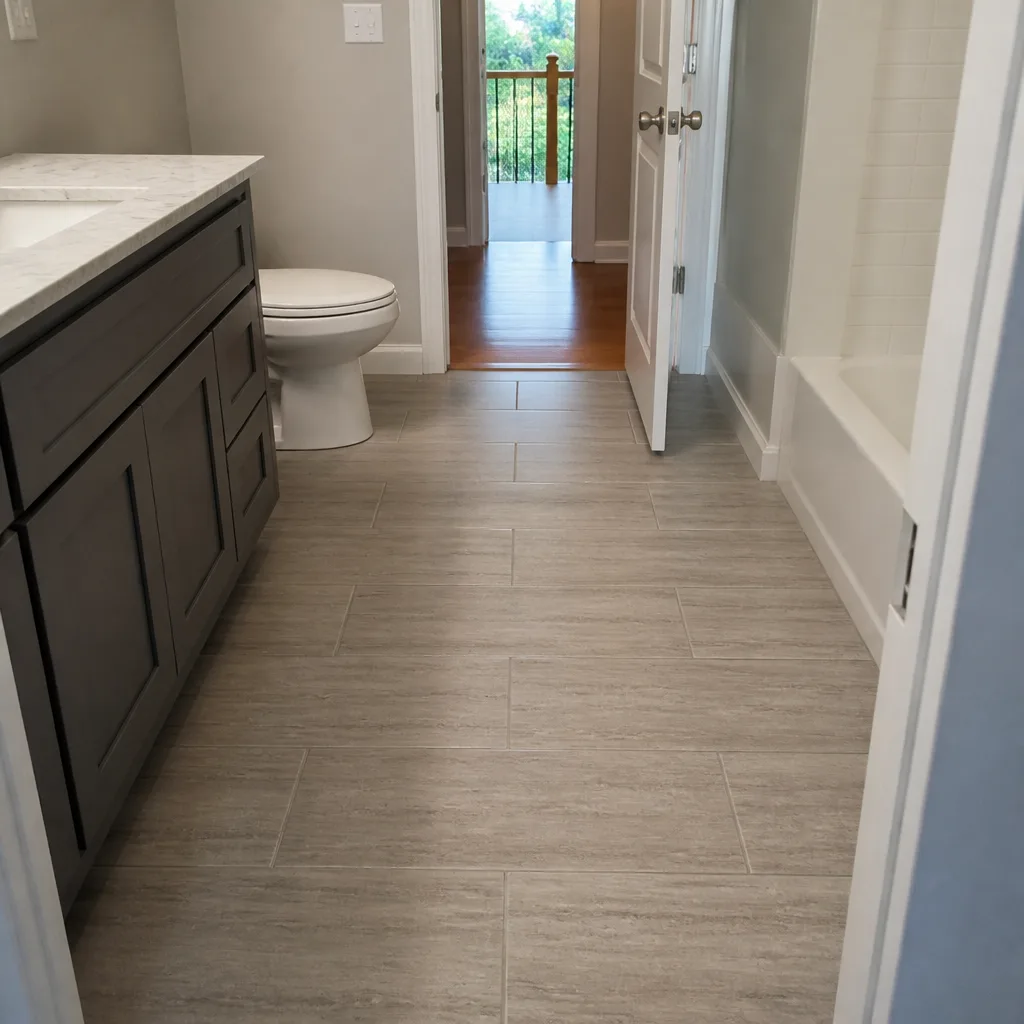
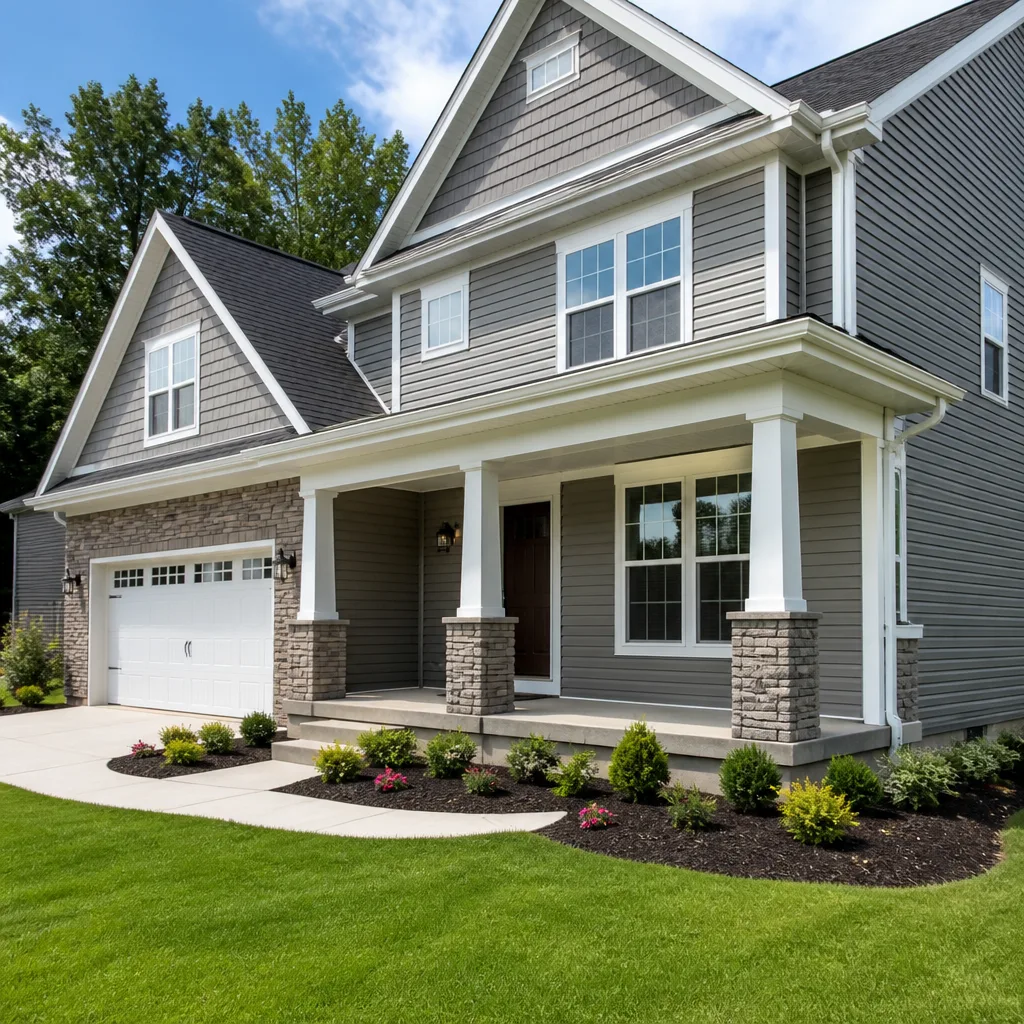
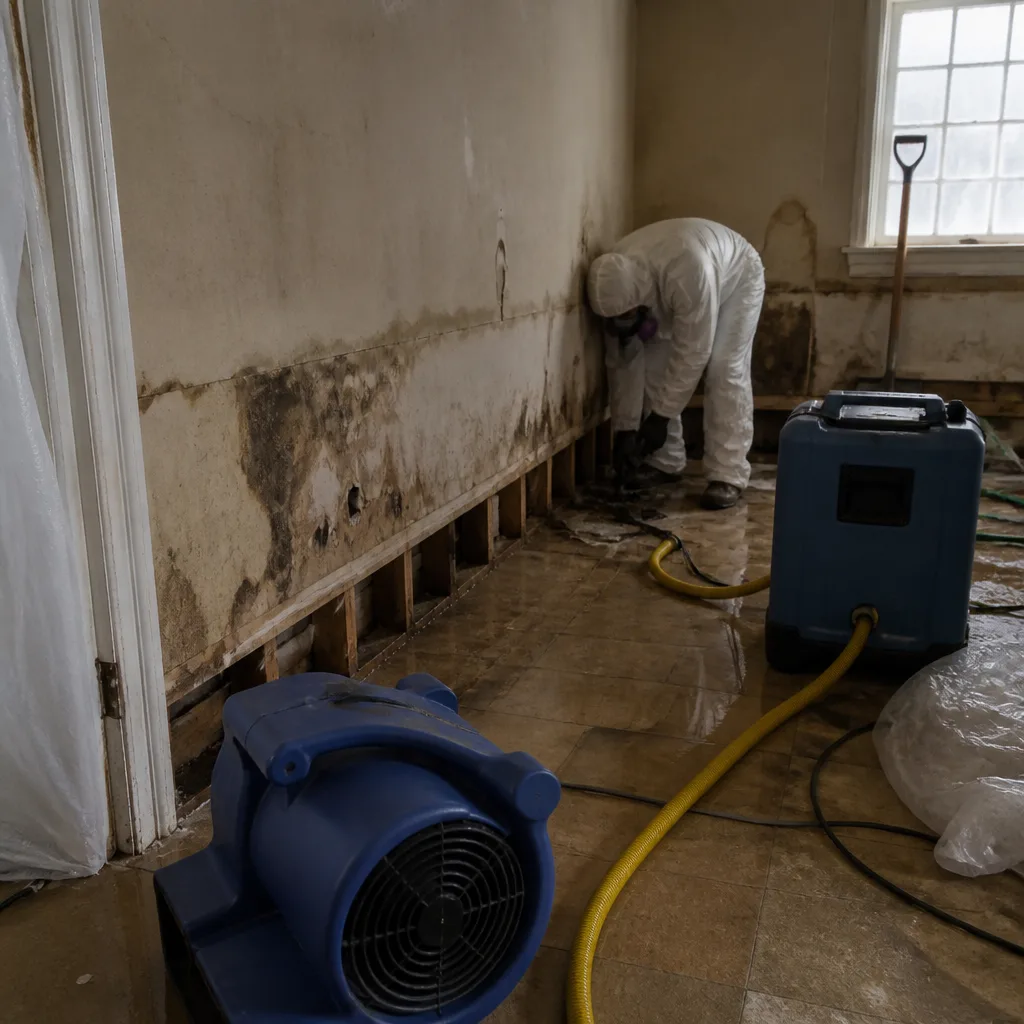 Before
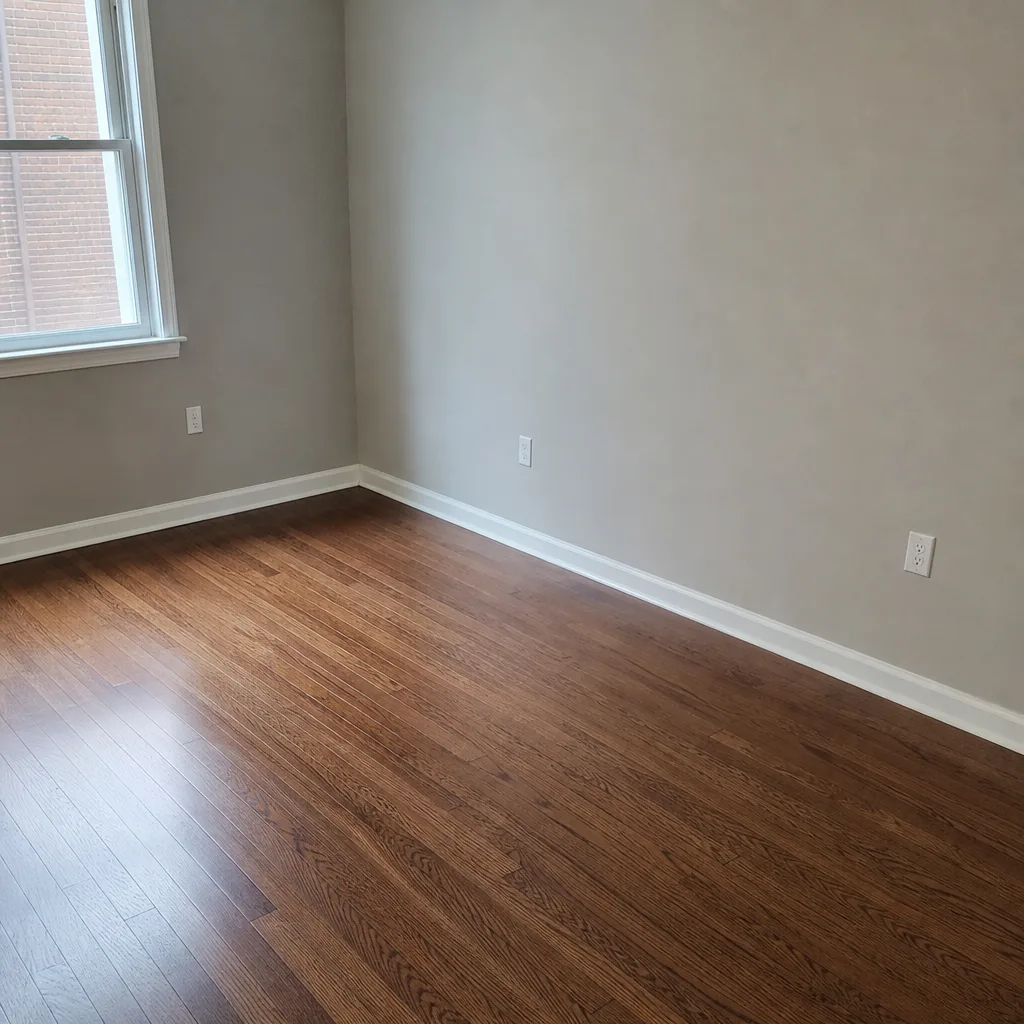 After
After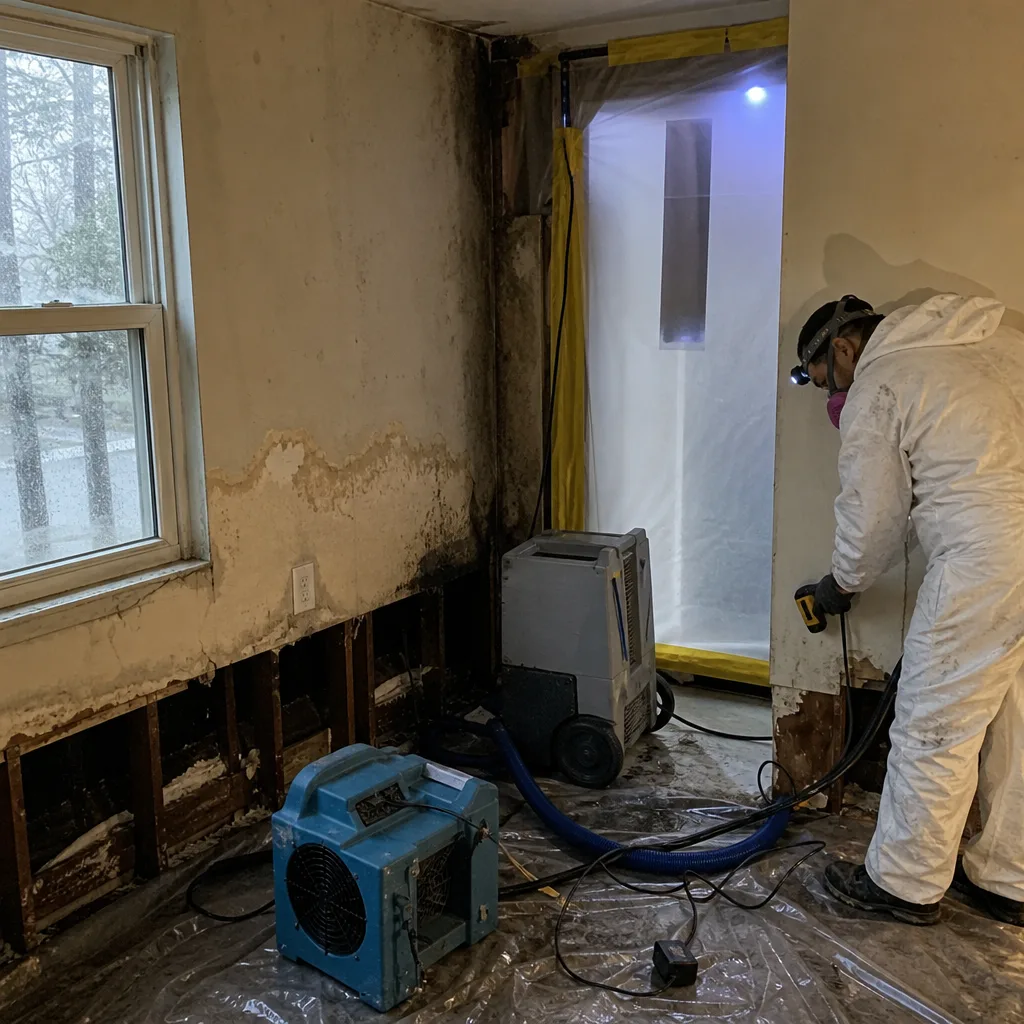 Before
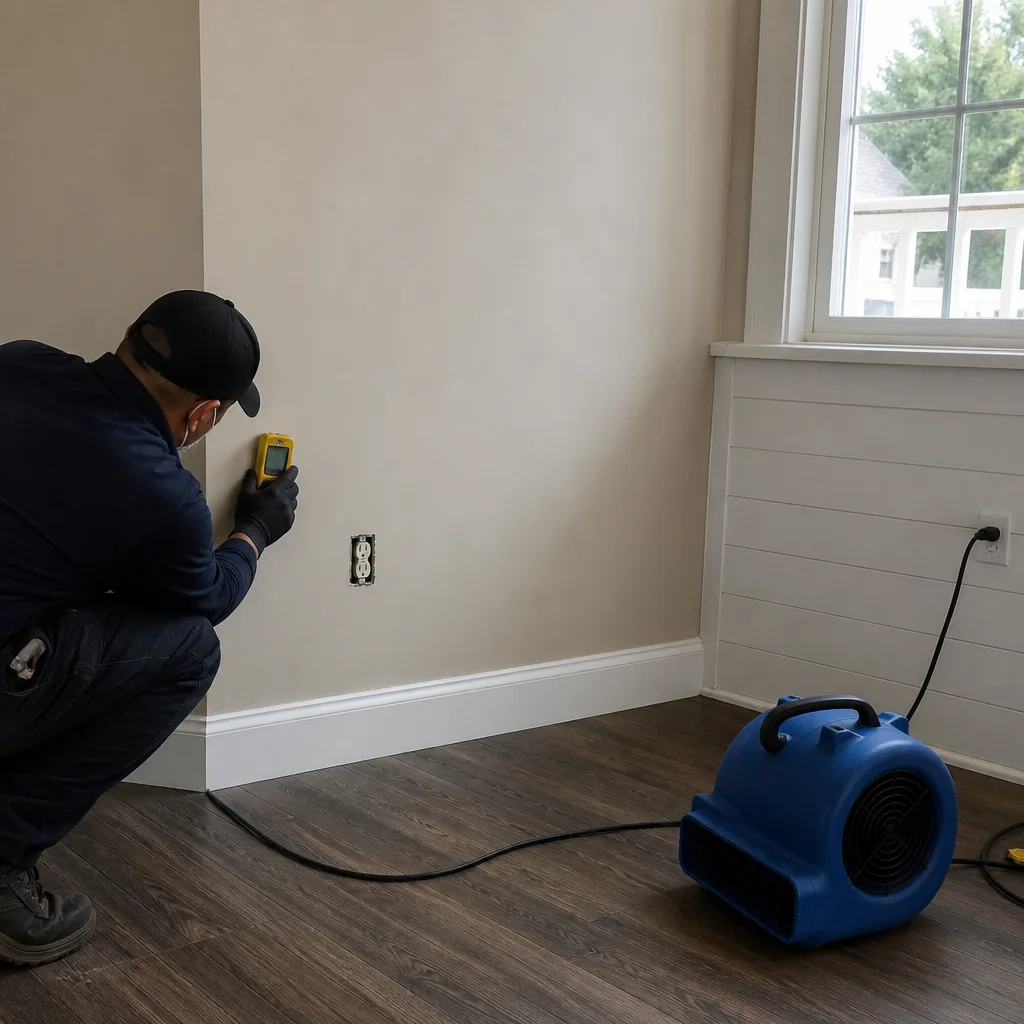 After
After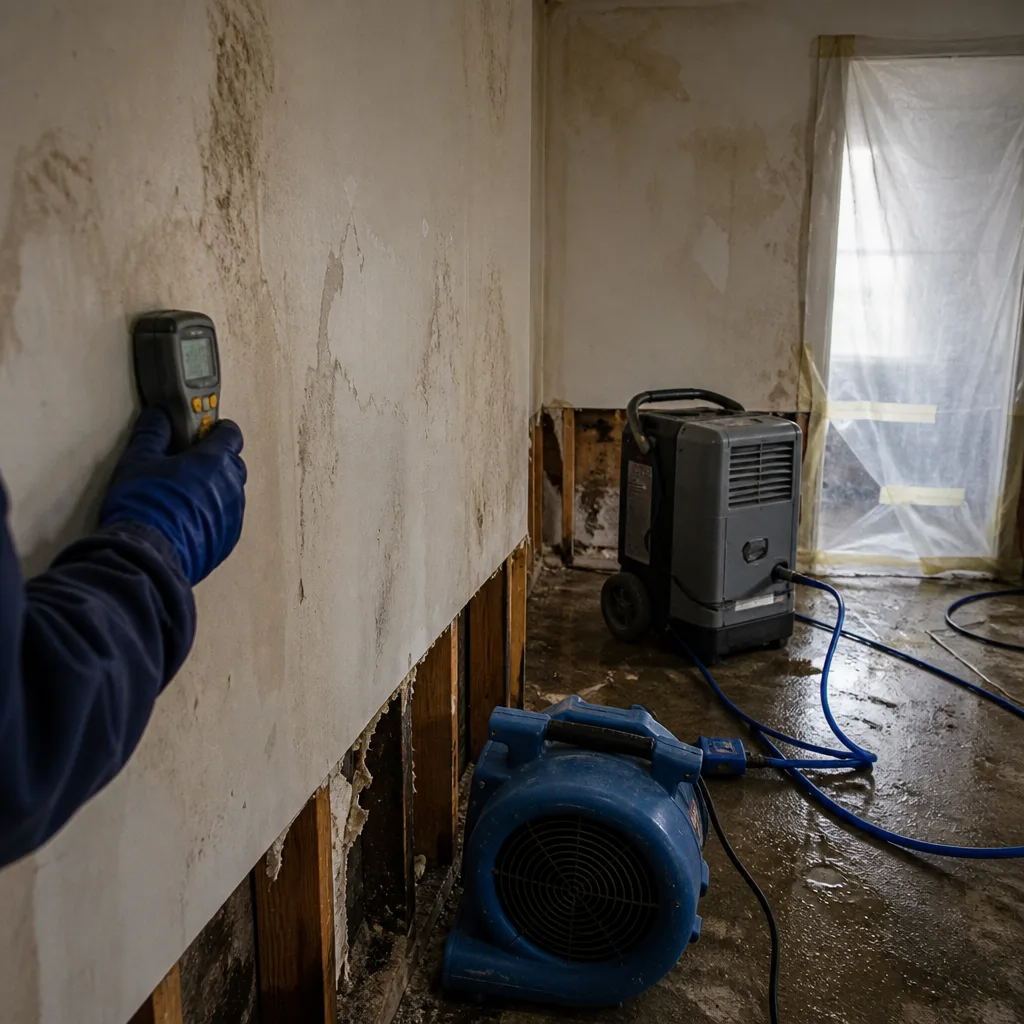 Before
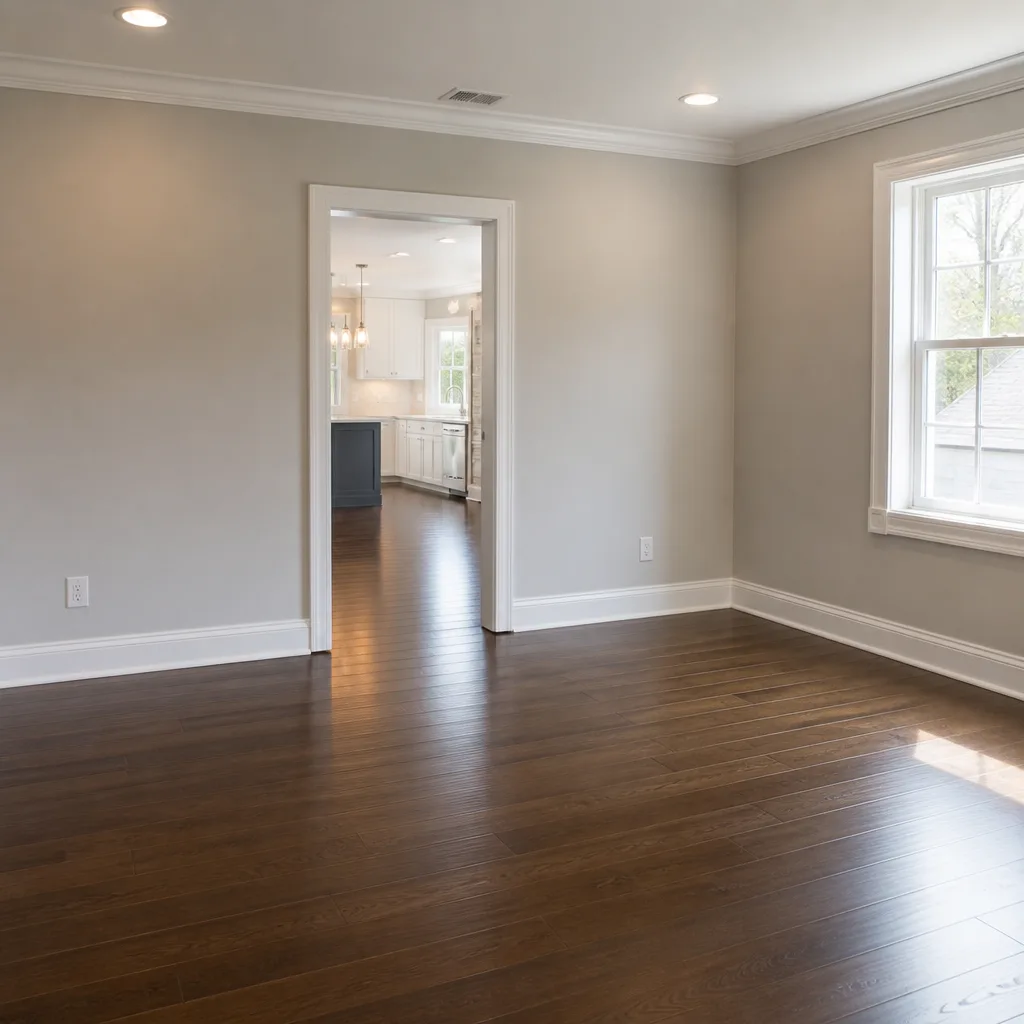 After
After24/7 Emergency Reconstruction & Cleanup in Ridgefield
When a Ridgefield basement floods or a fire tears through a kitchen on a Friday night, you need a crew that picks up the phone. We do, every hour of every day. Our Reconstruction & Cleanup teams are minutes from Ridgefield’s residential blocks, and we dispatch inside 45 minutes of your call. The first hour after water or fire damage decides how much of your home can be saved, how much the rebuild will cost, and whether mold ever gets a foothold. Don’t wait for the damage to spread. Call Floodline Restoration Co. at (201) 762-0667 and speak to a live dispatcher, not a recording.
The line the water left on your wall is where we start. We handle the full cycle, from first extraction to finished drywall and paint. No mid-job handoff. No inherited crew you’ve never met. One team, one written scope, one accountable name.
Understanding Reconstruction & Cleanup Severity in Ridgefield Properties
Not all water damage in Ridgefield is the same, and the borough’s older housing stock makes the distinctions matter more. We classify water by contamination level. Category 1 is clean supply water from a burst pipe. Category 2 carries detergents or mild contaminants. Category 3 water contains sewage, ground runoff, or standing water that has sat long enough to breed bacteria. In Ridgefield’s lower-lying western sections near the Meadowlands, what starts as Category 1 groundwater intrusion frequently degrades to Category 3 within 48 hours as soil organisms and drain backups mix in.
That classification drives the entire reconstruction plan. Category 3 requires cutting out saturated drywall, treating framing with antimicrobial, and often replacing carpet and pad outright, never just drying it. In a 1950s Cape Cod off Shaler Boulevard, our crew found a finished basement where groundwater had wicked through block walls and soaked drywall and carpet. Because the water had been in contact with exterior soil, we treated it as contaminated, cut out the wallboard above the waterline, and rebuilt with mold-resistant board after structural drying. The homeowner’s insurance carrier accepted the classification based on moisture mapping and photo documentation we provided from hour one.
Ridgefield’s post-WWII colonials and Capes, most built between 1940 and 1965, hide compounding issues behind original walls. Old cast-iron drain stacks crack quietly. Original sump pits sit too high or run on undersized pumps. Minimal exterior waterproofing lets hydrostatic pressure do its work over decades. A single flood event often uncovers two or three failures that would have stayed hidden in a newer, higher-elevation home.
Why Ridgefield Property Owners Choose Floodline Restoration Co.
- 45-minute response commitment: When you call from Ridgefield, a uniformed crew is dispatched immediately and typically reaches your door within 45 minutes. We’ll be there when we say.
- Live answer, 24/7: A real person picks up at 2 a.m. Nobody waits on hold. Nobody leaves a message. The dispatcher knows Ridgefield’s streets and starts your file on that first call.
- IICRC-certified crews: Our technicians hold WRT, FSRT, and AMRT certifications and work to IICRC, RIA, and IFA standards. They read moisture maps, not guesses.
- Free visual inspection: We walk the damage with you, explain what we see, and put a written scope in your hands before any work starts. A square deal: no surprises on the bill.
- Direct insurance billing: We bill your carrier directly and document everything your adjuster needs. You never play messenger between us and the insurance company.
- One team, start to finish: The same certified crew that extracts and dries your basement also hangs the drywall, lists the trim, and rebuilds the finished space. Done right, and backed in writing.
The 90-Day Done Right Promise, our Keystone Standard, states plainly: if it’s not done right, we make it right. In writing. No paperwork battles, no arguing. Curt Bowman founded this company in 2010 on that principle, and it is still the first thing we hand a Ridgefield homeowner after a completed job.
Our Reconstruction & Cleanup Process
Inspection & Assessment
We arrive with thermal imaging cameras and moisture meters. We map the full extent of water intrusion behind walls and under flooring, identify whether you’re dealing with Category 1, 2, or 3 water, and measure how far saturation has climbed above the waterline. In Ridgefield’s flood-zone blocks, we also check exterior grading and drain function, because the fix has to address where the water came from, not just where it ended up.
Extraction & Stabilization
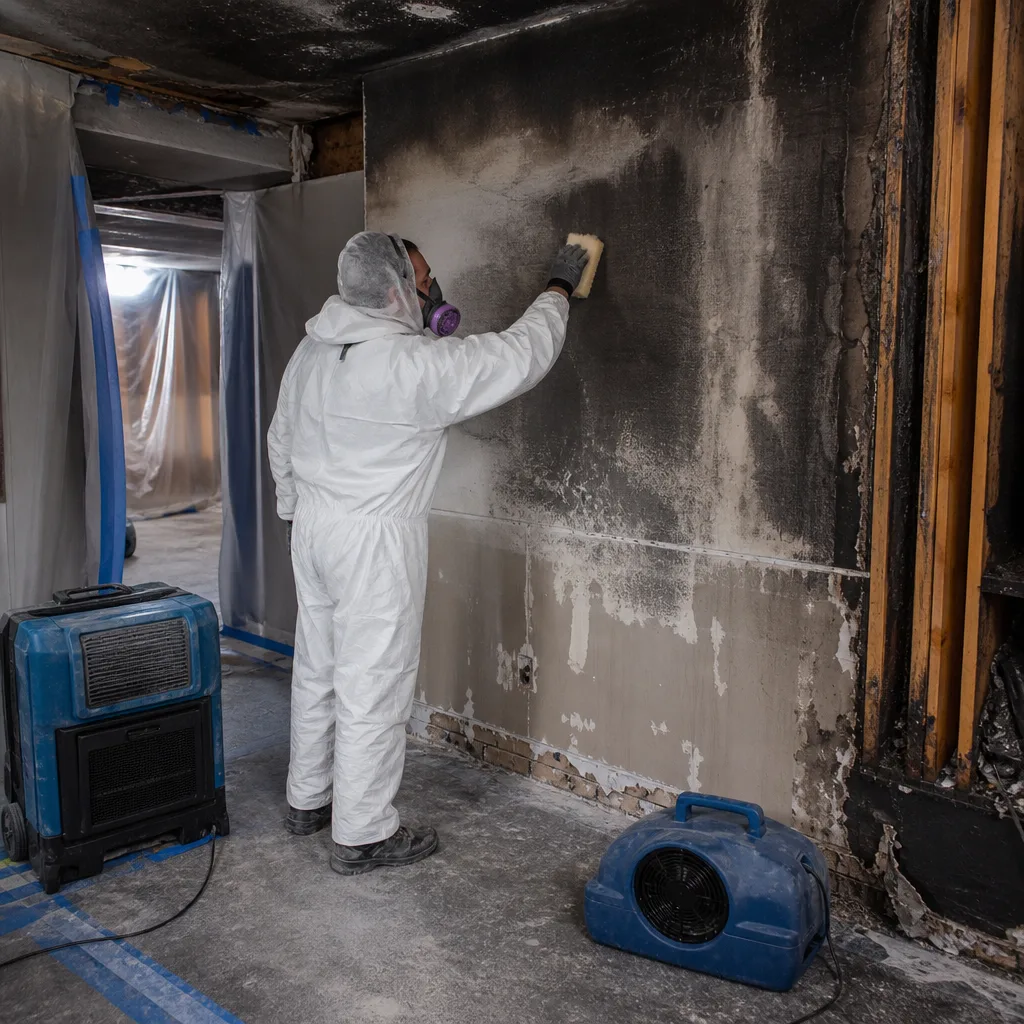
Truck-mounted extraction removes standing water fast. We then isolate affected areas with containment and negative air pressure to keep mold spores, soot, or contaminated dust from moving into the rest of the house. Damaged drywall, carpet, and insulation get cut out and bagged for disposal.
Drying & Dehumidification
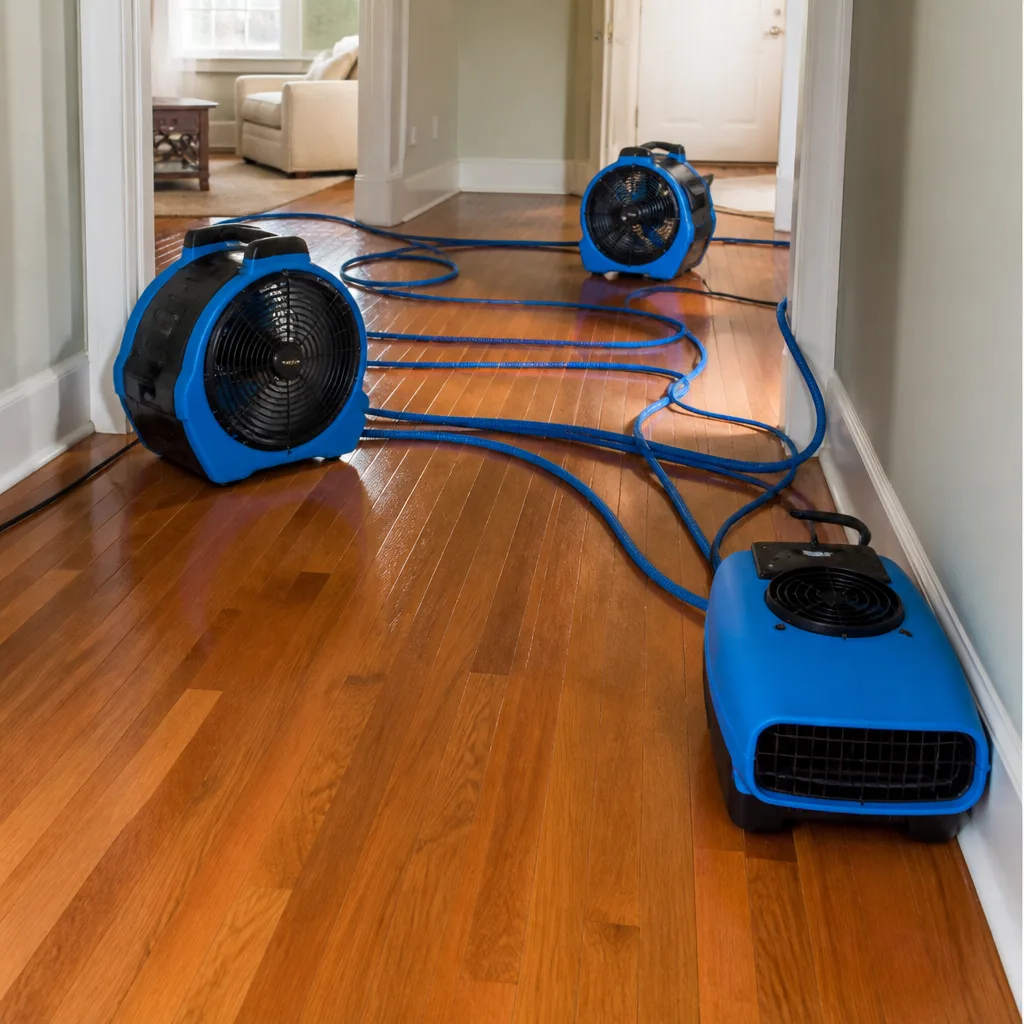
Professional-grade Dri-Eaz and Phoenix dehumidifiers and air movers create the airflow and vapor pressure differential that pulls trapped moisture out of framing, subflooring, and masonry. We log daily moisture readings with hygrometers until every affected material hits the dry standard. On Meadowlands-side basements, saturation takes longer, sometimes 5 to 7 days, because the exterior soil keeps feeding moisture back toward the foundation.
Cleaning & Sanitization
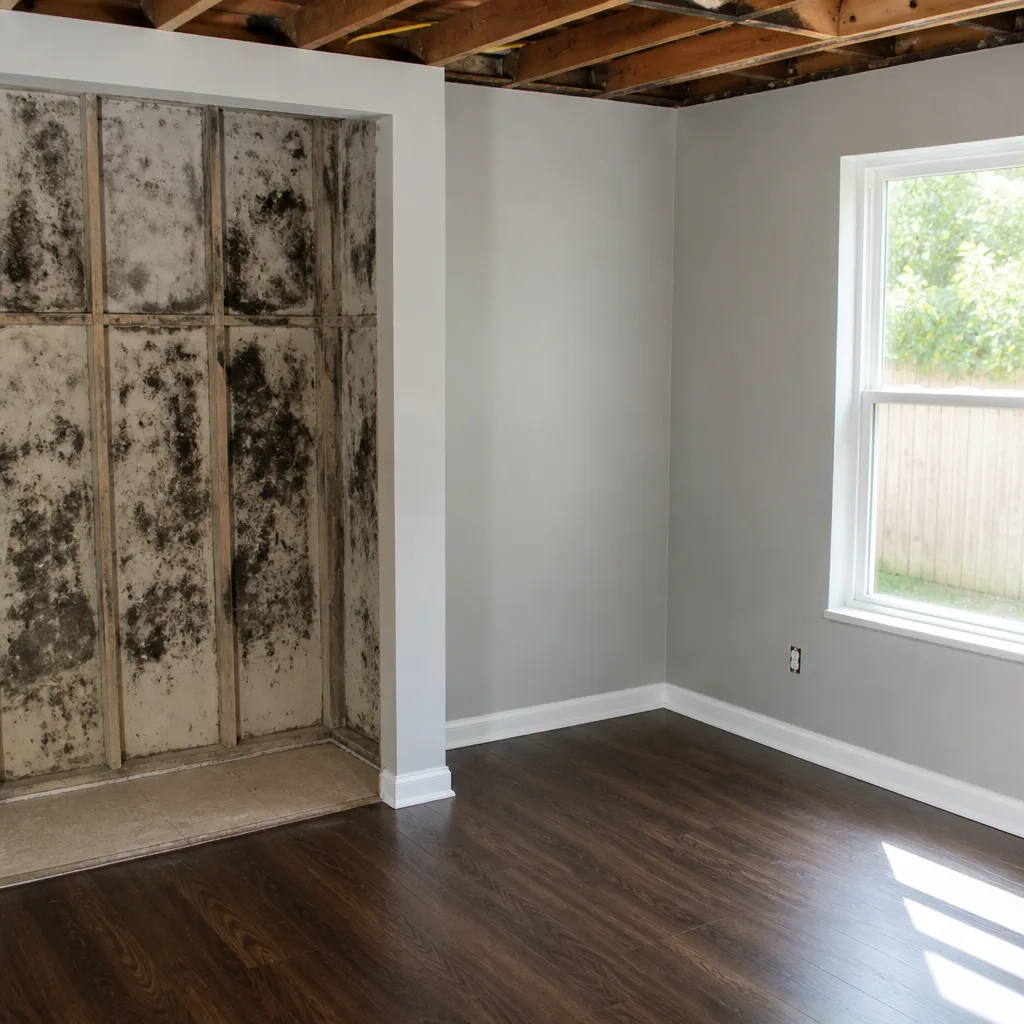
All affected surfaces get HEPA-vacuumed, scrubbed, and treated with antimicrobial where water classification requires it. We clean what can be saved. We remove what cannot. The goal is a structurally sound, biologically clean envelope ready for rebuild.
Specialty Treatment
For flood-zone work, this includes assessing hydrostatic pressure relief, exterior waterproofing recommendations, and sump-pit upgrades. Content restoration means pack-out, inventory, and off-site cleaning for salvageable belongings. For fire losses, we address soot residue types and smoke migration paths unique to Ridgefield’s older ductwork and wall cavities.
Repairs & Restoration
Full reconstruction: framing repairs, mold-resistant drywall, new insulation, flooring, trim, paint. We rebuild your basement, kitchen, or entire first floor to the written scope you approved. The final walkthrough happens with the moisture log in your hand and the 90-Day Done Right Promise signed.
Need Emergency Reconstruction & Cleanup in Ridgefield Now?
Crews minutes away, answering live 24 hours a day. The sooner we start, the less it costs.
Working With Your Insurance Company
We have walked hundreds of Bergen County claims to settlement. The carrier’s adjuster was not standing in your basement when the water came up through the floor at 3 a.m. We were. So we document from the first hour: photos of every affected surface, moisture readings before and after drying, a line-item scope that matches industry-standard estimating software, and a written narrative of what caused the loss and what it took to fix it. We deal directly with your adjuster, submit the paperwork, and bill your carrier. You do not play messenger.
For flood-zone reconstruction in Ridgefield, documentation is everything. A groundwater intrusion claim, especially on a property in the FEMA flood corridor, often requires proof of hydrostatic pressure as the root cause, not just a failed sump pump. Our crews note exterior saturation, evidence of water pushing through block walls, and post-remediation moisture readings that show the drying standard was met. We provide all of that to your insurer.
What We Provide Your Insurer
- Thorough documentation of the loss
- Photos of all damage, room by room
- Moisture readings and drying logs
- A detailed, line-item scope of work
- Direct coordination with your carrier
Built for Ridgefield’s Loss Calendar
Ridgefield’s damage calendar follows the Hackensack River watershed, not just the seasons. January and February deep freezes burst supply lines in unheated crawlspaces and exterior wall cavities across the borough. Supply lines in 1950s Capes often run through uninsulated sill plates. When a line lets go at 2 a.m., it floods the basement before you even hear it.
March and April bring snowmelt and spring rain. The water table under Ridgefield’s lower-lying parcels rises, and basements that stayed dry all winter start seeping through block-wall mortar joints. Older sump pits, many original to the house, cannot keep up. The water comes in slow, sits long enough to become Category 3, and by the time you find it the bottom two feet of finished drywall are soaked.
Summer thunderstorms hit fast. Ridgefield’s storm-drain system, like much of the older Meadowlands-adjacent infrastructure, can back up under heavy rainfall, sending water in through floor drains. Nor’easters in the fall and early winter saturate the soil for days before the rain even stops. Every one of these seasons produces reconstruction work in Ridgefield, and every one follows the same rule: the faster the response, the smaller the rebuild.
Reconstruction & Cleanup Across Ridgefield’s Neighborhoods
Ridgefield’s geography creates two very different reconstruction profiles, and our crews adjust for both. The blocks along Shaler Boulevard and downhill toward the Hackensack River and Meadowlands edge deal with groundwater intrusion. Homes here sit close to the water table, and basement flooding is a recurring, systemic condition, not a one-time accident. Any rebuild on this side of the borough without addressing hydrostatic pressure will fail again within a season or two. We see it repeatedly.
Up near the borough’s higher elevations, toward the Palisades side and the properties near the Ridgefield Nature Center area, the common calls are different: burst supply lines in winter, roof leaks from nor’easter wind-driven rain, and fire losses in older kitchens built before modern venting codes. The housing stock is still 1940s through 1960s, but the soil drains better and basements stay drier. Reconstruction here is more often about aging systems than rising groundwater.
The residential blocks around Slocum Avenue and the streets feeding Broad Avenue reflect the borough’s classic post-WWII fabric: Cape Cods and colonials with full basements, original cast-iron stacks, and ninety-amp electrical panels that complicate any rebuild. When water or fire damage opens walls in these homes, we regularly find knob-and-tube remnants or outdated plumbing that a 2026 reconstruction permit requires upgrading. That changes scope and timeline, and we tell you before the work starts, not after.
Down near the Meadowlands fringe and the industrial-adjacent streets, flood-zone permit requirements add a layer. Bergen County and FEMA rules for repair in designated flood zones may require elevation certificates, specific materials, and documentation that never comes up on higher ground in Palisades Park. Our Ridgefield crews know which properties fall in that boundary and what the paperwork requires.
Specialized Reconstruction & Cleanup Services We Offer in Ridgefield
Full-Service Reconstruction
We rebuild from the studs out. If your Ridgefield basement needs new drywall, insulation, framing, flooring, and trim after a flood, one crew handles all of it. No separate contractors. No handoff. The same team that dried the space rebuilds it, so no detail gets lost between companies. This is our Reconstruction & Cleanup team’s core work in the borough.
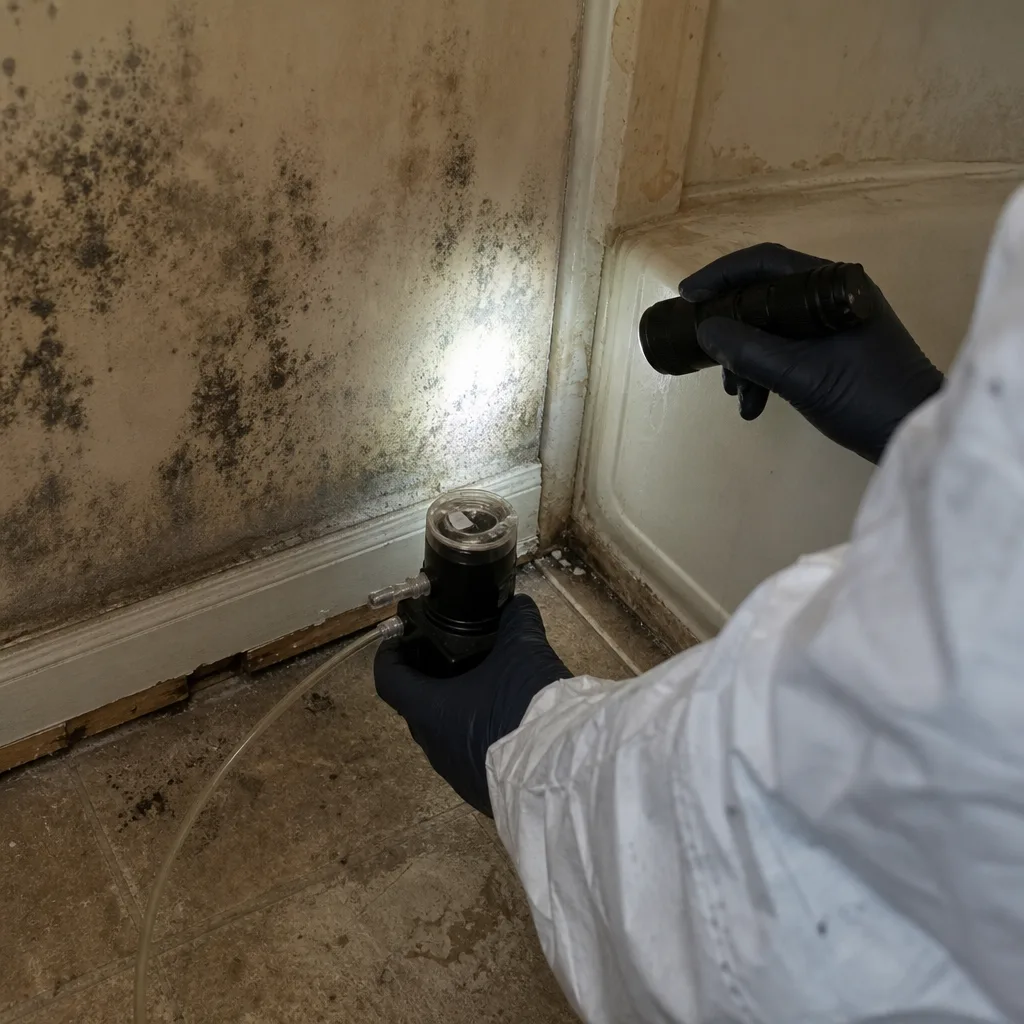
Drywall & Flooring Repair
Water-saturated drywall in a Ridgefield basement gets cut out above the visible waterline, typically 12 to 18 inches above the highest moisture reading. We use mold-resistant board on rebuilds in flood-zone properties. Flooring follows the same rule: solid hardwood can sometimes be saved with drying and refinishing. Laminate and carpet pad almost never survive Category 2 or 3 exposure. We tell you which applies to your property before demolition starts.
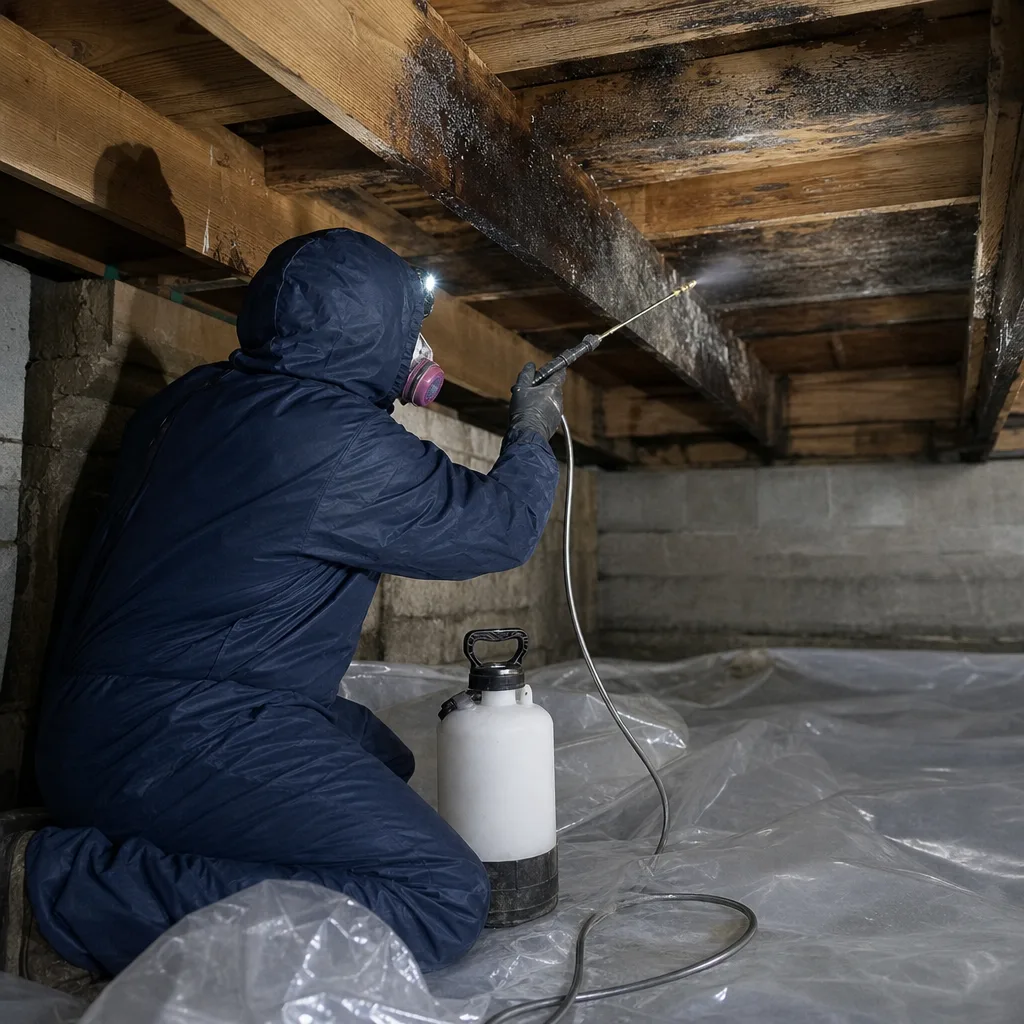
Contents Restoration & Pack-Out
When a hydrostatic flood contaminates a finished basement, the contents need the same attention as the structure. We inventory, pack out, and clean salvageable furniture, clothing, and personal items. Items that cannot be restored get documented for your claim with a clear disposition. You get a contents inventory that matches your insurer’s claim format.
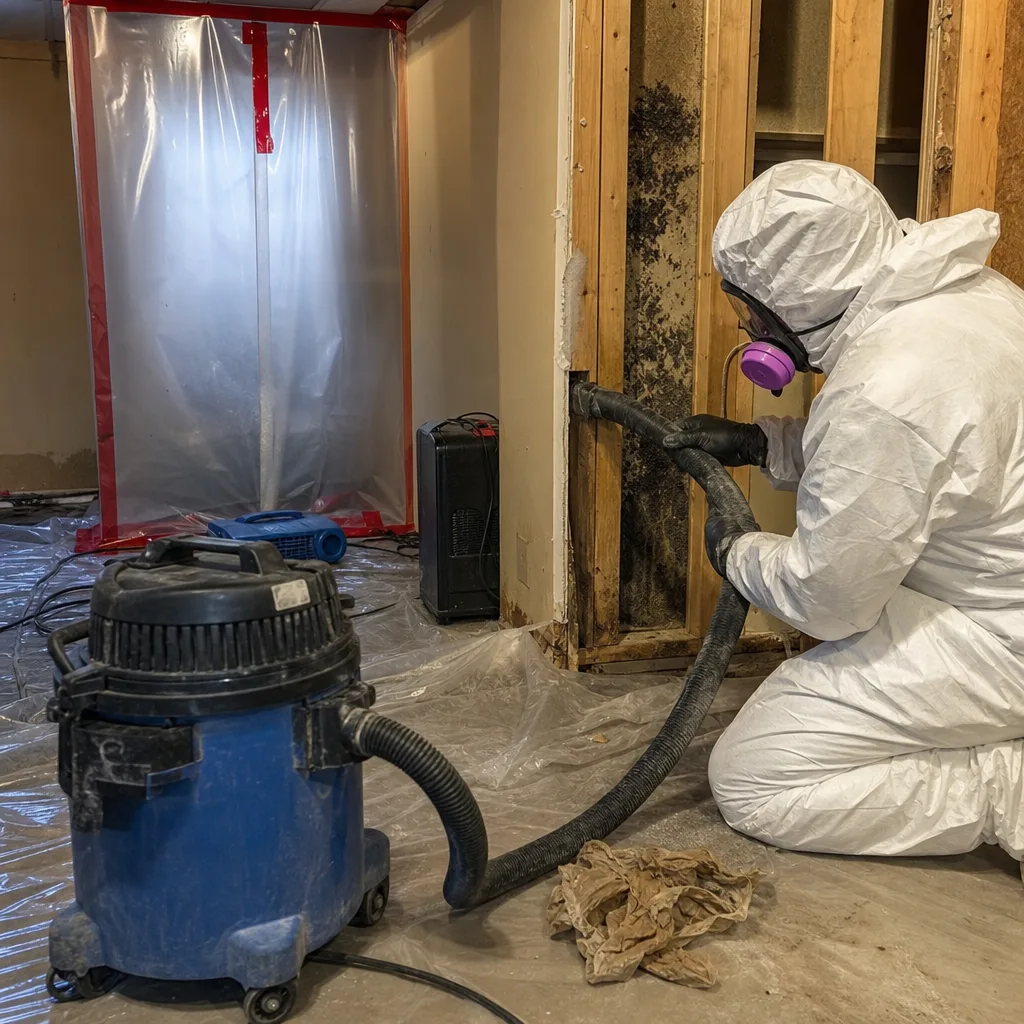
Carpet & Upholstery Cleaning
For Category 1 losses, professional hot-water extraction and drying can save wall-to-wall carpet and upholstered pieces. Category 2 or 3 means replacement in most cases, unless the item is a high-value piece worth specialized cleaning. We assess honestly. If it can be saved, we save it. If it cannot, we document it for your claim and haul it out.
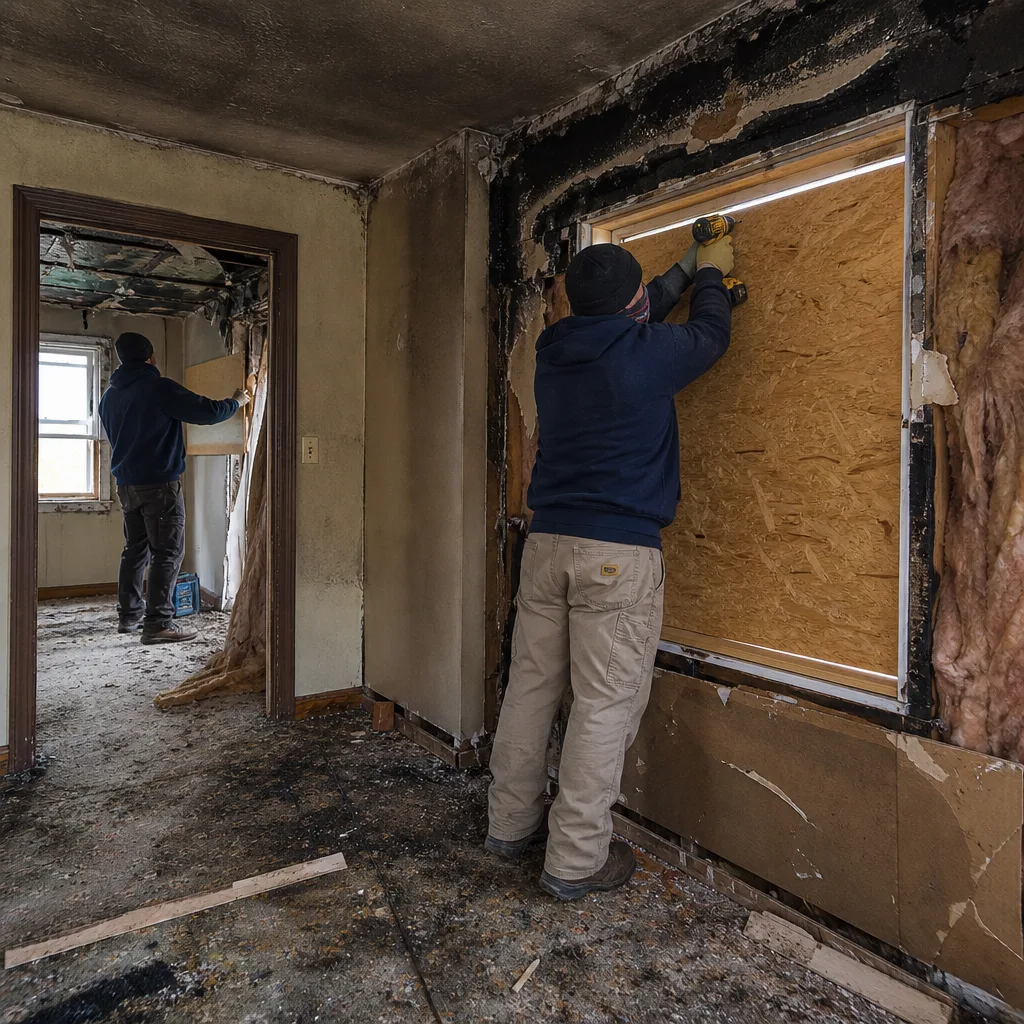
Post-Construction Cleanup
After any major rebuild, the dust is unreal. Drywall sanding dust, sawdust, and demolition debris settle into every corner of a Ridgefield house. We HEPA-vacuum, wipe down all surfaces, clean duct registers, and leave the space ready to live in, not just structurally rebuilt. The job is not done until you can walk barefoot on the new floor.
What happens when you call
- 1
A real person answersNo phone trees - you reach a local pro.
- 2
You get an upfront price rangeHonest numbers before anyone is dispatched.
- 3
A background-checked tech heads outLicensed & insured, dispatched right away.
- 4
You approve before work beginsNothing starts until you say go.
Reconstruction & Cleanup Costs in Ridgefield, NJ
Every Ridgefield job is priced from a written scope, not a guess. Small drywall and flooring repairs after a Category 1 pipe burst in a Cape Cod generally run $2,500 to $6,000. A full basement flood-out on the Meadowlands side, including cut-out, drying, antimicrobial treatment, rebuild with mold-resistant drywall, and new flooring, typically lands between $12,000 and $28,000 depending on square footage and finish level. Fire-damage reconstruction in an older colonial kitchen averages $18,000 to $45,000 when you include new framing, drywall, electrical, cabinets, and paint.
What moves the price in Ridgefield: water category, exposure time, whether demolition hits asbestos or outdated electrical, flood-zone permit compliance, and exterior waterproofing scope. Insurance covers most covered perils. Groundwater intrusion in a flood zone is a separate flood-insurance question, and we help you make that call with your carrier. The free visual inspection produces a firm, line-item scope before any money changes hands.
We Also Serve Cities Near Ridgefield
Floodline Restoration Co. crews serve the boroughs around Ridgefield daily: Moonachie and North Bergen, where Meadowlands water-table issues mirror Ridgefield’s lower blocks; Secaucus, with its own flood-corridor concerns; and Weehawken, on the Palisades slope. If you live in any of these towns and need reconstruction or cleanup, call the same live line, 24/7.
For a closer look at how we serve this specific area, see Ridgefield.
Serving Ridgefield, NJ - Our Local Coverage Area
We’re based in the Ridgefield area and know this community well. Use the map below to see our service coverage - if you’re nearby, we can almost certainly help.
Ridgefield Reconstruction & Cleanup Questions, Answered
Why does Ridgefield’s Meadowlands-side basement keep flooding even after we pumped it out?
Because hydrostatic pressure, not standing water, is the actual problem. When the soil around your foundation is saturated, groundwater pushes against the block walls and finds every crack, joint, and porous spot. You pump the floor dry, and within hours the same water pushes back through. The fix requires exterior waterproofing, proper drainage, and often a sump-pit upgrade, done as part of the reconstruction plan, not after it.
Do old cast-iron drain stacks in 1950s Ridgefield homes increase classification to Category 3 water?
Yes, often. Original cast-iron stacks in 1940s and 1950s homes crack at the joints over decades. When a flood event backs sewage up through a cracked stack, or when latent cracks let sewage seep into wall cavities during reconstruction, the water classification jumps to Category 3. That means full containment, cut-out, and antimicrobial treatment, not just drying. We inspect stack condition on every older Ridgefield reconstruction job.
How long does structural drying take on a lower-lying Ridgefield basement after a nor’easter?
Longer than on higher ground. A standard basement drying job runs 3 to 4 days. In Ridgefield’s lower western blocks, where saturated Meadowlands soil keeps feeding moisture toward the foundation, drying commonly runs 5 to 7 days. We set that expectation early, log daily readings, and do not pull equipment until the dry standard is met, not just the schedule.
What should I document for a flood-zone insurance claim on a Ridgefield reconstruction job?
Start with photos before anyone touches anything. Document the waterline, the source of entry, exterior ground conditions, and any visible cracking in foundation walls. Keep receipts for any emergency mitigation. Then call us. We document moisture readings, create a photo log, and write a narrative that connects the damage to the covered cause. For flood-zone properties, proving hydrostatic pressure matters, and our documentation has satisfied carriers on dozens of Bergen County claims.
Can you pack out and restore contents from our basement when hydrostatic flooding has contaminated them?
Yes. We inventory everything, pack out salvageable items, and send them for appropriate cleaning based on water classification. Contaminated porous items, like upholstered furniture that sat in Category 3 water, are documented and disposed. Non-porous items and some textiles get cleaned and restored. Every item gets a line on the contents list your insurer receives.
How fast can you actually get to a Ridgefield house?
Within 45 minutes in most cases. Our dispatchers know Ridgefield’s streets, and crews are stationed close by. A live person answers the phone 24/7 and gets a truck moving on that first call. Call (201) 762-0667 and you’ll speak to someone who can dispatch immediately, not take a message.
Do I really need full reconstruction, or can you just dry and clean the basement?
That depends on water class and how long it sat. Category 1 water on concrete can often be dried and cleaned with no rebuild. Category 2 or 3 water in a finished basement, especially in Ridgefield’s older homes where drywall and insulation have been wet for more than 48 hours, almost always requires cut-out and rebuild. We show you the moisture map and explain why before any cutting starts.
Who are your technicians and what certifications do they hold?
Our crews are background-checked, uniformed, and certified to IICRC, RIA, and IFA standards. That includes WRT, FSRT, and AMRT certifications where the work requires it. We train apprentices into journeymen, we use professional-grade Dri-Eaz and Phoenix equipment, and we do not subcontract the work to unknown third parties.
If your Ridgefield home needs reconstruction after water, fire, or storm damage, call us at (201) 762-0667 for a free visual inspection and a written scope. A live dispatcher answers now. We’ll be there when we say, and we’ll stand behind the work in writing.
Written by Curt Bowman, Owner at Floodline Restoration Co., providing full-cycle reconstruction and cleanup to Ridgefield homeowners.