
Free visual inspection and a written scope of work before any mitigation begins - photos, moisture readings, and drying logs go in your claim file
The scope we write is the scope we bill. Anything new gets shown to you, in writing, before we touch it.
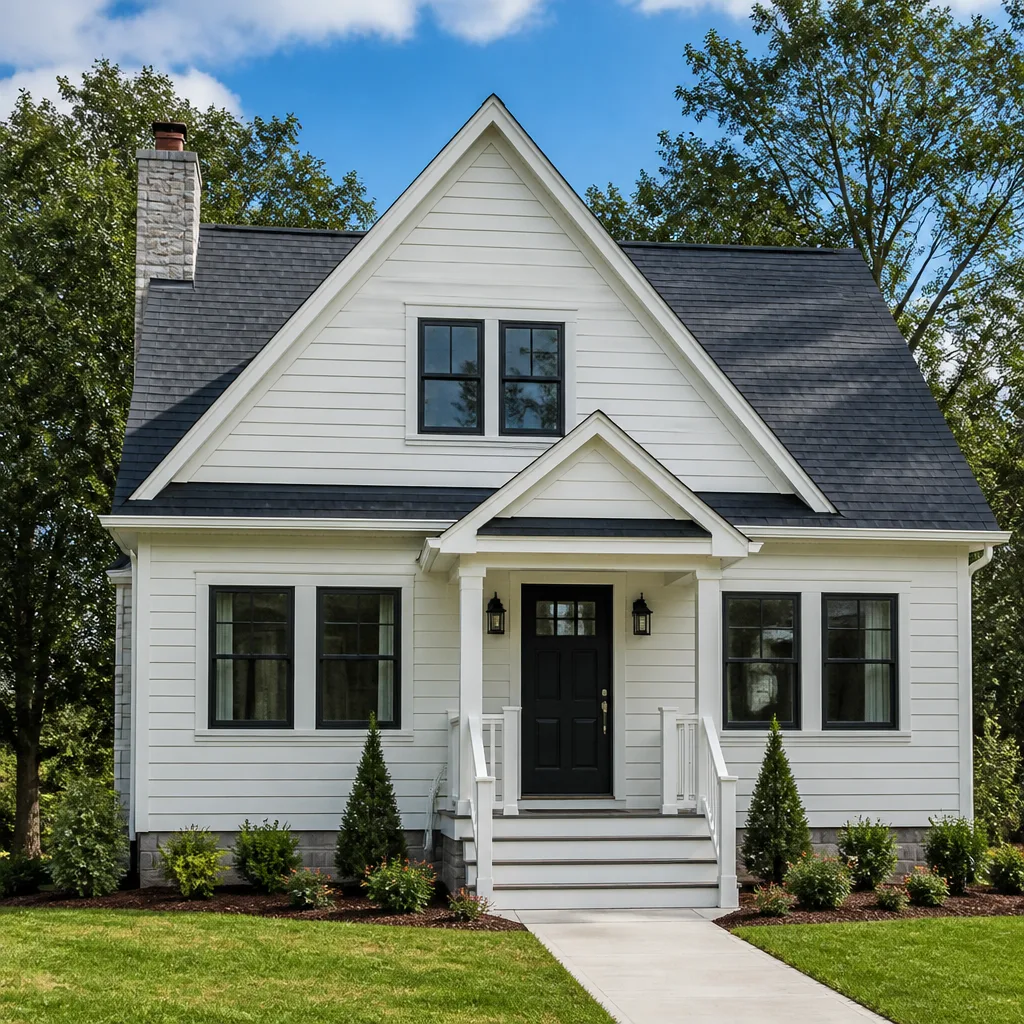
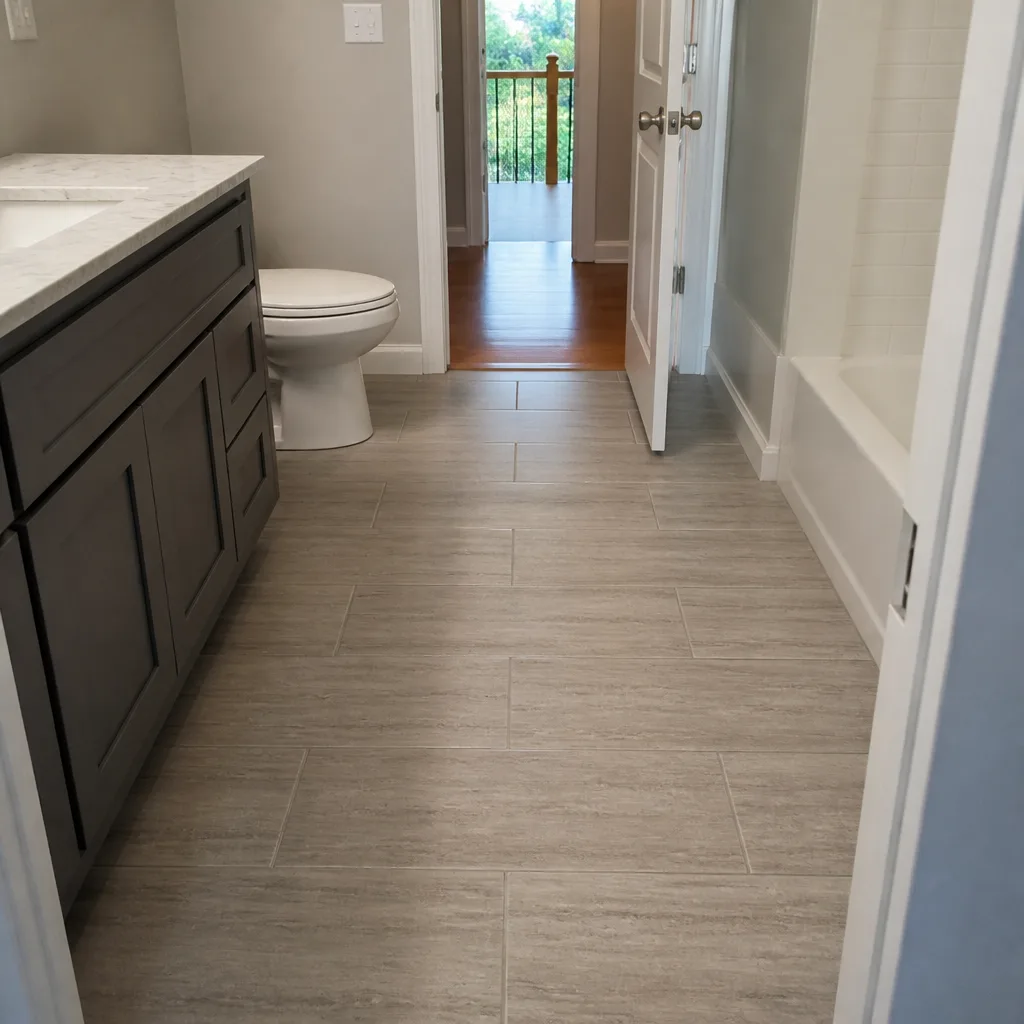
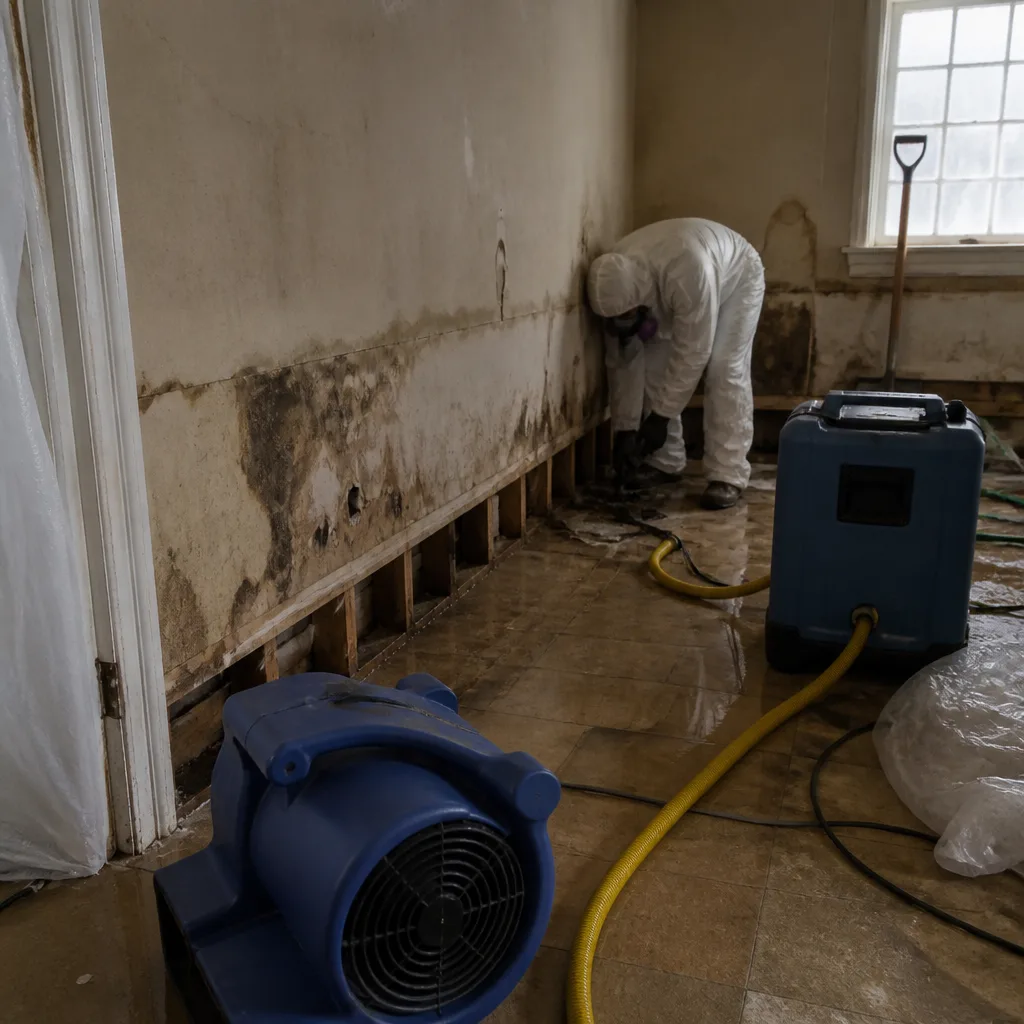 Before
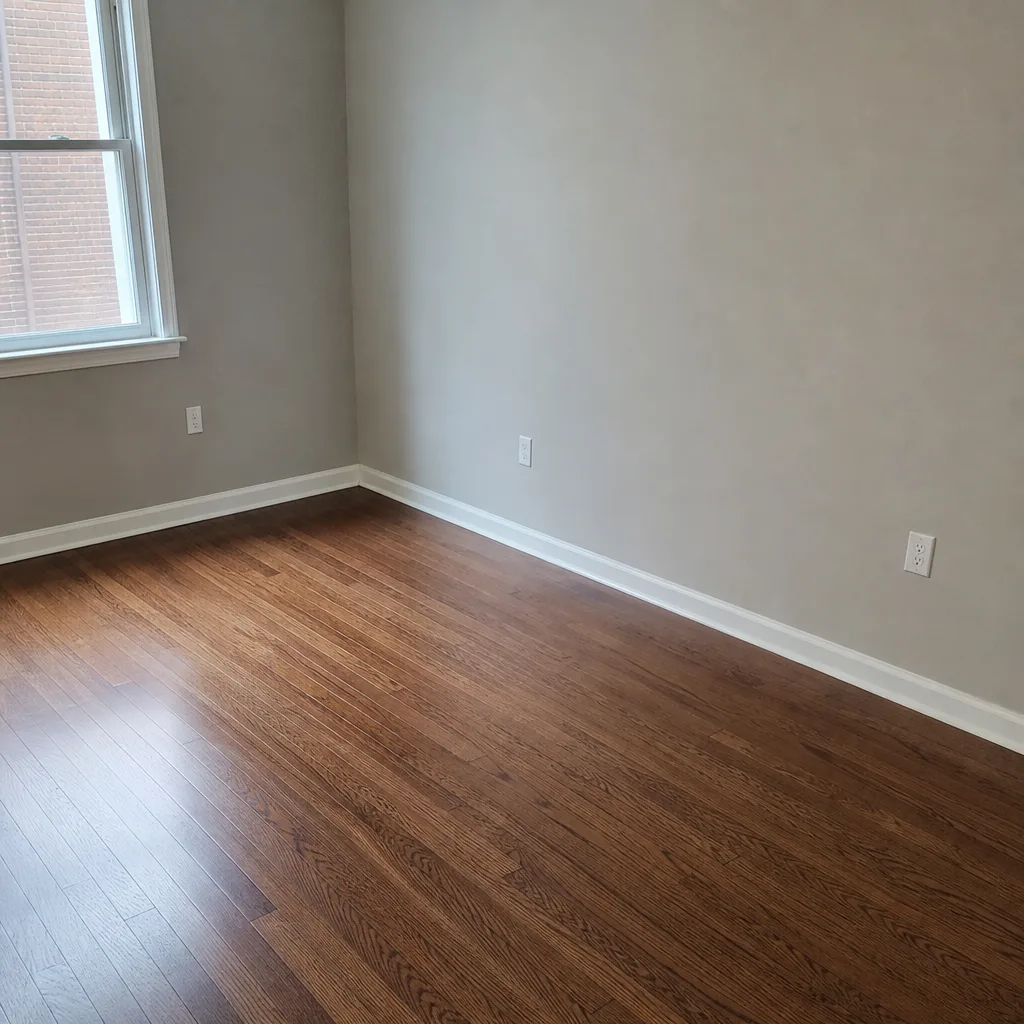 After
After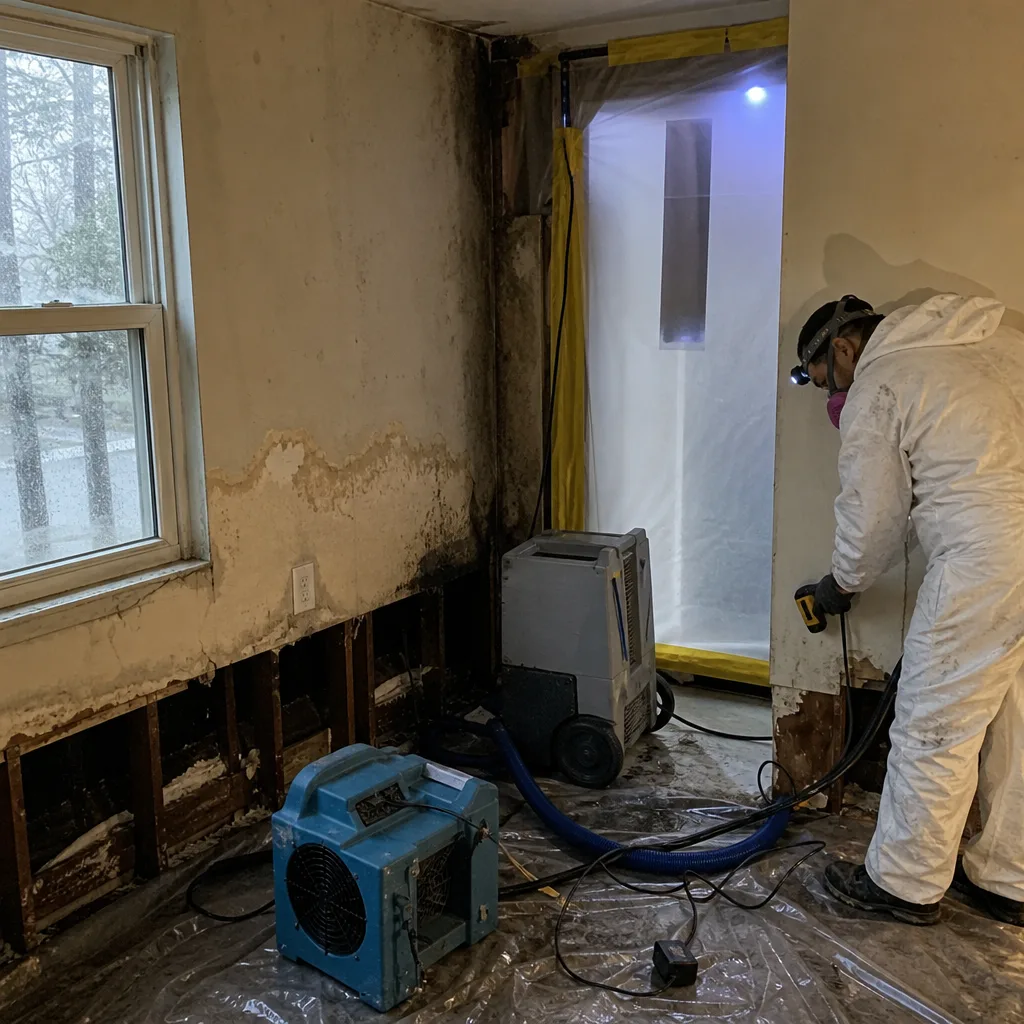 Before
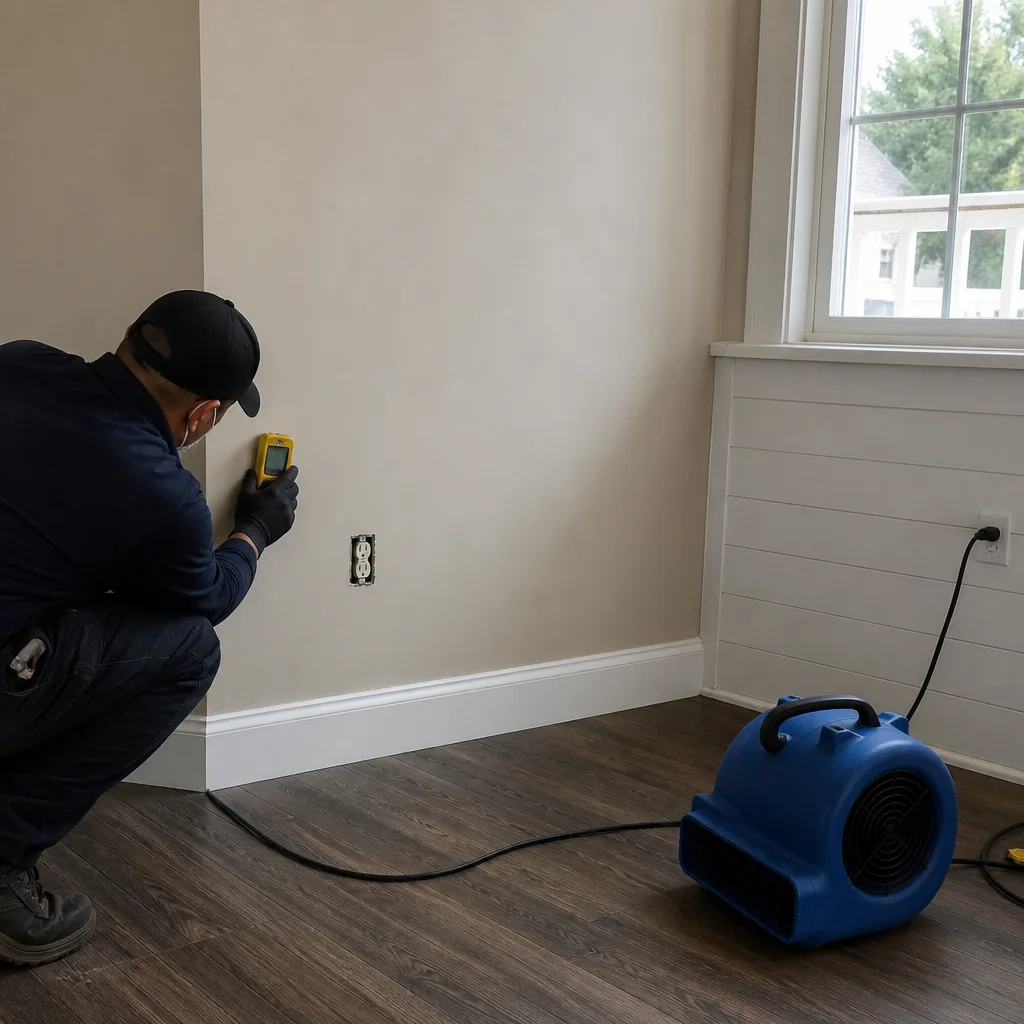 After
After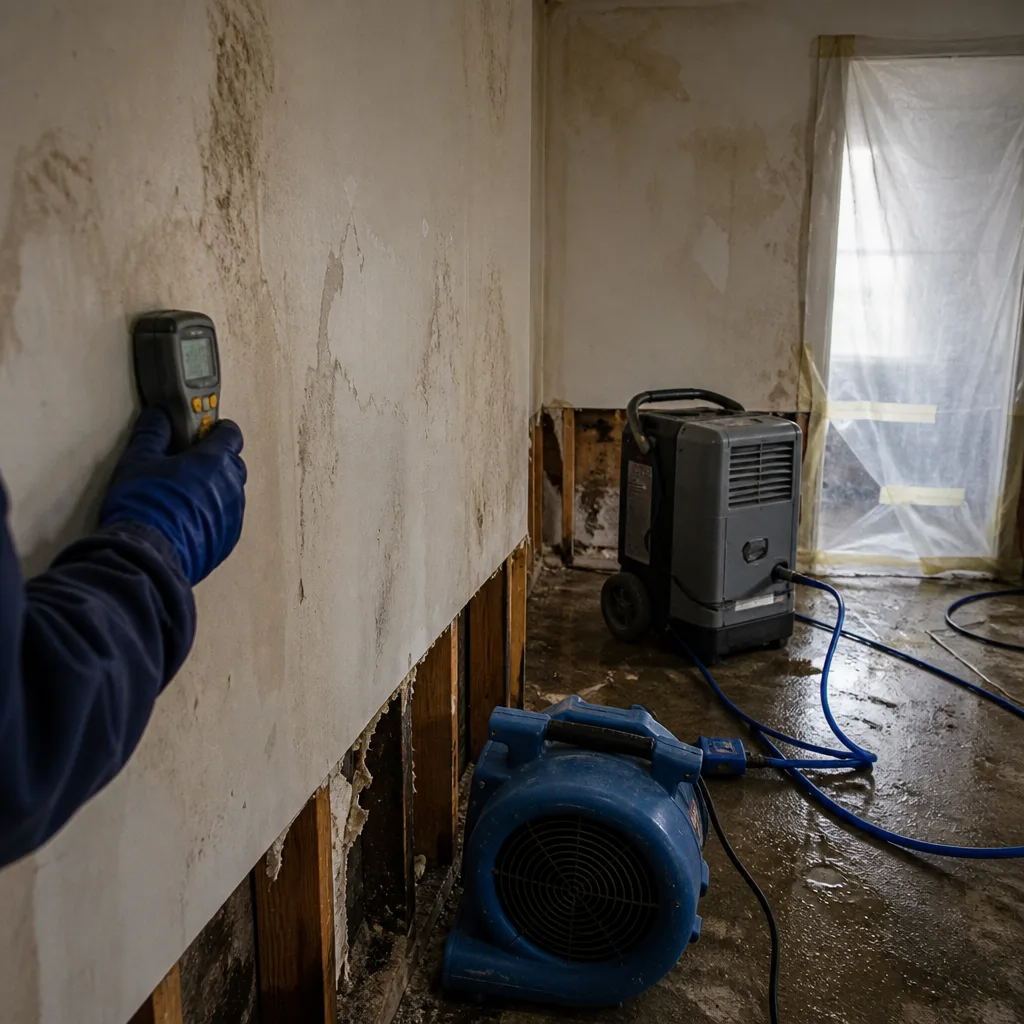 Before
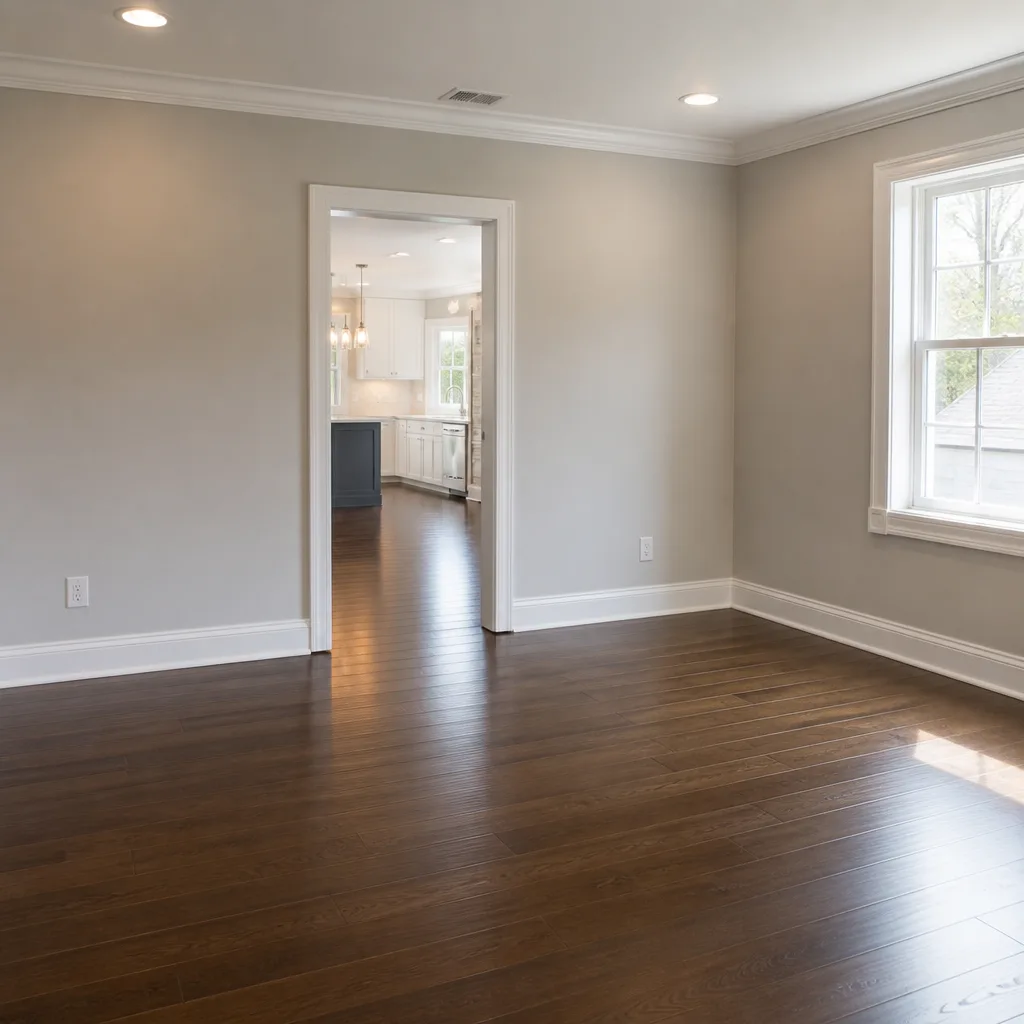 After
After24/7 Emergency Storm & Disaster Restoration in Union City
Storm damage in Union City needs immediate attention, and our crews answer live around the clock. When a nor’easter rips open a parapet wall on a pre-war tenement or wind-driven rain forces water through a flat roof on Palisade Avenue, water starts moving through shared plumbing chases and party walls within minutes. That’s why our dispatchers pick up at 2 a.m. and a certified crew reaches your building the same visit. Call (201) 762-0667 the moment you see water, and we’ll start extraction before the damage spreads to the unit below.
The first hour after a storm breach matters more in Union City than almost anywhere else in New Jersey. Your attached brick building shares walls, floors, and chase spaces with neighbors. Category 2 or 3 water from a roof failure doesn’t stay in one apartment. It follows the waste stacks, the abandoned plumbing branches, and the mid-floor voids left behind by decades of Bergenline Avenue conversions. Our 45-minute response commitment means containment goes up fast, on every affected floor, not just the one where water is visible.
Understanding Storm & Disaster Restoration Severity in Union City Properties
Water damage from storms gets classified by contamination level. Category 1 starts clean, like a fresh supply-line break. But once that water travels through a 1920s cast-iron waste stack, across a century-old plaster ceiling, and into the unit below, it picks up whatever it touches. We treat most storm-driven intrusion in Union City as Category 2 or 3 by the time we arrive: gray water carrying soap, debris, and bacteria, or black water carrying sewage from a compromised drain line. The distinction drives everything about how we contain, dry, and rebuild.
Union City’s housing stock compounds the severity. Nearly every building here predates 1978, which means original galvanized and cast-iron lines, textured plaster that may contain asbestos, and lead paint on trim and window frames. Drying a Category 3 loss in a six-unit walkup off New York Avenue isn’t a single-room job. It’s a building-wide moisture mapping exercise: thermal imaging cameras reading through plaster walls, hygrometers tracking vapor pressure in mid-floor voids, and Injectidry mats pulling water from original hardwood and tile assemblies. Standard air-mover math from a suburban job doesn’t apply, and no honest crew pretends it does.
Then there’s the Palisades factor. Union City sits several hundred feet above the Hudson on a steep escarpment. Rooftops and parapet walls take wind loads that low-lying towns like Secaucus never feel. Freeze-thaw cycles chew through flat-roof membranes and masonry joints faster here. And on lower-elevation blocks near the river edge, hydrostatic pressure pushes groundwater into foundations. The result: a storm-loss pattern that hits both the top of the building and the bottom, sometimes in the same event.
Why Union City Property Owners Choose Floodline Restoration Co.
- 45-minute response commitment. We dispatch from our metro office to Union City neighborhoods immediately, with live tracking so you know exactly when the crew arrives.
- 24/7 live answer, never a recording. A real dispatcher picks up at any hour. You explain the situation once, and the crew arrives briefed, not reading notes on a clipboard.
- IICRC-certified crews. Our technicians hold WRT, FSRT, and AMRT certifications and follow IICRC standards for structural drying, fire and smoke restoration, and applied microbial remediation.
- Free visual inspection. We walk the building with you, show you what we’re seeing, and give you a straight explanation before any work begins.
- Direct insurance billing. Floodline Restoration Co. works directly with your carrier. You never play messenger between us and the adjuster.
- One team from extraction to reconstruction. The same background-checked, uniformed crew that reads the moisture map on day one handles daily readings, drying, and the rebuild. No mid-job handoff to a subcontractor you’ve never met.
Our Storm & Disaster Restoration Process
Inspection & Assessment
We map every affected surface with thermal imaging and moisture meters, including the chase spaces and wall cavities behind visible damage. In a Union City tenement, that often means opening access panels on multiple floors to trace the water path from roof to foundation.
Extraction / Stabilization
Standing water comes out first with truck-mounted extraction units. If the roof or envelope is compromised, we board up and tarp immediately so the building is watertight before drying begins.
Drying & Dehumidification
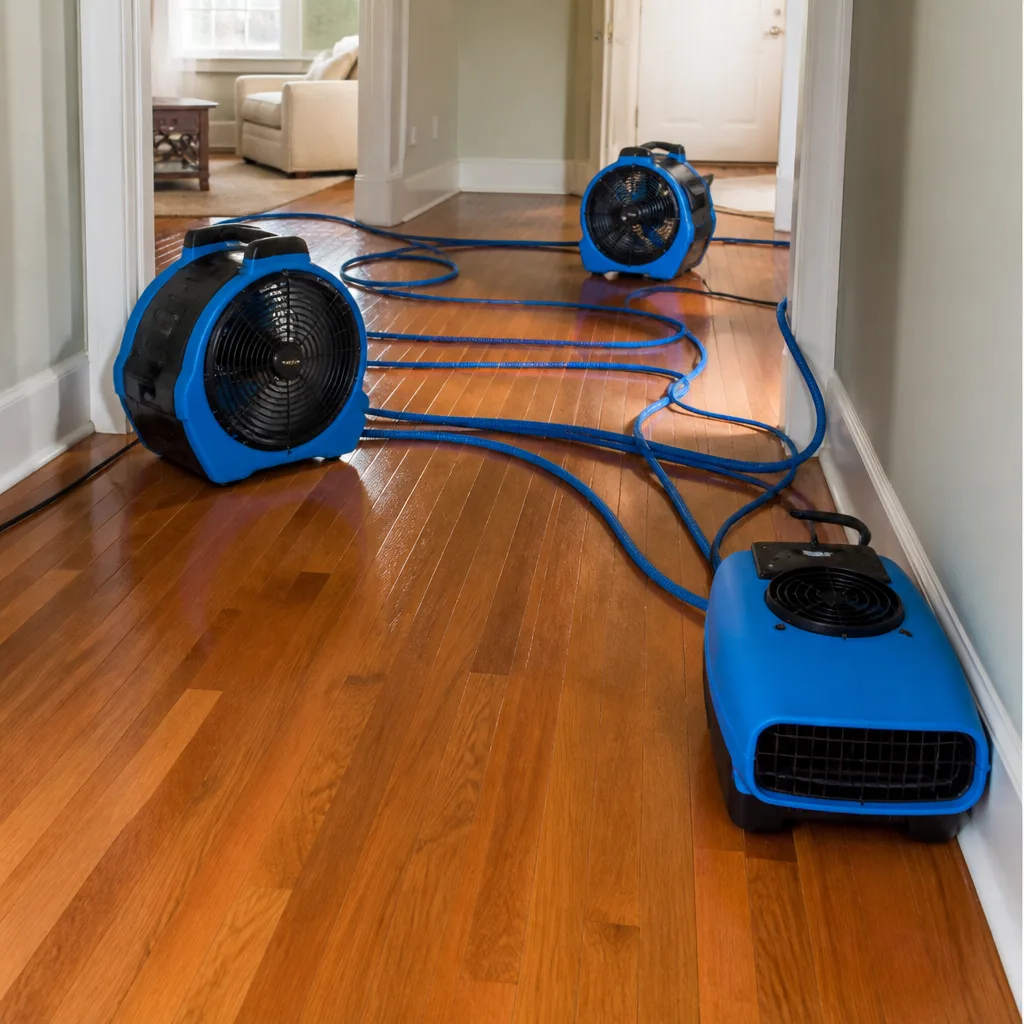
We position Phoenix air movers, XPOWER fans, and Dri-Eaz dehumidifiers based on calculated drying chambers, not guesswork. Injectidry mats go under hardwood and behind built-ins where cavity drying is needed. Daily moisture readings are logged until every surface hits its dry standard.
Cleaning & Sanitization
Antimicrobial treatments go on every affected surface after drying, and HEPA air scrubbers run throughout the job to capture airborne particulates. For pre-1978 buildings, we follow abatement protocols before disturbing plaster, pipe insulation, or tile that may contain asbestos.
Storm-Specific Specialty Treatment
Wind damage gets structural assessment of parapet walls, roof membranes, and window seals. We repair or replace flashing, re-secure masonry where safe, and document every finding for your carrier with photos and written scope.
Repairs & Restoration
The same Floodline crew rebuilds what needs rebuilding: plaster repair, trim replacement, paint, and flooring. We hand you the moisture log, the drying documentation, and our 90-Day Done Right Promise in writing before we leave.
Need Emergency Storm & Disaster Restoration in Union City Now?
Crews minutes away, answering live 24 hours a day. The sooner we start, the less it costs.
Working With Your Insurance Company
Storm damage claims in Union City are rarely simple. A single roof breach in a six-unit building can generate six separate tenants’ claims plus a building owner’s claim, each with its own adjuster. We handle that complexity every week. From the first hour, we document everything: photos of every affected room, moisture readings from day one, drying logs updated twice daily, and a line-item scope of work your adjuster can actually read. Our crews coordinate directly with carriers on Storm & Disaster Restoration claims, so you’re not stuck translating between a restoration crew and an insurance desk.
What We Provide Your Insurer
- Thorough documentation of the loss
- Photos of all damage, room by room
- Moisture readings and drying logs
- A detailed, line-item scope of work
- Direct coordination with your carrier
When multiple tenants and a landlord are all filing on the same event, clear documentation is what keeps the claim moving. We’ve handled enough of these to know that a photo with a date stamp and a moisture reading is worth more than a page of narrative. Our uniformed technicians document as they work, and you get the full log at the end. The 90-Day Done Right Promise covers the work itself, in writing, with no argument clauses buried in fine print.
Built for Union City’s Loss Calendar
Union City’s storm-damage rhythm follows the seasons, and the building stock makes each one distinct. January and February bring deep freezes that split supply lines in century-old brick tenements. When a pipe lets go on the fourth floor of a walkup on Summit Avenue, water reaches the first floor in under an hour through the shared chase. We’re running emergency extraction in the middle of the night more often than people realize, and our live dispatchers are on the phone when the first call comes in.
Spring thaw brings groundwater. The Palisades escarpment’s hydrostatic pressure pushes water into basements and crawl spaces in the lower blocks near the river. In attached row-house conversions, that seepage travels laterally through party walls, showing up as damp plaster in three adjacent units. Summer thunderstorms hit hard and fast: flash flooding overwhelms the older drainage systems on streets like Palisade Avenue and New York Avenue, driving water into first-floor units and commercial spaces converted to residential use.
Then come the nor’easters. Fall and early winter storms pound the rooftops and parapet walls with wind and driven rain. Flat-roof failures on pre-war buildings along the Boulevard send water cascading down interior walls through the original lath-and-plaster assemblies. By the time anyone notices the ceiling stain, water has usually been moving through the wall cavity for days. That’s why our Union City crews carry roofing tarps and board-up materials on every storm call from October through April.
Storm & Disaster Restoration Across Union City’s Neighborhoods
Response time depends on where you are, and we know the streets. From the tight blocks off Bergenline Avenue to the residential streets climbing the slope toward Kennedy Boulevard, our crews navigate Union City’s dense grid daily. The neighborhood you’re in shapes the damage you’re likely to see.
Along Bergenline Avenue and its side streets, we’re often in converted storefront buildings with non-standard utility layouts. Mid-floor voids from old plumbing reconfigurations hide water that should have dried days ago, and once-surface readings look clear, moisture keeps moving through abandoned chase spaces. Our crews pull thermal imaging readings on every wall adjacent to a wet unit, because the water path is rarely where anyone expects it.
The Washington Park area and the blocks near the Hoboken border share that dense attached-brick pattern. A single window failure during a wind-driven rain can let water into three stacked units through the wall assembly. The Bergenline-Hudson corridor is as dense as any residential district in the country, and we plan containment zones accordingly. Up near Kennedy Boulevard on the escarpment edge, wind exposure increases sharply. Parapet failures and rooftop membrane tears are more common there, and we send roof tarps and board-up crews with every call.
07087 is the only ZIP code we need. It covers the entire city, and our dispatchers know it by block and intersection.
Specialized Storm & Disaster Restoration Services We Offer in Union City
Emergency Board-Up
When wind or falling debris breaches a window or door, we secure the opening immediately with plywood and framing. Board-up prevents further water intrusion, keeps out animals and trespassers, and gives your insurance company a clear “mitigated” status on the claim. Same-visit board-up is standard on our storm calls.
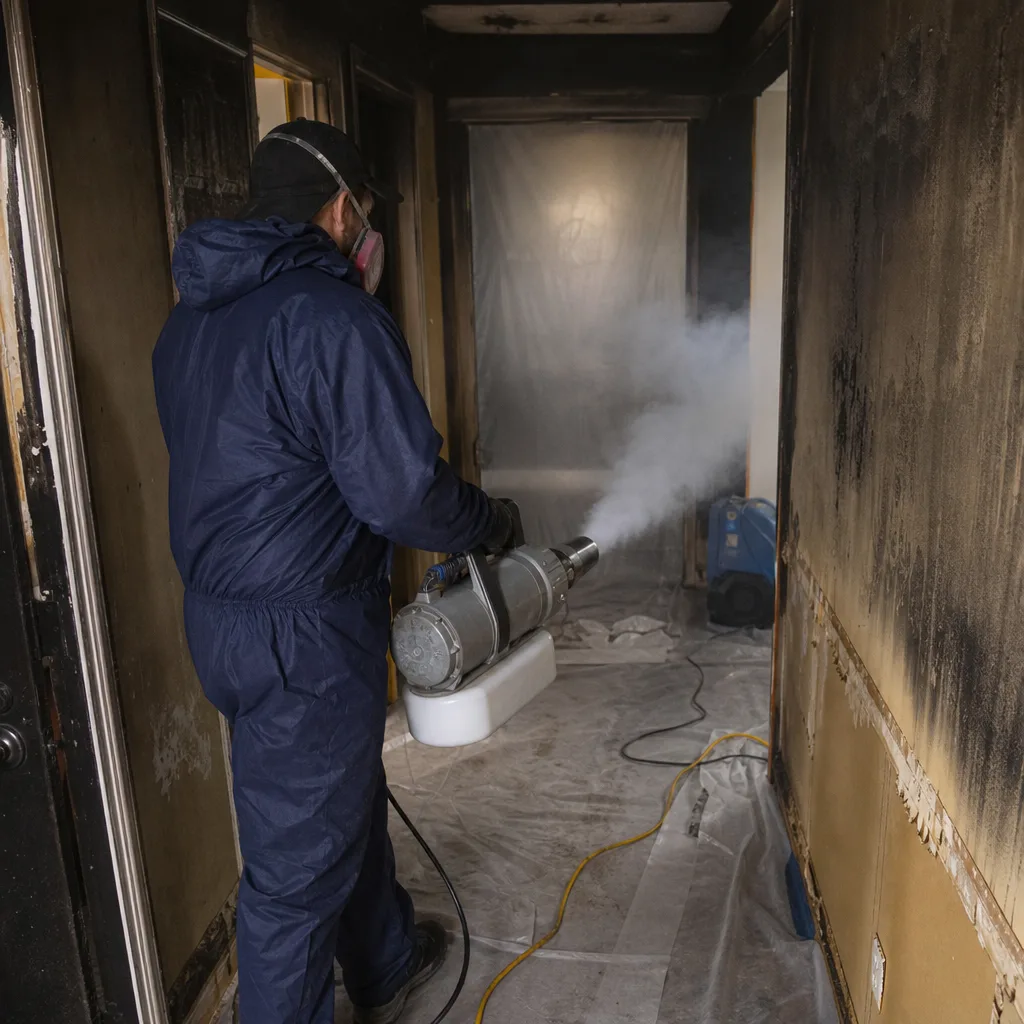
Roof Tarping
A torn roof membrane or failed parapet flashing needs watertight protection fast, especially during the storm season on the Palisades. We tarp the affected section with heavy-duty material, secured to survive Union City’s wind loads, and we document the tarp for your carrier as part of the emergency mitigation. Permanent roof repair happens after drying, with a written scope.
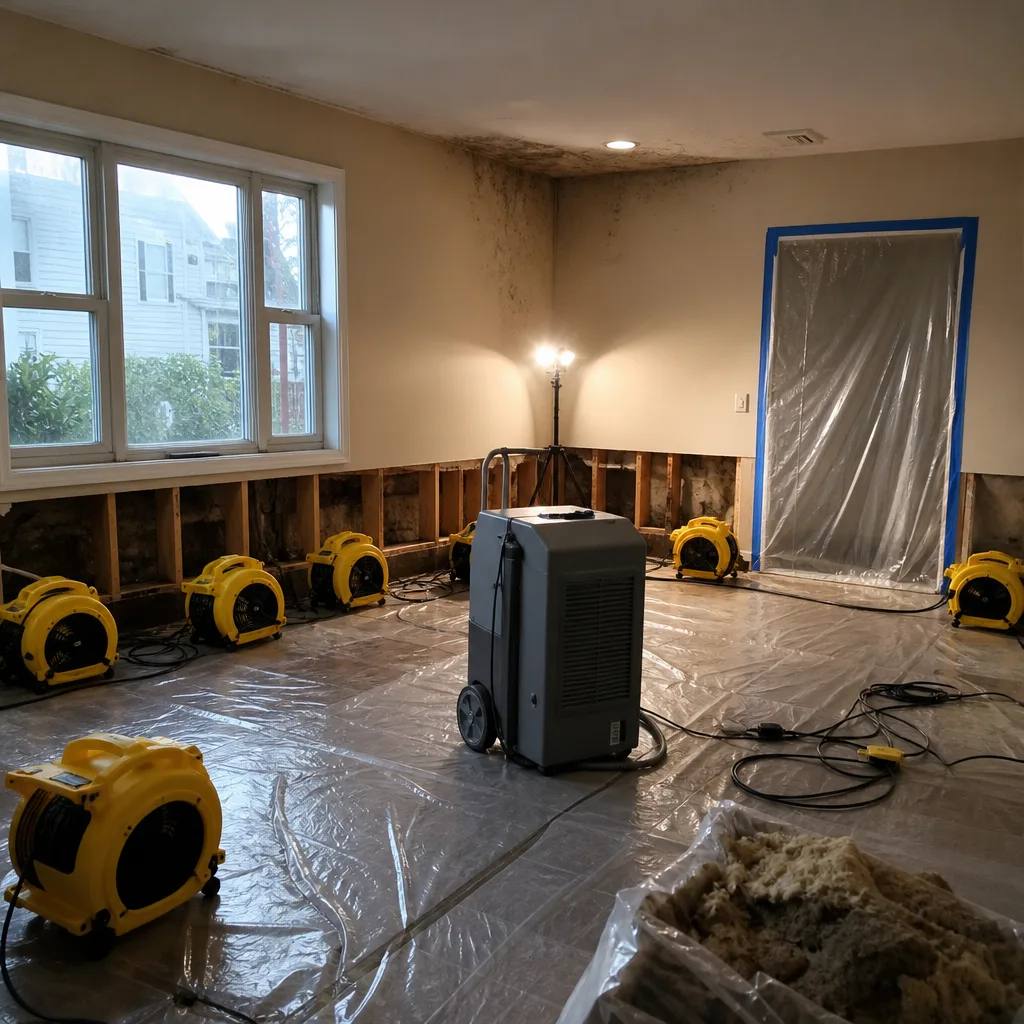
Wind Damage Repair
Union City rooftops take a beating. We repair flashing, re-secure lifting membranes, replace damaged sections of parapet masonry, and rebuild the internal structure where wind-driven water has compromised it. Our crews understand how pre-war brick and mortar respond to repeated freeze-thaw cycles on the escarpment.
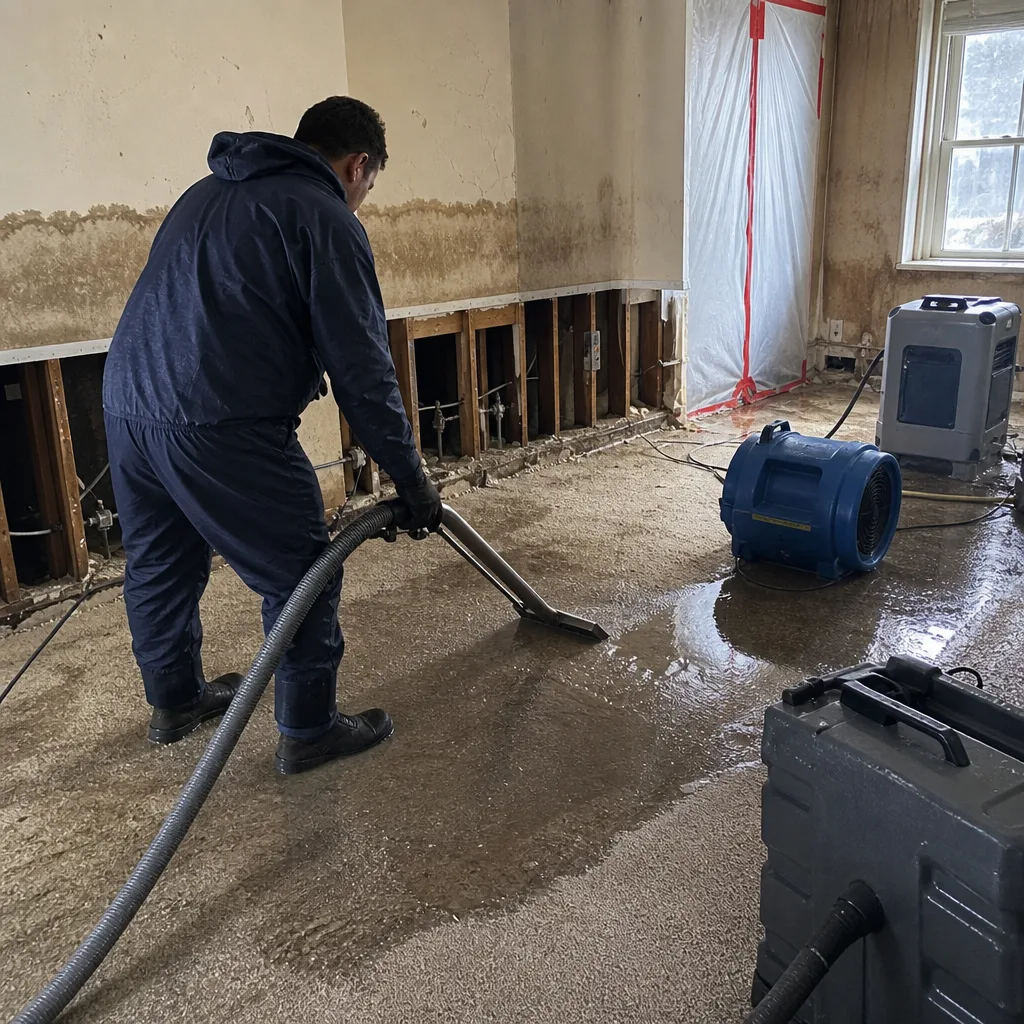
Storm Damage Cleanup
After the water is out and the roof is secure, we handle full cleanup: debris removal, contaminated material disposal, antimicrobial treatment, and content cleaning where items can be saved. In pre-1978 buildings, we follow lead and asbestos protocols before any demolition or disturbance.
Flood Damage Restoration
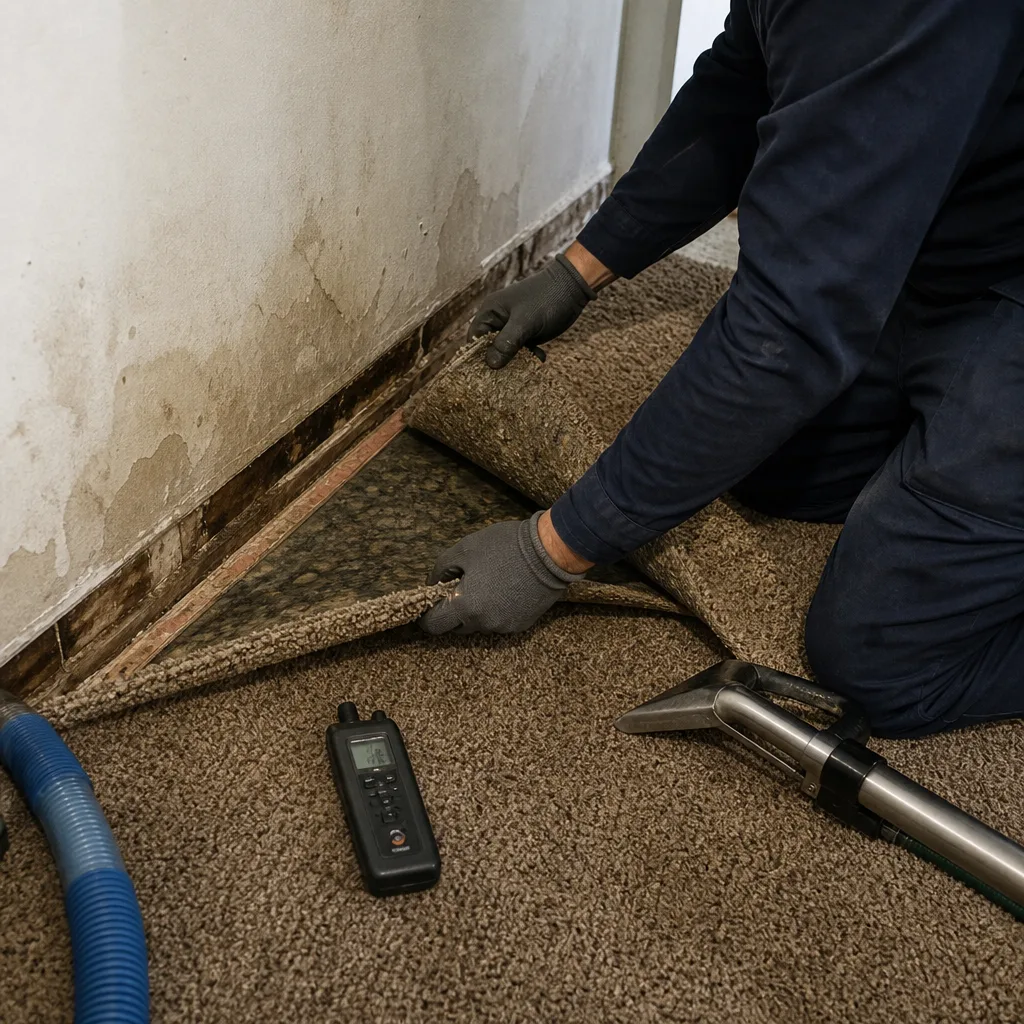
Surface flooding from heavy rain or drainage failures moves fast in Union City’s dense blocks. We extract, contain, and dry, but we also inspect the shared systems that spread the water: waste stacks, chase spaces, and party walls. Multi-unit flood restoration in Union City is our daily work.
Debris Removal
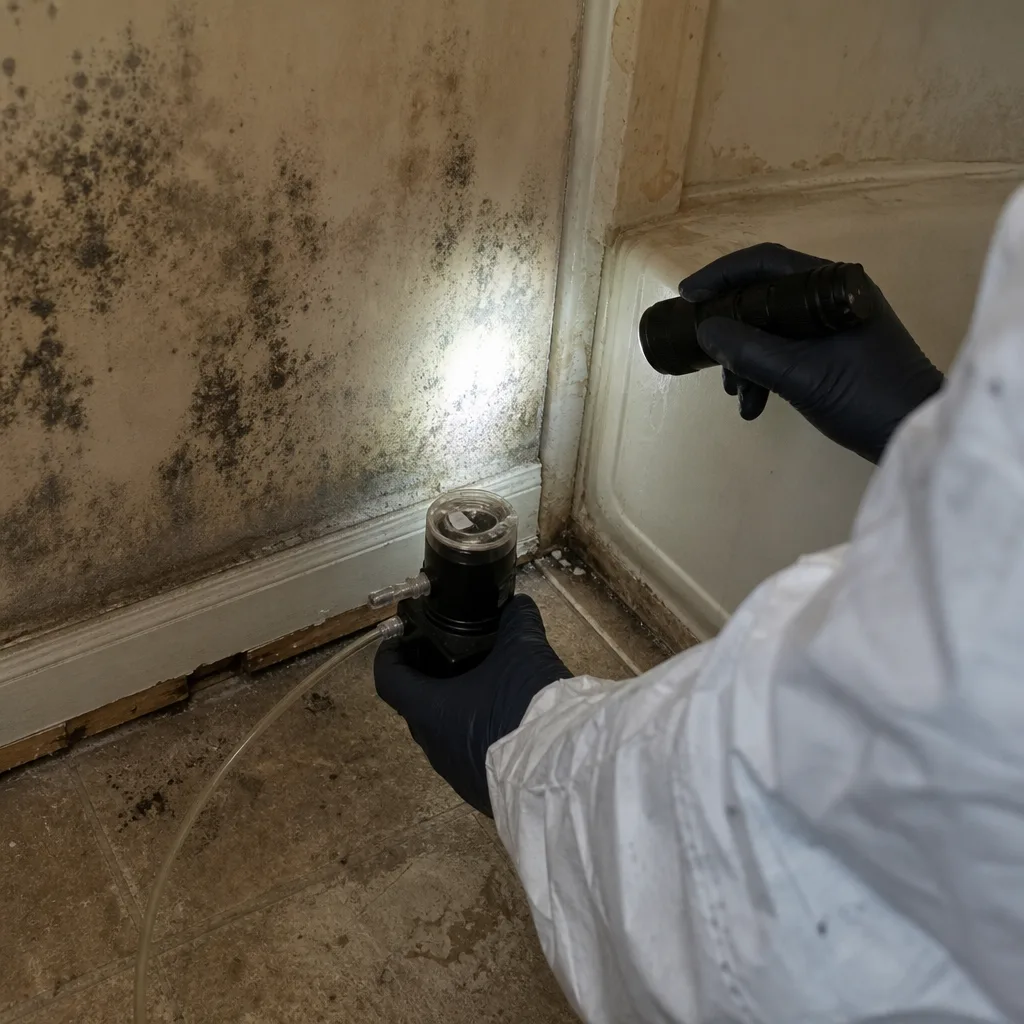
Storm debris from roofs, trees, and wind-blown materials gets removed and hauled safely. We handle the disposal with the right permits and documentation for your insurer, so the claim stays clean.
What happens when you call
- 1
A real person answersNo phone trees - you reach a local pro.
- 2
You get an upfront price rangeHonest numbers before anyone is dispatched.
- 3
A background-checked tech heads outLicensed & insured, dispatched right away.
- 4
You approve before work beginsNothing starts until you say go.
Storm & Disaster Restoration Costs in Union City, NJ
Here’s honest pricing for Union City’s market. Emergency board-up typically runs $300-$600, depending on the number of openings and the building’s height. Roof tarping on a pre-war flat roof costs $500-$1,200, with steeper wind-exposure properties near Kennedy Boulevard on the higher end. Storm water extraction and drying in a single unit starts around $2,500 and runs to $6,000+ when multiple floors and chase spaces are involved. Debris removal averages $400-$900 per truckload plus disposal fees. Full structural drying of a six-unit building after a shared plumbing chase breach can reach $15,000-$30,000 before reconstruction begins.
What moves the price: the number of units affected, whether asbestos or lead abatement is required, the age and accessibility of the chase spaces, and whether the building has a working drainage plan. Insurance typically covers storm-related water damage when the event is sudden and accidental. The free inspection path is straightforward: call us, we walk the building with a thermal camera, and you get a written scope with firm numbers before you commit. Call (201) 762-0667 for an exact quote.
We Also Serve Cities Near Union City
Our crews work throughout Hudson County and the surrounding area. In addition to Union City, we regularly handle storm and disaster restoration in Weehawken, Hoboken, North Bergen, and Secaucus. The same live 24/7 dispatch and 45-minute response commitment apply everywhere we serve.
How Union City’s Density Changes the Restoration Job
Here’s what nobody writing a generic restoration page will tell you. In Union City, almost every storm-water intrusion in a pre-war attached tenement becomes a multi-tenant event. Water doesn’t respect the line between units. It moves through the shared plumbing chases that run vertically through the building, through the party walls that separate one apartment from the next, and through the mid-floor voids that decades of conversions left behind. A single roof failure on a six-unit walkup means containment and moisture mapping in six apartments at once, not one basement. Standard drying math from a detached house in the suburbs doesn’t work here. If a crew shows up and only addresses the unit where water is visible, they’re leaving the rest of the building wet, and the mold is already growing in the walls.
We learned this the hard way early on, and we’ve built our Union City protocol around it. On a converted six-unit walkup off Bergenline Avenue after a nor’easter punched through a parapet wall, we performed emergency board-up and roof tarping, then found Category 2 water flowing through the original cast-iron waste stack into three stacked bathrooms. Our crew set up containment on every floor, ran Injectidry drying mats with Phoenix air movers, and logged moisture readings twice daily until the plaster and joists hit pre-loss condition. No demolition of the 1930s tile. Just structural drying, antimicrobial treatment, and a moisture log that satisfied three separate adjusters.
The Union City building stock also triggers lead and asbestos protocols more often than most property owners expect. Textured plaster from before 1978 may contain asbestos. Pipe insulation on original galvanized and cast-iron lines often does. If a crew starts cutting into walls without checking, they’re creating a liability for you and every tenant in the building. We check before we cut. We’ve been doing this work since 2010, and the lessons are baked into our process, not learned on your job.
The building you’re in shapes every restoration decision. A Bergenline Avenue converted storefront has drainage slopes and abandoned plumbing branches that throw off drying calculations. Moisture hides in the void between the old commercial ceiling and the new residential one. A 1920s tenement on the slopes above the river has original cast-iron lines that corrode and fail under Hudson County’s hard water. When storm water hits those lines, they don’t just leak. They spread contamination through the whole stack. That’s why our moisture mapping includes thermal imaging behind common walls, not just surface meters on drywall.
The Keystone Standard: How We Stand Behind the Work
Curt Bowman founded Floodline Restoration Co. in 2010 with a simple rule: the job isn’t done until the homeowner says it’s done right. We back that with the 90-Day Done Right Promise, our Keystone Standard, in writing on every job. If something isn’t right within 90 days of completion, we make it right. No paperwork battles, no arguing, no fine print. Behind that promise sits our K.E.Y.S. values code: Krafted right, Every time, Your home first, Standing behind it. Those aren’t marketing phrases. They’re the standard our technicians are trained to.
We answer the phone with a person at 2 a.m. because that’s what the job requires. We hire local, train apprentices into journeymen, and plan to be in Union City thirty years from now. When a background-checked, uniformed technician walks into your building, you get a name, a face, and a company that expects to be accountable to you for decades. That’s how Curt built Floodline, and that’s how it runs today.
Serving Union City, NJ - Our Local Coverage Area
We’re based in the Union City area and know this community well. Use the map below to see our service coverage - if you’re nearby, we can almost certainly help.
Union City Storm & Disaster Restoration Questions, Answered
How fast can mold start in a Union City tenement wall after a storm leaks through a shared plumbing chase?
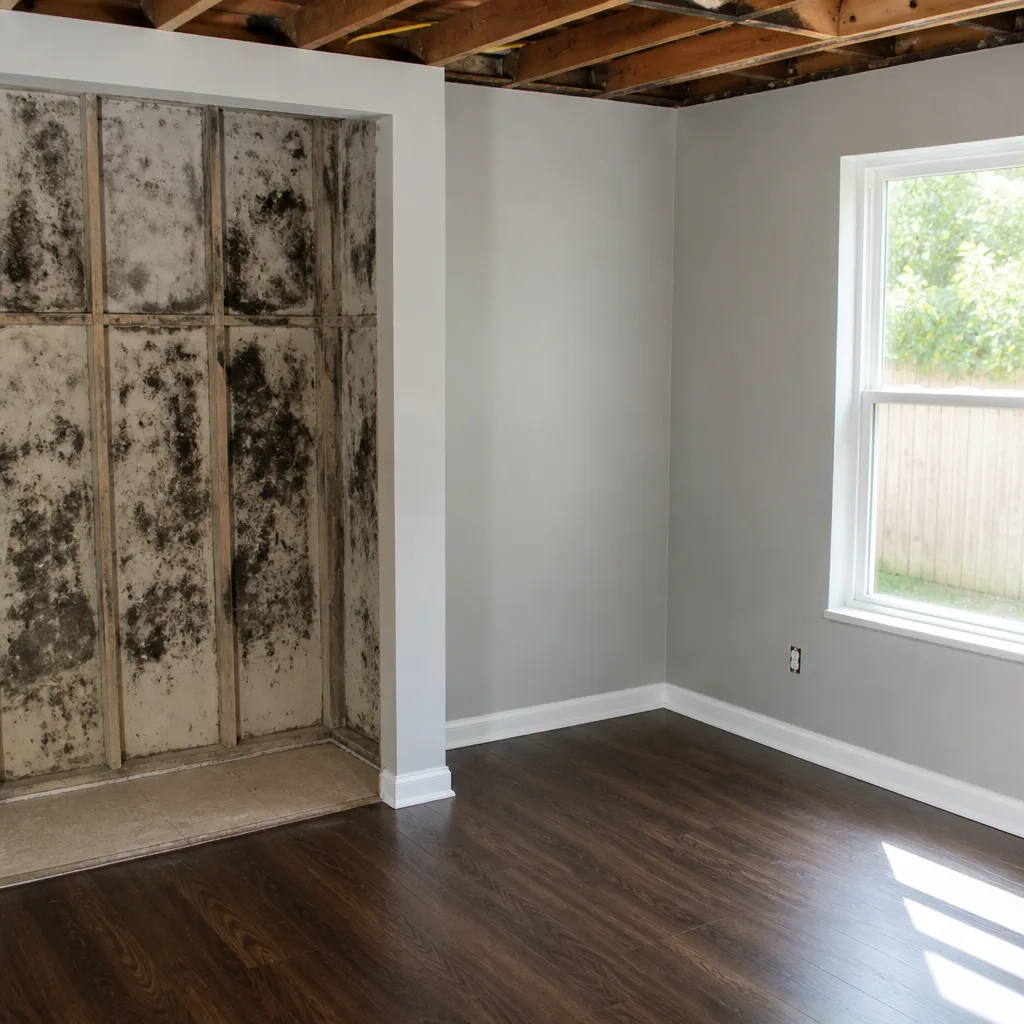
Mold can begin in as little as 48 to 72 hours in a warm, humid wall cavity, and Union City’s poorly ventilated pre-war structures accelerate that timeline. If Category 2 water from a shared chase sits behind plaster and lath for three days without active drying, you can expect visible colonization and a much larger remediation scope. Our 45-minute response commitment exists specifically to get containment and drying started before that window closes. Call (201) 762-0667 the moment you see water or smell must.
Do you have to remove all the original cast-iron drain pipes in a 1920s Union City building after a flood?
No. Cast-iron waste stacks from the 1920s can often stay in service if they’re structurally sound. We inspect with borescopes and pressure testing before recommending removal. When storm water has flowed through them, we clean and sanitize the interior with antimicrobial treatments. We replace sections only when corrosion or cracking has compromised the line. You don’t need to lose the original plumbing just because it got wet.
Why are moisture readings in a Bergenline Avenue converted storefront apartment so different from a standard basement?
Because the building wasn’t originally residential. Bergenline Avenue storefronts went through conversions that left mid-floor voids, abandoned plumbing branches, and mismatched drainage slopes. Water drains along unexpected paths; standard drying calcs don’t account for these configurations. You need thermal imaging behind common walls and cavity readings in the void spaces to know when the building is actually dry. Surface readings on drywall will lie to you.
Do we handle the landlord’s insurance claim and the tenants’ separate claims on one storm damage job in Union City?
Yes. Our documentation is built for multi-claim scenarios. Each affected unit gets its own moisture log, photo set, and line-item scope. We coordinate directly with the building owner’s adjuster and each tenant’s adjuster, and we bill the carriers directly. You don’t negotiate between parties; we handle it with documentation that holds up.
Can you save the original 1930s plaster walls after a wind-driven roof leak on the Palisades escarpment?
Often yes. If the plaster is still bonded to the lath and has not crumbled, structural drying with cavity access through small openings can save it. We avoid wholesale demolition wherever the material is salvageable. Injectable drying mats and careful moisture monitoring let us dry the wall assembly without destroying the finish. When we do remove plaster, it’s because the material was unsalvageable or asbestos abatement required it.
How fast can someone actually get to my Union City building?
We commit to 45 minutes from the time you call (201) 762-0667. Our live dispatchers coordinate crews already stationed across Hudson County. In the middle of a nor’easter, response times may stretch slightly due to road conditions and demand, but you’ll speak to a person who gives you a real arrival window, not a recording that puts you on hold.
What should I do in the first 30 minutes after storm water enters my Union City home?
Call us first. Then, if you can do so safely, shut off the electricity to affected areas and avoid contact with standing water that may be contaminated. Don’t attempt to enter a basement where water is above the level of electrical outlets. Take photos with your phone for your own records. Don’t start tearing out drywall or carpet yourself; that can complicate both the drying plan and your insurance claim. The most important action is getting a certified crew on site quickly.
Do I really need full structural drying, or can I just run fans and wait it out?
Running household fans in a Union City tenement wall cavity will not dry the space between units. The water is in the wall assembly, the chase space, and possibly the floor system of the unit above or below you. Without professional-grade Phoenix air movers, XPOWER fans, Dri-Eaz dehumidifiers, and moisture mapping, you’ll get surface dryness and hidden mold. Full structural drying is the only reliable way to prevent long-term damage and secondary insurance claims. It’s cheaper than rebuilding a wall system that got wet twice.
Written by Curt Bowman, Owner at Floodline Restoration Co., serving Union City and Hudson County since 2010.