
Free visual inspection and a written scope of work before any mitigation begins - photos, moisture readings, and drying logs go in your claim file
The scope we write is the scope we bill. Anything new gets shown to you, in writing, before we touch it.
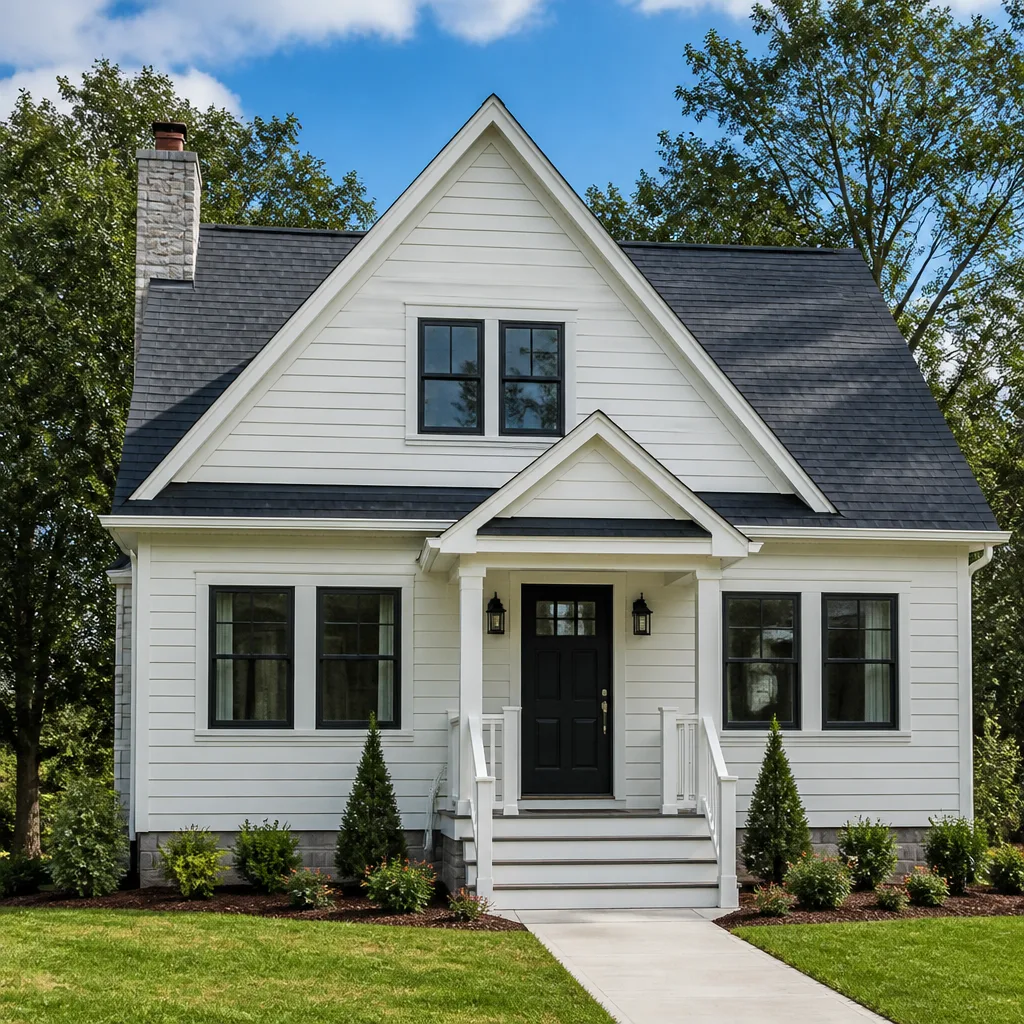
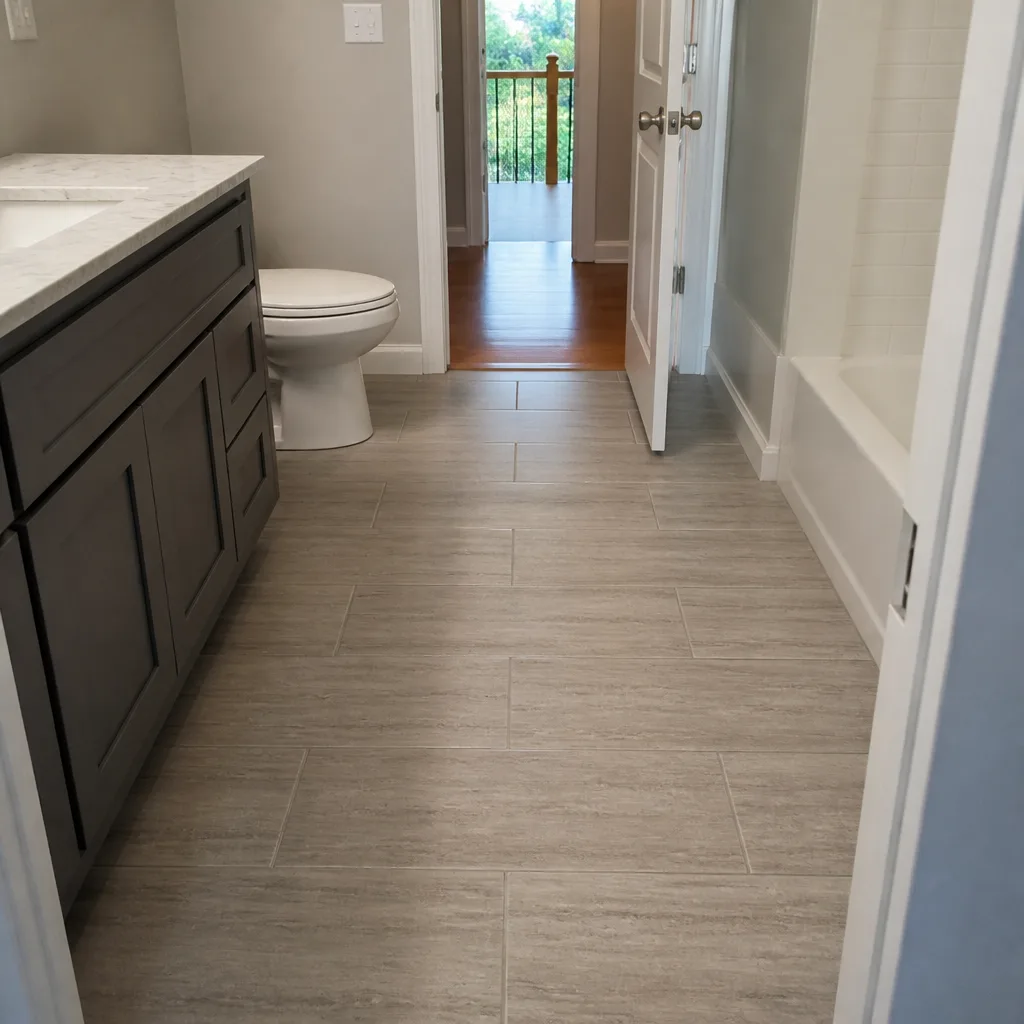
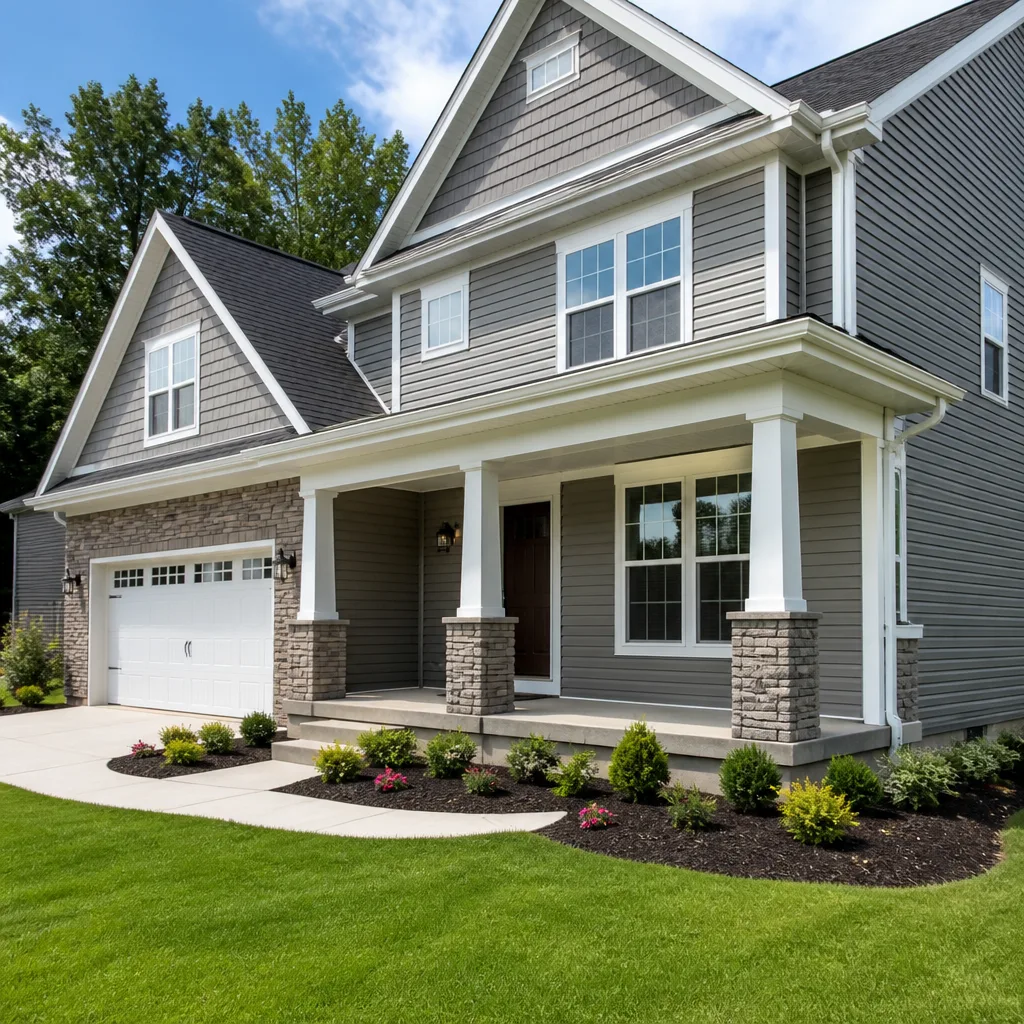
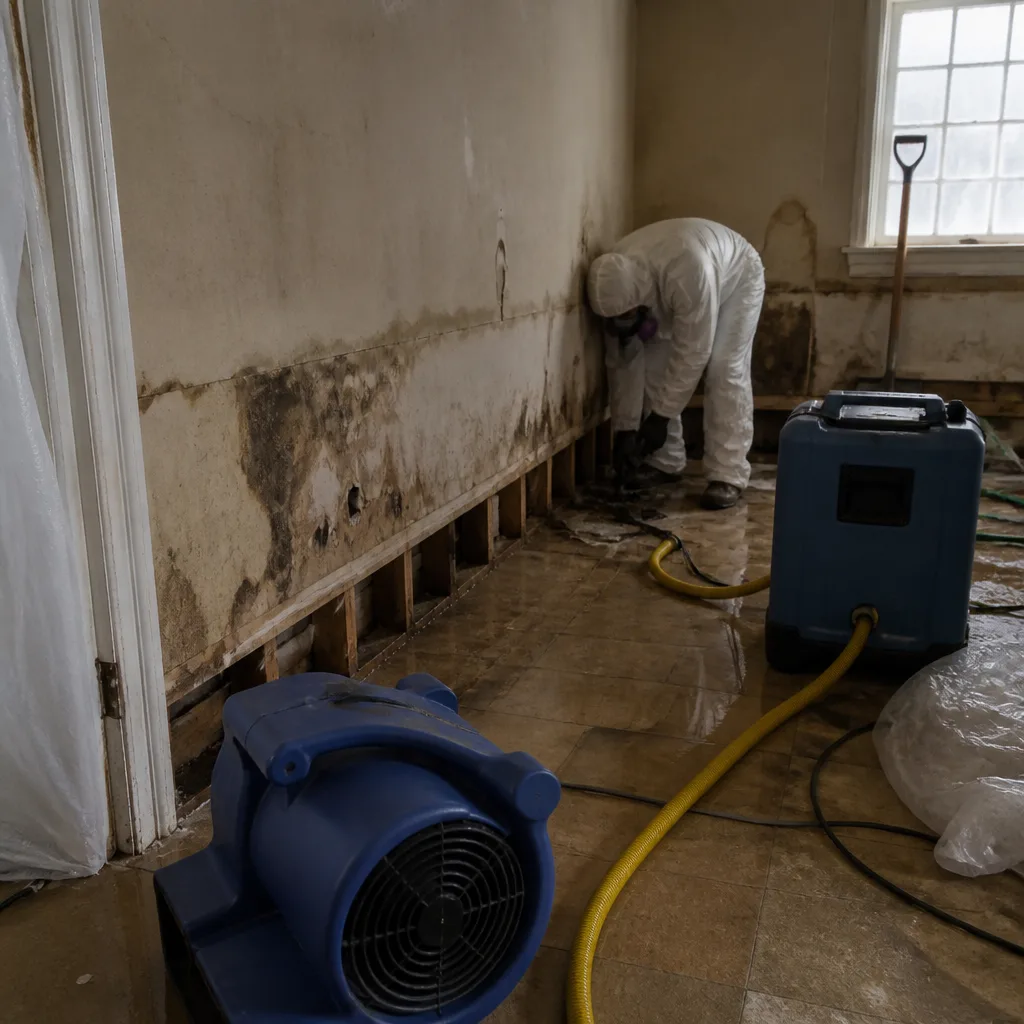 Before
 After
After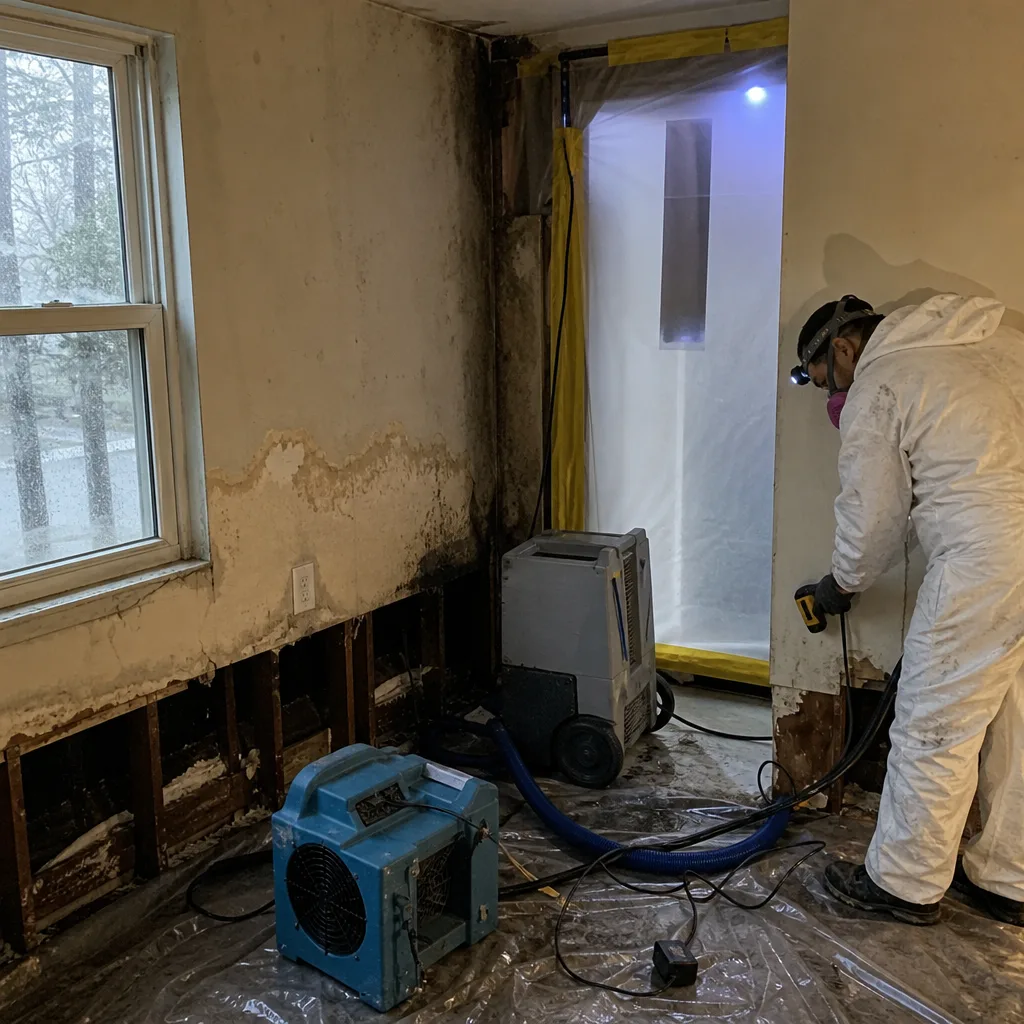 Before
 After
After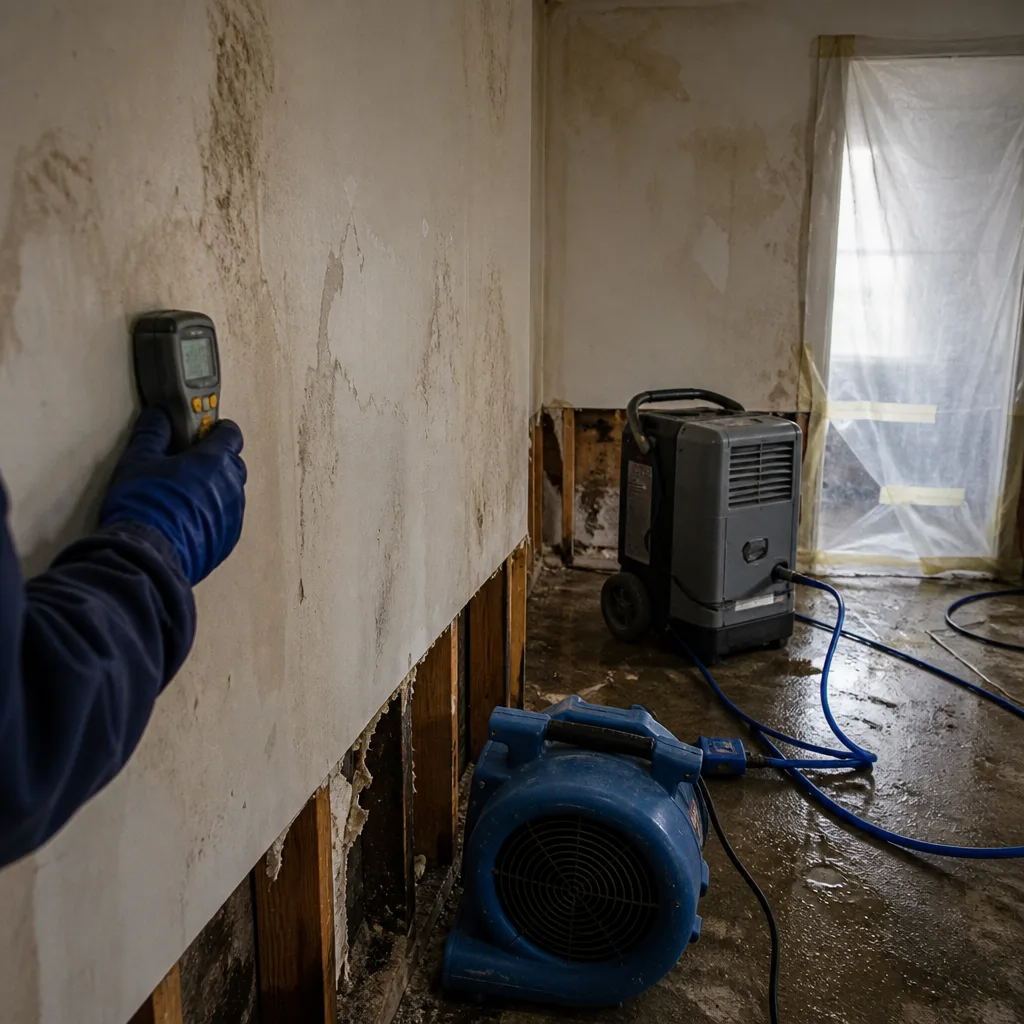 Before
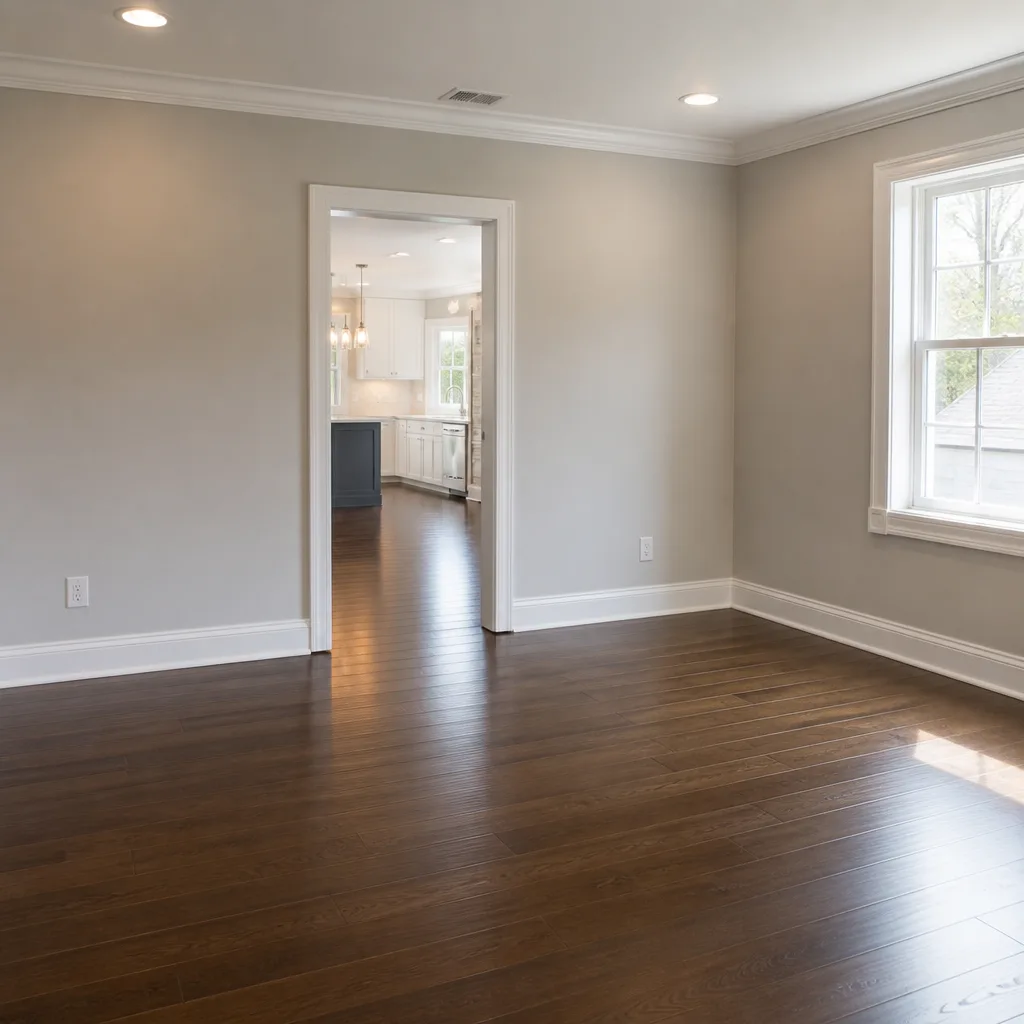 After
After24/7 Emergency Water Damage Restoration in Passaic
Water damage restoration in Passaic costs $2,800 to $7,400 for a typical basement flood, with river-water losses running $9,000 to $25,000 depending on Category 3 contamination and structural drying time. Most jobs start with a live call to (201) 762-0667 and a crew dispatched into the Passaic area within 45 minutes. The first hour matters because water in pre-war plaster walls and ash subfloors starts wicking upward immediately, and the Passaic River’s flat, slow-draining topography means that moisture lingers longer here than in higher-elevation towns like Clifton or Garfield.
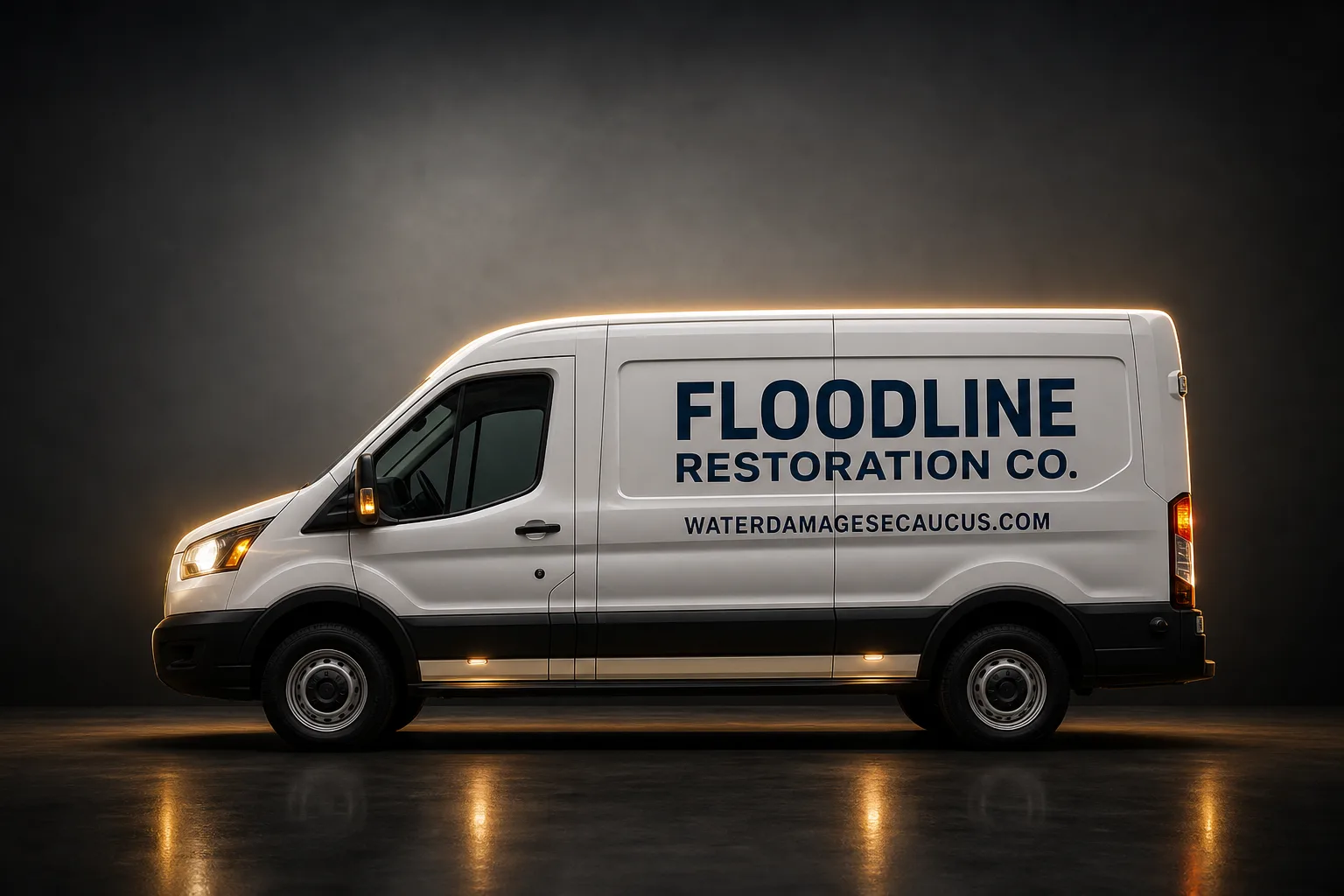
Floodline Restoration Co. answers live at (201) 762-0667 around the clock, every day of the year. When a cast-iron waste line cracks on Lafayette Avenue or a nor’easter backs the river into a basement on Sherman Street, we get a certified crew moving fast. Free visual inspection comes first, then a written scope before any work starts. That’s the square deal we’ve built our name on for over 42 years.
Understanding Water Damage Restoration Severity in Passaic Properties
Water losses fall into three categories, and Passaic sees all of them. Category 1 is clean water from a burst supply line, a failed water heater, or an overflowing tub. Category 2 carries contamination from washing machine discharge or sump pump failure. Category 3 is the kind we know best from the Passaic River’s recurring floods: sewage, river backflow, and street runoff carrying bacteria, chemicals, and silt into basements and first floors. Category 3 requires containment, antimicrobial treatment, and often full removal of saturated plaster and insulation.
Passaic’s housing stock makes severity worse than the water category alone suggests. Most buildings here are pre-WWII tenements, attached row houses, and converted mill-era structures with original plaster over wood lath. Plaster holds water like a sponge and hides moisture behind window casings, baseboards, and crown molding for weeks if nobody checks. Moisture mapping with thermal imaging and penetrating meters tells us where water actually went, not just where it pooled. In a four-story brick tenement on Market Street, water from a third-floor supply line break can travel through wall cavities and show up as a ceiling stain in the first-floor commercial space. That’s why we map and log readings daily until the dry standard is met, not just until the floor looks dry.
Need Emergency Water Damage Restoration in Passaic Now?
Crews minutes away, answering live 24 hours a day. The sooner we start, the less it costs.
Why Passaic Property Owners Choose Floodline Restoration Co.
- 45-minute response commitment: We dispatch from a board that watches Passaic’s bridges, on-ramps, and flood-prone blocks. When the river rises, we’re already staged closer than the franchises that route from Paramus or Newark.
- 24/7 live answer: A dispatcher picks up at 2 a.m., not a recording. You’ll talk to a person who knows the difference between a Category 1 supply-line break and Category 3 river water and gets the right crew rolling.
- IICRC-certified crews: Technicians hold WRT, FSRT, and AMRT certifications and are trained to RIA and IFA standards. Background-checked and uniformed, every one of them.
- Free visual inspection: We walk the loss with you, mark the water line, and hand you a written scope before any money changes hands. No surprises on the bill.
- Direct insurance billing: We bill your carrier directly and talk to your adjuster ourselves. You never play messenger between Floodline and the insurance company.
- One team from extraction to reconstruction: The same certified crew that sets up drying on day one handles daily moisture readings, pack-out, rebuild, and the final walkthrough. No mid-job handoff to a stranger’s crew.
Our Water Damage Restoration Process
Inspection & Assessment
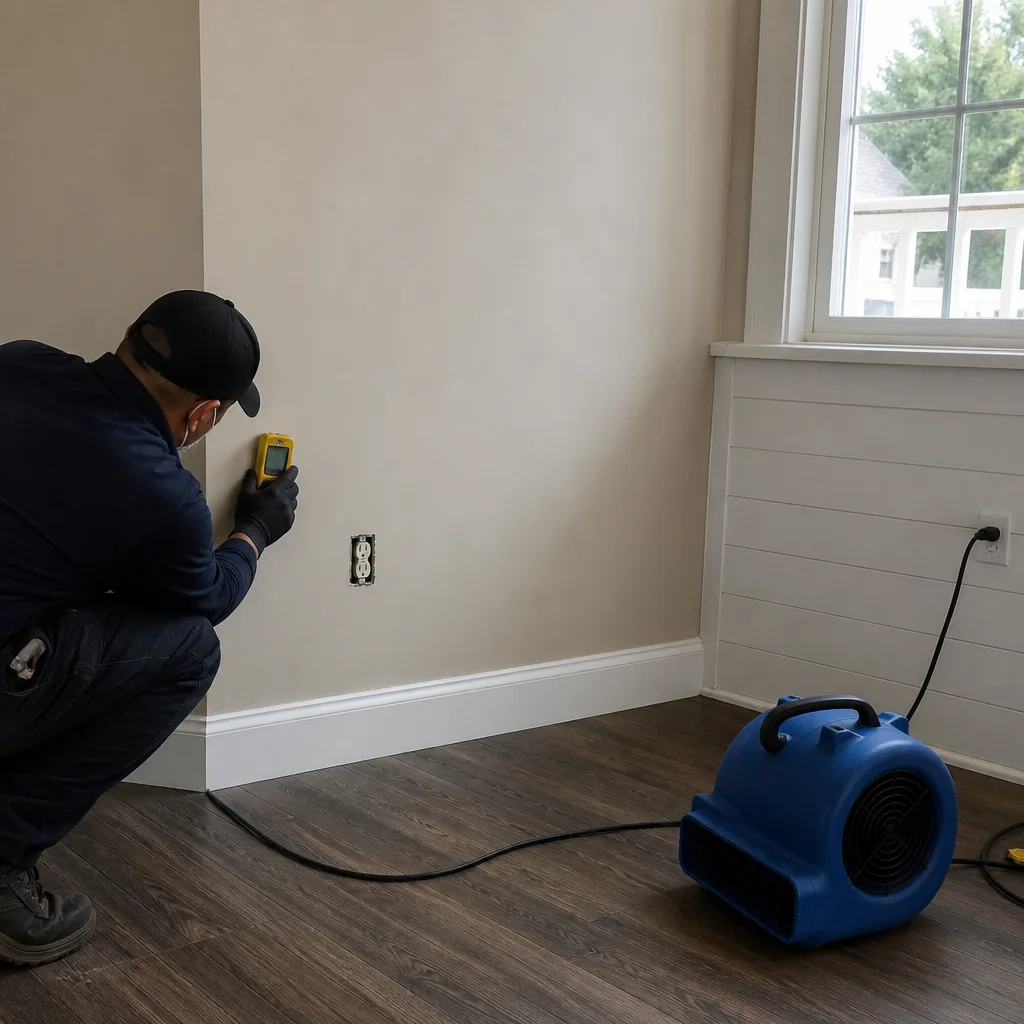
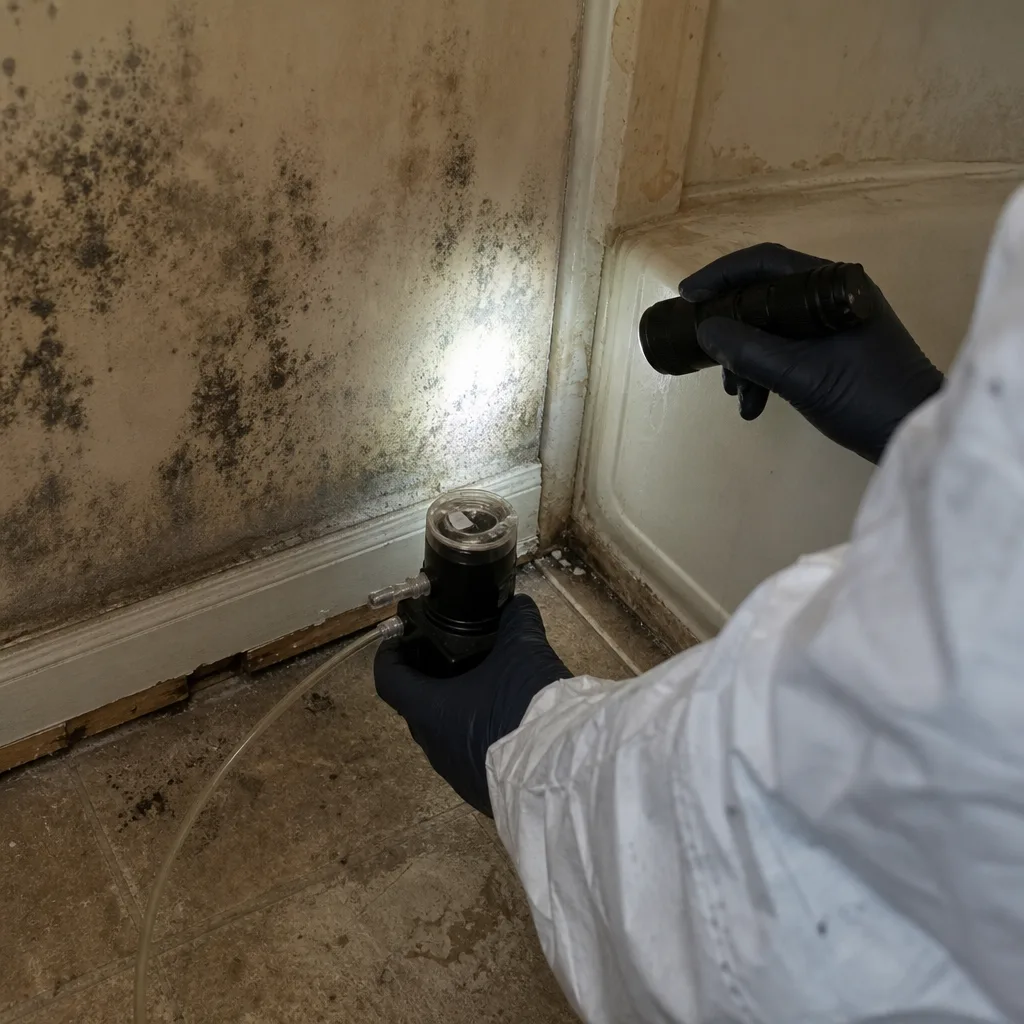
We start with a free visual inspection and moisture mapping. Thermal imaging cameras and penetrating meters locate water in wall cavities, under flooring, and behind baseboards. In Passaic’s older buildings, we also check for asbestos in pipe insulation and lead paint on plaster before any demolition starts.
Extraction & Stabilization
Portable extraction units handle tight alley-load entries and narrow stairwells that truck-mounted equipment can’t reach. We remove standing water, haul out saturated carpet and pad, and set containment where Category 3 water touched building materials. The river’s slow-draining flood zones mean rapid extraction matters more here.
Drying & Dehumidification
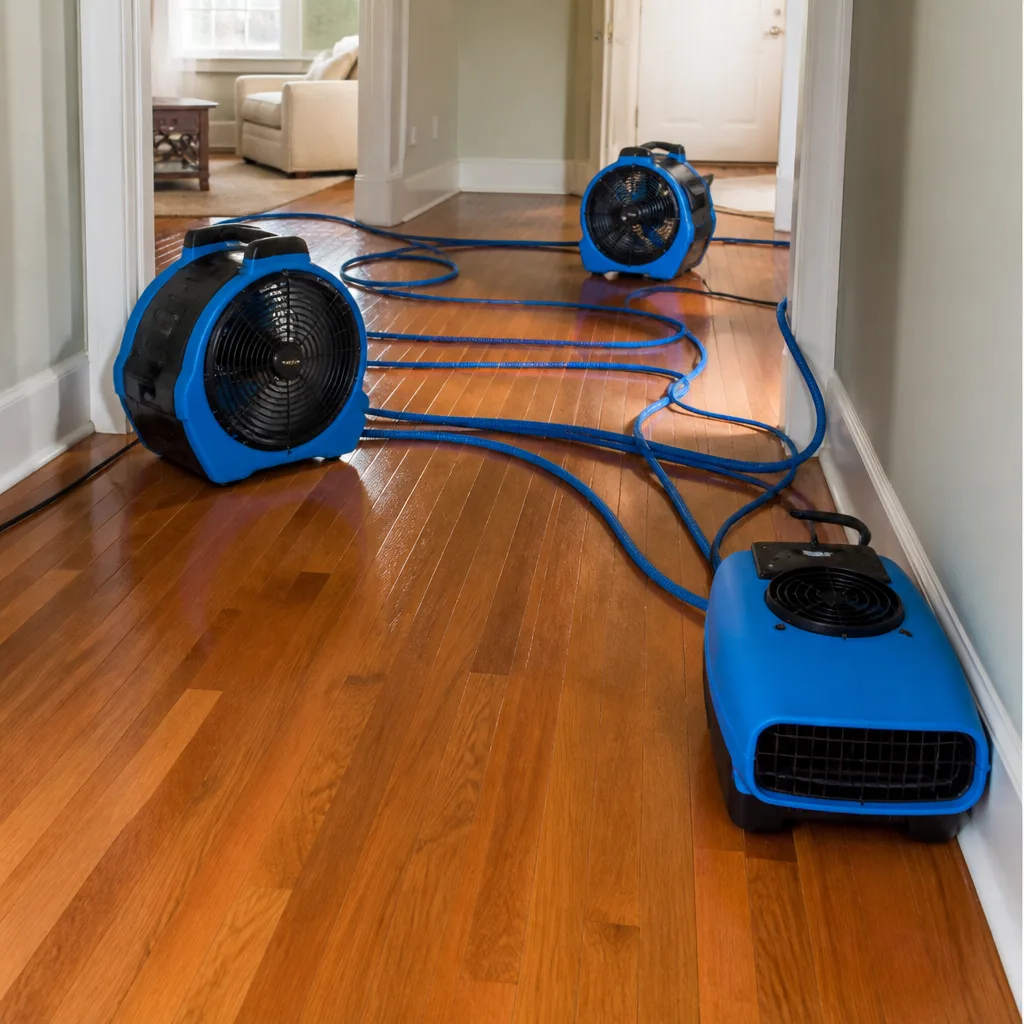
Dri-Eaz dehumidifiers and XPOWER air movers run continuously, positioned from a moisture map that marks the real damage perimeter. Daily hygrometer and meter readings go into a log we hand to you and your adjuster at the end. Passaic’s flat topography extends drying timelines, so we plan for six to nine days rather than the four to six typical in hill towns.
Cleaning & Sanitization
After drying, we clean and disinfect all affected surfaces. For Category 3 losses, we apply EPA-registered antimicrobials and run HEPA air scrubbers to clear airborne particulates. In a city with Passaic’s tenant density, clean air means displaced families can return to safe units faster.
Specialty Water Damage Treatment
River flood losses get mud-out and silt removal from subfloor crawlspaces, which is slow, necessary work most restoration companies in Passaic skip. Burst-pipe losses get controlled demo of plaster walls to the marked moisture line, never further. We cut out only what the meter says is wet.
Repairs & Restoration
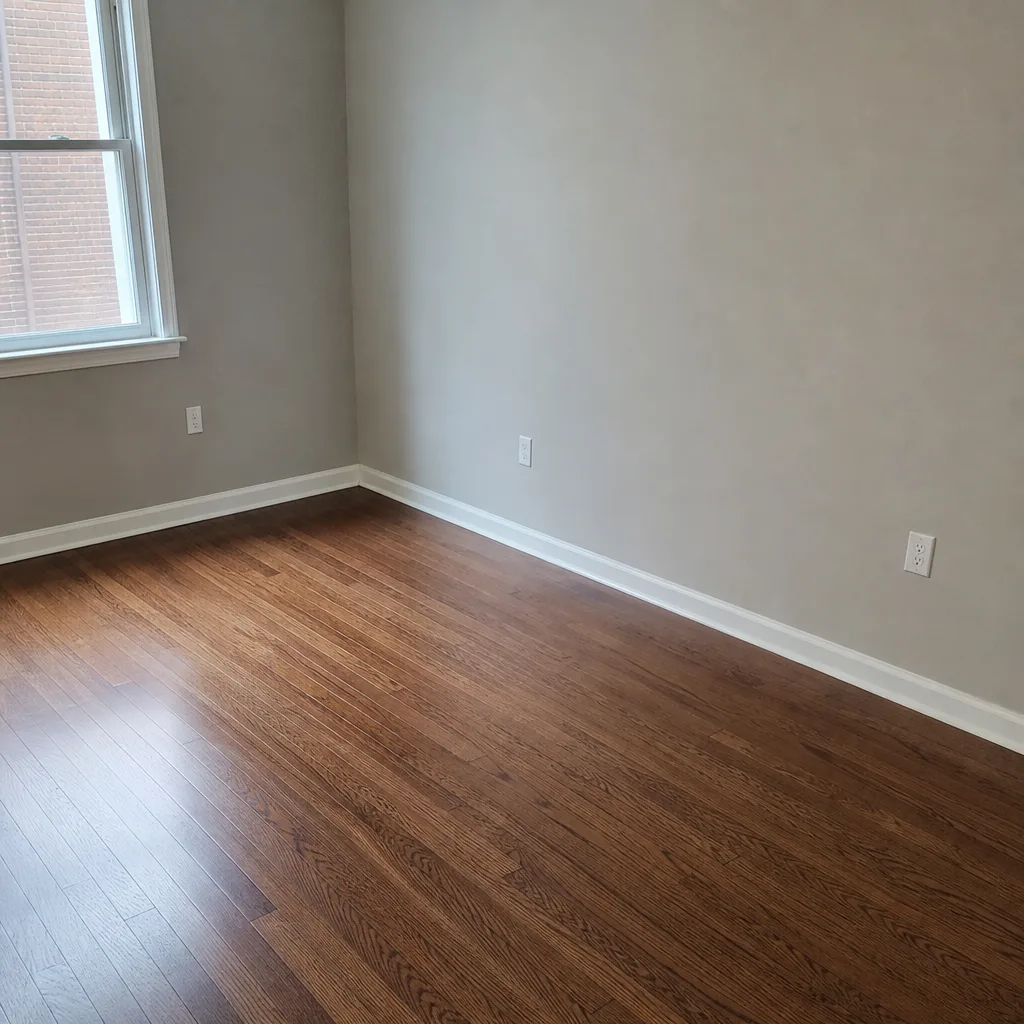
Our own crew rebuilds what we removed: drywall, plaster patching, trim, flooring, paint. We coordinate with city housing inspectors where needed and handle the logistics of tenant unit turnover. The 90-Day Done Right Promise covers the finished job in writing.
Need Emergency Water Damage Restoration in Passaic Now?
Crews minutes away, answering live 24 hours a day. The sooner we start, the less it costs.
Working With Your Insurance Company
We walk into a flood loss in Passaic knowing FEMA and private flood policies better than the property owner typically does. Documentation starts in the first hour, before extraction begins. Photos of the water line on the wall, the make and serial number of the failed water heater, the condition of the cast-iron waste line, and moisture readings from every affected room build a claim file your adjuster can approve without a second inspection.
Curt Bowman and the Floodline team talk to your adjuster directly. We submit industry-standard estimates, daily drying logs, and a line-item scope of work our crew actually follows. When a Passaic landlord’s flood policy disputes an item, we document why the flat, slow-draining topography pushed our drying time beyond the adjuster’s standard matrix. The homeowner or building owner sits out of the back-and-forth. That’s the arrangement we’ve worked under for years.
What We Provide Your Insurer
- Thorough documentation of the loss
- Photos of all damage, room by room
- Moisture readings and drying logs
- A detailed, line-item scope of work
- Direct coordination with your carrier
Built for Passaic’s Loss Calendar
Passaic’s water damage calendar runs differently from the rest of Bergen and Passaic counties. January and February bring deep freezes that crack supply lines in unheated hallways and exterior walls of pre-war tenements. A burst pipe on the fourth floor of a Gregory Avenue walk-up sends water down three flights before anyone notices. We’ve seen the ceiling of a first-floor bodega collapse from a fourth-floor freeze break, and we’ve seen the plaster walls of two adjacent apartments ruined before the super shut the riser.
Spring pulls snowmelt and rain into basements through cracked foundations and rising water tables. The flat ground near the Passaic River means a modest thaw backs floor drains in a matter of hours. Summer thunderstorms flash-flood the low-lying blocks south of Main Avenue with surprising speed. And the nor’easter season from September through November is when the river becomes the threat everyone on Sherman Street and Lafayette Avenue already knows. Passaic’s loss calendar isn’t a list of months. It’s a sequence of cause types, and our crews have been answering each one for years.
Water Damage Restoration Across Passaic’s Neighborhoods
Response routes matter in Passaic. Our crews stage differently for a basement flood off Main Avenue near the river than for a supply-line break in the Third Ward uphill blocks. Main Avenue’s commercial-and-residential mix means many older brick buildings share party walls, and water from one tenant’s burst pipe travels sideways into the neighbor’s unit through the shared wall cavity without ever showing up on the hallway side.
The blocks off Sherman Street, close to the Passaic River, carry the city’s recurring flood history. Homeowners there know the river by name and by year: Floyd, Irene, Sandy. They know what Category 3 water looks like and what it costs to clean. The streets around Passaic High School and along Gregory Avenue hold the city’s densest multi-family housing, where narrow stairwells and alley-load doors force extraction teams to work with portable equipment and stage pack-out on the sidewalk while tenants wait upstairs. Over near Pennington Park, the older row houses have tight exterior access and basement stairways that a truck-mounted extraction hose cannot navigate. Each of those neighborhoods shapes how we plan the job before the truck leaves dispatch.
Specialized Water Damage Restoration Services We Offer in Passaic
Emergency Water Extraction
Standing water in a Passaic basement does not wait for business hours. We bring portable extraction pumps and truck-mounted units when access allows, targeting full removal within the first visit. In tight alley-load row houses on the city’s east side, portable units are the only option, and our crews know which door clears the stairwell and which corner the pack-out can stage.
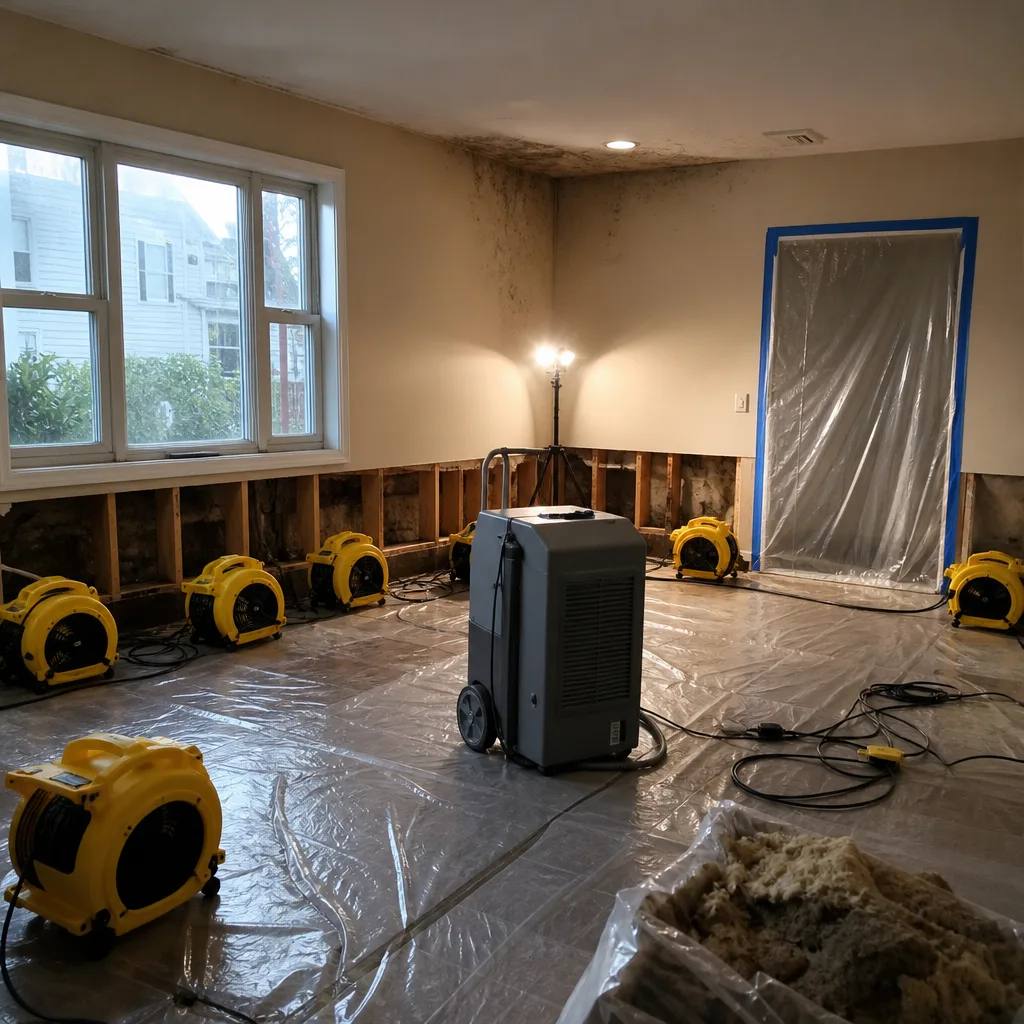
Flood Cleanup
River flood cleanup and our Storm & Disaster Restoration in Passaic are the specialties this geography demands. Silt from the Passaic River gets into every seam of a flooded basement, behind paneling, under stair treads, inside the rim joist. We mud-out the crawlspace, power-wash what can be cleaned, and cut out what cannot. FEMA and flood insurance claims follow a different documentation trail, and we build that file from the first hour.
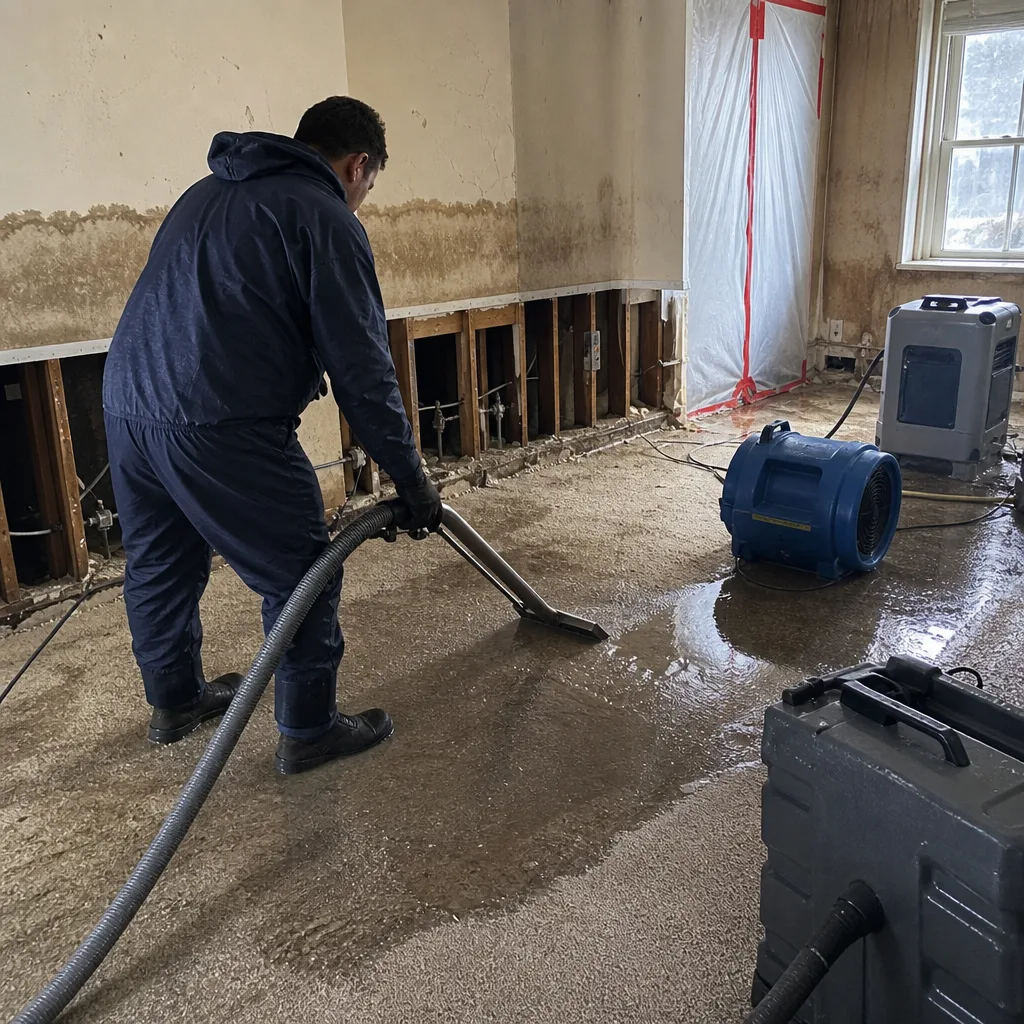
Structural Drying & Dehumidification
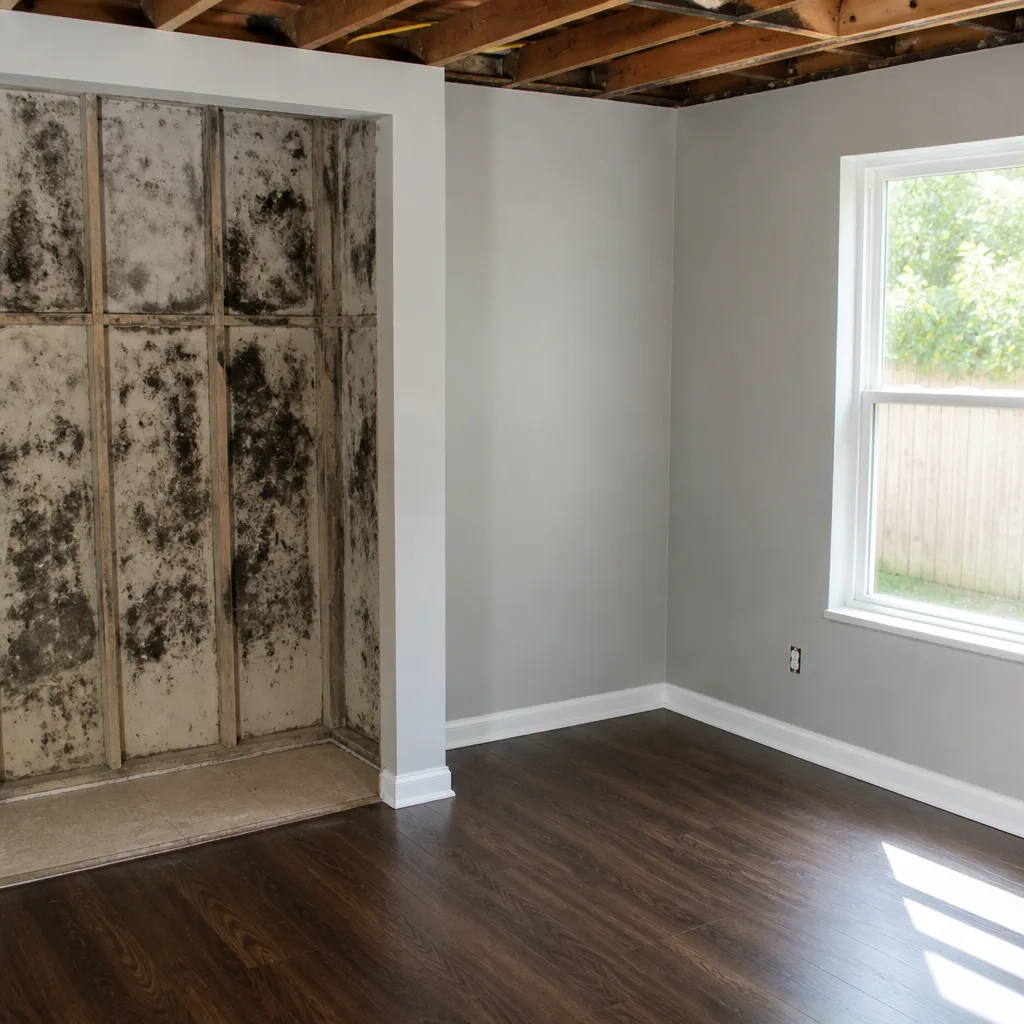
In a pre-war brick or frame tenement, plaster walls measured at 19% moisture content need six to nine days of Dri-Eaz dehumidification and XPOWER air movement, not the four to six common in newer sheetrock construction. We log daily readings, mark the moisture map on the wall in pencil, and don’t call it dry until the meter says the standard is met. That discipline keeps mold out of dense plaster walls where it takes hold within 48 hours in Passaic’s flat, slow-draining environment.
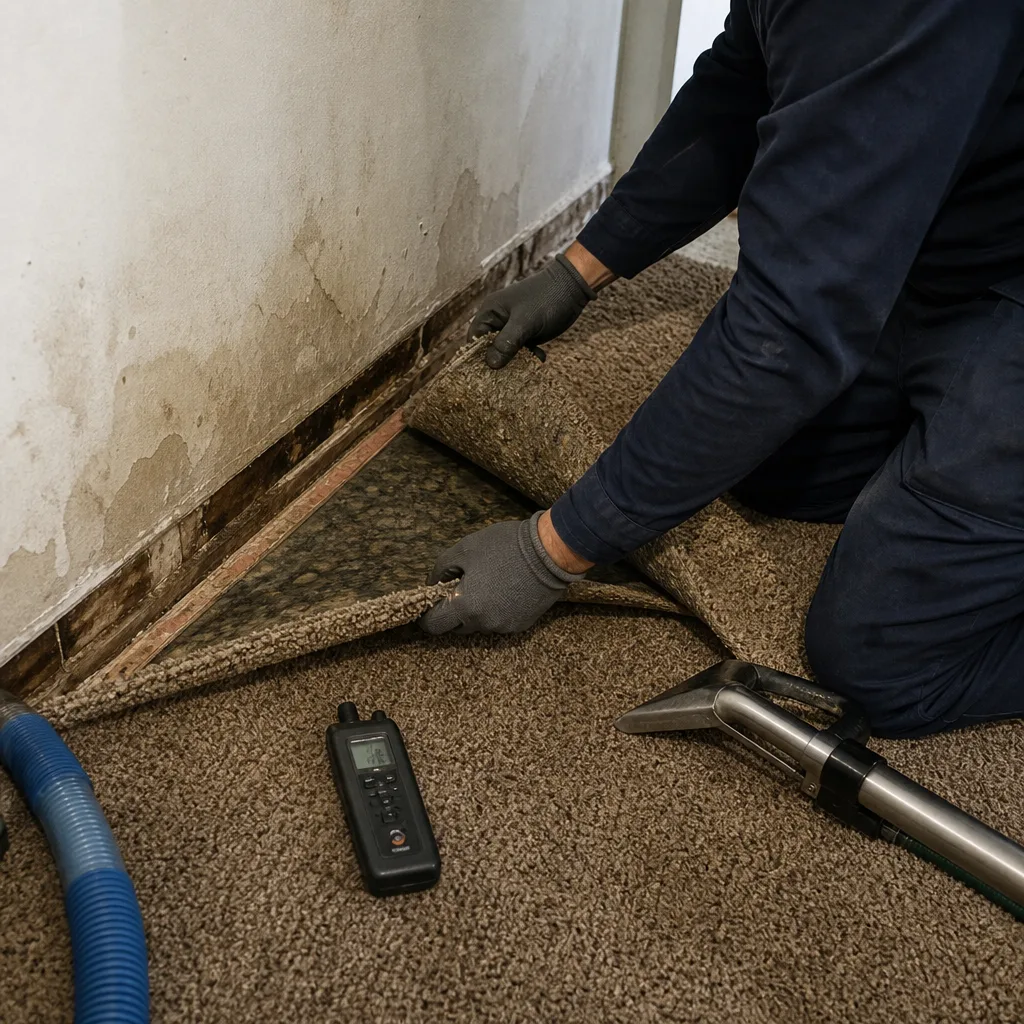
Burst Pipe Restoration
Frozen supply lines and aging galvanized risers account for most clean-water losses in Passaic’s pre-war buildings. When a riser fails in a four-story walk-up, our first job is controlling the flow, then extracting, then mapping how far water traveled through lath and plaster walls. We scope only the wet areas. The repair includes replacing the failed section, patching plaster, and repainting to match.
Basement Water Removal
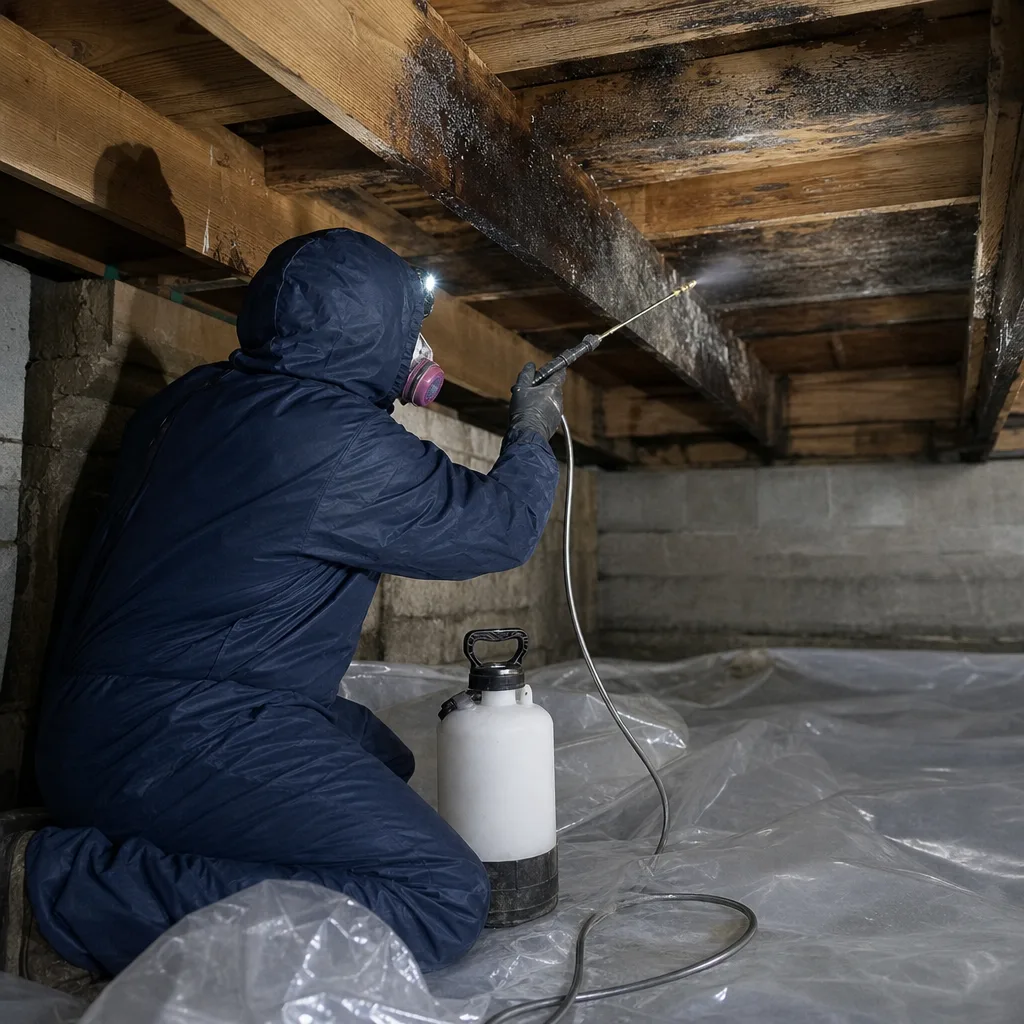
Basements in Passaic’s older housing stock run shallow, with low ceilings, original stone or brick foundations, and floor drains connected to municipal systems that back up during river events. We pump standing water fast, then address the source: foundation seepage, failed drain tile, a sump pump that quit, or the floor drain that just returned the river. When backups are involved, Sewage Cleanup - Passaic protocols guide our full sanitization process. Removing water without fixing the source just schedules the next call.
What happens when you call
- 1
A real person answersNo phone trees - you reach a local pro.
- 2
You get an upfront price rangeHonest numbers before anyone is dispatched.
- 3
A background-checked tech heads outLicensed & insured, dispatched right away.
- 4
You approve before work beginsNothing starts until you say go.
Water Damage Restoration Costs in Passaic, NJ
A typical basement water removal and structural drying job in Passaic runs $2,800 to $7,400 for clean water. Category 3 river flood losses, with containment, mud-out, antimicrobial treatment, and demolition of saturated plaster, commonly land between $9,000 and $25,000, depending on square footage and how much original material must be removed. Burst-pipe restoration in a single apartment typically costs $3,500 to $8,500 including dry-in and repaint.
What moves the price is the same thing that moves the drying time: Passaic’s older construction. Plaster removal and replacement costs more than sheetrock, and required asbestos abatement on pipe insulation or lead paint on original trim adds line items you won’t see in a vinyl-sided Clifton rancher. Insurance covers most of these losses, and we bill the carrier directly. The free visual inspection produces a firm written scope, so you know the full number before any work begins. Call (201) 762-0667 for exact pricing on your loss.
We Also Serve Cities Near Passaic
Our Passaic crews also cover Water Damage Restoration in Passaic and the surrounding towns: East Rutherford, Rutherford, Carlstadt, and Lyndhurst. Same live dispatch, same 45-minute response commitment, same written scope before work starts. When a flood or pipe break hits, the city limits don’t change how fast we get there.
Passaic Water Damage Restoration Questions, Answered
Why does water damage restoration in Passaic take longer to dry than in nearby towns like Clifton?
Passaic’s flat topography and dense pre-war construction extend structural drying timelines by two to four days compared to higher-elevation, newer-built towns like Clifton. The ground near the Lower Passaic River drains slowly, so moisture stays in foundation walls and subfloor cavities longer, and original plaster walls hold water far longer than modern sheetrock. We plan for six to nine days of Dri-Eaz dehumidification on a Passaic plaster loss, and we log daily readings to prove the dry standard before any rebuild starts.
What water category is typical for Passaic River flooding, and how does that affect my restoration?
Passaic River flooding is almost always Category 3 water: sewage, river backflow, and street runoff carrying bacteria and silt into basements and first floors. Category 3 requires containment, EPA-registered antimicrobial treatment, and often full removal of saturated plaster and insulation rather than just drying in place. House-piping losses from burst supply lines are Category 1 and dry faster, but river losses always demand the heavier protocol. Call (201) 762-0667 and we’ll help you identify which category yours is before any work is scoped.
How do restoration crews handle tenant displacement in Passaic’s multi-unit rentals after a flood?
In Passaic’s dense multi-unit tenements, a basement flood almost always means first-floor apartments go uninhabitable while drying and rebuild run their course. We coordinate directly with the landlord’s flood-insurance adjuster and the city housing inspector to manage tenant displacement, unit access, and re-occupancy timing. Last fall, our crew ran a Lafayette Avenue basement loss where we set containment in a narrow alley-load entry, mapped moisture in 100-year-old plaster, and ran Dri-Eaz air movers for six days while the city inspector and the landlord’s adjuster sorted out the two displaced first-floor tenants. That logistical work is just part of the job here.
Do I need to worry about asbestos and lead paint during water damage restoration in my Passaic home?
Yes, and any contractor who skips this check is putting your job at risk of a city inspection shutdown. Passaic’s pre-WWII housing stock frequently contains asbestos pipe insulation and lead paint on original plaster walls and trim. Before we cut into wet walls, we test and, when required, bring in certified abatement for the affected scope. It adds cost and time, but skipping it is how a simple pipe break becomes a vacant building with a red tag and displaced tenants.
What emergency water extraction methods work best in Passaic’s narrow alley-load townhomes?
Alley-load row houses and attached townhomes in Passaic rarely allow truck-mounted extraction units to reach the loss. We use portable extraction pumps and truck-mounted units only when access allows, staging pack-out on the sidewalk or in the alley while portable equipment runs inside. The extraction goal is the same: get standing water out fast, lower ambient humidity immediately, and keep the moisture from wicking into shared party walls. Our crews pre-plan access from the street before the first pump goes in.
How fast can Floodline Restoration Co. actually get to my Passaic property?
We commit to a 45-minute response for property owners in Passaic, and our dispatch board is staged to hit that on the city’s flood-prone blocks as well as its uphill streets. A live dispatcher answers at (201) 762-0667, takes the address, and routes the nearest certified crew. In river events, we pre-stage trucks near the Sherman Street and Lafayette Avenue corridors before the water peaks.
What should I do in the first 30 minutes after discovering a water leak or flood in Passaic?
Shut off the building’s water supply at the main if you can reach it safely, kill power to the affected area at the panel, and call (201) 762-0667. Do not enter standing water in a flooded basement if electrical panels, outlets, or gas appliances sit at the water line. Photograph the visible damage from a safe spot, move portable valuables away from the water line, and keep clear of saturated ceilings. A live dispatcher will walk you through safety while the crew rolls.
Will my flood insurance claim cover water damage restoration in Passaic, or am I paying out of pocket?
Most flood losses in Passaic fall under FEMA NFIP policies or private flood coverage held by property owners or landlords, and those policies cover restoration and rebuild when the loss is properly documented. We work directly with your carrier, provide drying logs and photos, and bill them directly. For a burst pipe or supply-line break, standard homeowners or building policies apply. The kind of insurance in the room depends on the kind of water on the floor, and we identify that before any estimate is written.
Serving Passaic, NJ - Our Local Coverage Area
We’re based in the Passaic area and know this community well. Use the map below to see our service coverage - if you’re nearby, we can almost certainly help.
Standing Behind the Work in Passaic
Passaic sits at the floodline of one of the Northeast’s most flood-prone urban rivers. The city flooded during Hurricane Floyd in 1999, again during Irene in 2011, and again during Superstorm Sandy in 2012. The restoration work that follows those events is what built our Water Damage Restoration practice into a standing flood-response operation, not an occasional emergency call service.
When we finish a job in Passaic, the homeowner or landlord gets one file with the moisture log, the photos, the line-item scope, and the 90-Day Done Right Promise in writing. If it’s not done right, we make it right. No arguing, no paperwork battles. That promise is the Keystone Standard, and our approach to Passaic work has carried it for over 42 years. Call (201) 762-0667 and talk to a live dispatcher about your loss now.
Written by Curt Bowman, Owner at Floodline Restoration Co., serving Passaic and the surrounding cities since our founding in 2010.