
Last updated August 25, 2026
Free visual inspection and a written scope of work before any mitigation begins - photos, moisture readings, and drying logs go in your claim file
The scope we write is the scope we bill. Anything new gets shown to you, in writing, before we touch it.
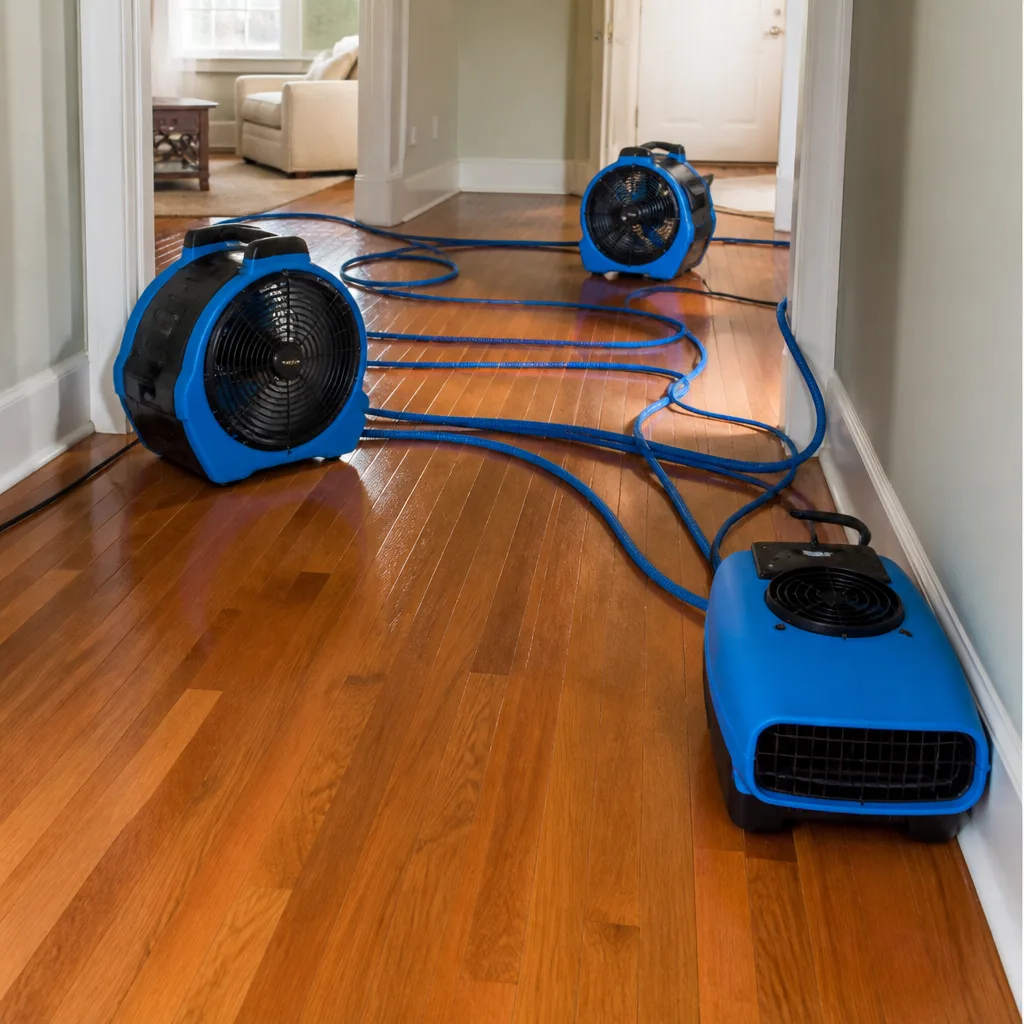

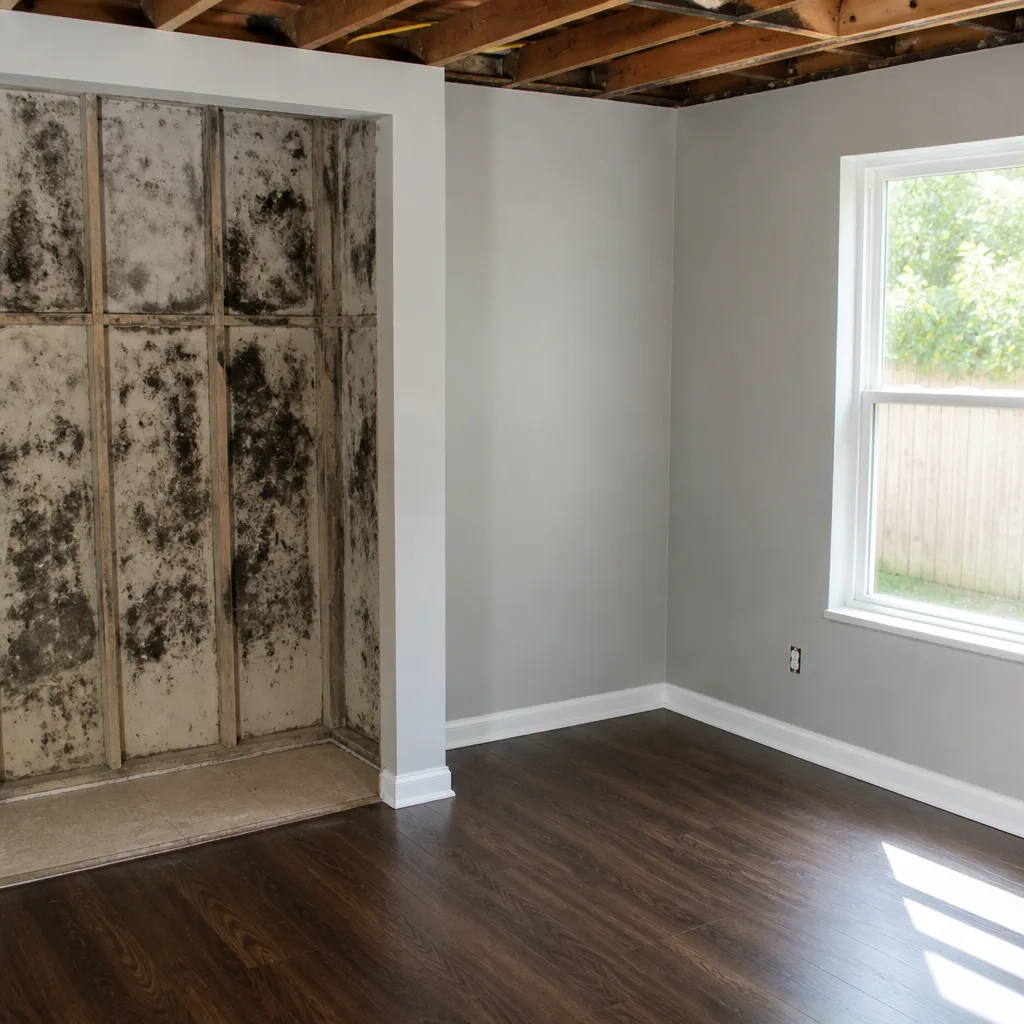



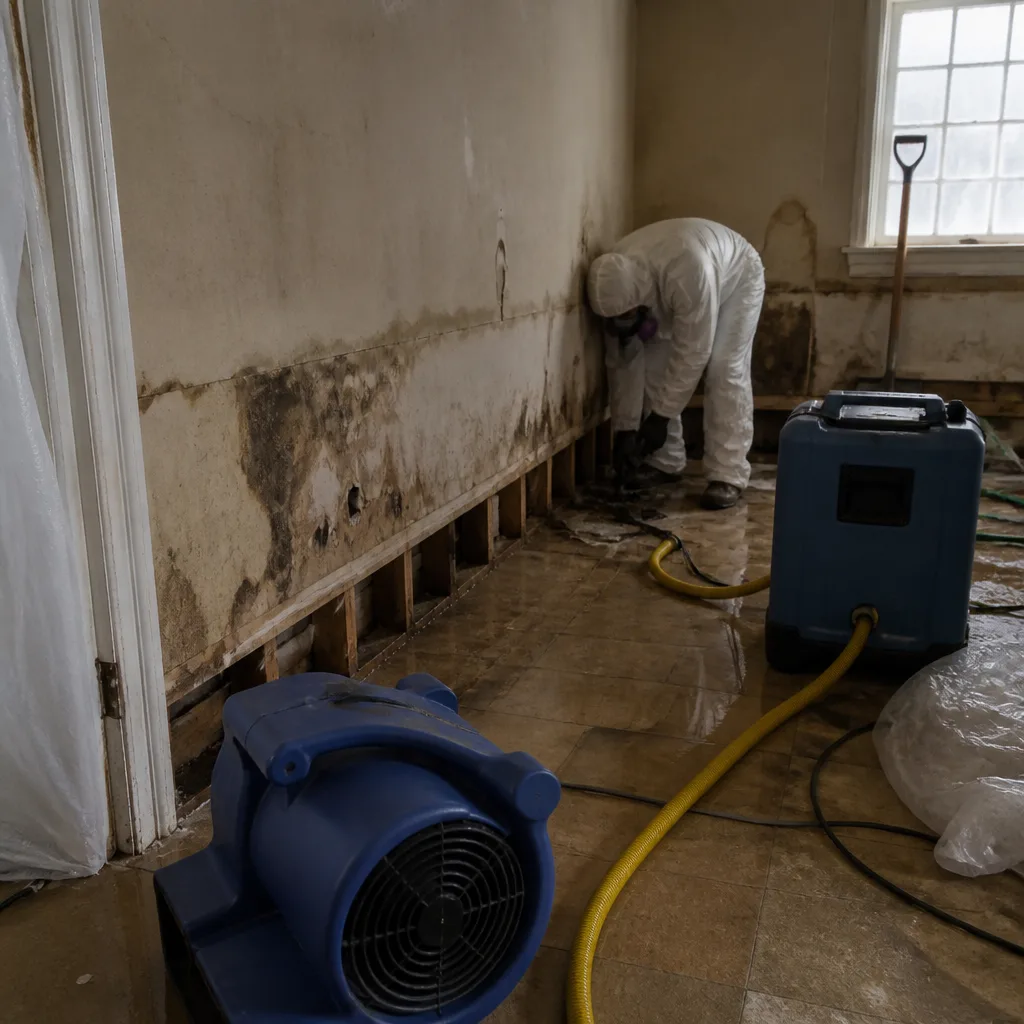 Before
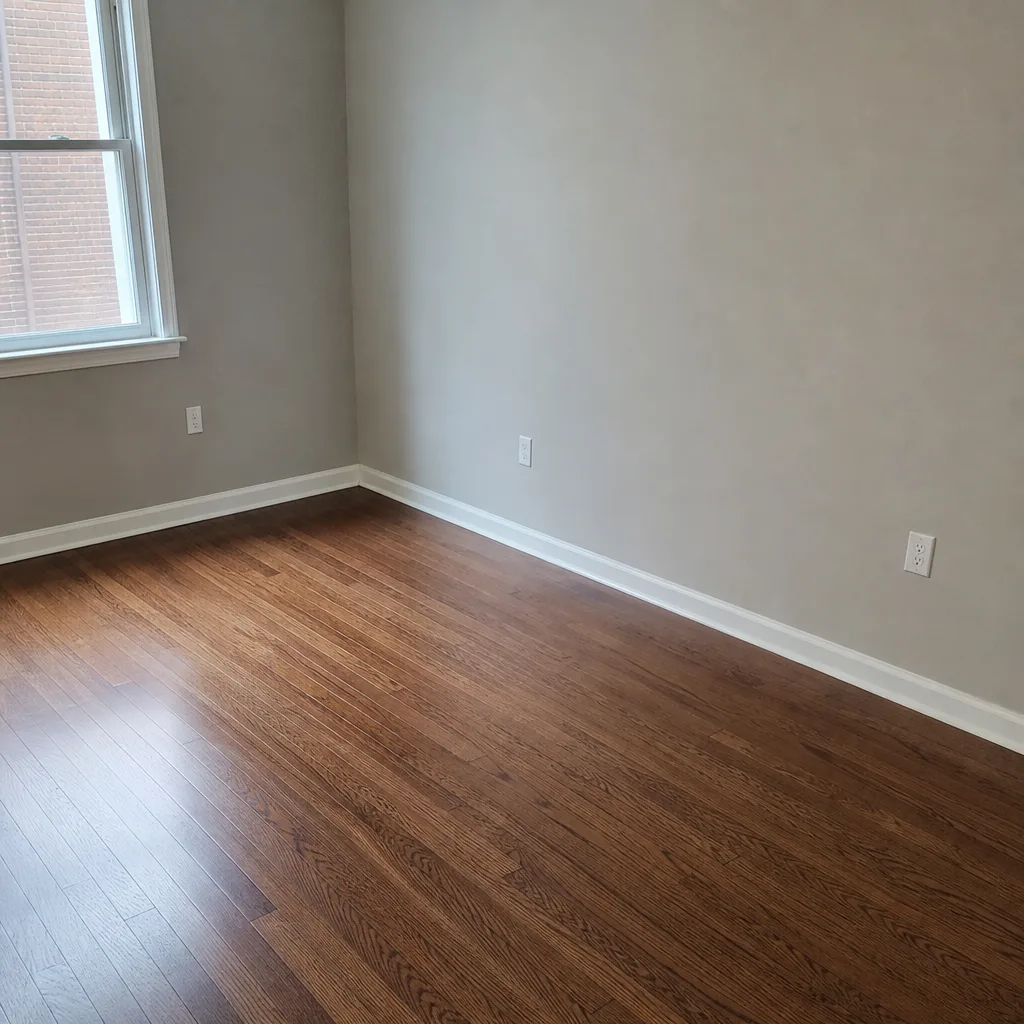 After
After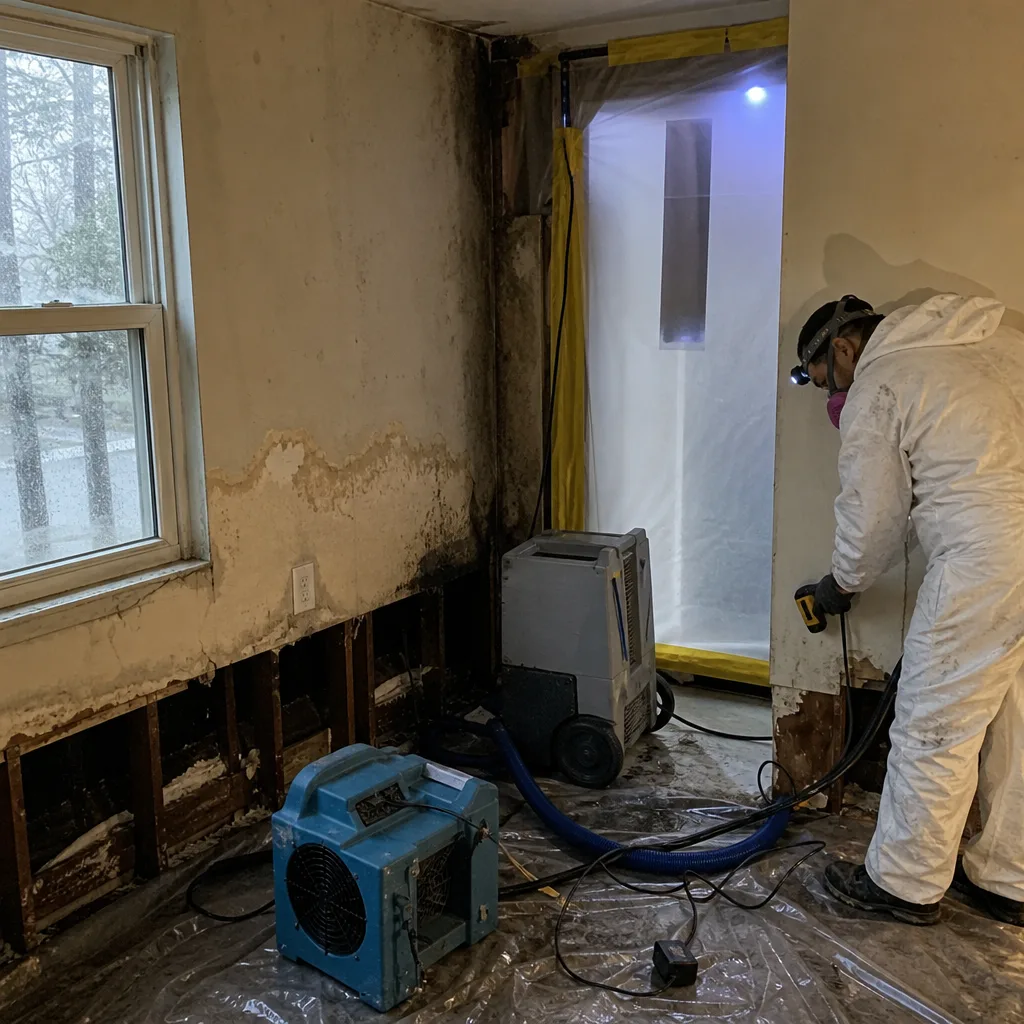 Before
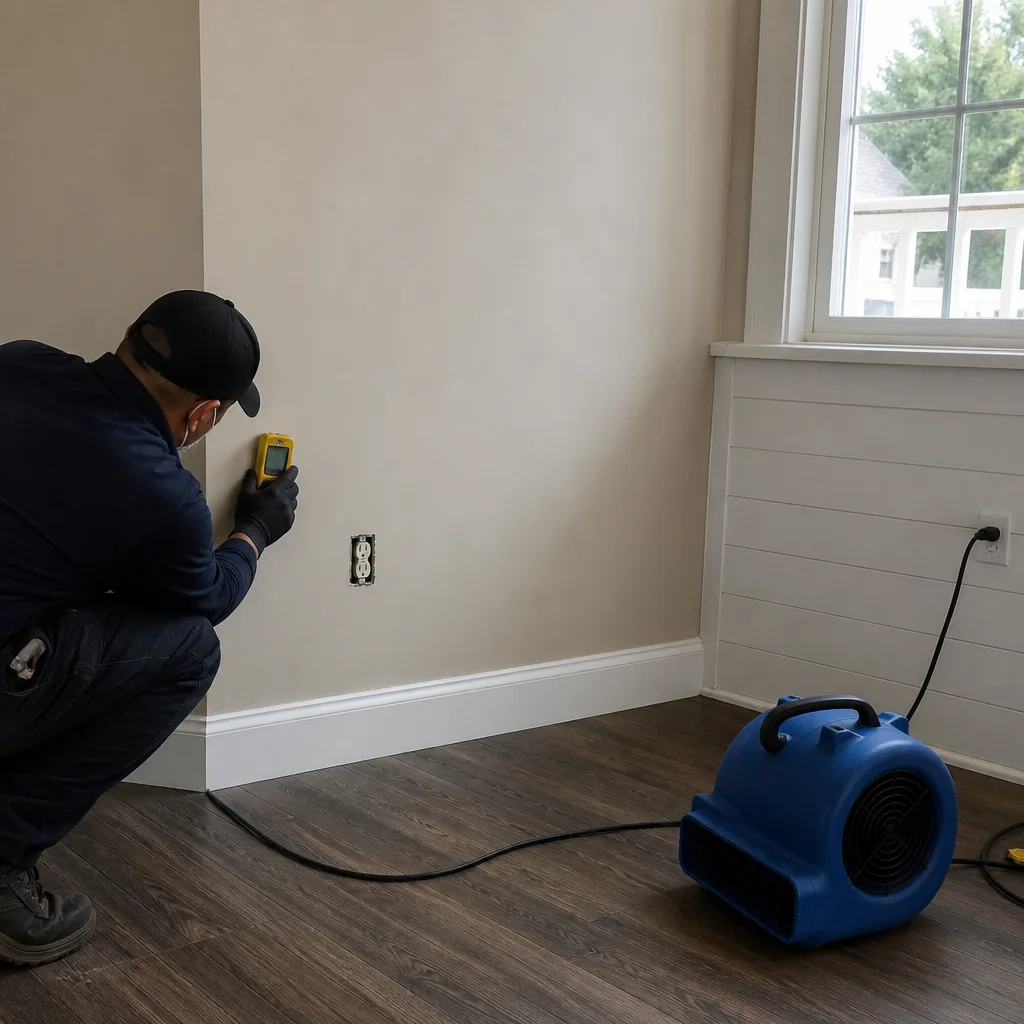 After
After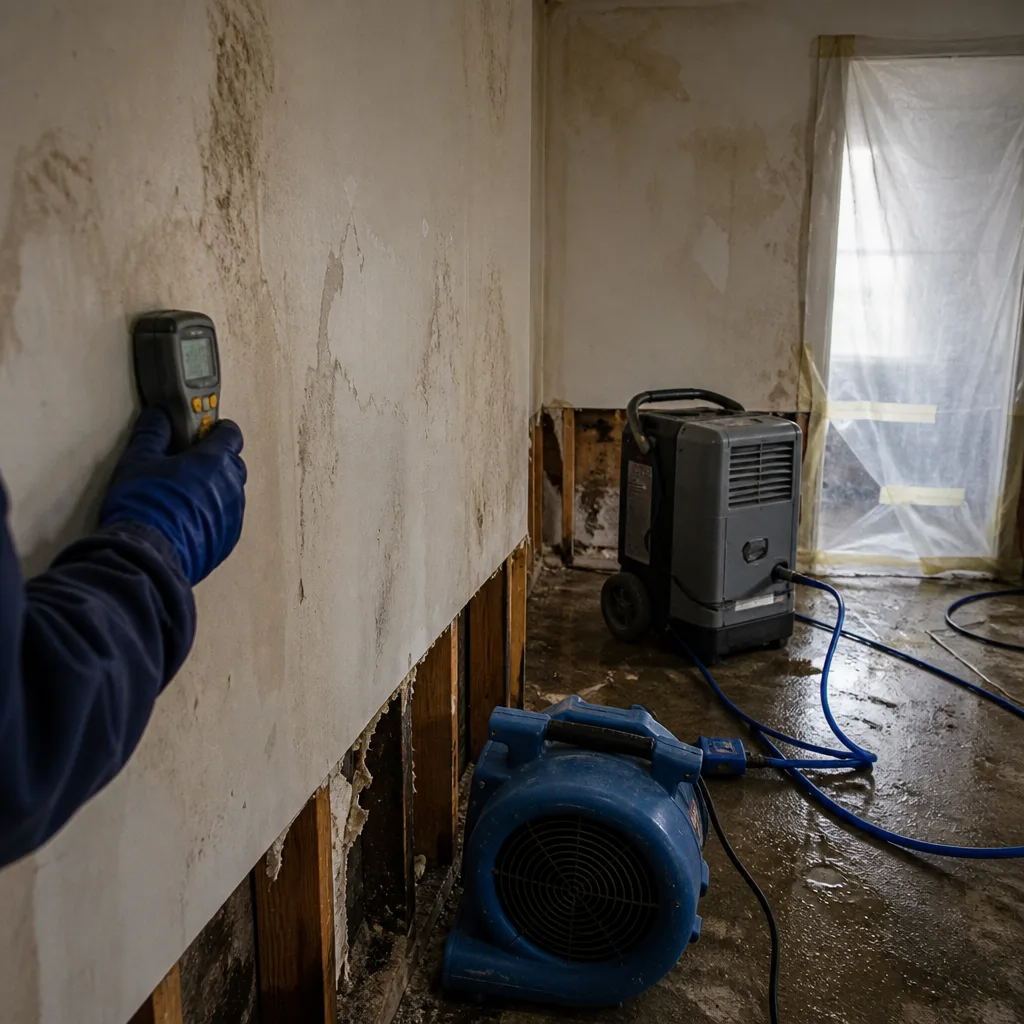 Before
 After
AfterHow to Hire a Damage Restoration Contractor in Secaucus: A Step-by-Step Guide
Most homeowners in Secaucus will hire a damage restoration contractor exactly once in their lives, and they’ll do it on the worst day they’ve had in years. Water is rising in the basement off Meadowlands Parkway, or a dryer vent fire left smoke through every room on the second floor, and suddenly you’re making a five-figure decision with no time and no frame of reference. This guide walks through the entire hiring process the way we’ve watched careful homeowners do it for over a decade in Secaucus: what to check first, what to ask on the phone, what a legitimate scope of work looks like, and where people get burned. If you’d rather skip straight to a conversation, call (201) 762-0667 and a live dispatcher will answer, day or night.
Quick Answer
Hire a damage restoration contractor in Secaucus by verifying three things before you sign anything: the company answers the phone with a live person 24/7, the crew is certified to IICRC standards and carries direct insurance billing, and the written scope of work covers extraction through rebuild with a specific, named guarantee. Avoid any contractor who asks you to relay messages to your insurance carrier or who won’t put the dry standard in writing.
Table of Contents
- Verify Credentials Before You Say Yes
- Understand How Insurance Billing Actually Works
- Get a Written Scope of Work Before the Crew Arrives
- Ask What Equipment the Crew Will Use
- Why One Crew Should Handle Extraction Through Rebuild
- Secaucus-Specific Factors That Affect Restoration Work
- Questions to Ask on the First Phone Call
- Common Mistakes to Avoid
- When to Call a Professional
- Frequently Asked Questions
- The Bottom Line
Verify Credentials Before You Say Yes
Any restoration contractor worth hiring in Secaucus will tell you exactly who shows up at your door and what training they carry. We mean this literally: ask on the phone call, before dispatch. A straight answer sounds like, “Our technicians are background-checked, uniformed, and certified to IICRC, RIA, and IFA standards.” A vague answer sounds like, “We’ve got good guys.” Those are not the same thing.
The IICRC (Institute of Inspection, Cleaning and Restoration Certification) sets the standard for water damage restoration, mold remediation, and fire and smoke restoration. It’s the baseline credential in this industry. RIA (Restoration Industry Association) certification means the company follows documented restoration procedures rather than winging it. IFA (Institute of Inspection, Cleaning and Restoration Certification’s sister body for forensic restoration) matters most on mold and biohazard work. When a contractor in Secaucus can name these three, you’re talking to a company that trains its people, not one that hires day labor and hands them a wet vac.
Here’s the checklist we recommend running through before you allow anyone into your home:
- Ask for the company’s full legal name and Secaucus address. A real local company has a real local footprint. We’re based in Secaucus, not a call center in another state.
- Ask what certifications the technicians on the truck carry. IICRC is the floor. RIA and IFA tell you the company goes further.
- Ask if the crew is background-checked and uniformed. You’re letting strangers into your home at a vulnerable moment. You have a right to ask.
- Ask for proof of insurance. General liability and workers’ compensation both. If a worker gets hurt on your property and the contractor doesn’t carry workers’ comp, your homeowner’s policy can take the hit.
- Check the guarantee. A company that stands behind its work says so in writing. Ours is the 90-Day Done Right Promise, and we don’t soften it.
One more thing worth saying plainly: the cheapest bid is rarely the square deal. In Secaucus, the cost of restoration work reflects equipment, training, and insurance, not marketing. A contractor who undercuts everyone else is cutting something, and it’s usually the part you can’t see until the mold returns.
Understand How Insurance Billing Actually Works
The single biggest point of confusion for Secaucus homeowners is who pays whom, and when. Here’s the direct answer: a legitimate restoration contractor bills your insurance carrier directly and keeps you out of the messenger role entirely. You should never have to carry paperwork back and forth between a contractor and an adjuster.
Here’s the sequence, step by step:
- The damage happens. You call your insurer to open a claim, and you call a restoration contractor to stop the damage from spreading. The order matters less than the speed; in Secaucus, water from a burst supply line can move through a finished basement in under an hour.
- The contractor documents everything. Photo documentation, moisture readings, a written scope of work. This is the evidence your adjuster will review. The more thorough the documentation, the smoother the claim.
- The contractor coordinates with the adjuster directly. You should not be the one explaining the difference between a Category 2 and Category 3 water loss. That’s the contractor’s job.
- The carrier approves the scope and issues payment. Depending on your policy, the carrier may pay the contractor directly or reimburse you. Your contractor should explain which applies to your situation, not leave you guessing.
- Work proceeds, and the contractor handles the paperwork. Direct insurance billing means exactly this: the homeowner never plays messenger.
A warning sign we’ve seen more times than we can count: a contractor who says, “You deal with your insurance and then pay us.” That’s not direct billing, that’s offloading the hardest part of the job onto you. It’s also a red flag that the contractor doesn’t have experience working with carriers, which means the claim will be slower, the scope will face more pushback, and the homeowner ends up in the middle of a tug-of-war they never asked for.
Floodline Restoration Co. has handled direct insurance billing in Secaucus for years. The team at Floodline Restoration Co. home knows how carriers want documentation structured, what adjusters look for in a moisture log, and how to keep a claim moving without the homeowner making a single middle-of-the-day phone call.
Get a Written Scope of Work Before the Crew Arrives
Here’s a sentence every Secaucus homeowner should memorize: no written scope, no work. A legitimate restoration contractor puts the plan in writing before the first piece of equipment comes off the truck. That document is your protection against scope creep, surprise charges, and the most common complaint in this industry, which is that the job grew after it started.
A proper written scope includes at minimum:
- The source of the damage, written in plain language (“supply line failure behind first-floor bathroom vanity,” not “water event”).
- The category of water, if applicable. Category 1 is clean water, Category 2 is contaminated, Category 3 is sewage or floodwater. The category determines the entire remediation approach.
- The affected square footage, room by room.
- The equipment to be used, by brand where it matters. Dri-Eaz dehumidifiers, Phoenix air movers, XPOWER extraction units, B-Air drying systems, Injectidry for hardwood and cavity drying.
- The dry standard, expressed as a number. Not “dry,” but dry to the moisture content of an unaffected area, documented with daily readings on a moisture log.
- The rebuild scope, if the damage requires reconstruction. This should be itemized, not lumped.
- The guarantee, stated in writing, with the company’s name attached. Ours is the 90-Day Done Right Promise, and you’ll get it on paper before work starts, not after.
The dry standard deserves emphasis because it’s where cheap contractors cut corners. “Dry” isn’t a feeling. It’s a measurable moisture content, typically 8-12% for wood depending on the material and the season, and it gets verified with a moisture meter, not a palm on the drywall. A contractor who won’t commit to a written dry standard is planning to leave while the studs are still damp. In Secaucus, where summer humidity sits high off the Hackensack River, that’s a mold problem waiting to happen.
Ask What Equipment the Crew Will Use
The equipment a restoration crew brings into your Secaucus home is the difference between a one-visit job and a three-week saga. This is not a detail. It’s the entire ballgame.
Professional-grade drying equipment is engineered for restoration, not for home improvement. A Dri-Eaz dehumidifier will pull 130 pints of water from the air in a day. A Phoenix axial air mover moves air across wet surfaces in a way a box fan cannot. XPOWER and B-Air make professional extraction and air movement units that stand up to continuous operation for days at a time. Injectidry systems are built specifically for the hardest drying problem in residential restoration: water trapped behind baseboards, under hardwood flooring, and inside wall cavities where surface drying never reaches.
Why does this matter to a homeowner who doesn’t care about dehumidifier brands? Because the alternative is exactly what you’d guess: a contractor shows up with rental equipment or hardware store fans, sets them up, and comes back every few days to see if the moisture happened to leave. It hasn’t. Then the job drags on, the mold window opens, and the claim gets complicated. We’ve been called into Secaucus homes where this exact scenario played out with a previous contractor, and the homeowner paid twice.
Ask directly: “What dehumidifiers and air movers will you use?” A good answer names brands and gives you a number. A bad answer says “commercial equipment” and changes the subject. Our crews run Dri-Eaz, Phoenix, and Injectidry on Secaucus water losses, and the moisture log from day one to final reading is handed to you and your carrier, not kept in a drawer at the shop.
Why One Crew Should Handle Extraction Through Rebuild
The restoration industry has a structural problem, and you should know about it before you hire anyone in Secaucus. Many companies are split into two halves: one that does mitigation (extraction and drying), and another that does reconstruction (drywall, flooring, paint). The homeowner calls the mitigation company, the mitigation company finishes drying and hands the rebuild to somebody else, and now the homeowner is coordinating between two schedules, two invoices, and two guarantees that don’t cover each other.
We’ve watched this play out in Secaucus. A homeowner has water damage in a finished basement, the mitigation crew pulls out the wet drywall and sets up fans, the drying phase ends, and then the homeowner waits three weeks for a rebuild crew that never saw the moisture map and doesn’t know which studs were soaked. The rebuild goes wrong, and each company points at the other.
The alternative is what we do at Floodline Restoration Co.: the same certified crew that reads the moisture map on day one handles the daily readings, hits the dry standard, and then rebuilds what needs rebuilding. No handoff. No inherited crew. The person who knows exactly which wall cavities held water is the person putting new drywall on those studs. The Floodline Restoration Co. home approach keeps the job whole from first extraction to finished paint.
This matters more than most homeowners realize. A rebuild that ignores the moisture history of the house is a rebuild that fails early. A company that splits mitigation and reconstruction is a company that has created an information gap, and you’re the one standing in it.
Secaucus-Specific Factors That Affect Restoration Work
Secaucus is a specific place with specific risks, and a restoration contractor who knows the town will do better work than one who’s driving in from fifty miles away. Here’s what we mean.
Flood and moisture risk: Secaucus sits low and wet, bordered by the Hackensack River and crisscrossed by tidal marsh. Much of the town is in a FEMA flood zone, and even homes outside the mapped zones sit on soil that holds moisture. Basement water intrusion is a recurring event here, not a once-a-decade surprise. A contractor who knows Secaucus knows what that means for drying strategies: longer dry times, higher humidity loads, and a higher bar for mold prevention.
Housing stock: Secaucus has a mix of older single-family homes, many built before modern waterproofing, and newer construction near the Harmon Meadow area. Both present different restoration challenges. In older homes, we regularly see water damage complicated by decades of accumulated layers: original plaster over newer drywall, multiple flooring layers, hidden cavities. In newer homes, the challenge is usually different: tighter building envelopes that trap moisture if drying is underpowered.
Permits and codes: Secaucus follows New Jersey building codes, and significant reconstruction work after a fire or flood often requires local permits. A legitimate contractor pulls them. A fly-by-night operation skips them and leaves the homeowner holding an unpermitted rebuild. Ask about permits on the first call.
Seasonal factors: Secaucus winters bring burst pipes, and summer brings thunderstorms that overwhelm drainage. Late summer and early fall are the highest-risk months for water intrusion from heavy rain. None of this is a surprise to a contractor who works the town regularly, which is one more reason to hire local rather than a national chain dispatching from out of state.
Questions to Ask on the First Phone Call
The first phone call is where you learn almost everything you need to know. Here are the questions, in order, with the answer you’re hoping to hear. A live dispatcher should answer within a few rings at any hour. If you reach voicemail at 2 a.m. after a pipe burst, you’re not talking to a company with 24/7 dispatch, no matter what their website says.
- “Are you a local Secaucus company, or are you dispatching from a call center?” You want a local name and a local address.
- “Are your technicians background-checked and certified?” The answer should name IICRC, RIA, and IFA without hesitation.
- “Will you bill my insurance carrier directly?” Yes, with photo documentation and an itemized scope. Not “you handle that and pay us.”
- “What drying equipment will you bring?” Dri-Eaz, Phoenix, XPOWER, B-Air, Injectidry. Not “big fans.”
- “Will the same crew handle removal, drying, and rebuild?” Yes. A split company is a red flag.
- “Can you put the scope and the guarantee in writing before work starts?” Yes, and the guarantee should have a name, not a vague promise.
- “Do you offer a senior or veteran discount?” We do. 5% off, always, for seniors and veterans in Secaucus.
Those seven questions will eliminate most of the bad options in one phone call. The remaining question is whether you feel comfortable with the person on the other end. Trust that instinct. You’re inviting them into your home at a bad moment, and the good ones make you feel steadier, not more anxious.
Common Mistakes to Avoid
- Waiting “to see if it dries on its own.” Water in drywall and subfloor doesn’t dry on its own in Secaucus humidity; it feeds mold. The 24-48 hour window matters. Every day of delay expands the scope and the cost.
- Hiring the first contractor who answers without checking credentials. Bad actors know that a panicked homeowner at 6 p.m. is an easy mark. Take five minutes to ask the certification and insurance questions.
- Paying a large deposit before work starts. A legitimate restoration company with direct insurance billing doesn’t need thousands up front. In our experience, deposit demands on the first call correlate strongly with unfinished work.
- Letting a contractor talk you into “just the minimum.” A scope that’s too small means the moisture hidden in the wall cavity stays there. You’ll be hiring someone else in six months to fix mold.
- Being the messenger between contractor and insurance carrier. That’s not your job, and a contractor who makes it your job is shifting work you’re not qualified to do onto your shoulders.
- Hiring a company that splits mitigation and rebuild. The handoff creates an information gap, and you’ll be the one coordinating schedules and mediating disputes.
- Signing anything without reading the guarantee. One sentence is enough: “What exactly happens if it’s not dry in 90 days?” Ours says the 90-Day Done Right Promise, in writing, no arguing.
When to Call a Professional
Call a professional the moment you notice water where it shouldn’t be, smoke damage you can’t wipe away, a sewage smell, or mold growth larger than a dinner plate. Don’t wait for business hours. Don’t wait to see if it gets worse. Water moves through a Secaucus home faster than most people believe, and the difference between a $3,000 dry-out and a $30,000 rebuild is often just a few hours. For fire and smoke damage, the immediate concern is corrosive soot on metal surfaces and electronics, not just the visible char. For sewage, the concern is bacterial contamination in porous materials. None of these are DIY problems, and all of them get more expensive with delay. Floodline Restoration Co. offers free estimates in Secaucus, call (201) 762-0667 and a live person answers, day or night.
Frequently Asked Questions
Water damage restoration in Secaucus typically ranges from $1,200 for a small contained leak to $25,000+ for a flooded finished basement requiring full gut and rebuild, with most water losses landing between $3,000 and $8,000. The range is wide because the variables are wide: category of water, square footage affected, how long the water sat, and whether rebuild is needed. Call (201) 762-0667 for an exact quote; estimates are free, and we give you the scope in writing before work starts.
Most Secaucus homeowners’ policies cover sudden and accidental water damage, fire and smoke damage, and storm damage, but coverage for gradual leaks, flood (as opposed to water intrusion), and mold varies widely by policy and carrier. The quickest way to know is to let the restoration contractor coordinate directly with your adjuster. We document everything with photos and a moisture log, then handle the billing directly with your carrier so you never have to play messenger.
A live dispatcher answers our phone 24/7, and a certified crew reaches your Secaucus address the same visit, with extraction running before the crew leaves. That’s the standard we set, not a promise we make on the website and forget at 2 a.m. The first hours after water damage matter more than any other factor in the final cost.
If water reached drywall, insulation, subfloor, or wall cavities, you need professional drying with moisture-mapped equipment, not box fans, because surface drying leaves enough moisture behind to grow mold inside the walls. In Secaucus’s summer humidity, that threshold is hit faster than most homeowners expect. A moisture meter reading on day one will tell you what the scope needs to be, and we’ll show you the readings, not just tell you they’re fine.
Your restoration contractor should deal with the adjuster directly, and you should never be the one explaining drying standards or negotiating scope. That’s what direct insurance billing means. We coordinate with your carrier, document the work they need to see, and keep the claim moving without you making daytime phone calls from your kitchen table.
Water damage restoration is the emergency response: stopping the source, extracting standing water, drying the structure to a measurable standard, and rebuilding what can’t be saved. Mold remediation is the controlled removal of mold growth that has already occurred, often because water damage went untreated or was dried incompletely. A company that does both well, like Floodline Restoration Co., catches the water damage before it becomes a mold problem and handles the mold if it’s already there.
The Bottom Line
Hiring a damage restoration contractor in Secaucus comes down to this: verify credentials before you say yes, get a written scope with a named guarantee, insist on professional-grade equipment and a dry standard in writing, and never accept a handoff between mitigation and rebuild. Ask the seven questions on the first call, and listen as much to how the answers feel as what they say. A square deal shouldn’t feel rushed or vague. It should feel like a plan, written down, backed by a name, and assigned to a crew that answers the phone at 2 a.m. That’s the standard we’ve kept in Secaucus since 2010, and it’s the standard you should demand from anyone who steps into your home.
Written by Curt Bowman, Owner at Floodline Restoration Co., serving Secaucus since 2010.