
Last updated August 25, 2026
Free visual inspection and a written scope of work before any mitigation begins - photos, moisture readings, and drying logs go in your claim file
The scope we write is the scope we bill. Anything new gets shown to you, in writing, before we touch it.
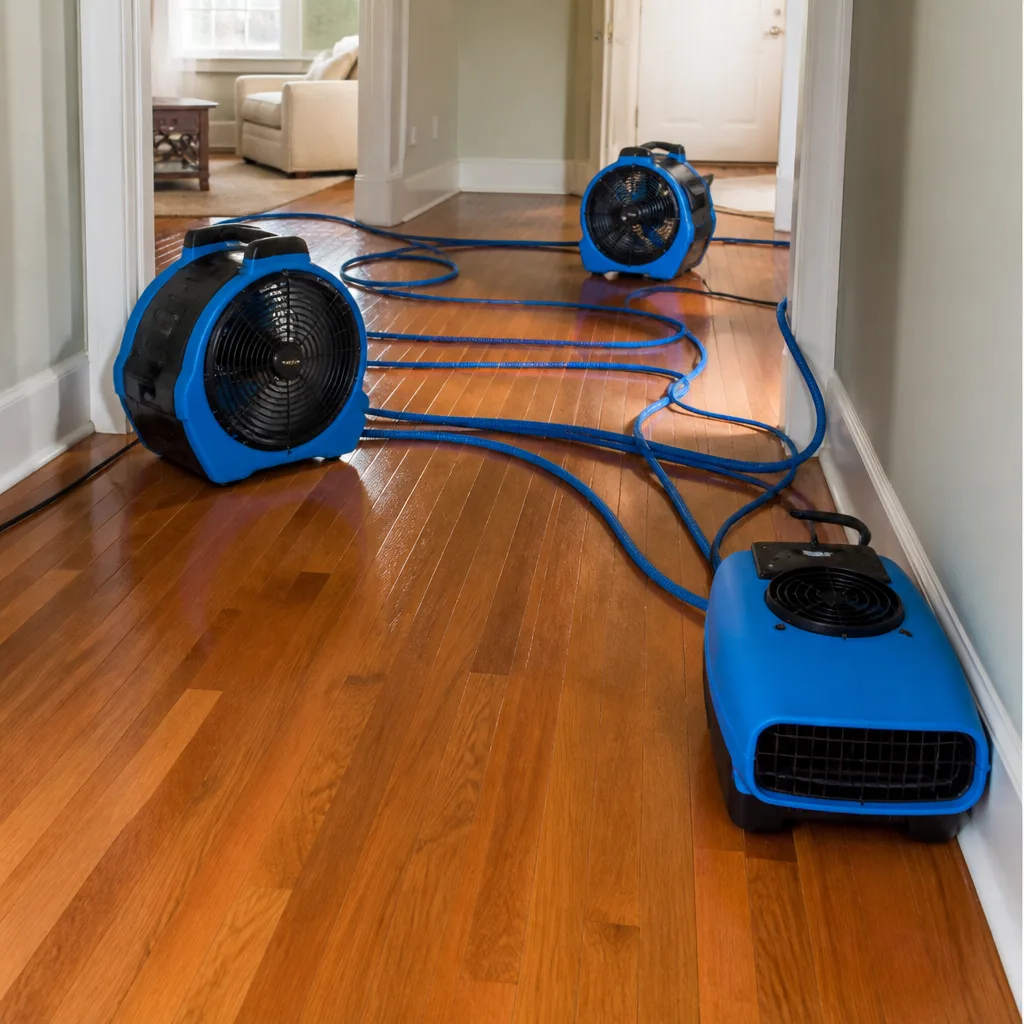

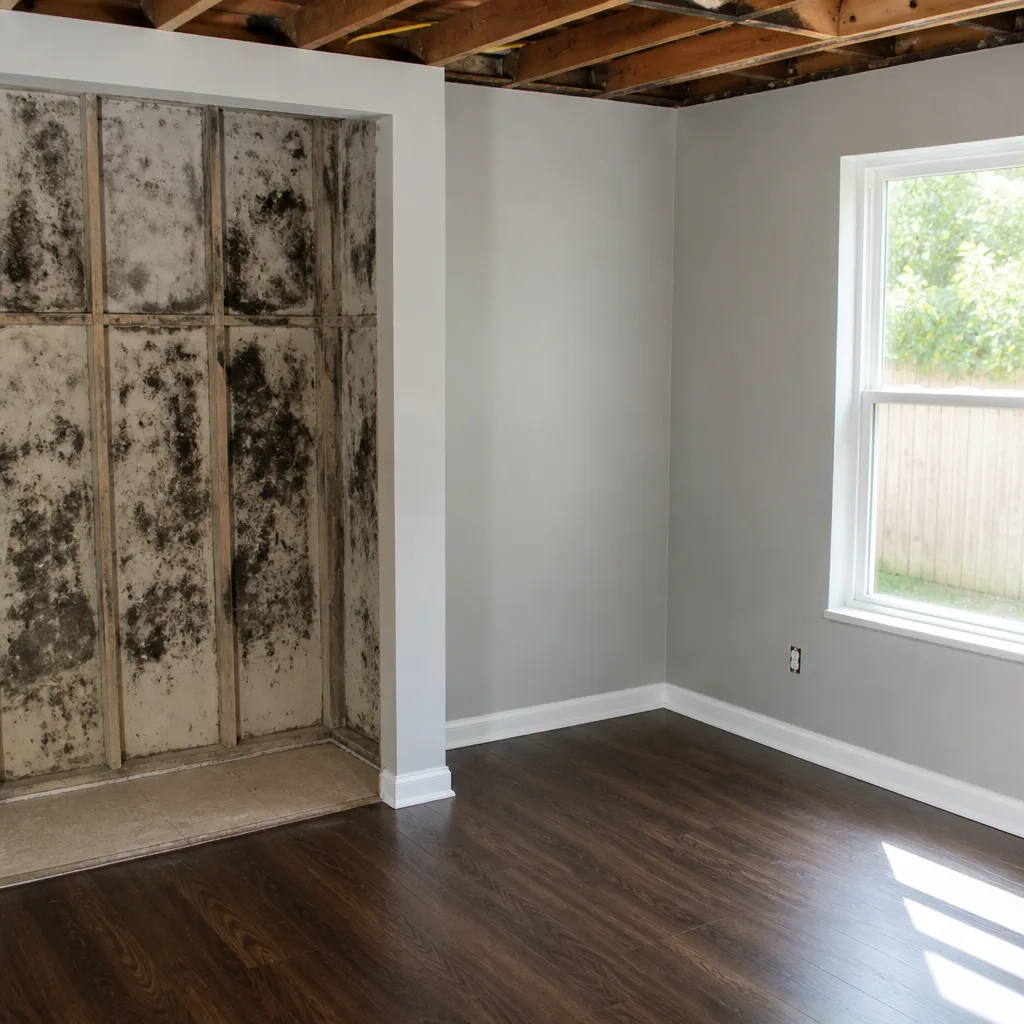


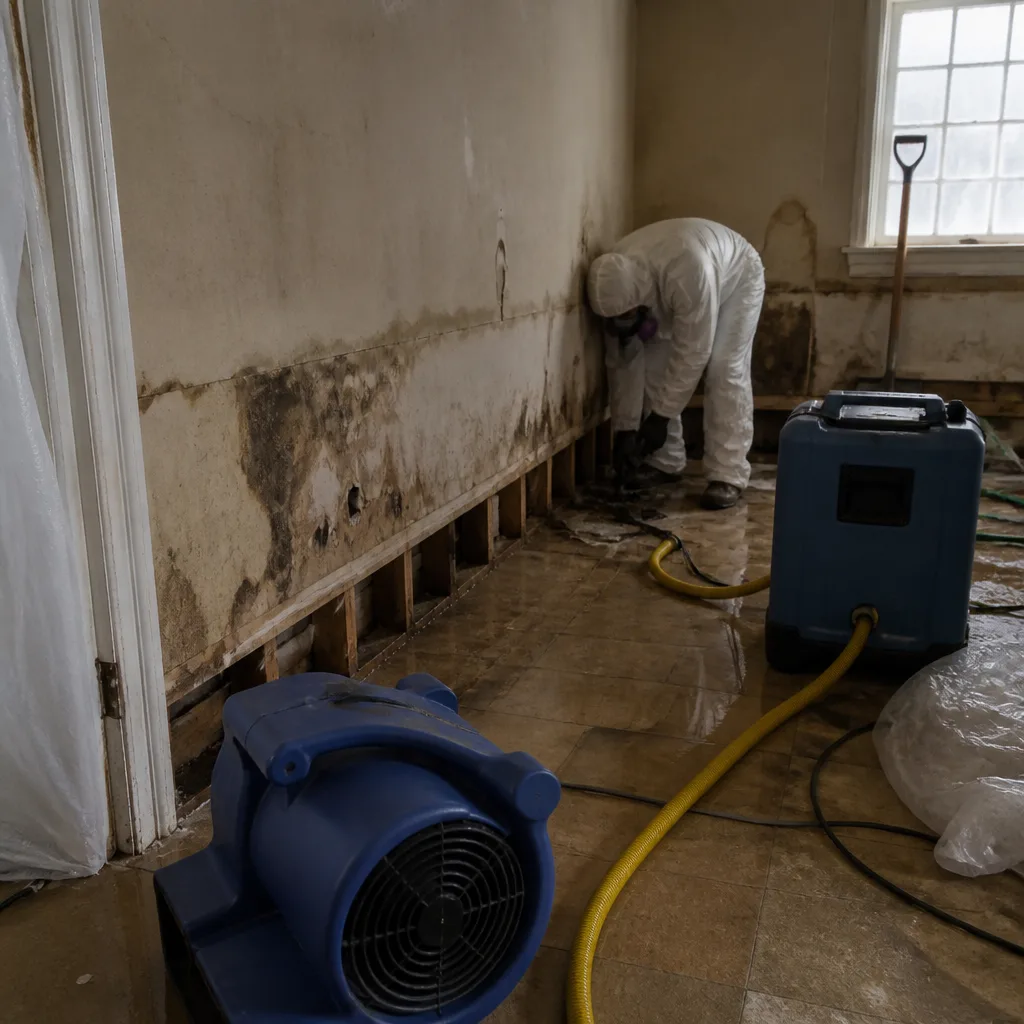 Before
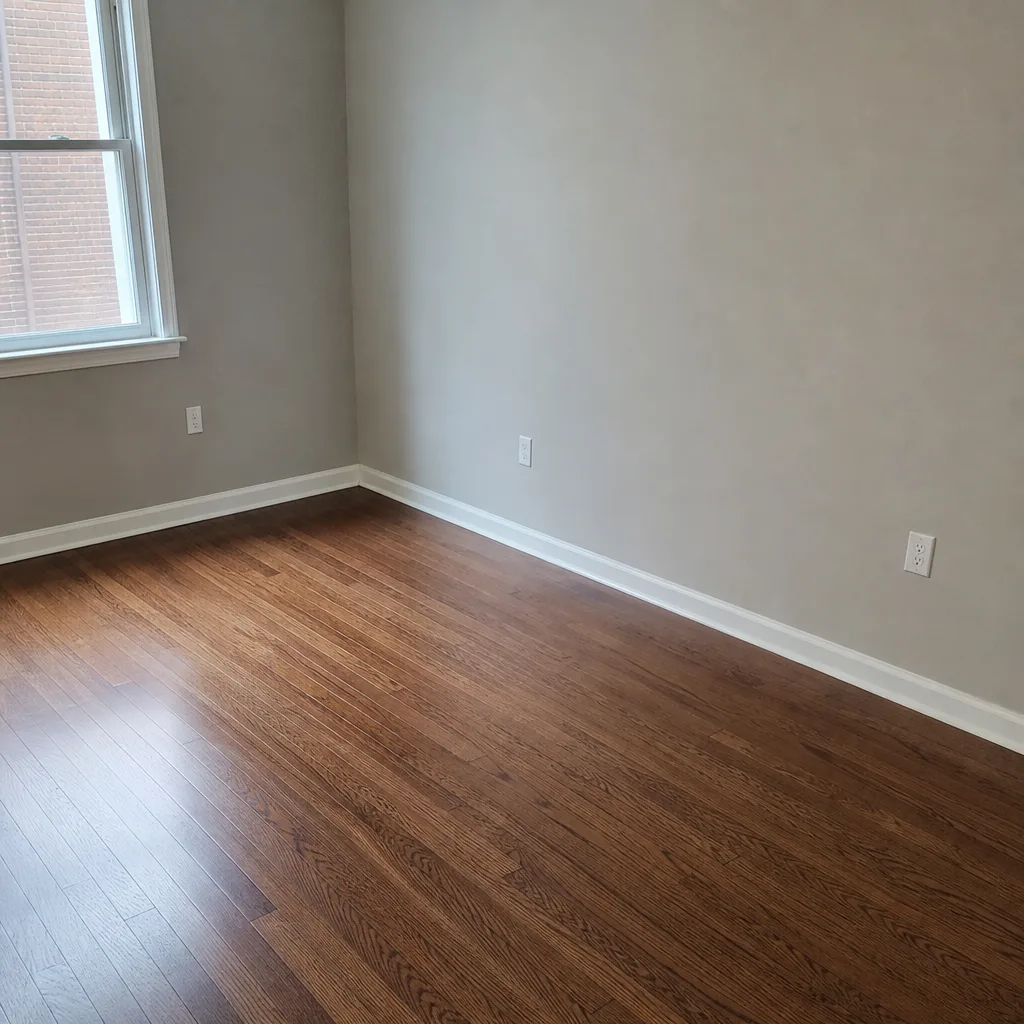 After
After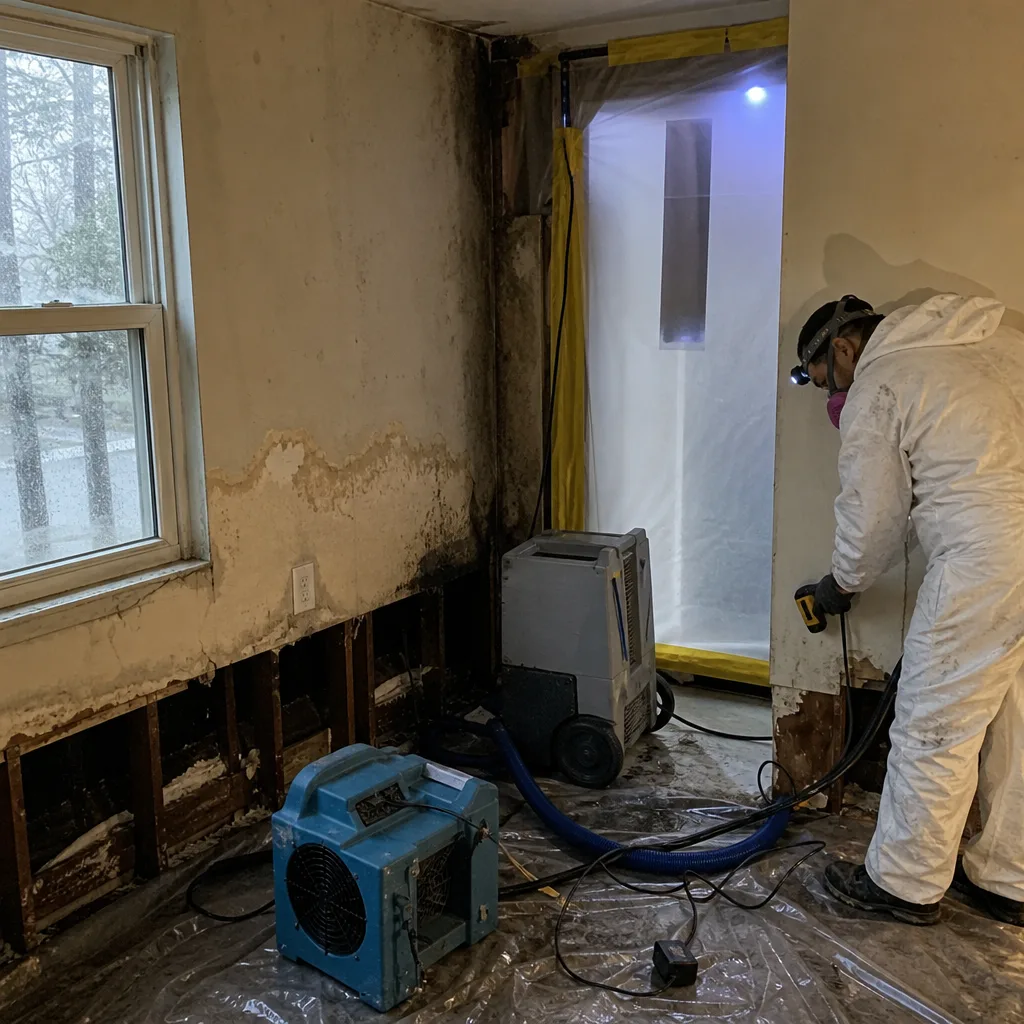 Before
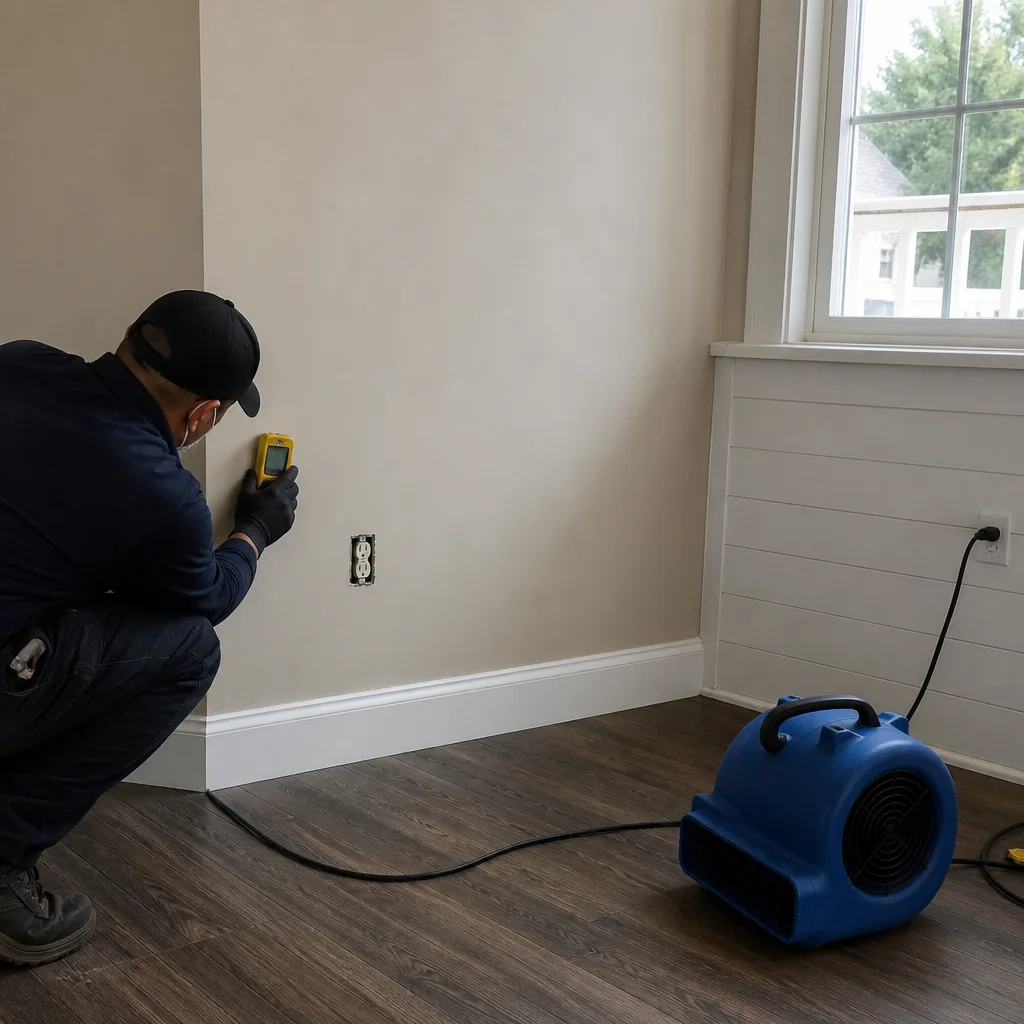 After
After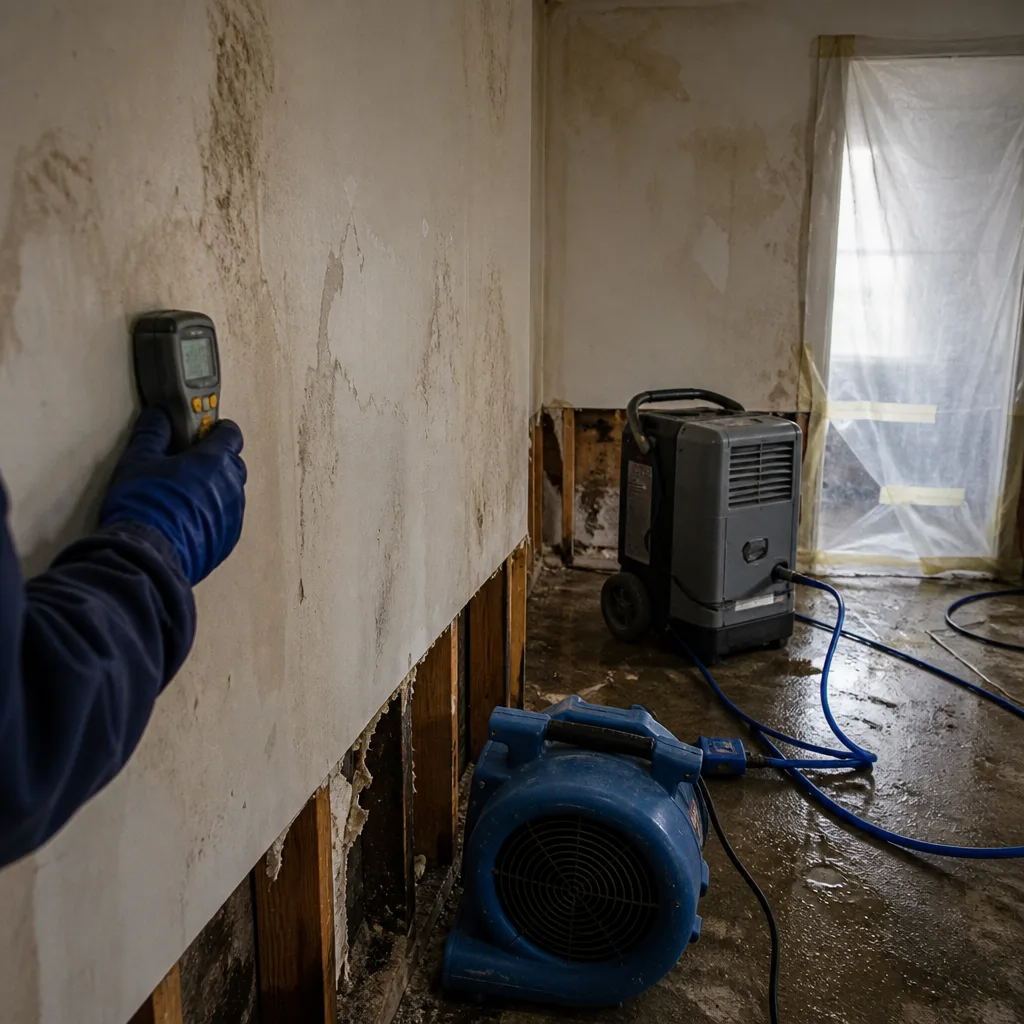 Before
 After
AfterDamage Restoration Warning Signs: A Secaucus Homeowner’s Reference Guide
Most homeowners don’t discover a water problem the day it starts. They discover it weeks or months later, when a musty smell settles into a back closet or a baseboard starts to cup. In Secaucus, where the water table sits high and seasonal storms push groundwater up against foundations, those quiet warning signs deserve attention sooner rather than later. This guide walks through what to look for, what those signs actually mean, and when a problem has moved past the point of a weekend fix. You’ll learn how to read the signals your house gives you, how to triage what you find, and how to avoid the two mistakes that turn a $400 repair into a $14,000 rebuild.
Quick Answer
Water damage, mold, and structural problems almost always announce themselves before they become disasters. The warning signs most Secaucus homeowners miss are water stains that change shape, musty odors that come and go, floors that feel soft or spongy underfoot, paint that bubbles or peels without an obvious cause, and a water bill that creeps up with no change in usage. If you see any of these, act within days, not weeks. Early response is the single biggest factor in keeping repair costs down.
Table of Contents
- Water Stains: Reading the Marks on Your Walls and Ceilings
- Musty Odors and the Mold You Can’t See
- Flooring Signals: Cupping, Crowning, and Spongy Spots
- Paint Bubbles, Peeling, and Crumbling Drywall
- Plumbing and Utility Warning Signs
- Exterior Warning Signs Specific to Secaucus
- Foundation and Structural Signs
- Common Mistakes to Avoid
- When to Call a Professional
- Frequently Asked Questions
- The Bottom Line
Water Stains: Reading the Marks on Your Walls and Ceilings
Water stains are the most straightforward warning sign your house gives you, and the most commonly misread. A brown or copper-colored ring on a ceiling or wall means water has pooled there at some point. But the color tells you more than most people realize. Fresh water stains tend to be darker and damp to the touch. Older stains turn brownish-yellow and often develop a ringed pattern as the water evaporates and leaves mineral deposits behind. That ringed pattern is actually a record, and it can tell you whether a leak is active or old.
Here’s how to read what you’re looking at:
- Dark, damp stain with no defined edges: Active leak. Water is still moving. This needs immediate attention.
- Brown stain with a visible ring, dry to the touch: The leak may have stopped, but moisture got into the drywall. You may have hidden mold behind the surface.
- Stain that grows or changes shape over several days: Active and spreading. The source is still feeding it.
- Stain near a wall-ceiling joint in a bathroom or kitchen: Plumbing leak in the wall cavity, often from a supply line or drain stack.
- Multiple small stains in a line across a ceiling: Often a roof leak, with water traveling along a joist before dripping through.
In Secaucus, we see a specific pattern with ceiling stains in older split-levels and ranches built in the 1960s and 1970s. Roof flashing around vent pipes deteriorates over decades, and nor’easters drive rain sideways in ways these houses weren’t designed to resist. A stain that appears on an upstairs ceiling after every heavy storm is almost always roof flashing, not a plumbing problem. Homeowners who repaint without addressing the flashing get the same stain back within a year.
One more thing worth knowing: a water stain that has been painted over will usually bleed through within months. The stain isn’t the problem. The moisture path behind it is. If you see a faint brown shadow reappearing through fresh paint, the issue was never fixed.
Musty Odors and the Mold You Can’t See
Your nose is a better moisture detector than your eyes. A musty or earthy smell in a specific room, especially one that comes and goes with the weather, is a reliable indicator of hidden mold growth. Mold doesn’t need standing water to grow. It needs a sustained relative humidity above 60% and an organic food source, which drywall paper, wood framing, and carpet backing all provide.
What most people don’t realize is that mold colonies can form inside wall cavities and under flooring without ever becoming visible. A house can smell like a damp basement for months before a single spot of discoloration appears. By the time you see mold on a surface, the colony behind that surface is usually larger.
Where to check first when you smell must but see nothing:
- Under kitchen and bathroom sinks: Pull everything out and look at the cabinet floor. Even a slow drip that never puddles visibly can keep pressboard damp for years.
- Behind appliances: Refrigerators, dishwashers, and washing machines all have supply lines that age and seep. The space behind a dishwasher can hide decades of slow leakage.
- Attic corners and eaves: Poor ventilation in a Secaucus attic leads to condensation in the winter and high humidity in the summer. Mold on the underside of roof sheathing is common here.
- Crawlspace walls, if you have one: A surprising number of older Secaucus homes have partial crawlspaces. Ground moisture wicks up through block walls and feeds mold on the joists above.
One of the biggest errors we see is homeowners running a dehumidifier and assuming the problem is handled. A dehumidifier removes moisture from the air, but it does nothing to dry the wet building material that’s already feeding the mold. The smell may fade while the machine runs, then return as soon as the air moisture creeps back up. If you’re emptying a dehumidifier daily and the smell persists, you’re managing a symptom, not the cause.
For anyone with persistent mustiness and no visible source, professional moisture mapping is worth the cost. Our crews use Dri-Eaz and Phoenix instruments to find moisture behind surfaces that look perfectly dry, and the daily readings produce a log you can hand to your insurance carrier. The Floodline Restoration Co. home page explains how that process works, including the 90-Day Done Right Promise on every job.
Flooring Signals: Cupping, Crowning, and Spongy Spots
Floors tell the truth about moisture before anything else in the house. Wood absorbs and releases moisture in response to its environment, and when that environment changes, the wood moves. Understanding the difference between cupping and crowning can tell you where the moisture is coming from and how long it’s been there.
Cupping is when the edges of a wood floorboard are higher than the center, forming a shallow U shape. This happens when the bottom of the board is wetter than the top, which usually means moisture is coming from below: a damp crawlspace, a slab with a failed vapor barrier, or a slow leak in the floor joist system. In Secaucus, where slab-on-grade construction is common in mid-century homes, cupping often traces back to ground moisture wicking through concrete. The slab was never waterproofed properly, and decades of seasonal water table shifts have taken their toll.
Crowning is the opposite: the center of the board is higher than the edges. This usually happens after cupped boards are sanded flat while still wet. The top dries, the bottom stays moist, and the board bows upward. Crowned floors in a Secaucus home usually mean someone refinished the floor to hide cupping rather than fixing the moisture source. The mistake gets locked into the house.
Beyond wood, other flooring signals to watch:
- Spongy or soft spots in a floor: The subfloor is water-damaged and losing structural integrity. This is a structural issue, not a cosmetic one.
- Vinyl or linoleum peeling at the seams or corners: Adhesive failure from moisture below. This is especially common in kitchens on slab foundations.
- Tile that sounds hollow when tapped: The thinset has debonded, often from a water event that swelled the substrate.
- Carpet that feels damp in a corner when the room is dry: Water is wicking up through the slab or leaking from an exterior wall penetration.
None of these signs reverse themselves. Wood floors can sometimes be dried in place with professional-grade equipment like the Injectidry systems we run, which pull moisture out of the flooring cavity without tearing the floor up. But the window for that is measured in days, not weeks. Once a subfloor starts to rot, it has to come out.
Paint Bubbles, Peeling, and Crumbling Drywall
Paint failure is easy to write off as a cosmetic problem, but in a climate like Secaucus’s, it’s often the first visible sign of a moisture issue behind the surface. Paint doesn’t peel on its own. Something breaks the bond between the paint and the surface below it, and in the vast majority of cases, that something is water.
Here’s how to interpret what you’re seeing:
- Paint bubbling in a small, localized area: Water is getting behind the paint film. The bubble forms because water vapor pushes the paint away from the surface. In bathrooms, this is often a shower surround leak or a failed caulk joint.
- Paint peeling in long strips from an exterior wall: Moisture is moving through the wall assembly. In older Secaucus homes without proper vapor barriers, this is common on north-facing walls that stay cool and damp.
- Drywall that crumbles when touched or leaves a white powder on your fingers: The gypsum core has been wet and dried repeatedly. The core loses its structural integrity. Even if the surface looks okay, that section of drywall needs to come out.
- Nail pops appearing in lines or clusters along a wall or ceiling: The framing behind the drywall has absorbed moisture and swelled, pushing the fasteners out. This is a moisture indicator most people never connect.
One Secaucus-specific pattern worth mentioning: homes close to the Hackensack River and the marsh edges of town deal with humidity levels that interior air conditioning alone doesn’t solve. We see bathroom paint failures on exterior walls in these neighborhoods even when there’s no leak at all. The wall cavity stays damp enough from exterior condensation to break the paint bond. If repainting alone hasn’t fixed the problem before, it won’t fix it now.
For any paint or drywall issue you can’t trace to an obvious source, a moisture reading through the wall surface costs less than repainting the room twice. We do those readings with the same professional-grade equipment we use on full-scale restoration jobs, and we’ll tell you honestly whether you need remediation or just better ventilation.
Plumbing and Utility Warning Signs
Before water shows up on a surface, it often shows up in your utility bills and your water pressure. These are the warning signs that don’t require looking at anything at all. A careful homeowner can catch a developing problem just by paying attention to the monthly numbers.
The water bill is the most underused diagnostic tool in home ownership. Here’s what to look for:
- Usage that creeps up 5-10% over three or four months with no change in household habits: A slow leak somewhere in the system. Toilets are the usual culprit, but copper supply lines in exterior walls also develop pinhole leaks that drip into the wall cavity without ever showing on the surface.
- A sudden jump in one month: A supply line failure, a running toilet that got worse, or an irrigation system valve that failed open. Investigate immediately.
- Usage that stays high even when you’re away for a week: The leak is independent of your daily routine. That points to the supply system, not usage.
Water pressure changes are the second utility signal. If one fixture loses pressure while others stay normal, the restriction is local to that fixture or its supply line. If the whole house loses pressure gradually over months, the issue could be a failing pressure regulator, mineral buildup in the main line, or a leak in the service line between the street and the house. In Secaucus, many homes have original copper service lines from the 1960s and 1970s that are now past their expected lifespan. Pinhole leaks in those lines are a known issue in the area.
Other signals that don’t involve looking at a wall:
- Water heater that runs more often than it used to: The tank may be losing heat through sediment buildup, or a hot water line is leaking somewhere and feeding the demand.
- Sounds of running water when all fixtures are off: Walk the house at night when it’s quiet. If you hear water moving and nothing is on, you have a leak.
- Sewer or drain odors that come and go: A partial blockage or a cracked drain line can release sewer gas intermittently. The smell isn’t just unpleasant. It tells you the drain system has a breach.
The pattern in most Secaucus homes we’re called to is consistent: the homeowner noticed one of these signals months before the visible damage appeared, but didn’t connect it. A slow leak behind a wall can run for a year before the drywall softens enough to show. By then, the repair is a restoration job, not a plumbing call.
Exterior Warning Signs Specific to Secaucus
Secaucus has a geography problem that most of the country doesn’t share. The town sits low, bordered by the Hackensack River on one side and marshy areas on another. The water table is close to the surface, and that single fact shapes how houses here fail. Exterior warning signs in Secaucus deserve their own section because they’re often different from what a homeowner would see in, say, Bergen County hill towns or Morris County.
What to look for on the outside of your home:
- Efflorescence on foundation walls: That white, chalky powder on the inside or outside of a foundation wall is mineral deposits left behind as groundwater moves through the concrete. It means water is actively passing through the wall. In Secaucus, this is one of the most common signs we see in homes with basements.
- Downspouts that discharge right at the foundation: The single most fixable problem on this list, and one of the most common. A downspout that dumps water against the foundation corner is a guaranteed source of basement moisture during any heavy rain.
- Soil that stays dark and damp against the foundation days after rain: Water isn’t draining away. The grade around the house is wrong, or the soil has become compacted over years. Either way, moisture is sitting against the foundation wall under sustained pressure.
- Siding that swells or buckles near the ground line: Water is wicking up into the siding from saturated soil. This is especially common on wood-framed homes in Secaucus where the siding was installed too close to grade.
- Mulch piled against the foundation: Mulch holds water. A bed of mulch against a block or poured foundation is a continuous moisture source feeding the wall.
One more exterior pattern specific to this area: homes near the marsh edges deal with humidity-driven condensation on exterior walls in the summer, and the effect is often visible as mildew staining on vinyl siding or as persistently damp spots on stucco. The house isn’t leaking. It’s breathing in a humid environment, and the exterior surfaces are showing it. That’s different from groundwater intrusion, and it’s one of the reasons we always recommend a professional evaluation rather than a guess. A moisture reading tells you which problem you actually have.
We’ve worked on Secaucus homes where the owner spent years chasing a “leak” that was actually ground moisture, and others where a true foundation crack was written off as humidity. Both mistakes cost real money. The differences are only visible with the right instruments and the right experience reading them.
Foundation and Structural Signs
Structural warning signs are the easiest to ignore and the most expensive to delay. The logic is understandable: a hairline crack in a foundation wall doesn’t look like an emergency, and most homeowners assume small cracks are just part of an older house settling. Some are. Some aren’t. Knowing the difference is the work of this section.
The questions that separate ordinary settling from a real problem:
- Is the crack wider at one end than the other? A crack that tapers, opening wider at the top or bottom, indicates movement that’s still happening. Settling from decades ago produces cracks of uniform width.
- Is the crack offset? If one side of the crack is slightly forward or back from the other, the wall has shifted under pressure. In Secaucus, hydrostatic pressure from saturated soil is the usual cause.
- Has the crack appeared or grown in the last year? Cracks that change are active. A crack that’s been the same for twenty years is a much smaller concern.
- Are there stair-step cracks in a block foundation? Cracks that follow the mortar joints in a stair-step pattern usually mean differential settlement or lateral pressure. Both deserve a structural evaluation.
Interior signs of structural movement include:
- Doors that stick or won’t latch when they used to: The frame has shifted because the structure around it moved.
- Windows that suddenly become hard to open or close: Same cause, different opening.
- Gaps appearing between the ceiling and the wall: The framing is moving independently of the drywall, which means the load path has changed.
- Floors that slope noticeably in one direction: Some old-house slope is normal. A slope that’s getting worse is not.
- Painting over a water stain without finding the source: The stain comes back, and the moisture behind it has another year to rot the framing or feed the mold colony. Paint is never a fix for water.
- Running a fan on visible mold: A fan blows mold spores through the room and into the rest of the house. The visible mold is a symptom of a moisture source. Dry the source, don’t blow the spores around.
- Waiting to file an insurance claim until the damage is “big enough”: Most policies have language about mitigation responsibilities. Waiting weeks to act can reduce what the carrier pays, because the delay may be viewed as contributing to the damage. Call early and document everything.
- Assuming a small leak stays small: A pinhole leak in a supply line is a precursor to a full line failure. Copper and older galvanized pipes fail incrementally, and the small leak is the warning shot.
- Using bleach on mold-covered drywall: Bleach kills surface spores but doesn’t penetrate porous material, and it adds water to the wall. Mold on drywall requires removal of the affected material, not surface treatment.
- Trusting a damp basement to “dry itself out” over the winter: In Secaucus, winter indoor heat lowers relative humidity, but the ground moisture outside the foundation doesn’t stop. The wall may feel drier while the water pressure against it continues.
- Hiring a contractor who measures success by how fast they’re off the job: Drying takes as long as it takes. A company that promises a two-day dry-down on a saturated structure is guessing. We log daily readings with professional-grade instruments until the dry standard is actually met, and the homeowner gets the log.
- Water stains that appear or grow on ceilings or upper walls
- Musty odors that persist after cleaning and don’t trace to an obvious source
- Floors that feel soft, spongy, or noticeably uneven
- Foundation cracks that are wider at one end, offset, or newly appeared
- Any visible mold patch larger than a dinner plate
- Water coming into the house during or after rain
Water is behind most of the structural failures we see in Secaucus. Saturated soil exerts pressure against foundation walls. That pressure bows walls inward, cracks them, and opens the path for more water. The cycle feeds itself, and it accelerates over years. The intervention that breaks the cycle is almost always moisture control first: grading, drainage, downspouts, and when needed, interior or exterior waterproofing. Structural repairs made without addressing the water source will fail again. Our crews treat the water first, then the structure. It’s the order that holds up over time, and the Floodline Restoration Co. home page explains the full-cycle approach we’ve used since 2010.
Common Mistakes to Avoid
After 42 years of watching houses tell their stories, we’ve catalogued the expensive mistakes. Most of them come from good intentions and bad timing. Here are the ones Secaucus homeowners make most often:
Most of these mistakes share a single root cause: waiting. The damage you can see today is always cheaper to fix than the damage you’ll see next month. In water restoration, time is literally money, and the difference is often a factor of ten.
When to Call a Professional
Some warning signs are informational. Others require escalation. The line between them is where homeowners lose money, because calling too late costs more than calling unnecessarily. Here’s the practical rule: if you can identify the water source and it’s something you can fix confidently and completely, do it. A loose toilet supply fitting that you can tighten and verify dry is a homeowner fix. Anything you can’t trace to a definitive source, or anything that has already soaked into building materials, calls for professional assessment.
Specifically, call a professional if you see any of these:
Floodline Restoration Co. offers free estimates in Secaucus, and we’ll tell you straight if the issue doesn’t need professional remediation. Call (201) 762-0667 and a live person will answer, any hour, any day. We’d rather spend fifteen minutes on the phone telling you it’s not an emergency than have you spend a year waiting on a problem that was.
Frequently Asked Questions
Water damage restoration in Secaucus typically runs between $2,500 and $7,500 for a contained single-room event involving extraction, drying, and minor repairs, with larger multi-room or structural jobs running higher. The range depends on the amount of water, the materials affected, and how quickly the response begins. Call (201) 762-0667 for a free estimate, and we’ll give you a written scope before any work starts so there are no surprises on the bill.
Most Secaucus homeowner policies cover sudden and accidental water damage, such as a burst pipe or a storm-driven leak through the roof, but not gradual damage from a long-running leak or ground moisture. The carrier will want documentation of the damage and the mitigation work, which is why we provide photo documentation and a daily moisture log. We bill your insurance carrier directly so you don’t have to play messenger between us and your adjuster.
Our live dispatch runs 24/7, and in most Secaucus cases, a certified crew reaches the property the same day the call comes in. A live person answers the phone at two in the morning, not a recording, and extraction equipment is often running within hours of first contact. The speed matters because every hour of standing water spreads the damage further into walls, floors, and framing.
If water has soaked into drywall, insulation, carpet pad, or wood framing, surface cleaning is not enough. Those materials hold moisture and feed mold growth even after the visible surface is dry. Professional-grade drying with instruments like Dri-Eaz and Phoenix equipment verifies the material is actually dry, not just the surface. If the affected area is small and the materials are non-porous, cleaning may be sufficient. We’ll tell you which situation you have and show you the moisture readings to back it up.
On most covered claims, we deal with the adjuster directly. We document the damage, submit the scope and the moisture logs, and bill the carrier for the covered work. You should be informed at every step, but you shouldn’t have to be the messenger. That’s been our practice in Secaucus since 2010, and it’s one of the reasons homeowners stay with us when the next problem comes.
The water bill. A slow increase in usage over months is the earliest and most objective warning sign, and almost nobody connects it to hidden water damage until something visible appears. If your bill climbs without explanation, check your toilets first, then consider a professional leak evaluation. A pinhole leak in a wall cavity can run for a year before the drywall shows any sign at all.
The Bottom Line
Your house tells you when something is wrong. The signals are consistent across every home in Secaucus: stains that change, smells that linger, floors that move, bills that climb, and cracks that shouldn’t be there. What separates a manageable repair from a gut renovation is usually just the amount of time between noticing a signal and acting on it. Learn to read the signs. Trust what your nose and your utility bill are telling you. And when you’re not sure, call someone who will tell you the truth. Floodline Restoration Co. has been doing exactly that in Secaucus since 2010, with the 90-Day Done Right Promise in writing on every job.
Written by Curt Bowman, Owner at Floodline Restoration Co., serving Secaucus since 2010.