
Last updated August 25, 2026
Free visual inspection and a written scope of work before any mitigation begins - photos, moisture readings, and drying logs go in your claim file
The scope we write is the scope we bill. Anything new gets shown to you, in writing, before we touch it.
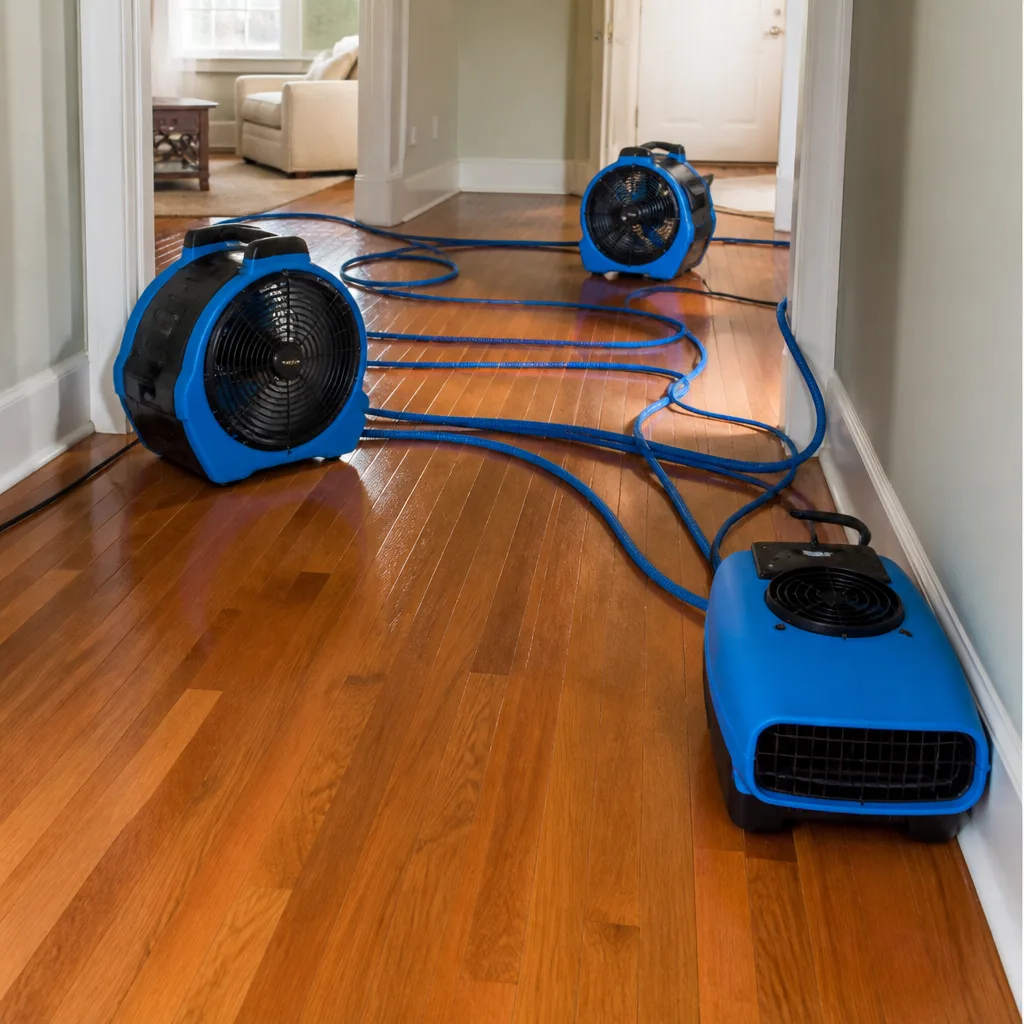
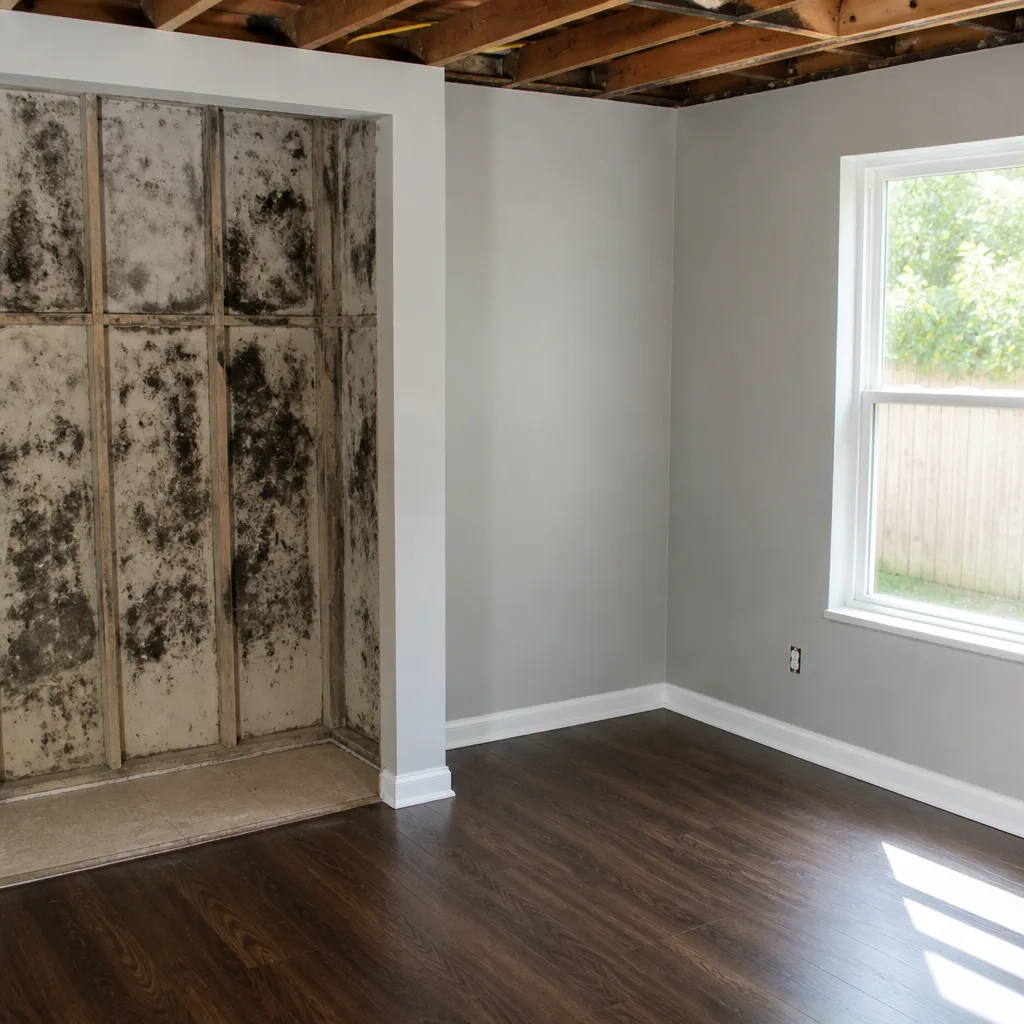

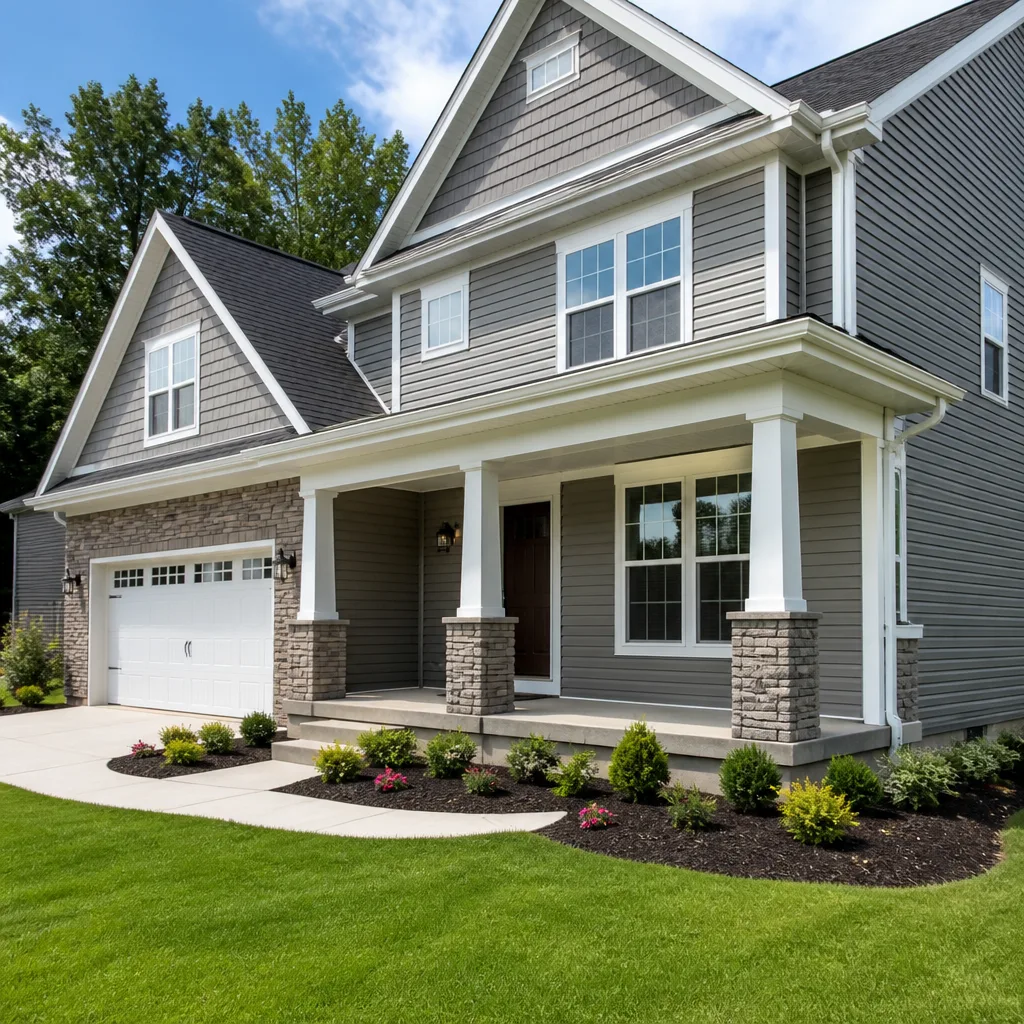
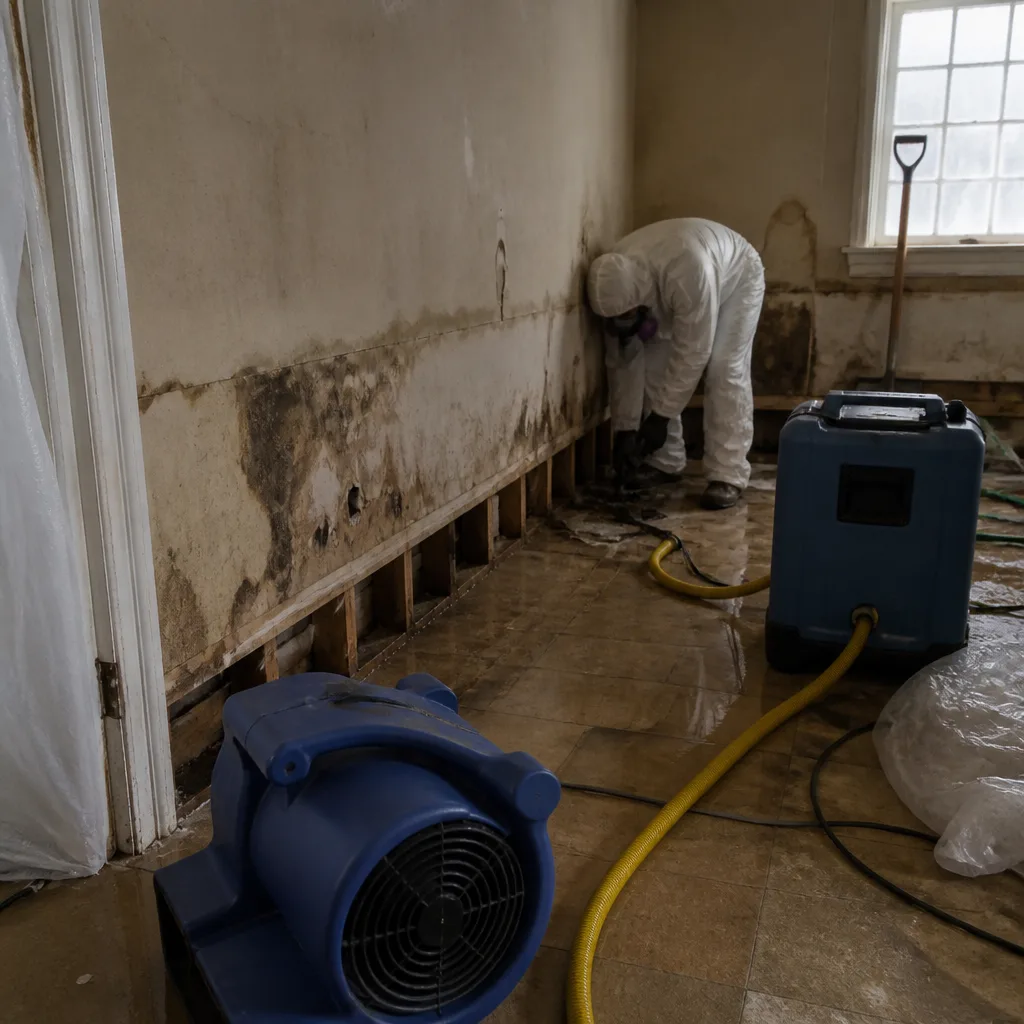 Before
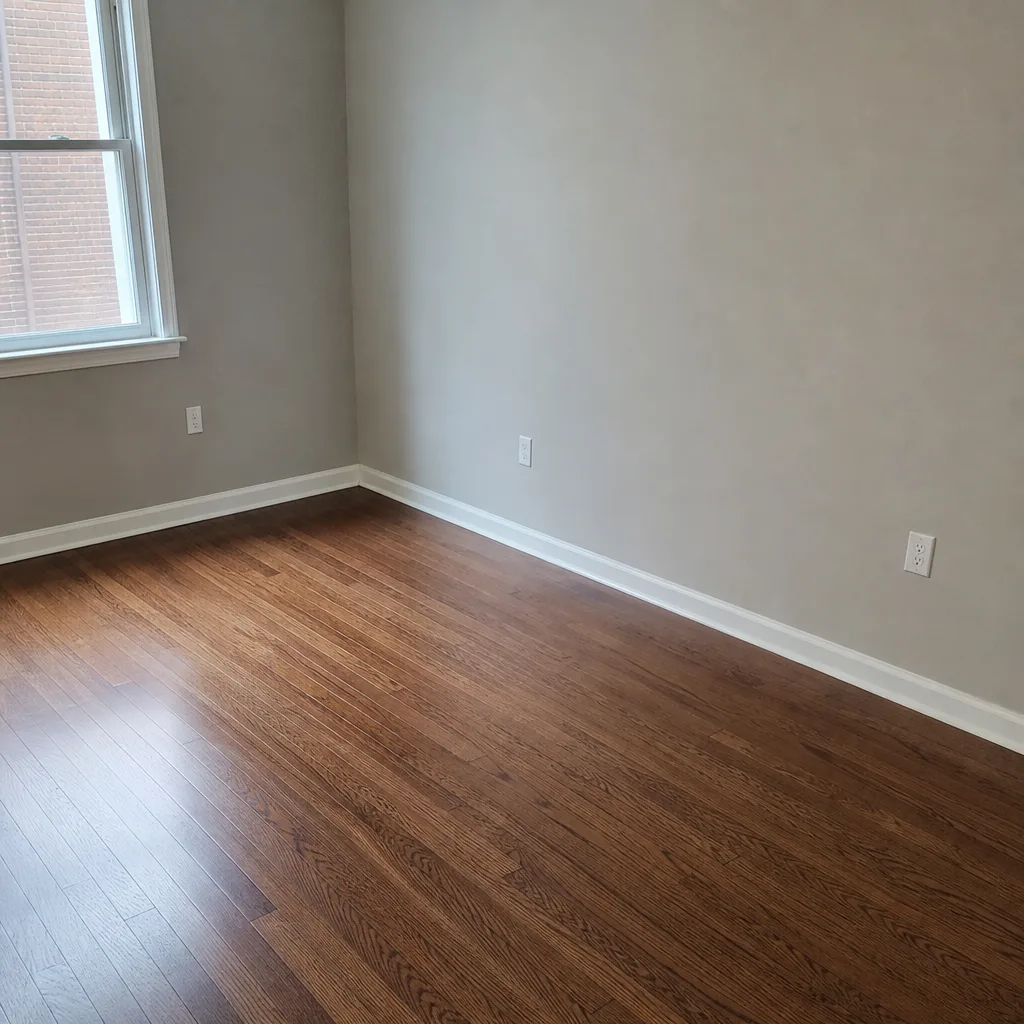 After
After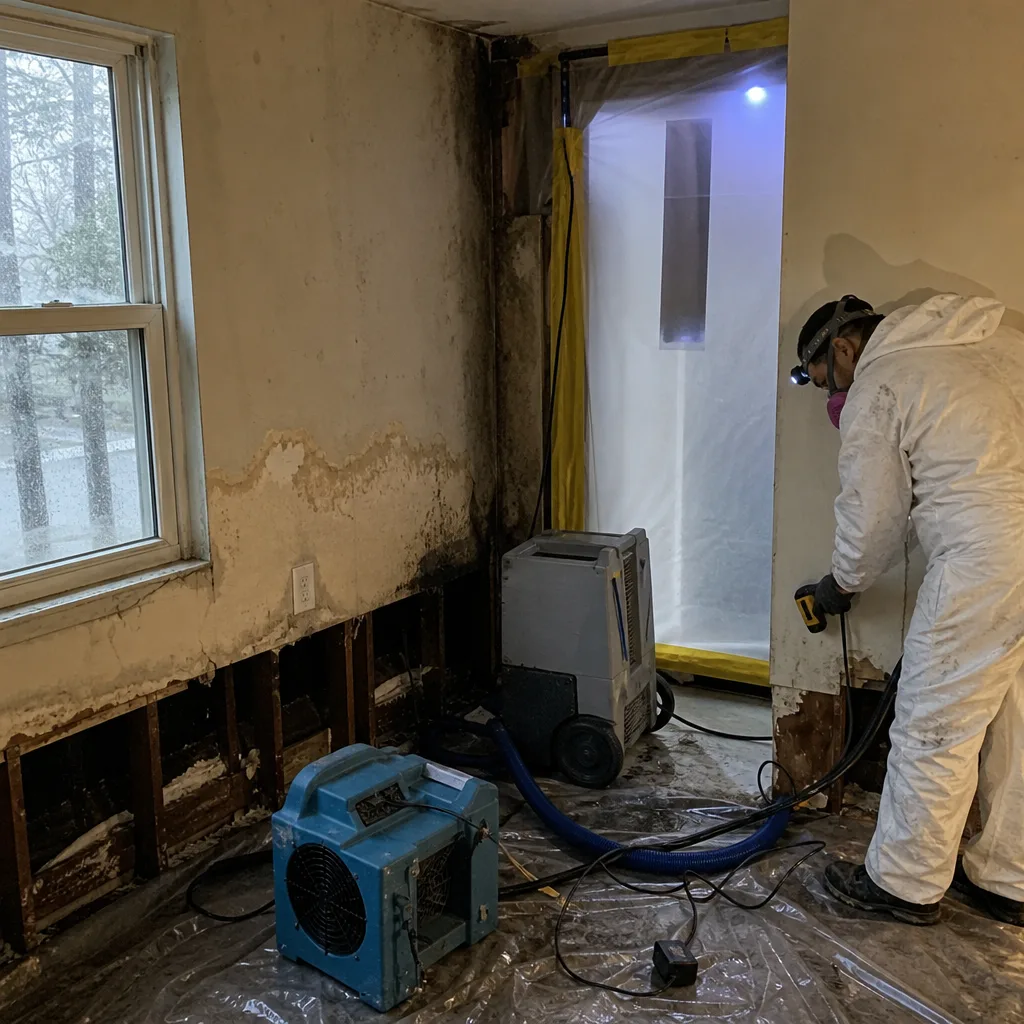 Before
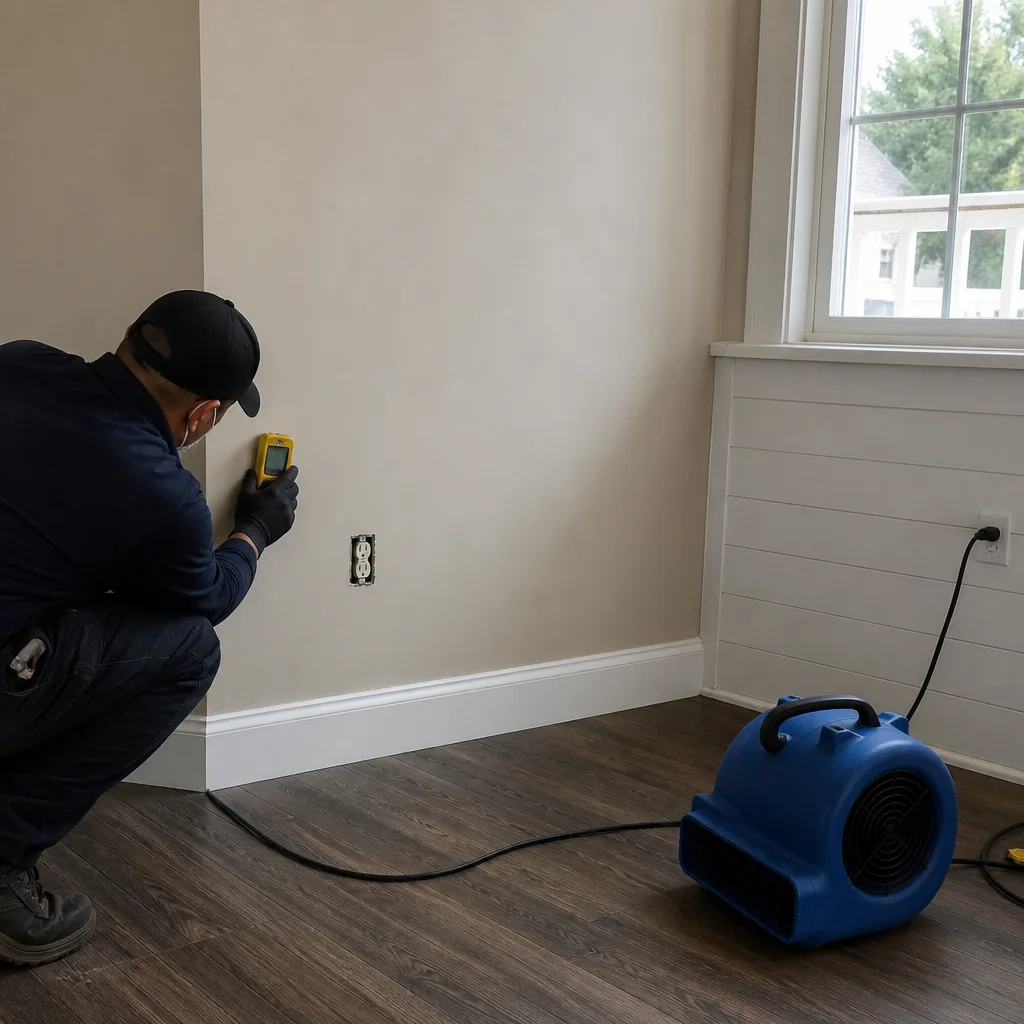 After
After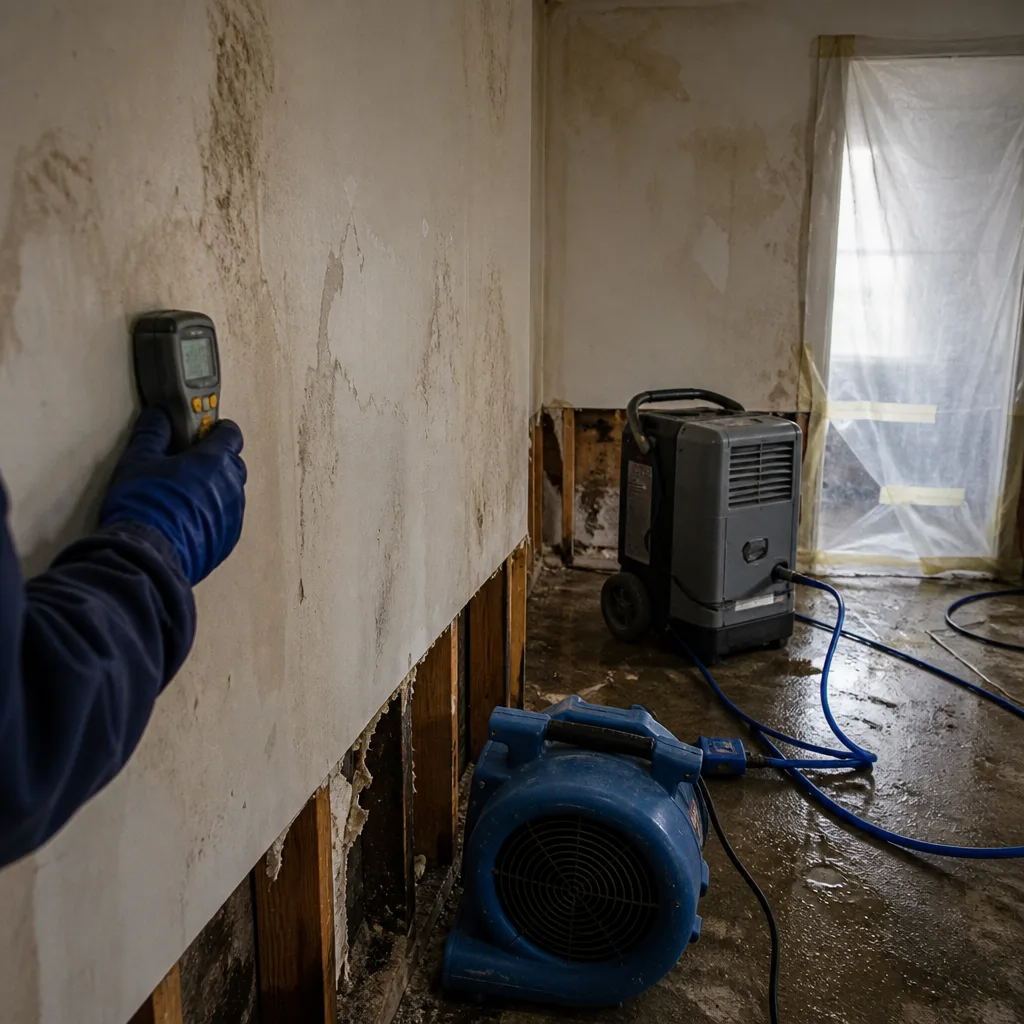 Before
 After
AfterDamage Restoration Permits, Codes & Inspections in NJ: What You Need to Know
Here’s a number most New Jersey homeowners never hear until it’s too late: roughly one in three water damage claims in the state involves a property where the repair work triggered a second problem, usually because someone skipped the permit desk. In Secaucus, where our shop is based, we’ve watched that scenario play out in the Meadowlands-facing neighborhoods more times than we care to count. A homeowner files a claim, gets a check, hires a crew that “handles everything,” and eighteen months later discovers the water heater replacement was never inspected, or the new electrical run doesn’t match the township’s code sheet, or the insurance carrier won’t cover the follow-up claim because the original work was unpermitted. This guide is what we wish every Secaucus homeowner had in hand before signing a work order: the permit triggers, the code sections that matter most, and the inspection sequence that protects you from paying twice for the same square footage.
Quick Answer
In New Jersey, most structural damage restoration work, including load-bearing wall repair, electrical replacement, and any plumbing that goes beyond like-for-like fixture swaps, requires a permit from your local construction office. In Secaucus, that’s the Building Department on Paterson Plank Road, and permits are governed by the New Jersey Uniform Construction Code (UCC) with local amendments. The rule of thumb: if the damage restoration changes a system rather than just cleaning or patching it, assume a permit is required until the building official tells you otherwise.
Table of Contents
- Why Restoration Permits Matter in New Jersey
- How Secaucus Handles Restoration Permits
- When a Permit Is Required vs. When It Isn’t
- The NJ Code Sections That Govern Restoration Work
- The Inspection Sequence: What Happens After the Permit
- Insurance, Permits, and Who Answers to the Adjuster
- Who Pulls the Permit: You or the Contractor?
- Common Mistakes to Avoid
- When to Call a Professional
- Frequently Asked Questions
- The Bottom Line
Why Restoration Permits Matter in New Jersey
A permit is not a fee. It’s the record that says the work was done to the standard the state wrote down, and it’s the document your insurance carrier will ask for if you ever file another claim on the same property. In New Jersey, the Uniform Construction Code is mandatory, not advisory. Every municipality in the state enforces it, and Secaucus is no exception. When a restoration job skips the permit, three things happen, none of them good. The work has no inspection record, your homeowner’s policy can deny coverage on the repair if something fails later, and the resale value of the house takes a hit at closing because the title search will flag unpermitted work.
We’ve watched this unfold in Secaucus enough times to say it plainly: the permit is the cheapest insurance policy you’ll ever buy on a restoration job. A typical permit fee for a water damage repair that involves electrical or structural work runs a few hundred dollars, and that cost is almost always reimbursable through the claim. Compare that to the cost of tearing out unpermitted work later, or the claim denial letter from a carrier that found the adjuster’s scope never included a permit, and the math isn’t close.
How Secaucus Handles Restoration Permits
Secaucus sits in Hudson County, and its Building Department works off the state UCC with a few local tweaks. The process starts with an application, not a phone call. You fill out the construction permit application, attach the scope of work, and the department routes it to the subcode officials who cover building, electrical, plumbing, and fire protection. For restoration work, the building subcode and whichever trade subcode applies to the damage are usually the two that review the file.
Here’s what a Secaucus homeowner should expect, step by step:
- Scope of work in writing. Before the application goes in, you need a written description of what the restoration will include: what’s being removed, what’s being replaced, and whether anything structural, electrical, or plumbing-related changes hands.
- Application submitted. The contractor or the homeowner files the permit application with the Building Department. Most restoration contractors in the area file on behalf of the homeowner, but the permit itself belongs to the homeowner, not the contractor.
- Plan review. For structural work, the building subcode official reviews the drawings or the engineer’s letter. This can take a few days to a couple of weeks depending on workload and complexity.
- Permit issued. Once approved, the permit is issued and the work can start. A permit card goes on the window or door where the inspector can see it.
- Inspections scheduled. The contractor calls for inspection at the stages noted on the permit. Each inspection gets logged, and the results stay on file with the township.
- Certificate of Approval. When the final inspection passes, the township issues a Certificate of Approval. That’s the document you keep with your closing papers.
When a Permit Is Required vs. When It Isn’t
The New Jersey UCC draws a line between ordinary maintenance and restoration that alters a building system. The distinction matters because it determines whether you’re at the permit desk or not. Here’s the breakdown we give Secaucus homeowners, drawn from the state’s subcode chapters and the practical realities of the Hudson County permitting climate:
Work that requires a permit in NJ:
- Replacement of any structural member, including floor joists, wall studs, ceiling rafters, or roof trusses that water, fire, or mold has compromised
- Any electrical work beyond replacing a like-for-like fixture or outlet cover, including new wiring, panel work, or circuit replacement
- Plumbing work that changes pipe, moves a fixture, or replaces a water heater
- HVAC duct replacement or system work that goes beyond cleaning and sanitizing
- Any wall, ceiling, or floor surface removal that exposes structural framing, if the framing itself needs repair or replacement
- New egress windows or any change to window or door openings
- Fire damage repair that involves load-bearing walls or roof structure
Work that generally does NOT require a permit:
- Water extraction, drying, and dehumidification with no structural changes
- Replacing drywall, insulation, or flooring in kind with the same materials and dimensions
- Painting, trim work, and finish carpentry
- Cabinet replacement that doesn’t move plumbing or electrical
- Mold remediation that is limited to cleaning and sanitizing non-structural surfaces
- Replacing a faucet, toilet, or light fixture with a like-for-like unit
Here’s the thing we tell every Secaucus homeowner: when the scope sits in the gray zone, call the Building Department and ask. They answer the phone during business hours, and a five-minute conversation clears up more confusion than any guesswork. We call them routinely for our own jobs, and the officials are straightforward about what does and doesn’t need paper.
The NJ Code Sections That Govern Restoration Work
New Jersey doesn’t have a single “restoration code.” Instead, restoration work falls under whichever subcode applies to the system being repaired. Knowing the chapter numbers helps you understand what the inspector is checking and why. Here are the ones that come up most often on Secaucus restoration jobs:
- N.J.A.C. 5:23-2.14 governs ordinary maintenance versus work requiring a permit. This is the section that defines the line we described above.
- N.J.A.C. 5:23-3.14 covers the building subcode, including structural repairs, framing requirements, and fire-resistant construction standards. Most water and fire restoration work that touches framing falls here.
- N.J.A.C. 5:23-3.16 covers the electrical subcode. Water damage that reached wiring, panels, or outlets triggers this chapter.
- N.J.A.C. 5:23-3.15 covers plumbing. Sewage backups, supply line breaks, and water heater failures all fall under this subcode.
- N.J.A.C. 5:23-6 governs the permit process itself, including application requirements, fees, inspection schedules, and the Certificate of Approval.
Secaucus enforces these state chapters without significant local modification, which is good news for homeowners. What the state writes is what the township enforces. The practical effect: if your restoration contractor knows the state code chapters, the Secaucus inspection will be straightforward.
The Inspection Sequence: What Happens After the Permit
Permits are straightforward. Inspections are where the work either stands or falls, and the sequence matters. Here’s the typical order for a water damage restoration in Secaucus that involves structural repair and new electrical work:
- Rough inspection. After the damaged materials are removed and before new drywall goes up, the inspector checks the framing, the electrical runs, and the plumbing rough-ins. This is the stage where problems get caught cheap, because everything is still open.
- Insulation inspection. If insulation is being replaced, the inspector verifies the R-value and the installation against the energy subcode.
- Final building inspection. After walls are closed and finishes are complete, the building inspector checks the overall workmanship and compliance.
- Final electrical inspection. The electrical subcode official checks outlets, fixtures, panel work, and grounding.
- Final plumbing inspection. If plumbing work was part of the scope, this comes last and covers the entire system from supply to drain.
- Certificate of Approval. When all finals pass, the township issues the Certificate. This document goes in your permanent file.
The typical water damage job in Secaucus with structural and electrical scope passes through two to three inspections from start to finish. A good restoration contractor schedules them proactively, right after each stage of work is complete, so the job never sits idle waiting for a stamp.
Insurance, Permits, and Who Answers to the Adjuster
The permit conversation and the insurance conversation are the same conversation, and homeowners forget this at their own expense. In New Jersey, a standard homeowner’s policy covers the cost of permits when the permit is required for the covered repair. The permit fee is a claim expense, plain and simple. But the carrier’s obligation depends on the work being done to code, which is what the permit and inspection process verifies.
Here’s the sequence we recommend to our clients in Secaucus:
- File the claim and get the adjuster’s scope in writing.
- Have the restoration contractor identify which parts of the scope require permits.
- Include those permit applications and fees in the claim documentation.
- Get the permits pulled and the inspections done while the work progresses.
- Send the Certificate of Approval to the adjuster as part of the final claim closeout.
When a restoration company files the permit paperwork and coordinates directly with the adjuster, the homeowner is out of the messenger role entirely. That’s how we handle it at Floodline Restoration Co. home, and it’s the way the process is supposed to work. The adjuster talks to the contractor, the contractor talks to the building department, and the homeowner gets a call when the Certificate is issued.
Who Pulls the Permit: You or the Contractor?
Here’s the answer most Secaucus homeowners want, stated plainly: the permit is the homeowner’s legal responsibility, but the contractor almost always pulls it. The New Jersey UCC places the permit obligation on the owner of the property. If the work is unpermitted and something goes wrong, the homeowner is the one the township cites. But in practice, established restoration contractors handle the application, pay the fee, schedule the inspections, and deliver the Certificate to the homeowner. The permit card on the window has the homeowner’s name, not the contractor’s.
This is why the contractor you hire matters more than any other decision in the restoration process. A contractor who says “we don’t need a permit for this” when the scope clearly calls for one is either ignorant of the code or trying to avoid the inspection. Either way, the risk lands on you. A contractor who pulls permits without being asked, files the paperwork cleanly, and gets the inspections done on schedule is worth what you pay them.
This is also where our experience in Secaucus and the surrounding Hudson County towns informs how we work. Every job starts with a written scope of work that lists the permit requirements line by line. If the scope doesn’t need a permit, we say so in writing. If it does, the application goes in before the first piece of damaged material comes out. No surprises on the bill, and no ambiguity about who owns what. We train our technicians to IICRC standards and our project managers know the Secaucus permit desk by name. That’s not a selling point. It’s just how the work gets done right.
Common Mistakes to Avoid
- Assuming water extraction and drying require no permit. The drying part is permit-free, but if the damage requires wall removal down to the studs and those studs need repair or sistering, the structural work triggers a permit. Don’t let the emergency scope hide the code requirement.
- Letting the contractor talk you out of the permit. In Secaucus, unpermitted structural work gets flagged at resale and can delay or kill a closing. The permit is not optional when the scope triggers it.
- Filing the claim without the permit conversation. If the adjuster’s scope includes structural or electrical work and the permit isn’t in the claim file, the carrier can reduce the settlement or deny the permit cost later. Include it from day one.
- Replacing a water heater without a plumbing permit. This is one of the most skipped permits in Hudson County, and it’s the one that shows up most often in resale inspections. A water heater swap is a plumbing subcode permit job.
- Closing walls before the rough inspection. Once drywall goes up, the inspector cannot verify the framing, the electrical runs, or the plumbing. You either tear it open again or you never get the Certificate. Schedule the rough inspection before the wallboard goes on.
- Hiring a contractor who doesn’t know the local code officials. Secaucus has a specific way of handling restoration permits, and a contractor who’s never worked the town will fumble the process. Local experience has a dollar value.
- Throwing away the Certificate of Approval. That document is the only proof the work was inspected and passed. Keep it with your mortgage papers, your insurance declarations, and your home warranty documents.
When to Call a Professional
You need a professional restoration company the moment the damage involves structural framing, electrical systems, plumbing lines, or fire compromise. DIY drying and cosmetic repair are fine for minor issues, but the permit and inspection process is not where you want to learn the code by trial and error. In Secaucus, Floodline Restoration Co. offers free estimates, and we’ll tell you plainly whether your job needs a permit or not. Our team handles the application, the inspections, and the insurance coordination end to end, so you never sit on hold with the township or the carrier. Call (201) 762-0667 and we’ll walk the property with you, write the scope, and give you a clear answer on permits before any work starts.
Frequently Asked Questions
You need a permit if the water damage restoration includes structural repair, electrical work, plumbing changes, or HVAC replacement. Pure water extraction, drying, and surface patching do not require a permit. In Secaucus, the Building Department can confirm your specific scope in a five-minute call, and we’re happy to make that call on your behalf.
Your homeowner’s insurance policy covers the permit fees when the permit is required for a covered repair. The permit cost is included in the claim as part of the restoration scope. If you’re working with Floodline Restoration Co., we include the permit fee in our written estimate and bill it through the insurance claim directly.
A straightforward restoration permit in Secaucus typically takes three to ten business days from application to issuance, depending on the scope and whether plan review is required. Structural work takes longer than electrical-only permits because the building subcode official reviews the drawings. We file the application the same day the scope is signed and we track it until the permit card is up.
Mold remediation does not require a permit in New Jersey unless the remediation involves removing and replacing structural framing, or if the mold damage extends into electrical or plumbing systems. In most cases, professional mold remediation that includes containment, cleaning, and sanitization is permit-free. When the damage is structural, the building permit requirement kicks in.
The township can issue a stop-work order, levy fines, and require you to open up the finished work for inspection. At resale, unpermitted work shows up in the municipal records and can delay or cancel a closing. The homeowner, not the contractor, is the one the township holds responsible, so it’s worth confirming the permit requirements before the first piece of drywall comes down.
Yes, and in practice most established restoration contractors in Secaucus handle the entire permit process, from application to final inspection, on behalf of the homeowner. The permit is filed in your name as the property owner, but the contractor does the paperwork, schedules the inspections, and delivers the Certificate of Approval. At Floodline Restoration Co., we handle it as standard practice on every job that triggers a permit requirement, and the adjuster gets a copy of the Certificate at closeout.
The Bottom Line
Permits, codes, and inspections are not obstacles to restoration work. They’re the proof that the work was done right, the insurance settlement is legitimate, and the house can be sold without a stain on the municipal record. In Secaucus, where we’ve worked since 2010, the homeowners who come through the process cleanly are the ones who asked the permit question before the first wall came open. Know the triggers, file the application early, keep the Certificate of Approval, and hire a contractor who treats the code office as a partner rather than a problem. Done right, the permit process is the least expensive and most valuable part of the entire restoration.
Written by Curt Bowman, Owner at Floodline Restoration Co., serving Secaucus since 2010.