
Last updated August 25, 2026
Free visual inspection and a written scope of work before any mitigation begins - photos, moisture readings, and drying logs go in your claim file
The scope we write is the scope we bill. Anything new gets shown to you, in writing, before we touch it.
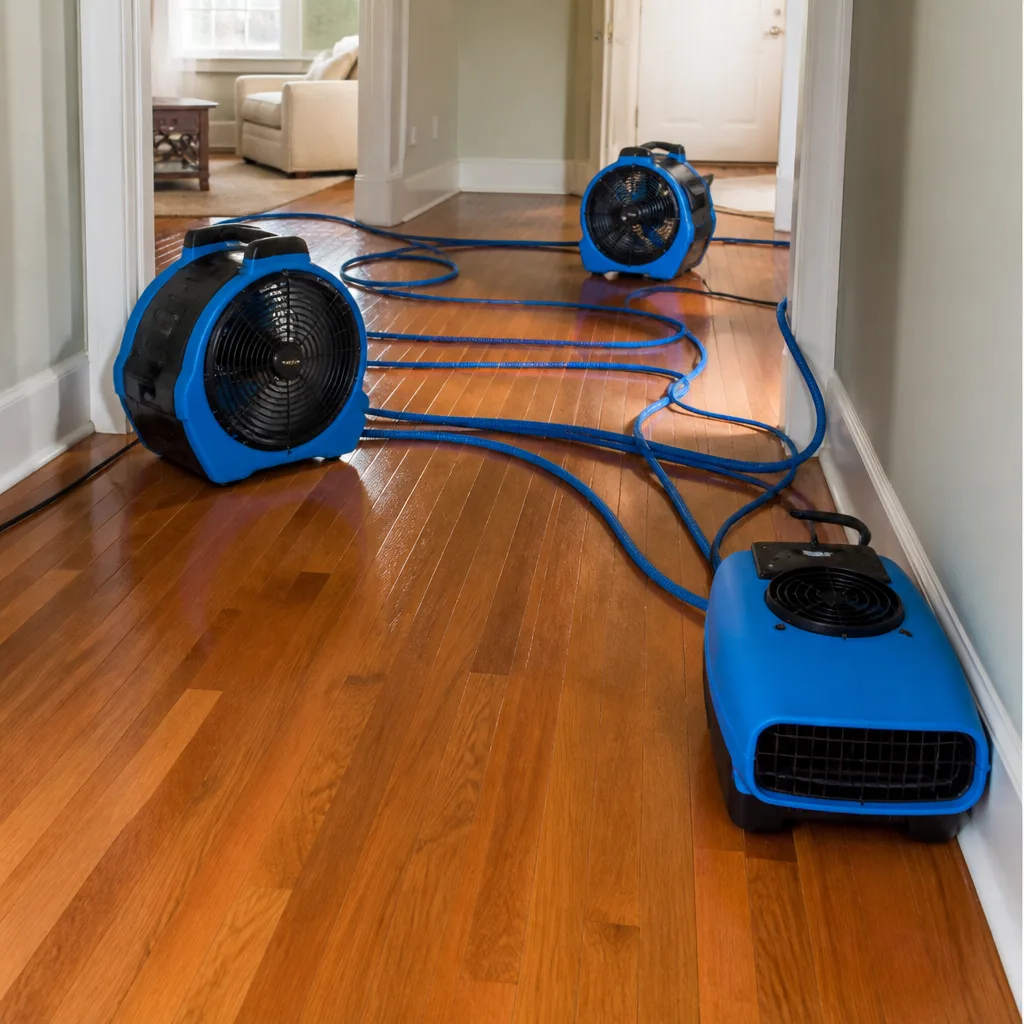

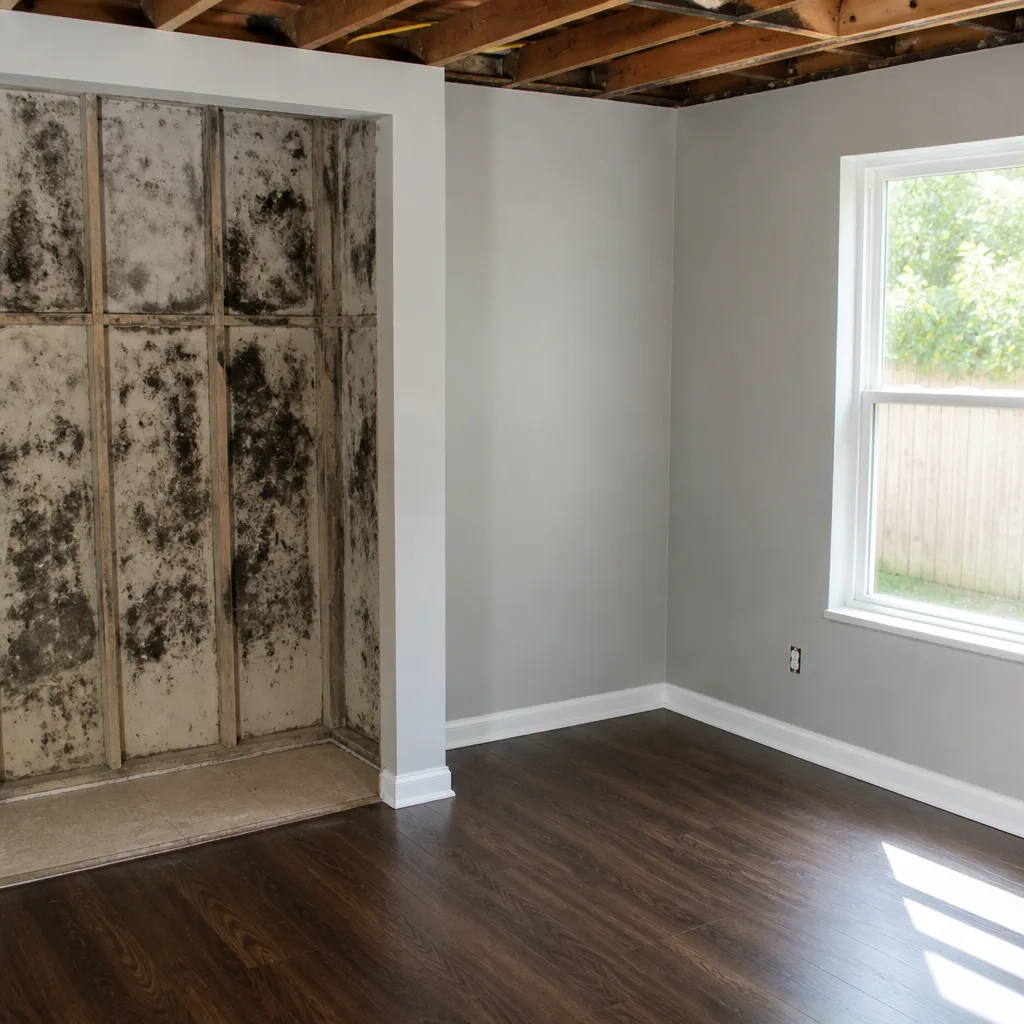



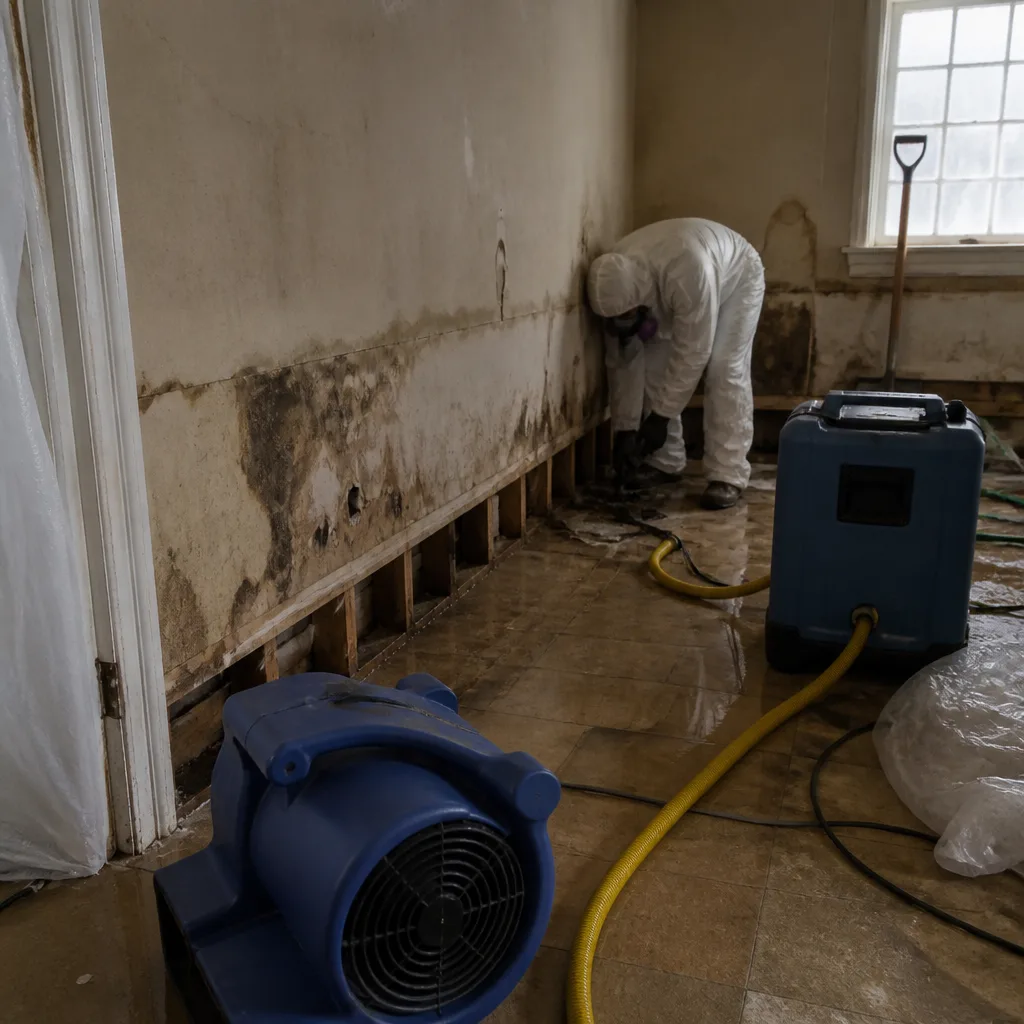 Before
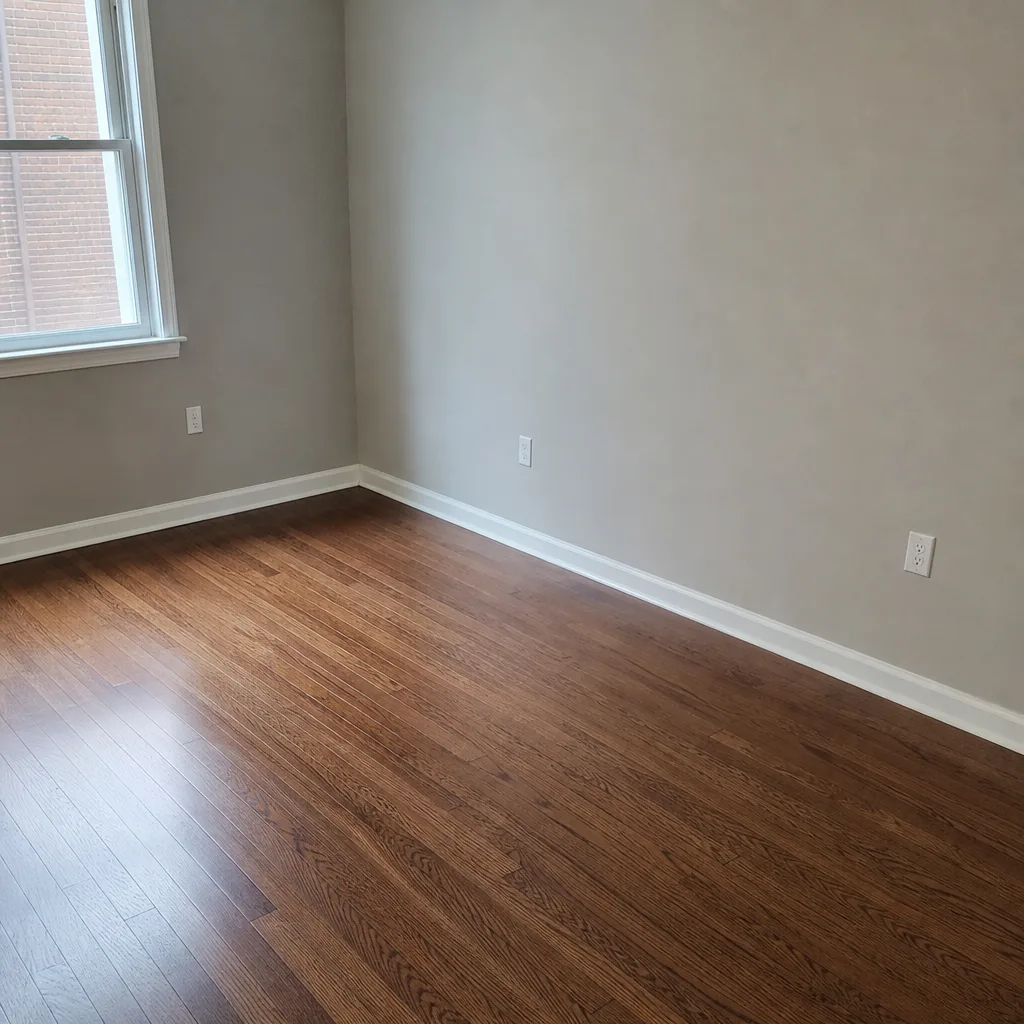 After
After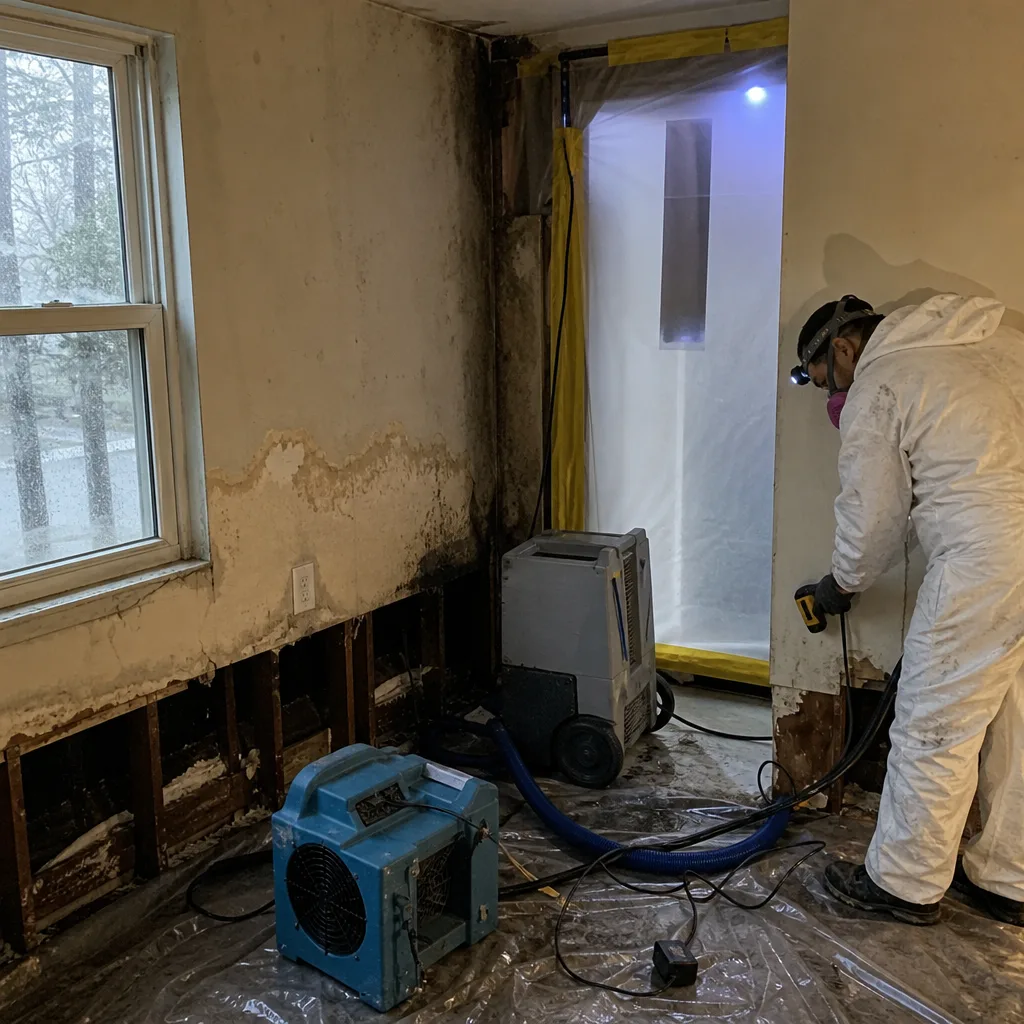 Before
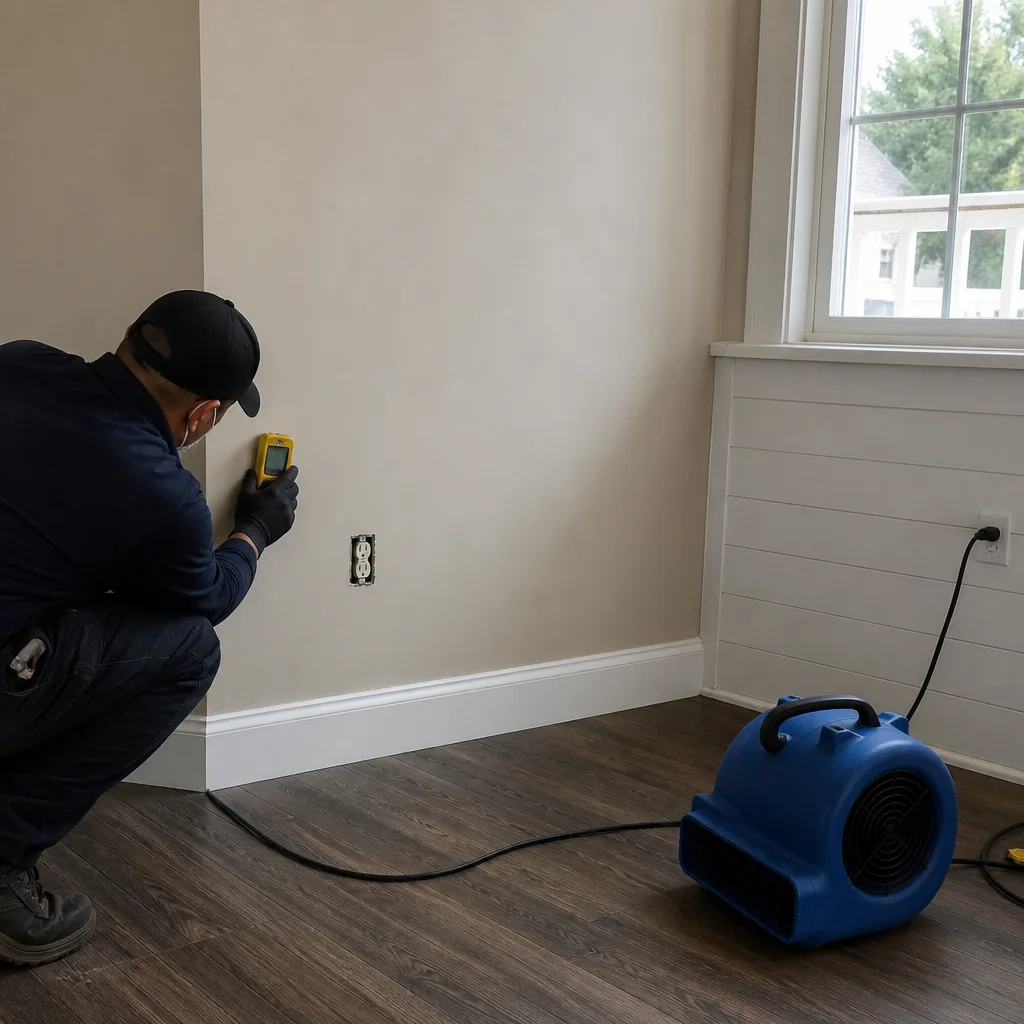 After
After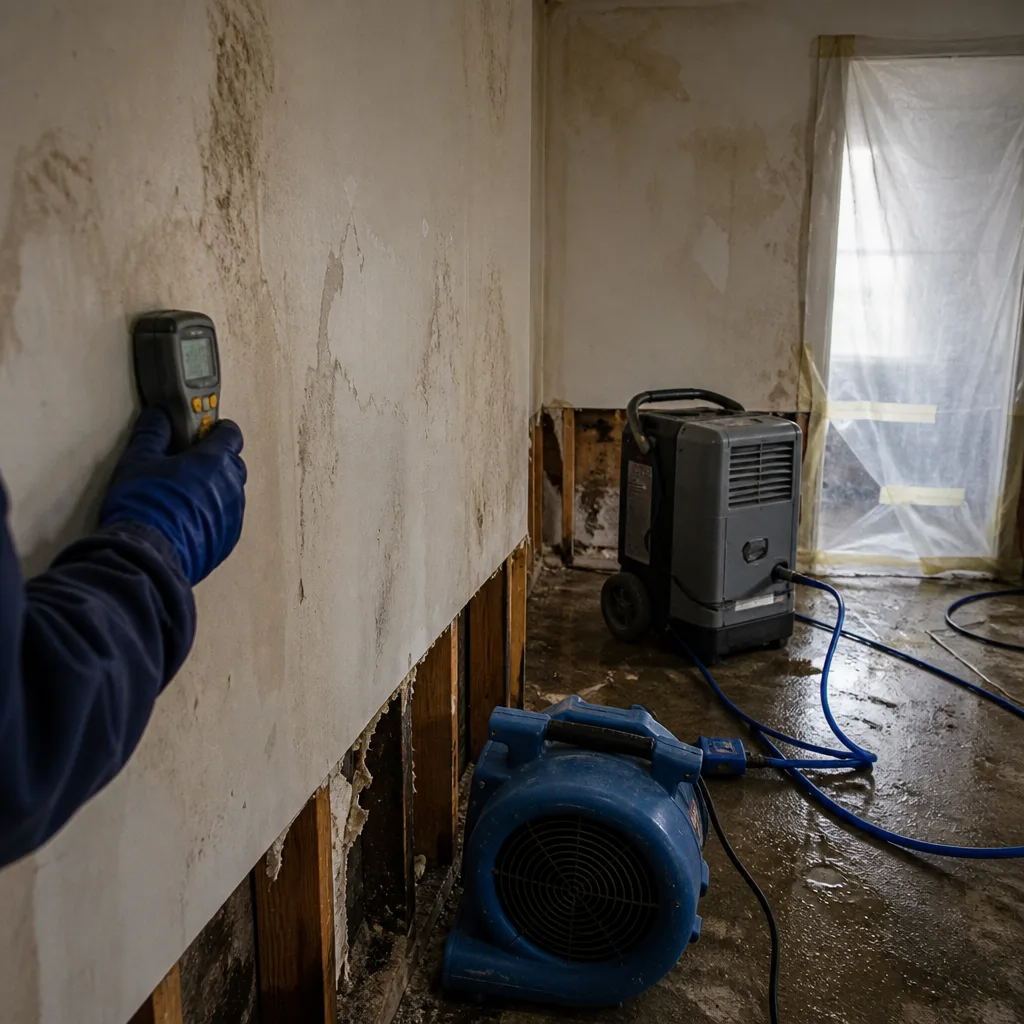 Before
 After
AfterSeasonal Damage Restoration Care for Secaucus: Year-Round Homeowner’s Guide
Most Secaucus homeowners don’t discover a water problem by seeing water. They discover it by smelling it, or by noticing a baseboard that’s started to bow, or by finding a ceiling stain the size of a dinner plate that wasn’t there last month. By then, the damage has been working quietly for weeks. This guide walks you through what each season does to a Secaucus house, what to check, what to ignore, and when to stop inspecting and start calling. You’ll learn the warning signs that matter, the maintenance that actually prevents damage, and what a fair restoration job looks like from the first phone call to the final walkthrough.
Quick Answer
Seasonal damage restoration in Secaucus means preparing for the specific threats each season brings: freeze-thaw pipe bursts in winter, basement seepage and mold in spring, humidity-driven structural issues in summer, and gutter-and-roof failures in fall. The most effective approach is a seasonal inspection routine combined with immediate professional response when water, mold, or fire damage appears, because in Secaucus’s clay-heavy soil and flood-prone lowlands, small problems become structural problems faster than most homeowners expect.
Table of Contents
- Winter: Freeze-Thaw Cycles and Pipe Bursts
- Spring: Groundwater, Seepage, and the Mold Window
- Summer: Humidity, Storms, and Hidden Attic Damage
- Fall: Gutters, Roofs, and the Pre-Winter Walkthrough
- The Moisture Log: Why Daily Readings Matter
- Insurance, Documentation, and Direct Billing
- Common Mistakes to Avoid
- When to Call a Professional
- Frequently Asked Questions
- The Bottom Line
Winter: Freeze-Thaw Cycles and Pipe Bursts
Secaucus sits on low ground between the Hackensack River and the Meadowlands. That means winter temperatures swing hard, and the freeze-thaw cycle works on your pipes the way a crowbar works on a door frame. A pipe that’s frozen solid once can develop hairline fractures that don’t leak until the ice melts and water pressure returns. By the time you see the drip, the water has already traveled.
In our experience responding to winter calls across Secaucus, the homes that take the worst hits share the same profile: unheated basements, crawl spaces, or garages where a supply line runs along an outside wall. The pipe doesn’t care that the living room is 72 degrees. What matters is the temperature inside the wall cavity.
Winter damage prevention checklist for Secaucus homeowners:
- Insulate exposed pipes in unheated areas before Thanksgiving. Foam sleeves cost a few dollars per length. The repair for a burst pipe starts around $1,400.
- Know where your main shutoff is. Test it twice a year. In a freeze emergency, the first hour determines whether you have a wet carpet or a gutted basement.
- Keep cabinet doors open under kitchen and bathroom sinks when temperatures drop below 20°F. This lets warm air reach supply lines.
- Drip faucets on the coldest nights. Moving water resists freezing. It’s a small water bill for a large insurance bill avoided.
- Don’t ignore a drop in water pressure. A sudden pressure drop in winter often means a freeze is forming somewhere upstream.
If a pipe does burst, shut off the main, cut power to affected areas, and call a restoration company that can arrive with extraction equipment the same visit. Standing water in a Secaucus basement will find its way into drywall, insulation, and flooring within hours. The longer it sits, the more invasive the repair.
Spring: Groundwater, Seepage, and the Mold Window
Spring in Secaucus is when the water table rises and the ground around your foundation does what saturated clay does: it expands, presses against the foundation walls, and looks for a way in. Homes in the lower-lying sections of town, particularly near the Hackensack River side, deal with this every year. The first heavy rain after snowmelt is the test.
What spring seepage looks like
Not every wet basement is a flood. Sometimes it’s a slow seep that leaves a dark line along the floor-wall joint, a musty smell that comes and goes, or efflorescence, that white chalky powder on concrete walls that means water has been moving through the masonry for months.
Here’s the order of operations we follow when we respond to a spring seepage call in Secaucus:
- Find the water’s entry point. We map moisture across the basement floor and walls with professional meters. The darkest readings show where the water is coming from, not where it pooled.
- Identify the source. Groundwater seepage, a failed sump pump, a foundation crack, or a plumbing leak all require different fixes. Treating a plumbing leak with a sump pump upgrade doesn’t solve anything.
- Extract standing water. Professional-grade extraction equipment removes water down to the surface level. A shop vac leaves enough behind to keep drying slow and mold risk high.
- Set up drying equipment. Dri-Eaz dehumidifiers and XPOWER air movers placed according to moisture readings, not guesswork. Daily readings track progress until the dry standard is met.
- Document everything. Photos, readings, and a moisture log that goes to you and your insurance carrier. We bill the carrier directly, so you’re never playing messenger.
Mold has a short fuse in spring. The window between “wet” and “moldy” in a humid Secaucus basement can be 48 to 72 hours. If you see discoloration, smell something earthy, or notice allergy symptoms that improve when you leave the house, don’t wait. The Floodline Restoration Co. home page has more on our approach to treating mold at the source rather than painting over it.
Summer: Humidity, Storms, and Hidden Attic Damage
Secaucus summers are humid, and humid air is patient. It moves through open windows, rises into attics, condenses on air conditioning ducts, and settles into wood framing. The damage it causes is slow and invisible until it’s not. Summer roof leaks after a heavy thunderstorm are the obvious calls. The hidden ones are the slow condensation leaks that nobody sees until a ceiling stain appears in the living room.
Summer storm damage in Secaucus tends to move fast. A strong thunderstorm rolls through, wind tears shingles loose, and rain follows the gap into the attic. Within 20 minutes, insulation is soaked, drywall is saturated, and water is working its way down through the ceiling. The faster the extraction starts, the less reconstruction is needed.
Summer maintenance priorities:
- Check the attic after every major storm. Look for dark streaks on rafters, damp insulation, or daylight coming through where it shouldn’t. These are the pre-leak signs that cost hundreds to fix instead of thousands.
- Verify attic ventilation is working. A well-ventilated attic can be 10 to 15 degrees hotter than outside on a July afternoon. That’s normal. A poorly ventilated one traps moisture and cooks your roof deck from the inside.
- Inspect window wells and exterior drains before the first summer downpour. Dry leaves and debris from spring can clog drains and send water toward the foundation instead of away from it.
- Run a dehumidifier in the basement from June through September. Keep it at 45 to 50 percent relative humidity. The cost of running a dehumidifier all summer is a fraction of a mold remediation bill.
Summer is also when we see the most “postponed” damage. A small winter leak that was “on the list” becomes a mold problem in July. A spring seepage spot becomes a structural concern. The moisture map doesn’t reset with the calendar. What’s wet in March is worse in August if it was never dried properly.
Fall: Gutters, Roofs, and the Pre-Winter Walkthrough
Fall is the cheapest season to prevent winter damage. That sounds like a truism, but in Secaucus it’s specific: the leaves that clog gutters in October are the ice dams that form in January. An ice dam is a ridge of ice at the roof’s edge that blocks melting snow from draining. The water pools behind it and works its way under the shingles, into the attic, and down into the walls.
The pre-winter walkthrough is the single highest-value hour a Secaucus homeowner can spend on damage prevention. Here’s the checklist we recommend:
- Clean gutters and downspouts. Do this after the last leaves fall, not before. Extend downspouts at least four feet from the foundation.
- Inspect the roof from the ground. Look for curled, missing, or shifted shingles. Check flashing around chimneys and vents. If you see exposed nails or gaps, call a roofer before the first freeze.
- Check exterior faucets and hoses. Disconnect hoses, drain the line, and shut off the interior valve. A frozen exterior faucet splits from the inside and leaks into the wall cavity all winter.
- Test the sump pump. Pour a bucket of water into the pit and verify the pump kicks on and drains properly. Check the discharge line for clogs. In Secaucus, where groundwater stays high all season, a working sump pump is your first line of defense in a heavy winter rain.
- Seal gaps around pipes and cables where they enter the house. This blocks cold air, but just as importantly, it blocks moisture and insects.
If you’d rather not do this yourself, our $89 Seasonal Tune-Up covers the critical checks. A technician walks the property with you, identifies vulnerabilities, and gives you a written scope of what needs attention before winter. It’s the same walkthrough we do on every full restoration job, offered as a standalone service for homeowners in Secaucus who want an expert eye on their house once a year.
The Moisture Log: Why Daily Readings Matter
Every professional restoration job generates a moisture log. Most homeowners never see it. That’s a mistake. The moisture log is the evidence that the drying worked, and it’s the document your insurance carrier uses to close the claim. If a restoration company can’t show you daily readings, they’re guessing.
Here’s what a proper moisture log includes and why each entry matters:
- Baseline readings taken before drying begins. This tells everyone what “wet” meant at the start. Without a baseline, there’s no way to prove progress.
- Daily readings from multiple points in each affected area. Walls, floors, ceilings, and hidden cavities all dry at different rates. A single reading from the middle of the room tells you nothing about the wall cavity behind the baseboard.
- Equipment placement and settings. Which Dri-Eaz dehumidifier was running, where the Phoenix air movers were pointed, how many liters of water were pulled per day. This tells you the job was done with professional equipment, not a box fan and hope.
- The dry standard comparison. Drying is complete when the affected area reaches the moisture level of a comparable unaffected area in the same home. This is the IICRC standard, and it’s objective, not an opinion.
- The final sign-off. A date, a reading, and a signature. This is the document that says the job was done to standard.
- You never handle money between the carrier and the restoration company. We bill the carrier directly for covered work. You’re not fronting a five-figure sum and waiting for reimbursement.
- The scope of work is documented in writing before the job starts. No mid-job surprises, no “we discovered more damage and now the price doubled” conversations. If the damage is worse than initially assessed, the new scope is written, documented, and added with your sign-off and the carrier’s.
- Photo documentation accompanies every claim. IICRC-certified technicians photograph every affected area before, during, and after the work. These photos are the evidence your carrier needs, and they protect you from disputes about whether the work was necessary.
- The technical team communicates directly with the adjuster. Our technicians speak the same language as adjusters: moisture readings, drying curves, equipment logs. You don’t have to translate “the floor is wet” into “the demolition was justified.”
- Waiting to see if it dries on its own. A Secaucus basement with standing water will not dry on its own in any season. The water is trapped in a space with no air movement. Waiting 48 hours converts a water cleanup into a mold remediation, which is a much bigger job with a much bigger bill.
- Using a shop vac to extract water. A shop vac removes surface water. It leaves water in the concrete slab, the drywall, the insulation, and the wall cavities. Professional extraction with commercial equipment removes what the shop vac can’t, and it’s the difference between a three-day drying job and a three-week one.
- Painting over a water stain without finding the source. The stain comes back, every time, unless the water source is fixed and the area was properly dried. Paint is a cosmetic cover, not a repair.
- Ignoring a musty smell because you got used to it. Musty means mold is actively growing somewhere. You may not see it, but the smell is the evidence. Mold doesn’t stay contained; it spreads through air currents and spores.
- Replacing flooring without checking the subfloor. New flooring over a wet subfloor will cup, warp, and fail within a year. The subfloor needs to meet the dry standard before any finish flooring goes down.
- Choosing a contractor based on the lowest bid. A low bid usually means fewer equipment days, less documentation, or corners cut on materials. The $500 you save becomes $5,000 in rework when the mold returns or the flooring fails.
At Floodline Restoration Co., the moisture log is part of every water damage job. We hand it to you and your carrier at the end. It’s part of the 90-Day Done Right Promise: if the drying wasn’t done right, the evidence is in the log, and we make it right with no arguing. That’s the Keystone Standard, and it’s in writing on every job.
Insurance, Documentation, and Direct Billing
Dealing with a restoration claim is stressful for reasons that have nothing to do with the damage itself. You’re dealing with a loss, a contractor, and an insurance adjuster, and nobody seems to be reading the same document. The homeowner ends up in the middle, relaying messages and hoping the left hand and right hand eventually meet.
It doesn’t have to work that way. Here’s what direct insurance billing actually means and why it changes the entire experience:
In Secaucus, where many homes are older and insurance claims involve multiple layers of prior repairs, documentation matters more than usual. An adjuster who sees a complete file with daily readings and dated photos has no reason to question the scope. A homeowner who has that same file has no reason to worry about being undercompensated.
We’ve handled claims from first water to final rebuild for homeowners in Secaucus for years. The ones that go smoothest share one thing: the restoration company talks to the carrier directly, and the homeowner gets a copy of everything. No exceptions.
Common Mistakes to Avoid
When to Call a Professional
Some damage is a DIY project. A small stain that appeared after a known leak and dried quickly may be fine to monitor. But most scenarios that bring homeowners to this guide warrant a professional assessment. Call a restoration company if you see standing water in the basement, water coming through the ceiling, any visible mold growth, a musty smell that persists, water stains that grow or darken, or if you’ve had a fire of any size, because smoke residue spreads far beyond the burn site. Floodline Restoration Co. offers free estimates in Secaucus, call (201) 762-0667. A live person answers, 24 hours a day, and a technician can assess the damage and give you a written scope before you commit to anything.
Frequently Asked Questions
Water damage restoration in Secaucus typically ranges from $1,800 to $8,000 depending on the extent of the damage, the size of the affected area, and whether structural drying or mold remediation is needed. Small, contained leaks that are caught quickly run at the low end. A flooded basement with multiple affected rooms, saturated drywall, and contaminated water runs at the high end. Call (201) 762-0667 for a free estimate with a written scope before any work begins.
Most homeowner policies cover sudden and accidental water damage, including burst pipes, storm damage, and fire damage, but not gradual seepage or neglect. The fastest way to know where you stand is to have a professional assessment done and the documentation started immediately. Floodline Restoration Co. bills your carrier directly and communicates with the adjuster on your behalf, so you never play messenger between the two. Call (201) 762-0667 and we’ll start the paperwork.
A live dispatcher answers 24/7, and a certified crew can typically reach your Secaucus home the same day. Water damage waits on no one, and every hour of standing water expands the affected area. Our crews arrive with professional-grade Dri-Eaz and Phoenix equipment, extract the water, and start the drying process on the same visit. Call (201) 762-0667 any hour, day or night.
If the water was clean and the area was dried within 24 to 48 hours, a thorough cleaning and drying may be sufficient. If the water was contaminated (sewage, floodwater, or anything that sat for more than two days), you need professional remediation because bacteria and mold have already begun to colonize. A free assessment will tell you which category you’re in and what the drying plan requires. Call (201) 762-0667 for an honest answer, not a sales pitch.
Secaucus is built on low-lying land between the Hackensack River and the Meadowlands, with a high water table and clay-heavy soil that holds moisture. Many homes in the area have basements that sit below the water table for part of the year, which means groundwater pressure is constantly working against the foundation. Add in the freeze-thaw cycles of a northern New Jersey winter, and basement seepage is a year-round concern that requires seasonal maintenance and fast response when water does get in.
It means that if the work isn’t done right, we make it right, in writing, with no arguing and no paperwork battles. We stand behind every job we do. If something fails within 90 days because the drying wasn’t complete, the rebuild wasn’t done to standard, or the work didn’t hold up, we return and fix it. That’s the Keystone Standard, and it’s part of every contract we write. Call (201) 762-0667 to talk through your specific situation.
The Bottom Line
Seasonal damage restoration in Secaucus isn’t about waiting for disaster. It’s about knowing what each season does to a low-lying, clay-soil, freeze-thaw home, checking the right things at the right time, and responding fast when water, mold, or fire finds a way in. The homeowners who avoid the worst outcomes are the ones who inspect early, document everything, and call a restoration company that answers the phone with a live person and stands behind the work in writing. That’s the standard we’ve held since 2010, and it’s the standard we bring to every home in Secaucus.
Written by Curt Bowman, Owner at Floodline Restoration Co., serving Secaucus since 2010.