

Free visual inspection and a written scope of work before any mitigation begins - photos, moisture readings, and drying logs go in your claim file
The scope we write is the scope we bill. Anything new gets shown to you, in writing, before we touch it.
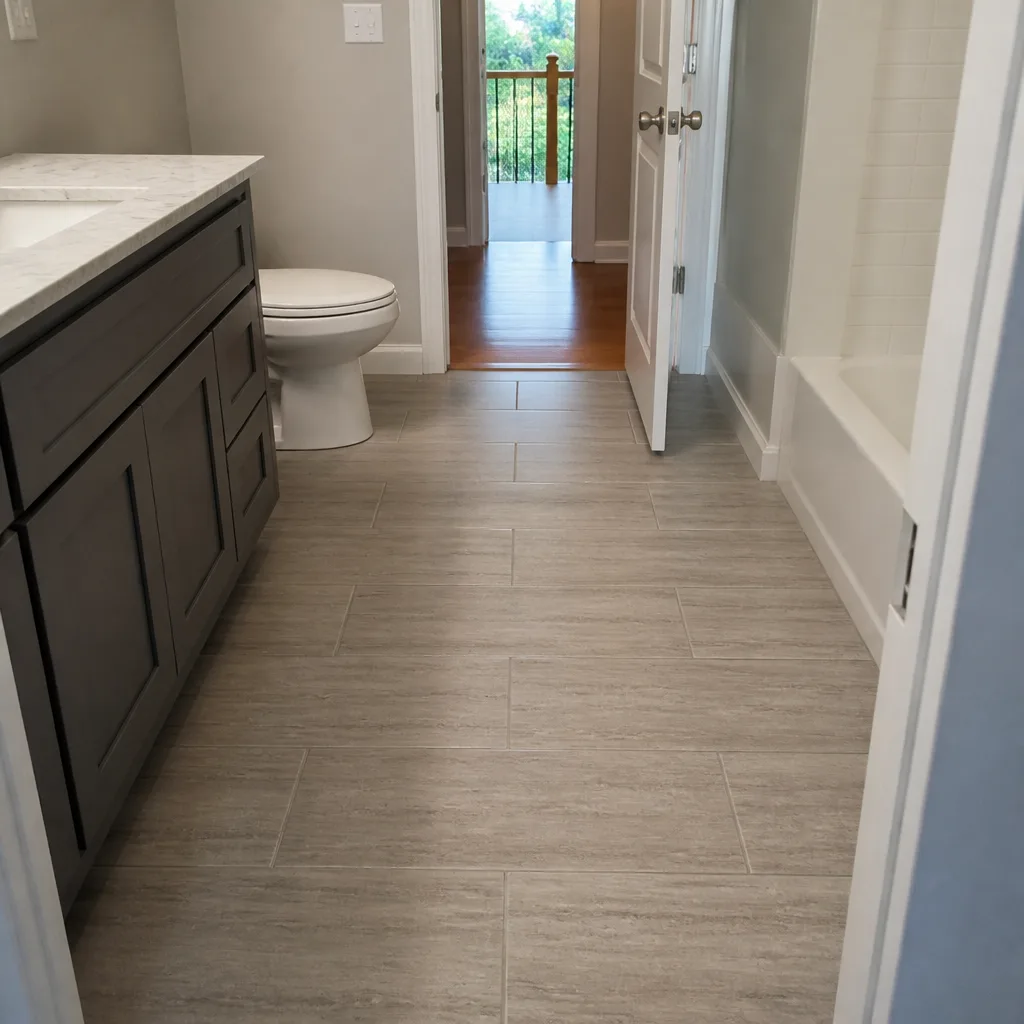
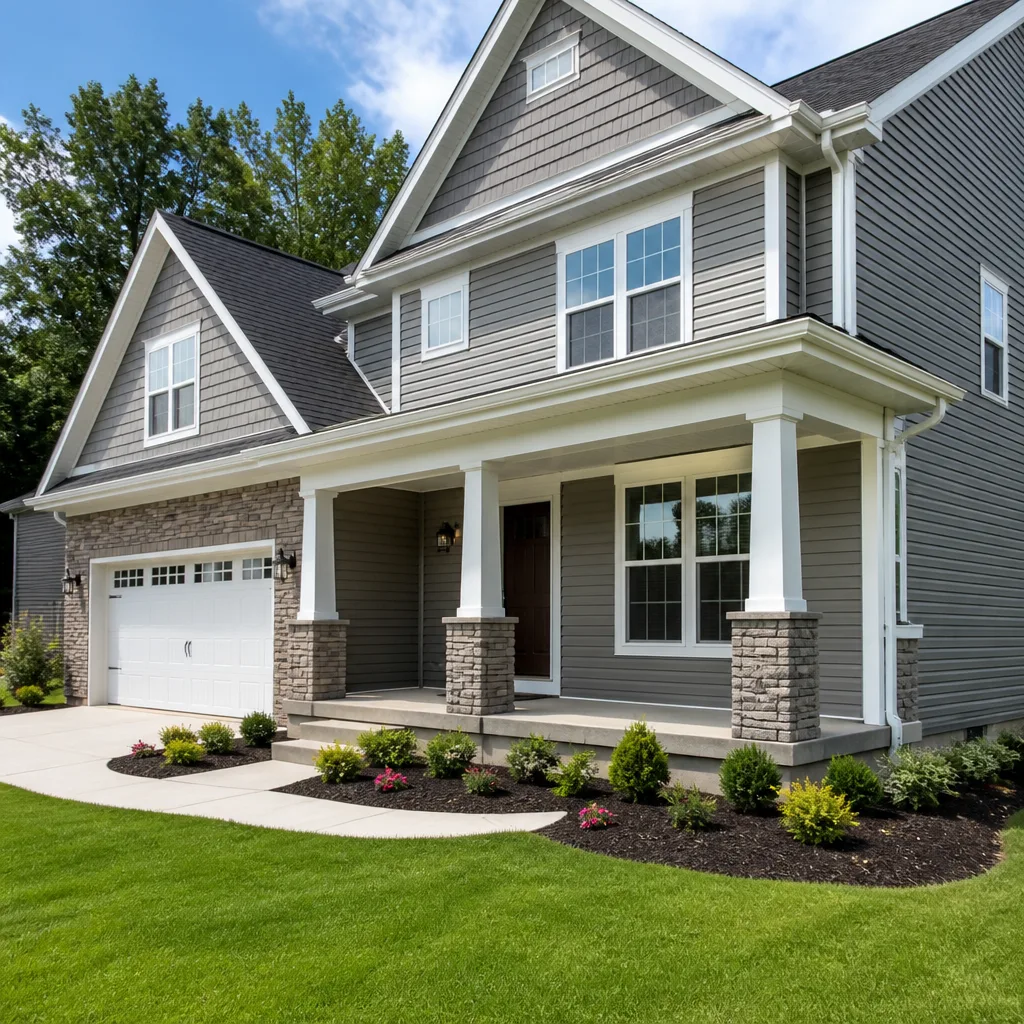
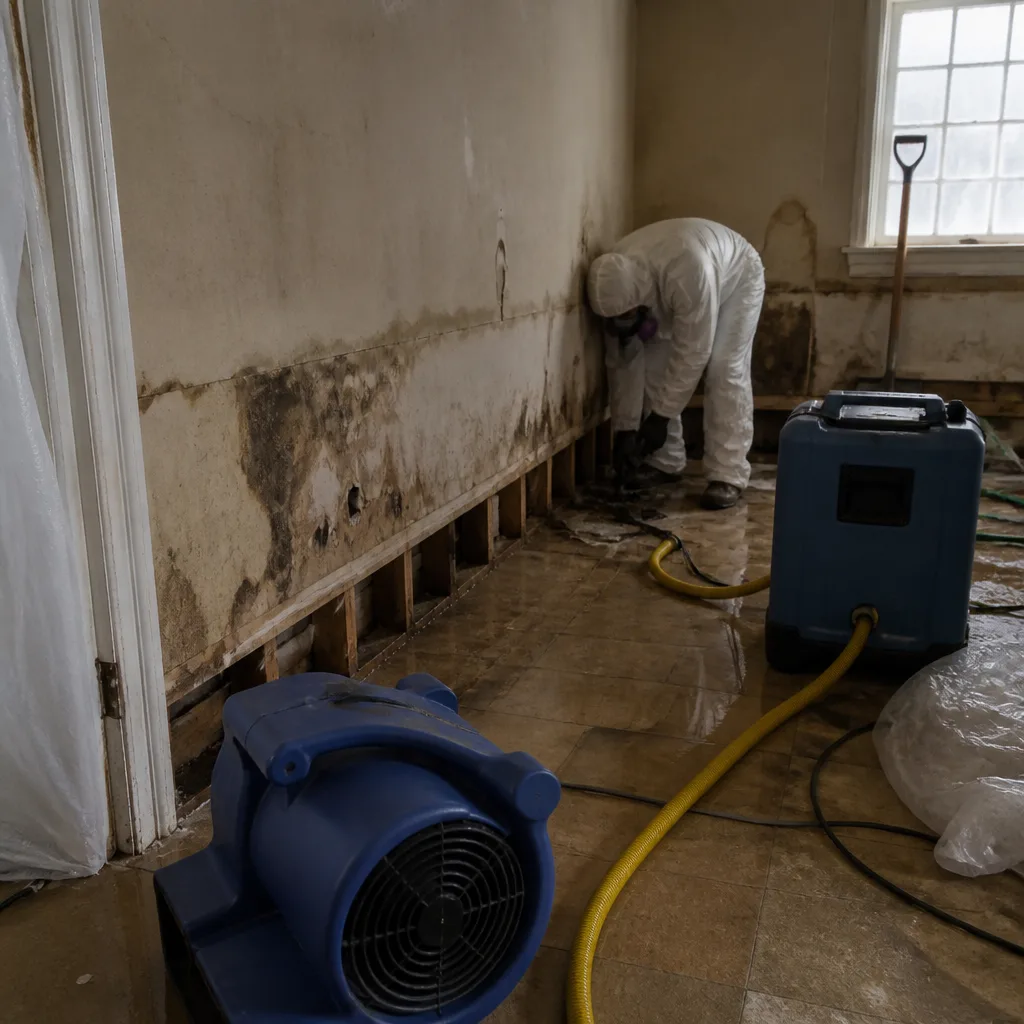 Before
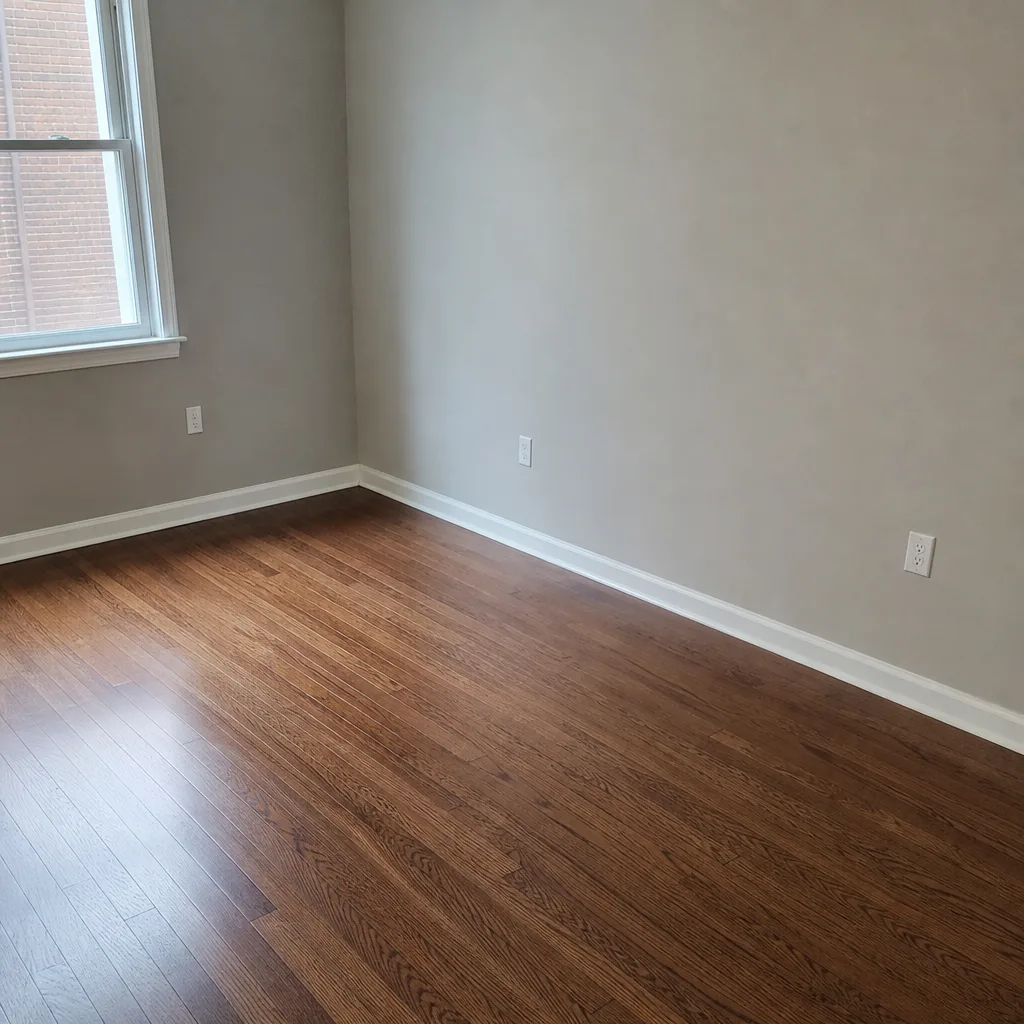 After
After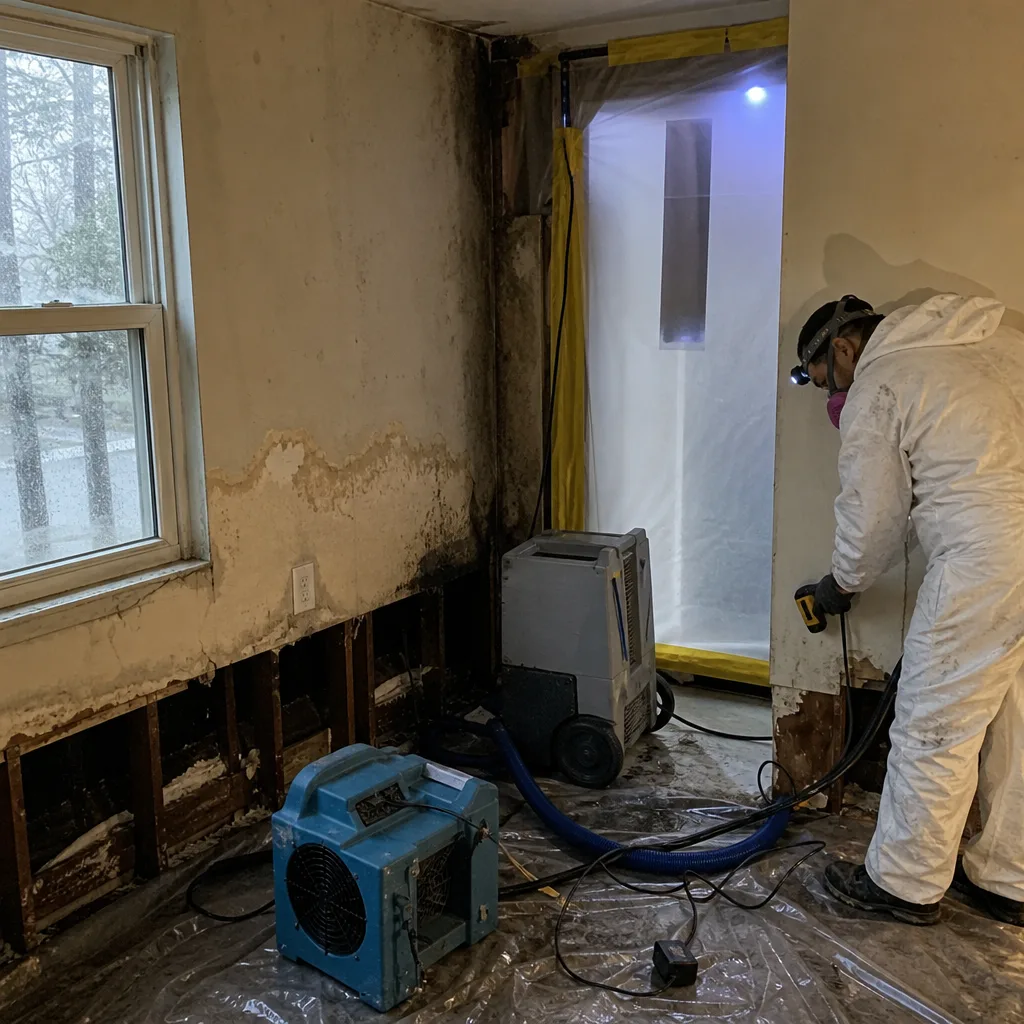 Before
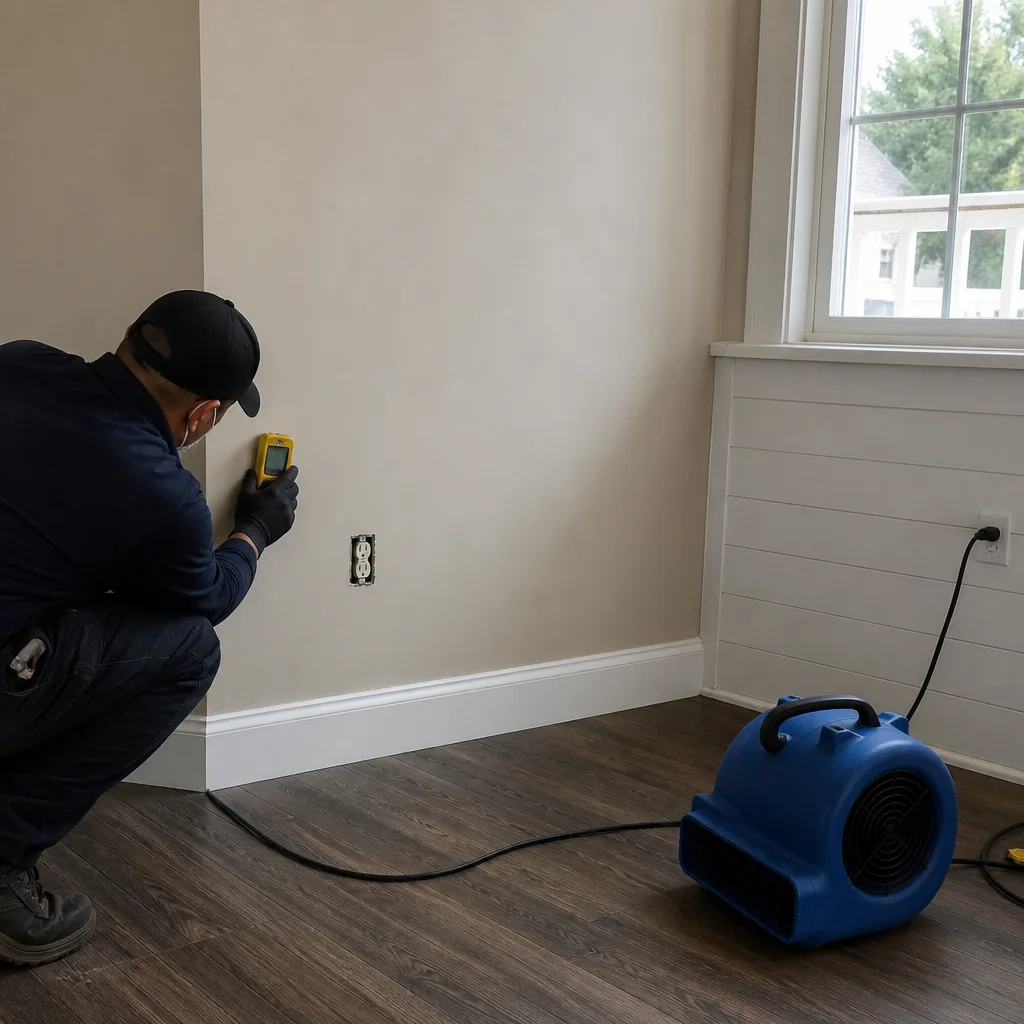 After
After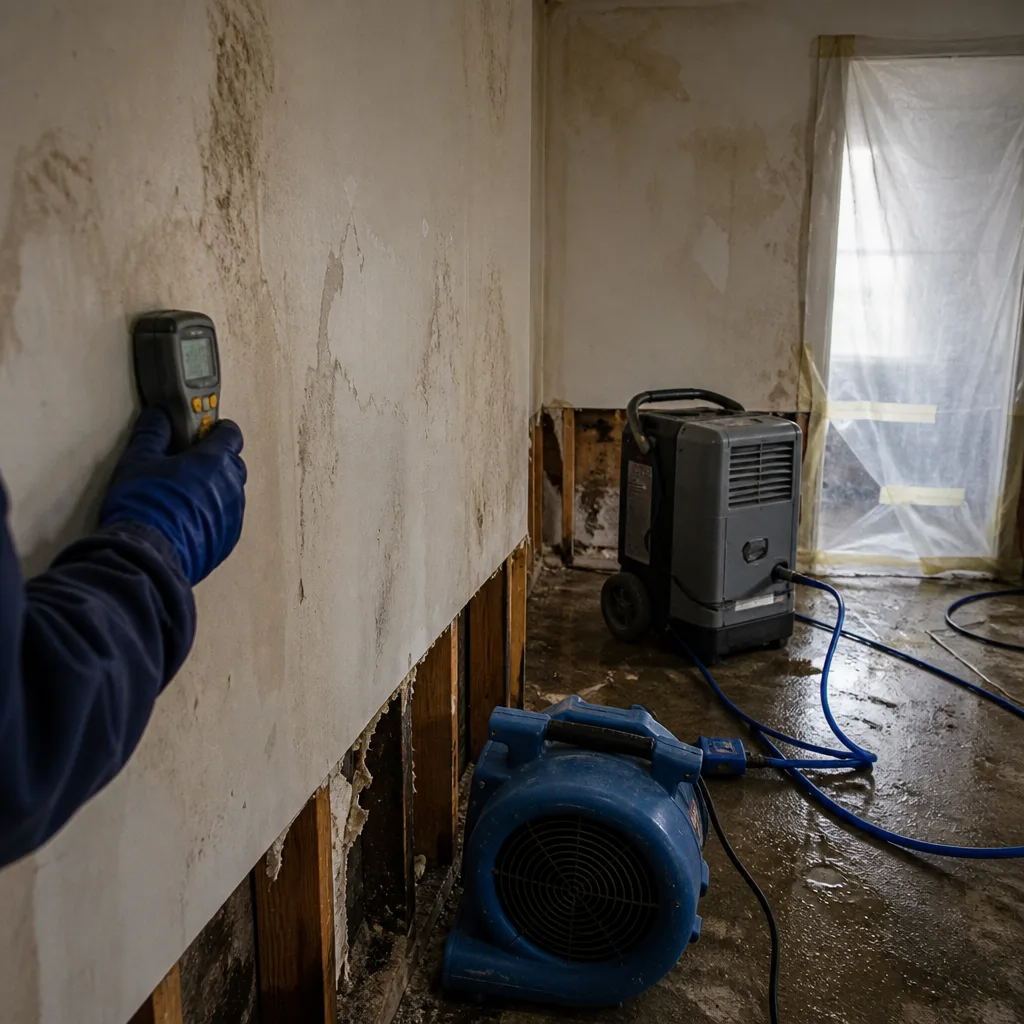 Before
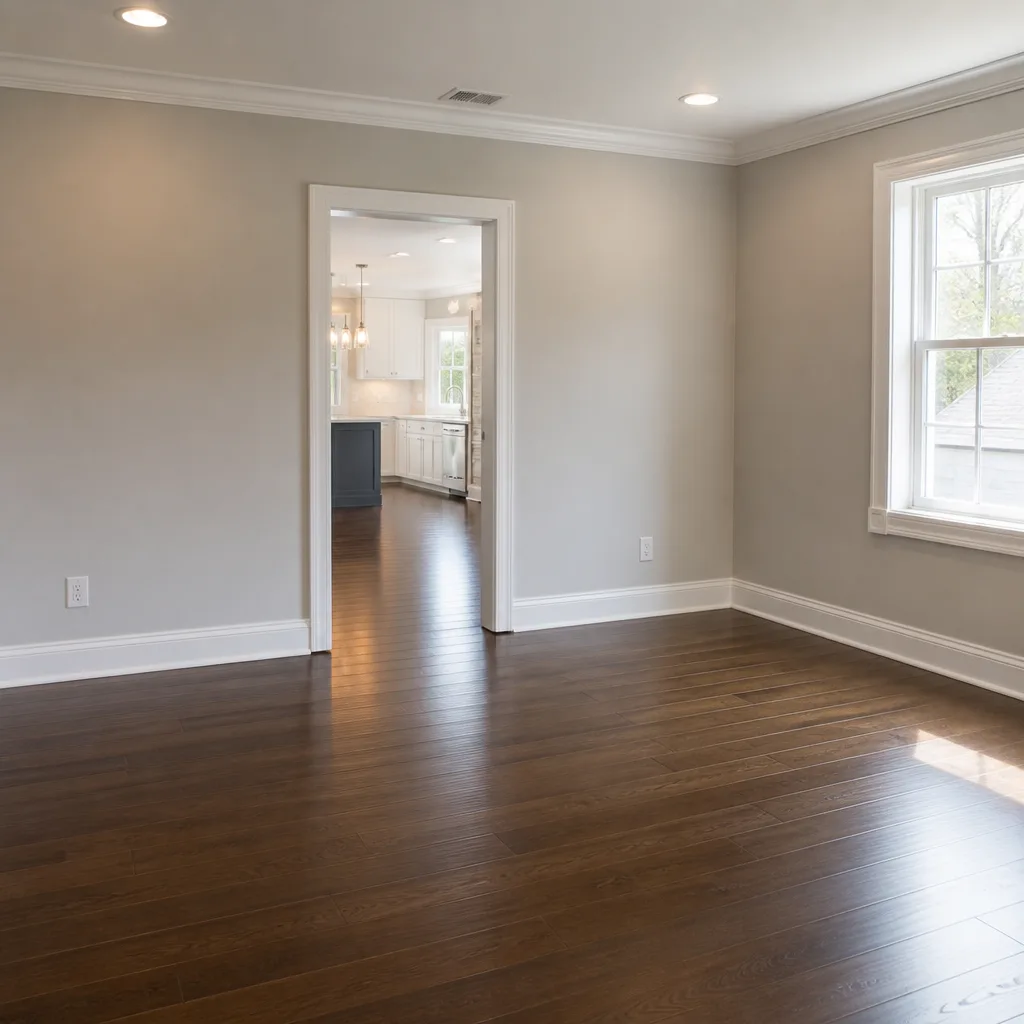 After
After24/7 Emergency Reconstruction & Cleanup in Passaic
When river water, fire, or structural failure hits your Passaic property, reconstruction and cleanup should start within hours, not days. Floodline Restoration Co. answers live around the clock at (201) 762-0667, and we dispatch crews into every Passaic neighborhood from Dundee Island Park to the Gregory Avenue corridor the same visit. We arrive with professional-grade equipment, a moisture map, and a written scope before any work begins. The first hour matters in Passaic more than most places: the lower Passaic River’s slow drainage means standing water sits against original plaster and lath long after the rain stops, and mold takes hold inside 48 hours.
Understanding Reconstruction & Cleanup Severity in Passaic Properties
Passaic’s housing stock was built before World War II: attached row houses on Gregory and Main, converted mill-era tenements near the river, and dense three- and four-story walkups throughout the 07055 zip. Original plaster walls, aged cast-iron plumbing, and floors with decades of layered repairs shape every reconstruction job we take in Passaic. Severity starts with the water category. Category 1 is clean supply-line water that bursts from a frozen pipe in January. Category 2 carries contaminants from appliance overflows or sump failures. Category 3 is what Passaic knows too well: river water, raw sewage, and debris that flooded first floors during Hurricane Irene and Superstorm Sandy. Category 3 water requires full containment, HEPA air scrubbing, and removal of saturated porous material. In Passaic specifically, we also check for asbestos in the original plaster and lead paint on pre-1940 trim before cutting anything open. We do not guess. We test, we document, and we proceed only when the abatement plan is clear and code-compliant.
Why Passaic Property Owners Choose Floodline Restoration Co.
- 45-minute response commitment for emergency calls inside Passaic, with a live dispatcher mapping the fastest route from our crews’ current job to your door.
- 24/7 live answer, never a recording. A real person picks up at 2 a.m. when the Passaic River jumps its banks or a supply line lets go behind a third-floor wall.
- IICRC-certified crews trained to WRT, FSRT, and AMRT standards, background-checked and uniformed for every job.
- Free visual inspection with photo documentation and a written scope before you commit to anything. No pressure, no vague verbal estimates.
- Direct insurance billing so you never play messenger between Floodline and your carrier. We document, we submit, we coordinate with your adjuster.
- One team from extraction to reconstruction. The same certified crew that reads the moisture map on day one rebuilds the drywall and trim at the finish. No handoff, no inherited crew.
Our Reconstruction & Cleanup Process
Inspection & Assessment
We start with thermal imaging and hygrometer readings, not a clipboard guess. In Passaic, that means mapping moisture behind original plaster, checking floor cavities in row houses with no basement access, and identifying asbestos or lead surfaces before any cutting begins. You get the full scope in writing, with line-item pricing, before work starts.
Extraction & Stabilization
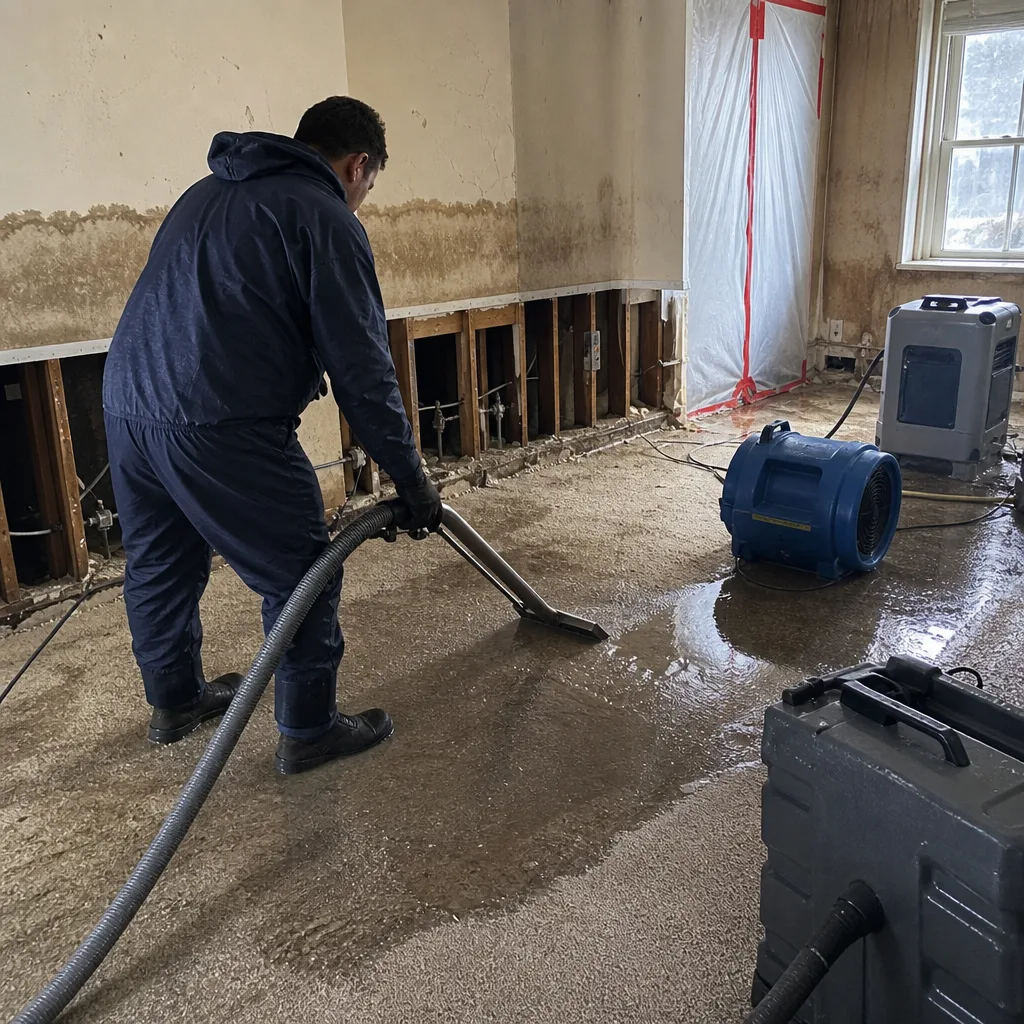
Standing water comes out with truck-mounted extraction units and submersible pumps. We board up and tarp anything exposed to weather. In dense Passaic tenements, we also set up security screening so displaced tenants’ belongings are not vulnerable while the building is open.
Drying & Dehumidification
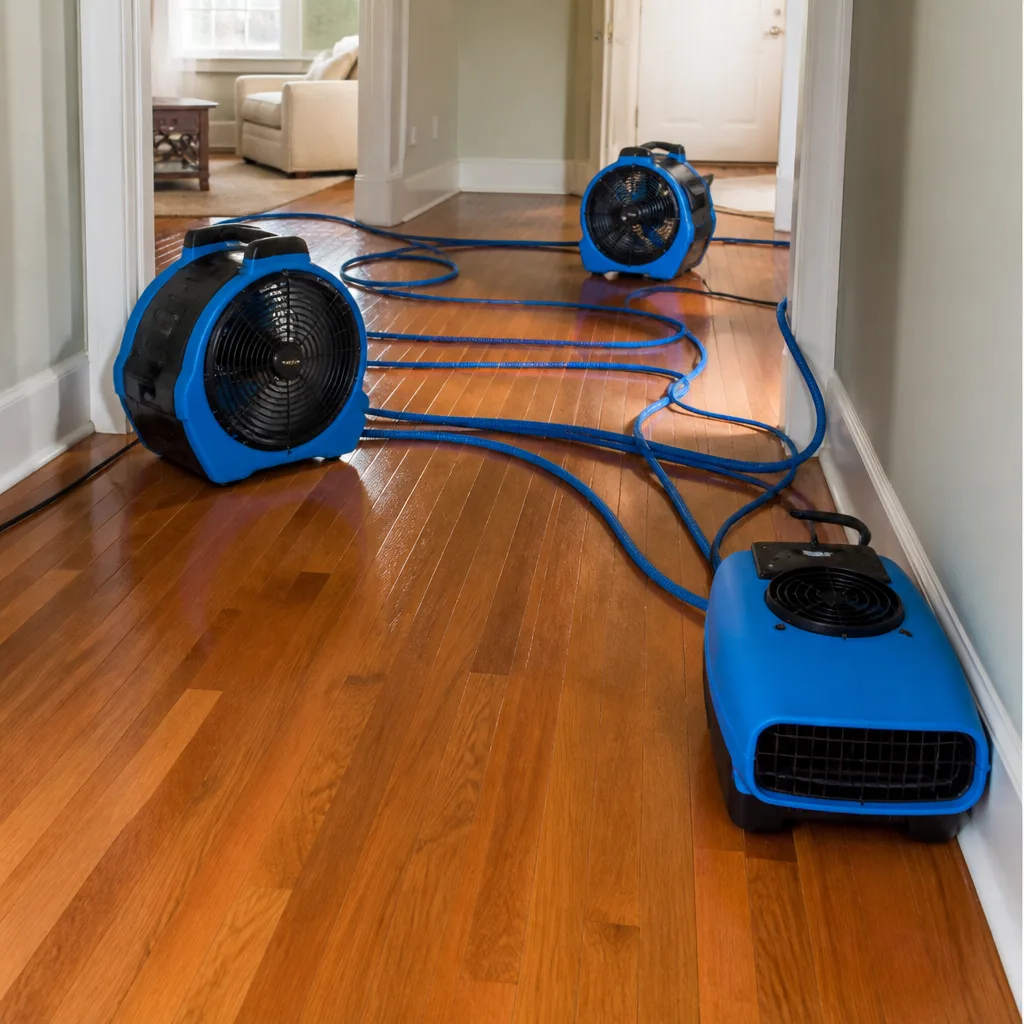
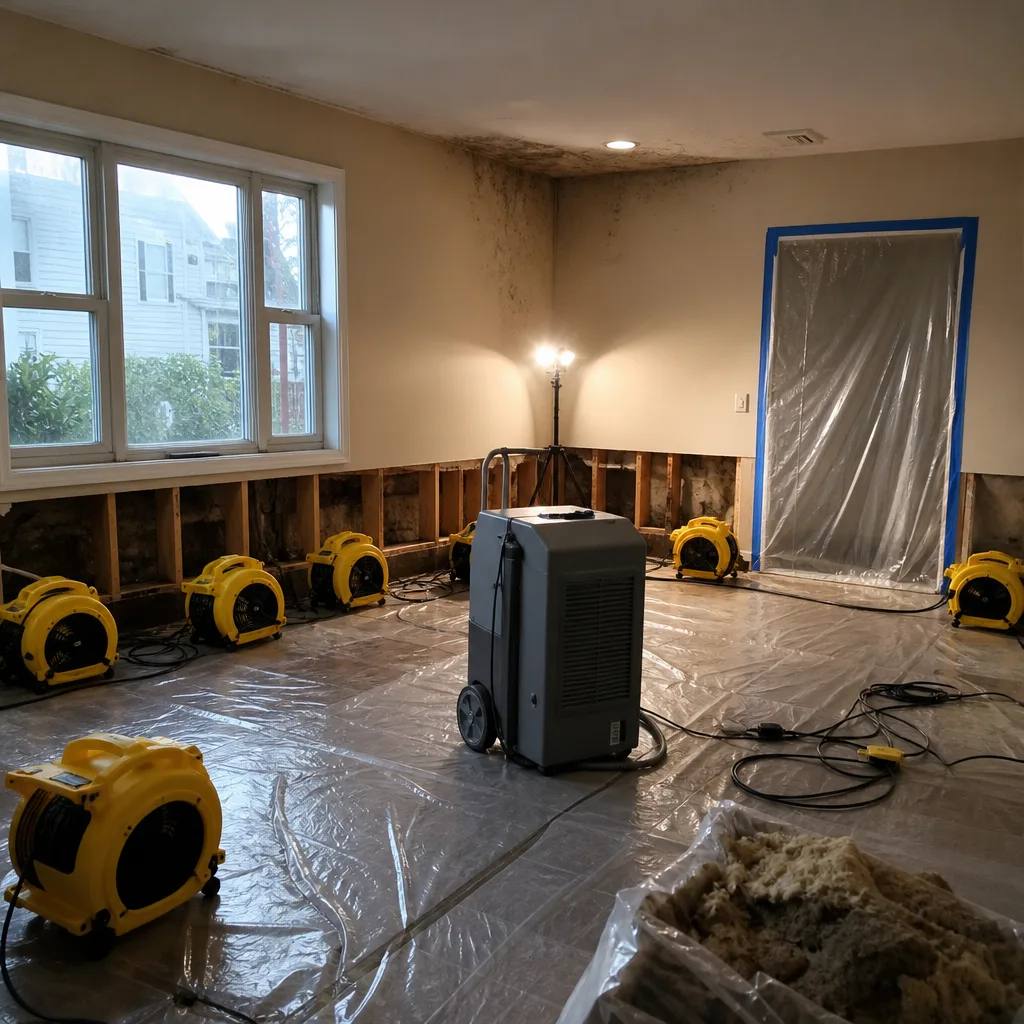
Dri-Eaz dehumidifiers, Phoenix air movers, and XPOWER units run on a daily-monitored cycle. Passaic’s flat topography means water drains slowly, so drying timelines here often run longer than in higher-elevation towns like Rutherford or Lyndhurst. We log readings every day until we hit pre-loss moisture levels.
Cleaning & Sanitization
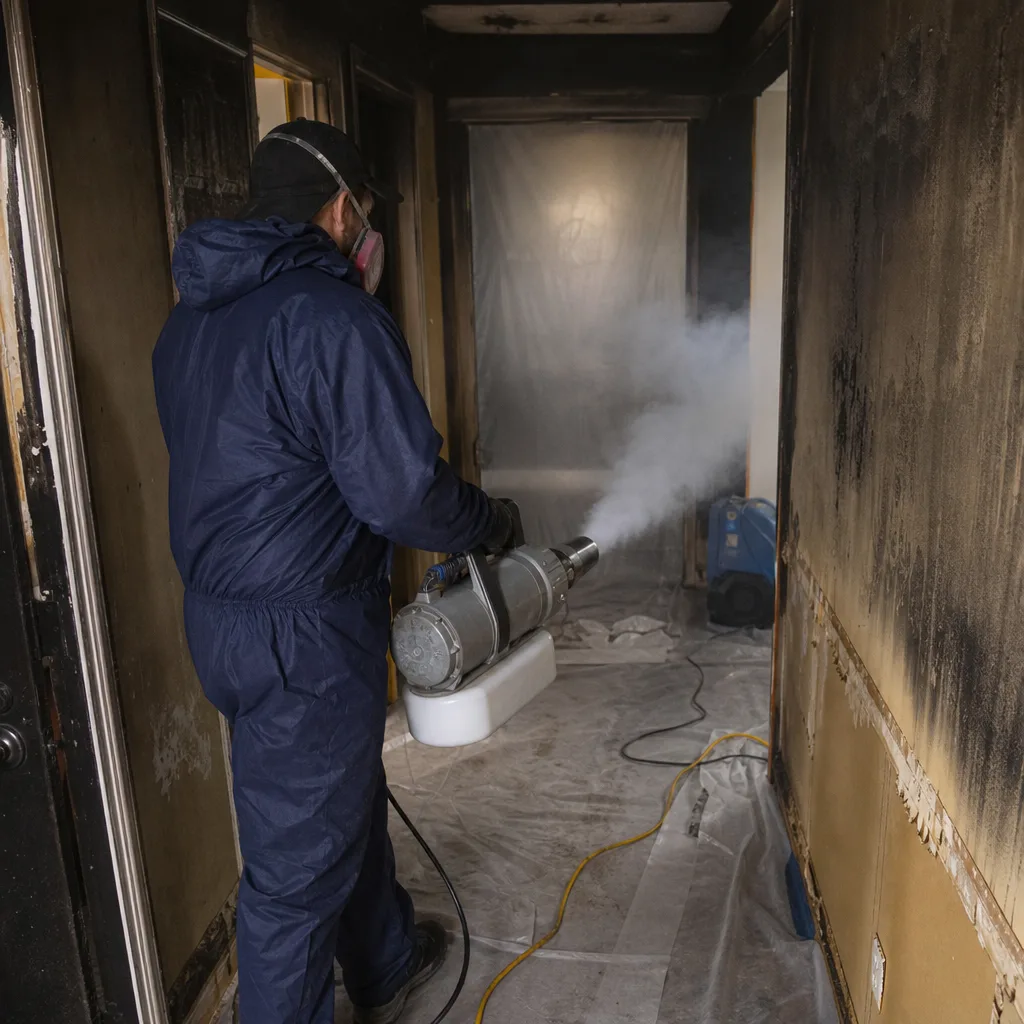
For Category 3 flooding, this means negative-air containment with HEPA filtration, antimicrobial treatment, and disposal of saturated material following local waste requirements. We sanitize every surface touched by floodwater, including inside wall cavities and under original trim.
Abatement & Specialty Treatment
When our inspection finds asbestos in plaster or lead paint on pre-1940 trim, we bring in lead-safe certified carpenters and licensed abatement teams before demolition proceeds. This is not optional in Passaic: city housing inspectors will shut down a job that disturbs these materials improperly.
Repairs & Restoration
Full-service reconstruction from Floodline means new drywall, matched trim profiles, flooring, paint, and structural repairs completed by the same crew that handled extraction and drying. We hand you a finished space, a full moisture log, and the 90-Day Done Right Promise in writing.
Need Emergency Reconstruction & Cleanup in Passaic Now?
Crews minutes away, answering live 24 hours a day. The sooner we start, the less it costs.
Working With Your Insurance Company
Passaic sees more FEMA flood-insurance claims than almost any other city in Bergen or Passaic County. Those claims stall. They stall while adjusters schedule, while paperwork bounces between the landlord, the tenants, and the carrier. You do not have to wait. Floodline starts mitigation the same visit and documents everything with photos, moisture readings, and a line-item scope that meets industry estimating standards. We talk to your adjuster directly, present the evidence plainly, and keep the job moving while the claim processes. For Passaic landlords managing multi-unit properties, we also coordinate with city housing inspectors so the work is compliant from the first cut. No job sits idle because a claim is pending. We bill the carrier directly on approved scopes, and we stand behind every line item.
What We Provide Your Insurer
- Thorough documentation of the loss
- Photos of all damage, room by room
- Moisture readings and drying logs
- A detailed, line-item scope of work
- Direct coordination with your carrier
Built for Passaic’s Loss Calendar
Passaic’s loss calendar is not a gentle curve. January and February bring deep freezes that burst supply lines in uninsulated exterior walls of pre-war walkups. March and April bring snowmelt and rain that back up into basements and first floors because the lower Passaic River simply cannot carry the volume through its urban channel. Summer thunderstorms hit flat, paved-over streets and overwhelm the city’s drainage in minutes. Late summer and fall bring the tropical remnants: Irene in 2011, Sandy in 2012, and a dozen lesser storms since. Each one fills basements and first floors with Category 3 water. Add to that the normal toll of old cast-iron plumbing letting go in a row house on Howe Avenue or a fire starting in a cramped third-floor kitchen on Monroe Street, and the pattern is clear: Passaic does not have a quiet season. It has a standing reconstruction practice. Our Reconstruction & Cleanup team is built for exactly that rhythm: dispatch-ready around the clock, equipment staged for riverine flooding, and crews who know Passaic’s buildings and claim patterns before they arrive.
Reconstruction & Cleanup Across Passaic’s Neighborhoods
Response routes in Passaic look different from the suburbs. Crews rolling to the Dundee Island Park area cross the river’s floodplain, where basement and first-floor water intrusion is constant. The Gregory Avenue corridor runs through dense attached housing with alley-load access and no street parking for a box truck, so we stage smaller vehicles and hand-carry equipment through narrow walkways. Around Main Avenue and First Street, where our crews recently completed a full-scope reconstruction on a four-unit tenement, the standard job is not a single-family home. It is a three-story building with original plaster, multiple tenants, one shared stairwell, and a landlord’s flood-insurance policy covering everything. Near Passaic High School and the boulevard, we see the same pre-war construction but more single-family ownership, which often means homeowners who have lived there twenty years and want the original trim and plaster profiles preserved during reconstruction. The Third Ward’s industrial-era buildings and converted mill spaces carry their own complications: heavy timber framing, oversized openings, and the constant reminder that the river is close enough to flood every fall.
Specialized Reconstruction & Cleanup Services We Offer in Passaic
Full-Service Reconstruction
From water extraction to the final coat of paint, one Floodline crew handles the entire job. We rebuild basements, kitchens, bathrooms, and entire first floors in Passaic’s row houses, tenements, and converted mill buildings. We match trim profiles on pre-war woodwork, repair original lath-and-plaster where it is salvageable, and replace it with code-compliant drywall where it is not. Every reconstruction ends with the 90-Day Done Right Promise in writing.
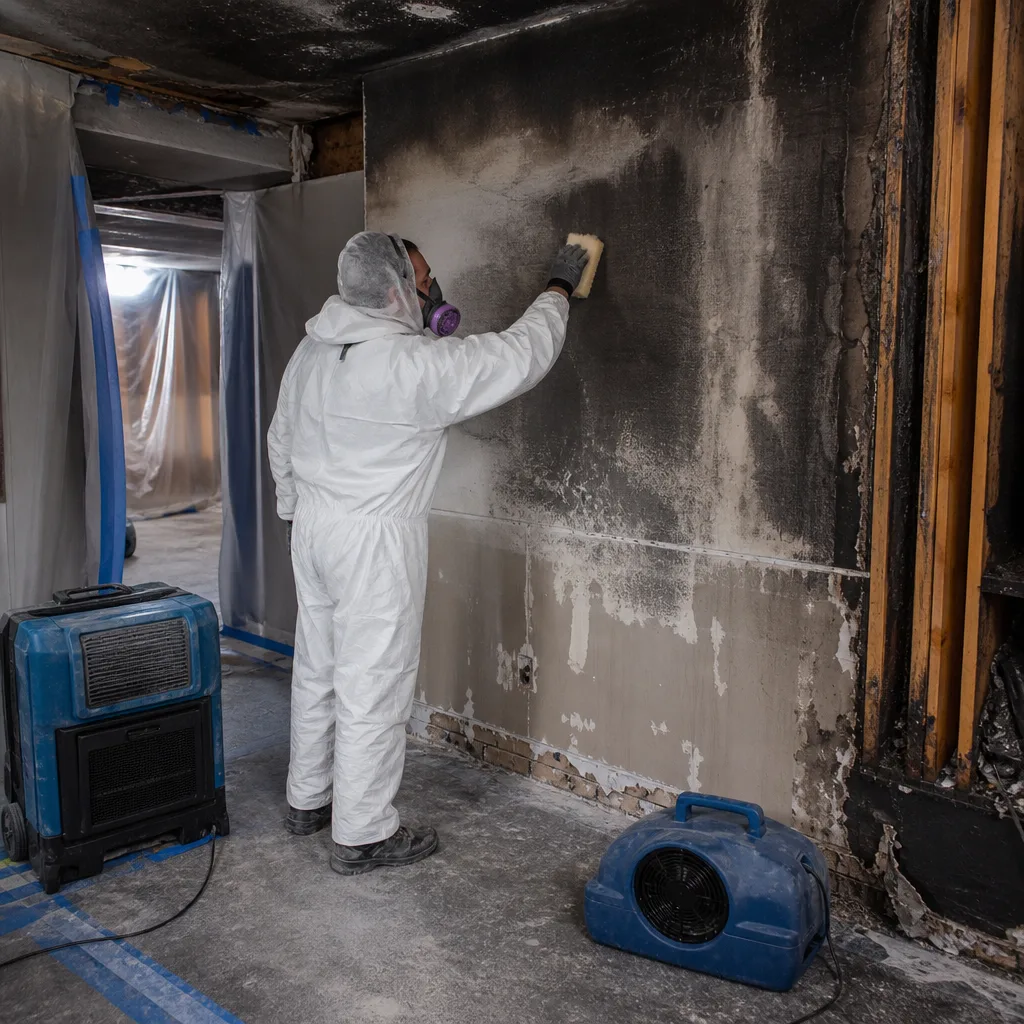
Contents Restoration & Pack-Out
When a Passaic basement takes three feet of river water, the contents are often displaced tenants’ furniture, clothing, and personal papers. We pack out everything salvageable, document it room by room, and transport it to our controlled drying facility. When the building is ready, we return the contents, cleaned and restored. For landlords, this pack-out process also consolidates the claim documentation adjusters need.
Drywall & Flooring Repair
Saturated drywall wicks moisture upward and outward through wall cavities. We cut out damaged sections at the flood line, dry the framing behind, and replace with moisture-resistant board where appropriate. Flooring follows after drying logs confirm the substrate is stable: hardwood, tile, vinyl, and subfloor all handled by the same crew.
Contents Restoration & Pack-Out for Landlords
Passaic’s multi-unit rental stock means pack-outs often involve coordinating with tenants who are displaced and a landlord who is not on site. We schedule pack-outs around tenant access, document every item before it moves, and maintain a chain-of-custody record that insurance adjusters accept without argument. Tenants’ belongings are treated with the same care as our own.
Carpet & Upholstery Cleaning
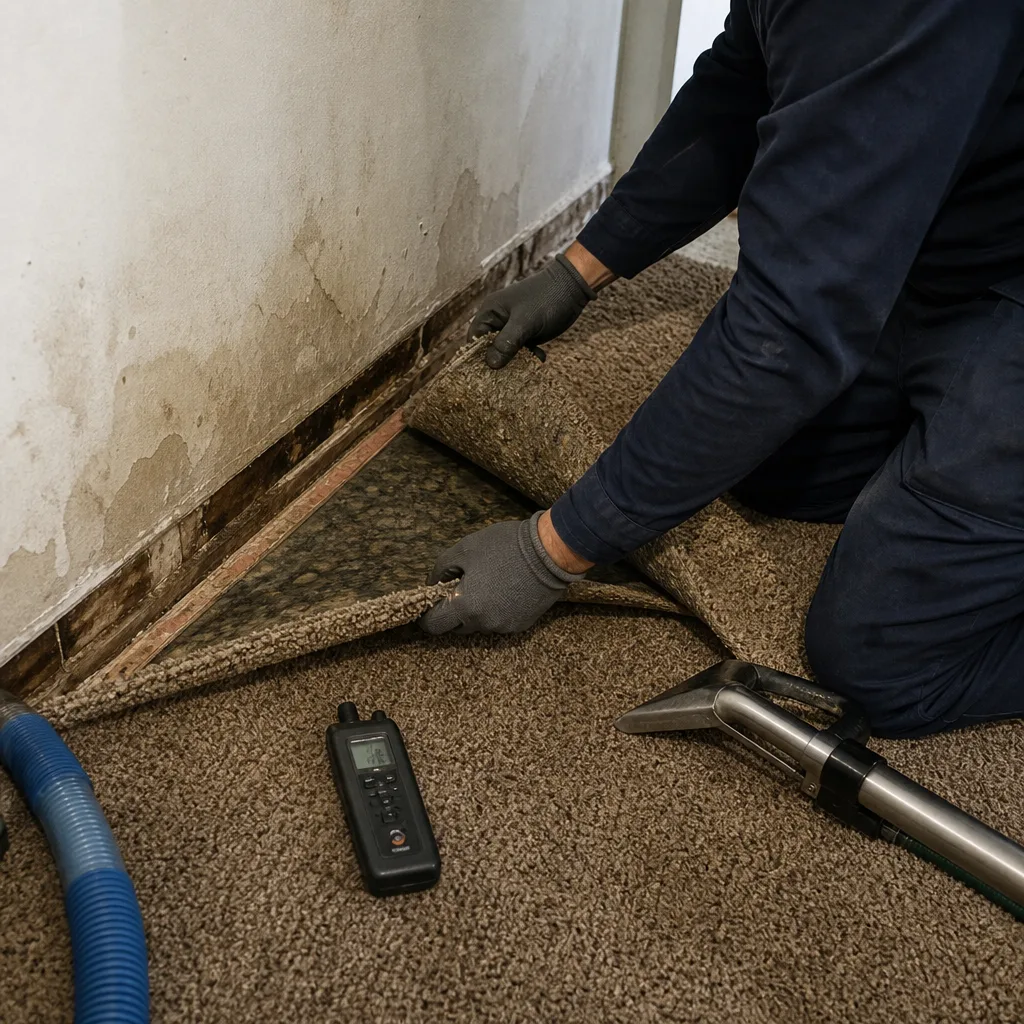
After floodwater or fire smoke touches carpet and furniture, standard cleaning is not enough. We use hot-water extraction and professional-grade cleaning agents appropriate to the material, then dry everything to pre-loss moisture levels. In Passaic basements where river water has sat for days, carpet and padding usually require replacement; we tell you that plainly in the scope.
Post-Construction Cleanup
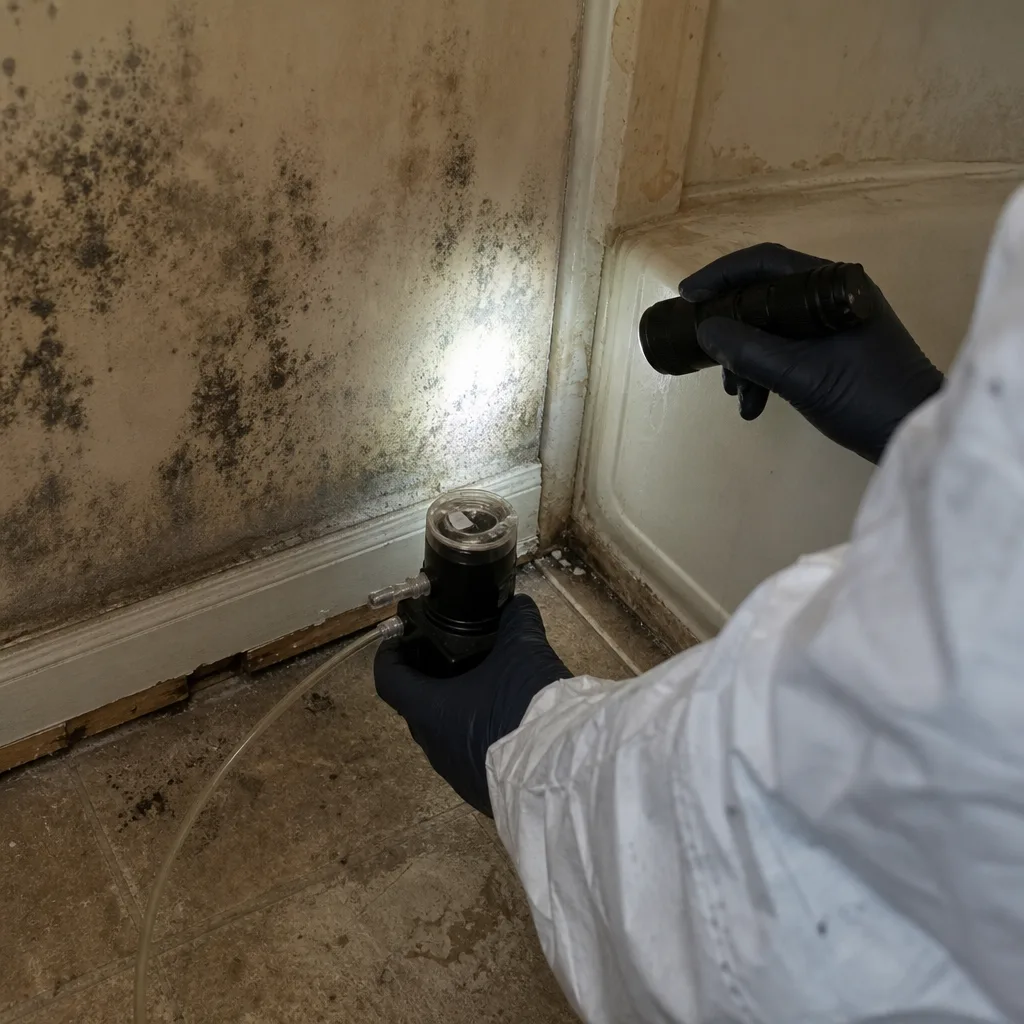
Reconstruction leaves dust that settles into every crevice of a pre-war Passaic home. We run HEPA air scrubbing, wipe down surfaces, vacuum ductwork where needed, and leave the space ready to occupy. This is not a courtesy pass with a broom. It is a documented final step, included in the scope, so the job does not end with a construction haze in the living room.
What happens when you call
- 1
A real person answersNo phone trees - you reach a local pro.
- 2
You get an upfront price rangeHonest numbers before anyone is dispatched.
- 3
A background-checked tech heads outLicensed & insured, dispatched right away.
- 4
You approve before work beginsNothing starts until you say go.
Reconstruction & Cleanup Costs in Passaic, NJ
Honest numbers for Passaic’s market: a basement that took three feet of Category 3 river water typically runs $6,000 to $14,000 for full reconstruction, depending on square footage and whether asbestos or lead abatement is required. Drywall and flooring repair after a supply-line burst in a Passaic row house runs $3,000 to $8,000. Contents pack-out and restoration adds $1,500 to $5,000 for a standard two-bedroom unit. Carpet and upholstery cleaning runs $300 to $900 per room post-flood. Post-construction cleanup on a whole apartment is typically $500 to $1,200. What moves the number is not mystery; it is the material facts: whether original plaster tests positive for asbestos, whether lead paint covers the trim, whether the building is a walkup with no ground-level dumpster access, and whether the claim is FEMA flood insurance or a standard homeowners policy. We do free visual inspections in Passaic, give you a line-item scope in writing, and bill your carrier directly on approved claims. Call (201) 762-0667 to schedule yours. Estimates are free, and the scope is firm.
We Also Serve Cities Near Passaic
Our crews work the whole lower Passaic River corridor. If your property is in East Rutherford, Rutherford, Carlstadt, or Lyndhurst, the same live dispatch line reaches us, and the same certified crews respond. The river does not stop at the city line, and neither do we.
Passaic Reconstruction & Cleanup Questions, Answered
How do you handle Category 3 floodwater in Passaic basements where the river water rose above the electrical panel?
We treat any basement where river water reached the electrical panel as a Category 3 loss with an electrical safety hazard. We do not enter standing water until Passaic code enforcement or a licensed electrician confirms the panel is de-energized. Once the panel is isolated, we pump out the water, cut saturated drywall at the flood line plus 24 inches, and run containment with HEPA filtration during the entire process. The panel itself is replaced or relocated per the city’s electrical code before reconstruction proceeds. Call (201) 762-0667 and we will start the safety assessment the same visit.
Can you start reconstruction in a Passaic multi-family building before the landlord’s flood insurance adjuster finishes the scope of work?
Yes, and in Passaic you should. FEMA flood-insurance claims and landlord-held policies routinely take weeks to finalize, and mold blooms inside 48 hours. We start emergency mitigation immediately: extraction, drying, containment, and documentation. That documentation becomes the evidence your adjuster uses to approve the final scope. We coordinate directly with the carrier while the work proceeds, so reconstruction moves on a construction timeline, not a claims timeline. For landlords, we also coordinate with city housing inspectors to keep the job compliant from day one.
What do you do about asbestos in the old plaster walls when we open them up after a river flood?
Passaic’s pre-war housing stock means original plaster often contains asbestos fibers, and pre-1940 trim nearly always has lead paint underneath. We test before we cut. If tests come back positive, we bring in licensed abatement contractors and lead-safe certified carpenters, and we run negative-air containment while demolition proceeds. Skipping this step is not an option: city housing inspectors will shut down a Passaic job that disturbs asbestos or lead paint improperly. The abatement cost appears in our written scope, so there are no surprises.
How fast can you pack out and dry a Passaic row house with alley-load access and no parking for equipment?
Typically we begin extraction the same visit and can complete a standard two-bedroom pack-out within one to two days. For row houses on Gregory or Howe with alley-load access, we stage smaller vehicles on the nearest cross street, hand-carry equipment through the alley, and run power from the unit itself. Our 45-minute response commitment applies to the initial arrival; full dry-out usually takes four to seven days in Passaic because the flat topography slows drainage. We log moisture readings daily until the structure hits pre-loss levels.
What does a typical reconstruction estimate look like for a Passaic basement that took 3 feet of river water?
For a standard 600-square-foot Passaic basement, a 3-foot Category 3 flood with asbestos-free drywall and no lead complications runs $6,000 to $14,000 for full reconstruction. That includes extraction, containment, drying, removal and replacement of saturated drywall and insulation, flooring repair, sanitization, and matched trim. If the basement has original plaster that tests positive for asbestos or lead paint, add $2,000 to $5,000 for abatement. If the property is an attached row house with no ground-level access, expect higher labor for material handling. Call (201) 762-0667 for a free inspection and a line-item scope within 48 hours.
How long does drying and remediation take in Passaic after river flooding?
Plan for four to seven days of active drying for a typical Passaic basement or first floor after Category 3 flooding. Passaic’s flat topography and the lower river’s slow drainage mean water hangs around longer than in higher-elevation towns, and mold risk increases accordingly. We run Dri-Eaz dehumidifiers, Phoenix air movers, and XPOWER units continuously, with daily moisture readings logged against a pre-loss baseline. Reconstruction starts only after the structure meets the dry standard, not on a calendar guess.
Can we stay in our Passaic home during reconstruction and cleanup?
It depends on the scope. For a contained basement flood with a separate stairwell from the living space, many Passaic homeowners stay upstairs while we work below. For a first-floor event where the kitchen or only bathroom is gutted, we recommend temporary relocation, especially when lead or asbestos abatement is running. Our crew will give you a straight answer on day one, and the pack-out team will secure the contents of any room being worked on. We do not push you out if the space is safe and functional.
What should I do in the first 30 minutes after a flood or fire in Passaic?
The first 30 minutes are about safety and documentation as much as water. If river water reached any electrical outlet or panel, do not enter until the power is off at the main. Call (201) 762-0667; our live dispatcher will guide you through the immediate steps while crews are en route. Take photos of everything before anything is moved. Do not start pulling up carpet or cutting drywall until we have inspected: in Passaic, you may be dealing with asbestos plaster or lead paint hidden under the surface. Start the claim call to your carrier, and tell them Floodline Restoration Co. is on site; we will handle the adjuster from there.
Serving Passaic, NJ - Our Local Coverage Area
We’re based in the Passaic area and know this community well. Use the map below to see our service coverage - if you’re nearby, we can almost certainly help.
Passaic’s Floodline Reality
Passaic sits directly on the lower Passaic River, which has one of the worst flooding records of any urban river in the Northeast. The city flooded catastrophically during Hurricane Floyd in 1999, Hurricane Irene in 2011, and Superstorm Sandy in 2012. That history means damage restoration here is not an occasional emergency service. It is a standing flood-response practice. But Passaic’s flood problem is only half the story. The housing stock is overwhelmingly pre-WWII multi-family tenements, attached row houses, and converted mill-era buildings. Those buildings carry original asbestos plaster, lead paint on the trim, and cast-iron plumbing that has been in service since before the first FEMA flood map was drawn. When the water comes into those buildings, reconstruction involves three things at once: Category 2 or 3 water extraction, mandatory asbestos and lead abatement, and coordination with a FEMA flood-insurance claim that may take months to settle. Single-family suburbs like Clifton barely see the first of these constraints. Passaic property owners manage all three simultaneously. Our Reconstruction & Cleanup in Passaic crews are trained, equipped, and staffed for that triple constraint every day of the year. We do not treat Passaic like a suburb. We treat it like what it is: dense, old, flood-prone, and worth doing right.
Written by Curt Bowman, Owner at Floodline Restoration Co., leading certified reconstruction and cleanup crews in Passaic since 2010.