
Free visual inspection and a written scope of work before any mitigation begins - photos, moisture readings, and drying logs go in your claim file
The scope we write is the scope we bill. Anything new gets shown to you, in writing, before we touch it.
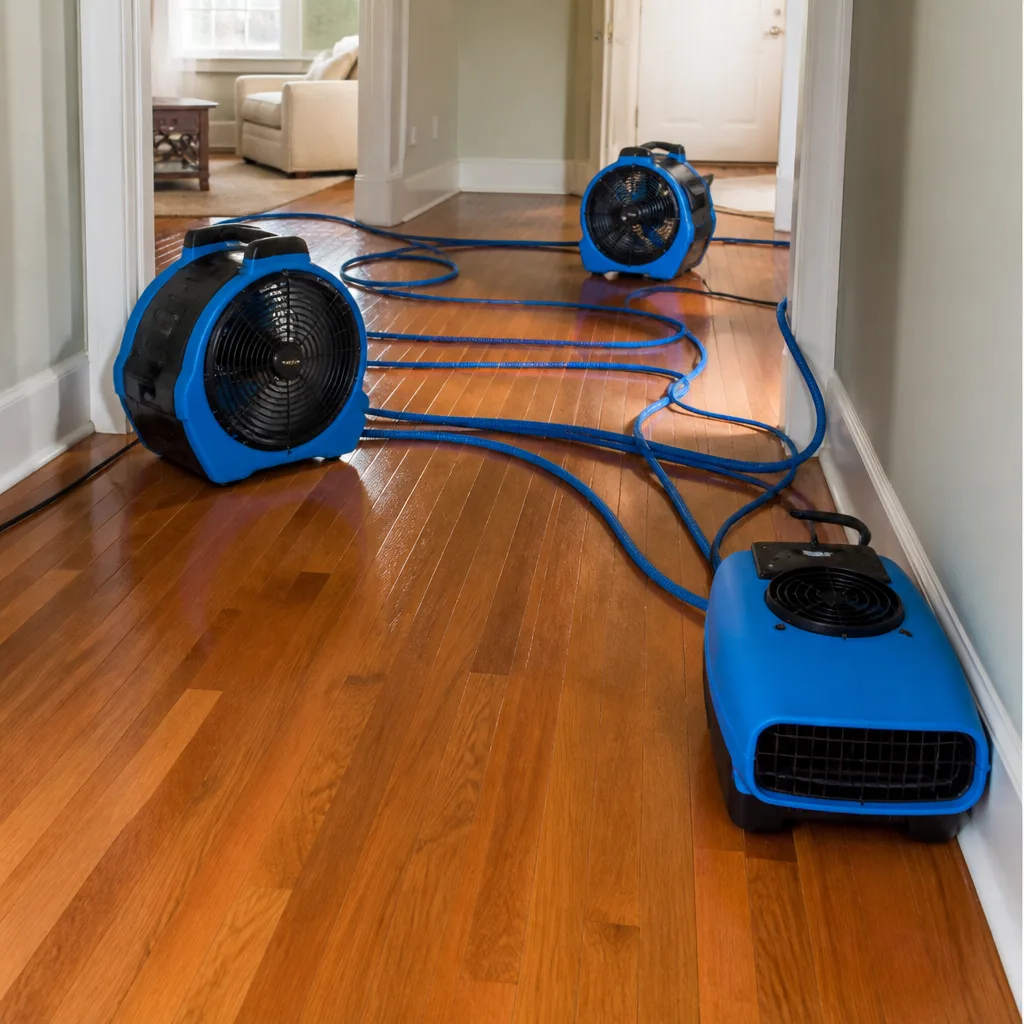
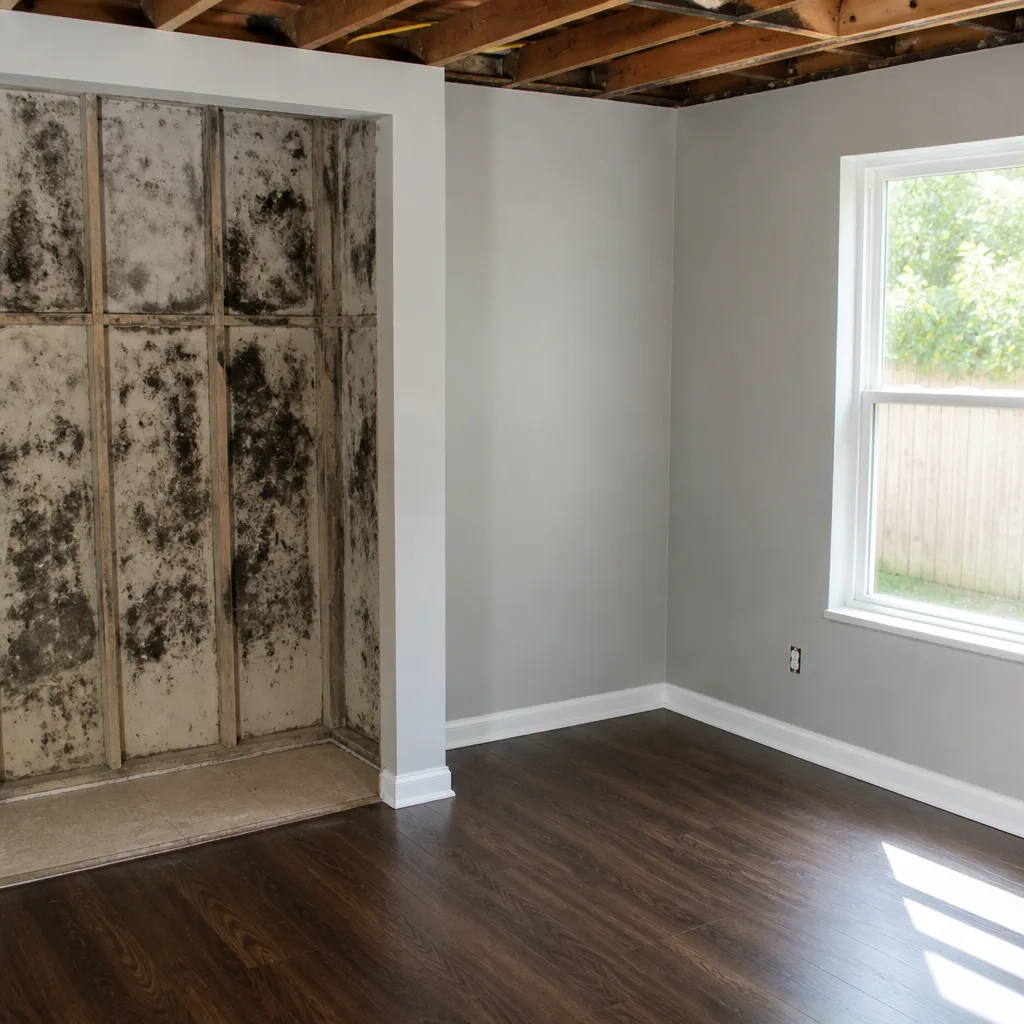
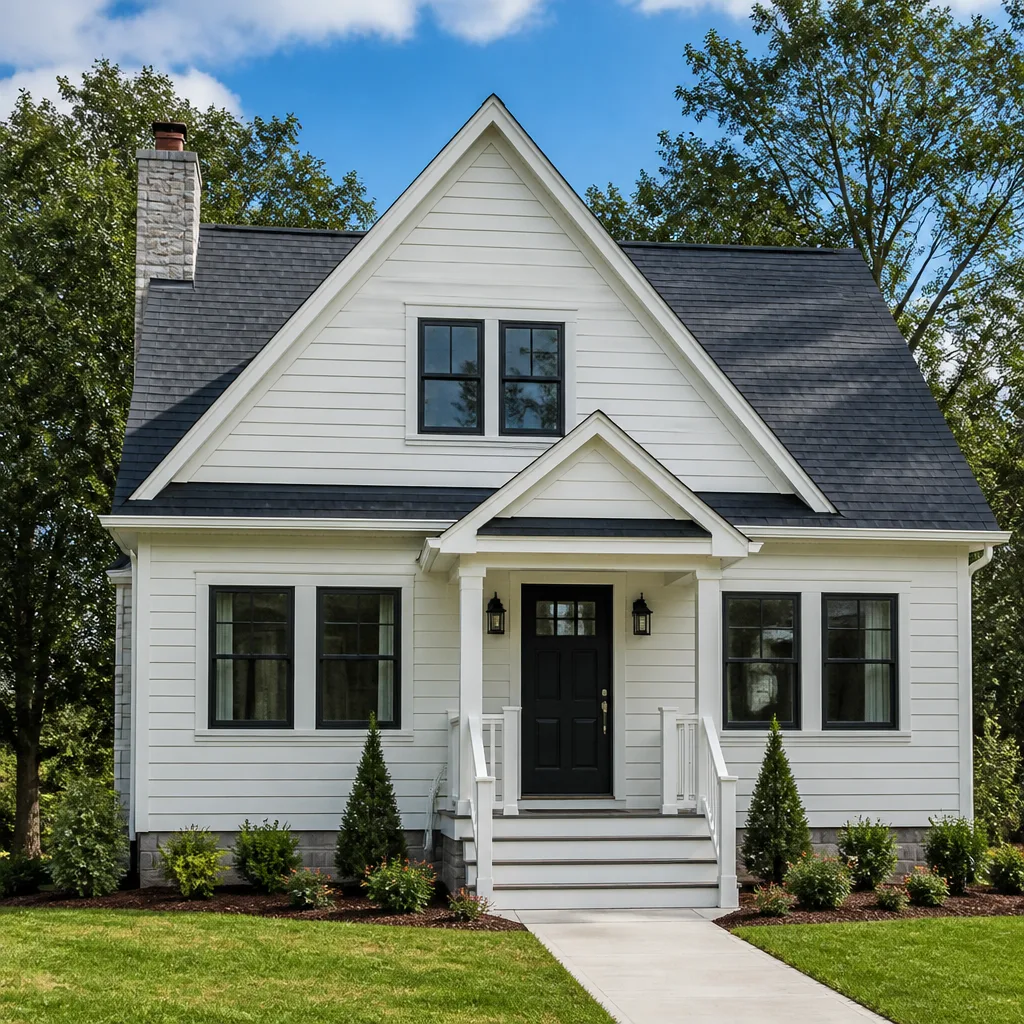
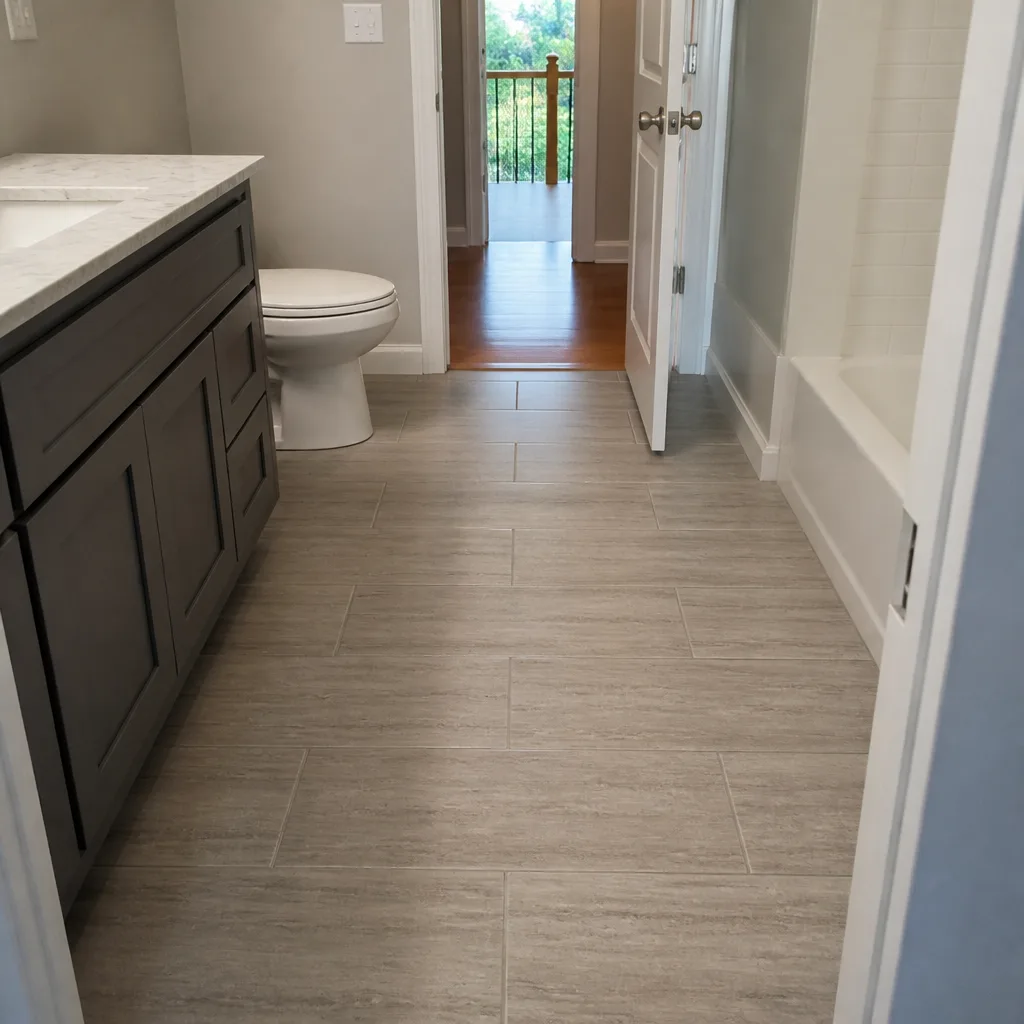
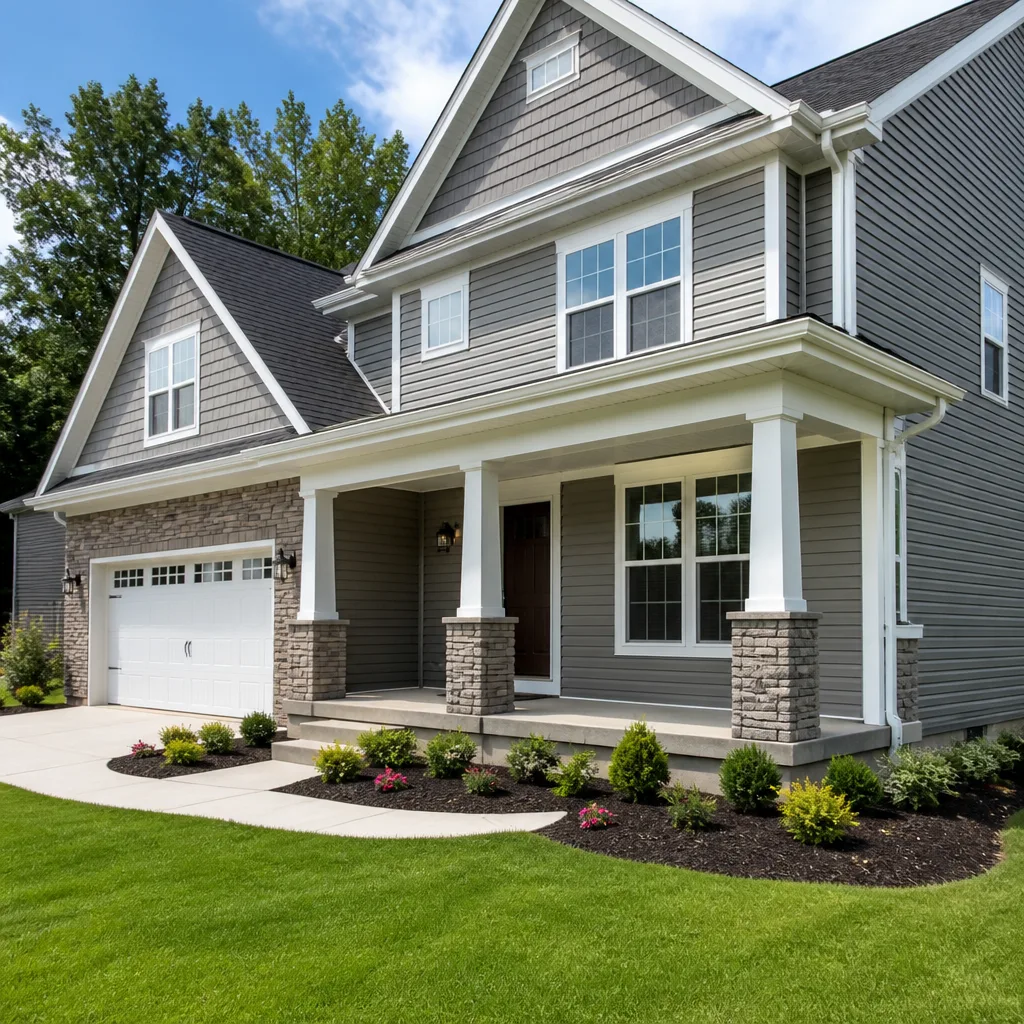
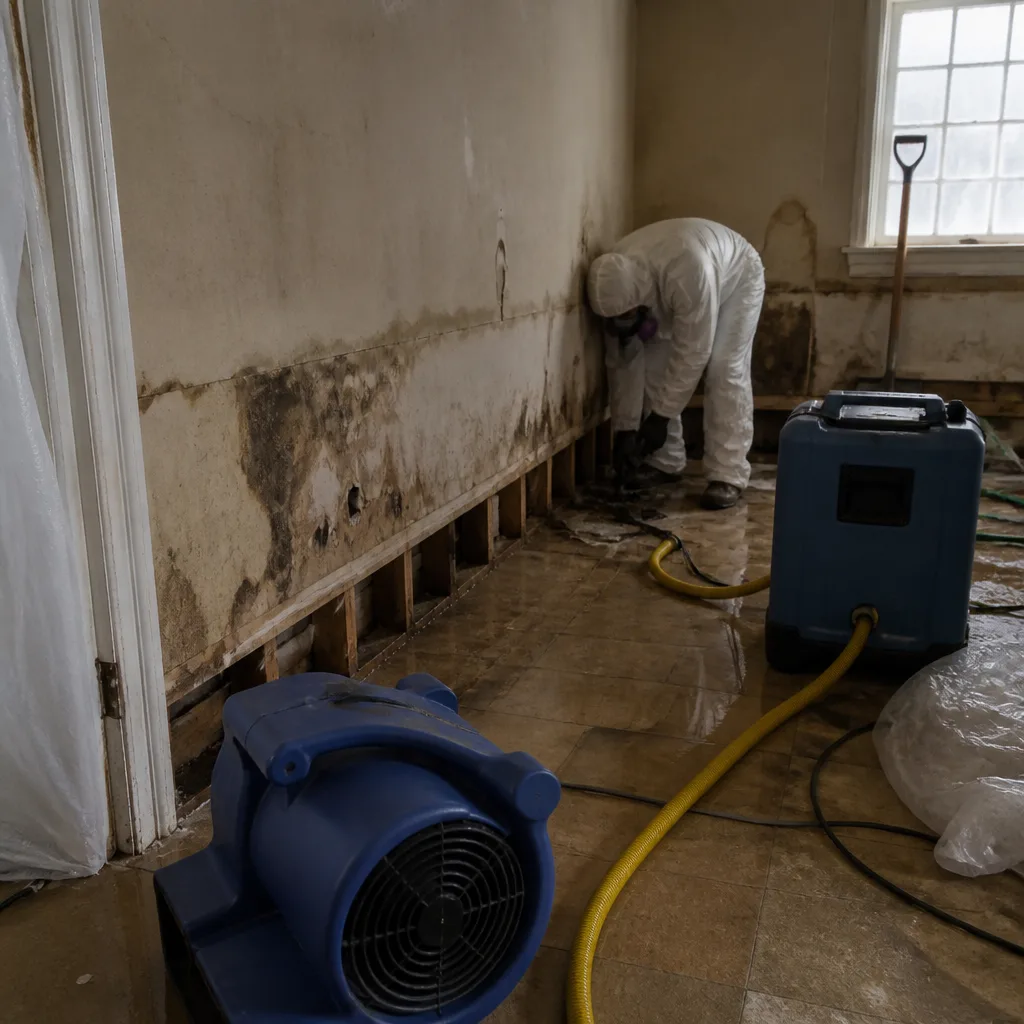 Before
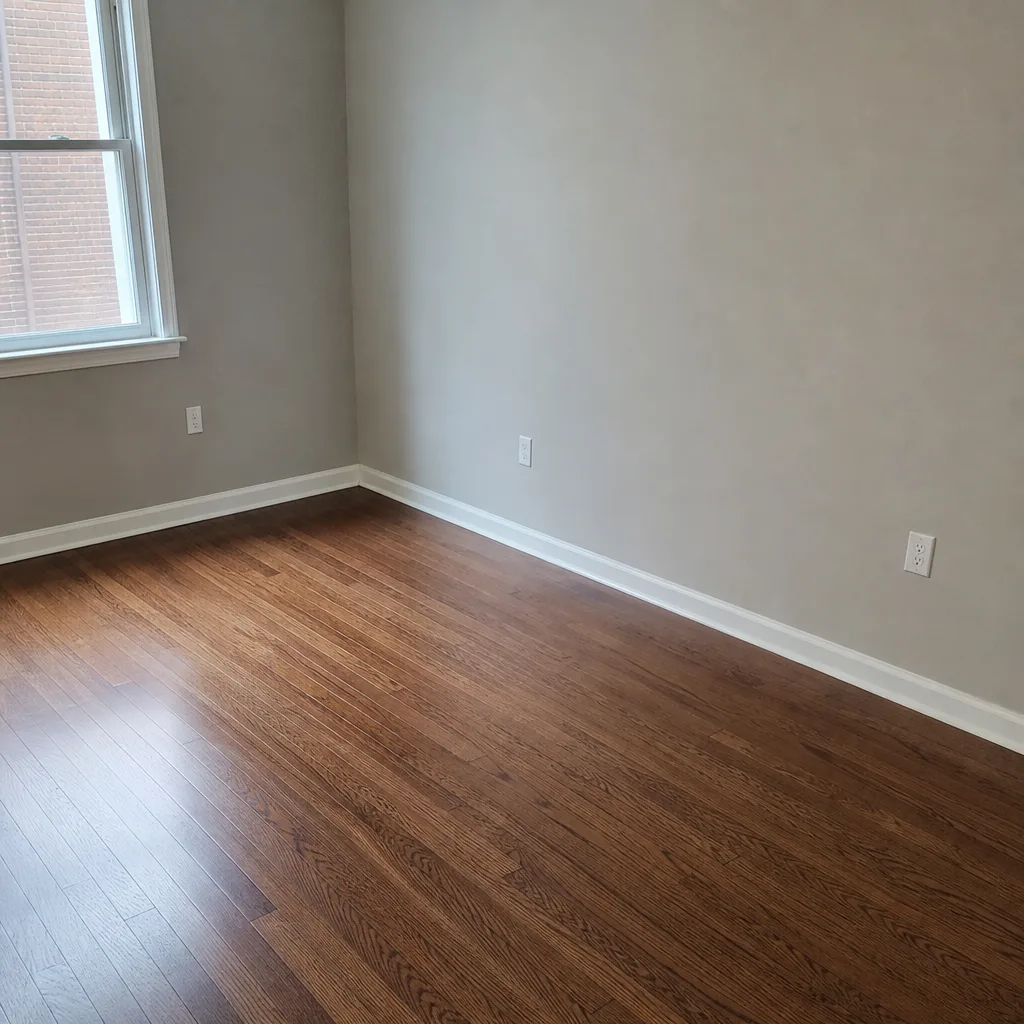 After
After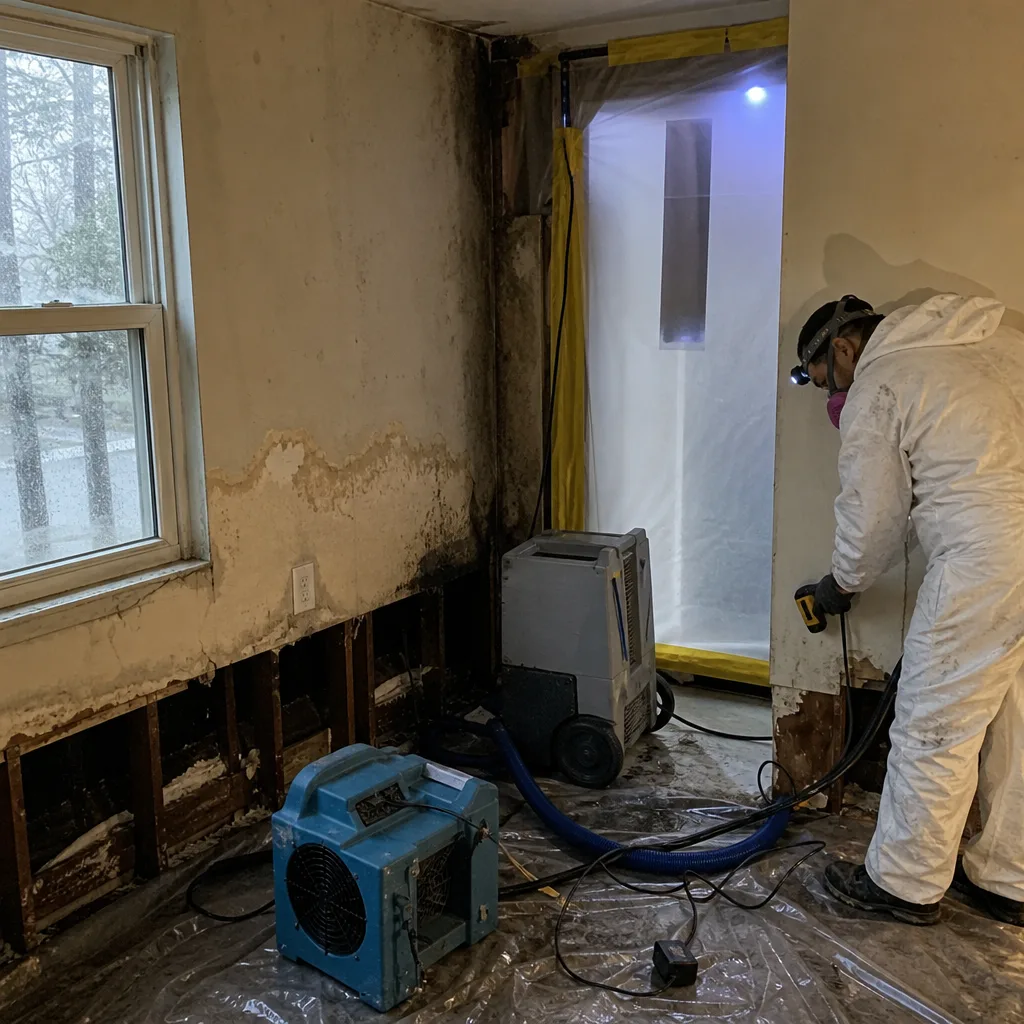 Before
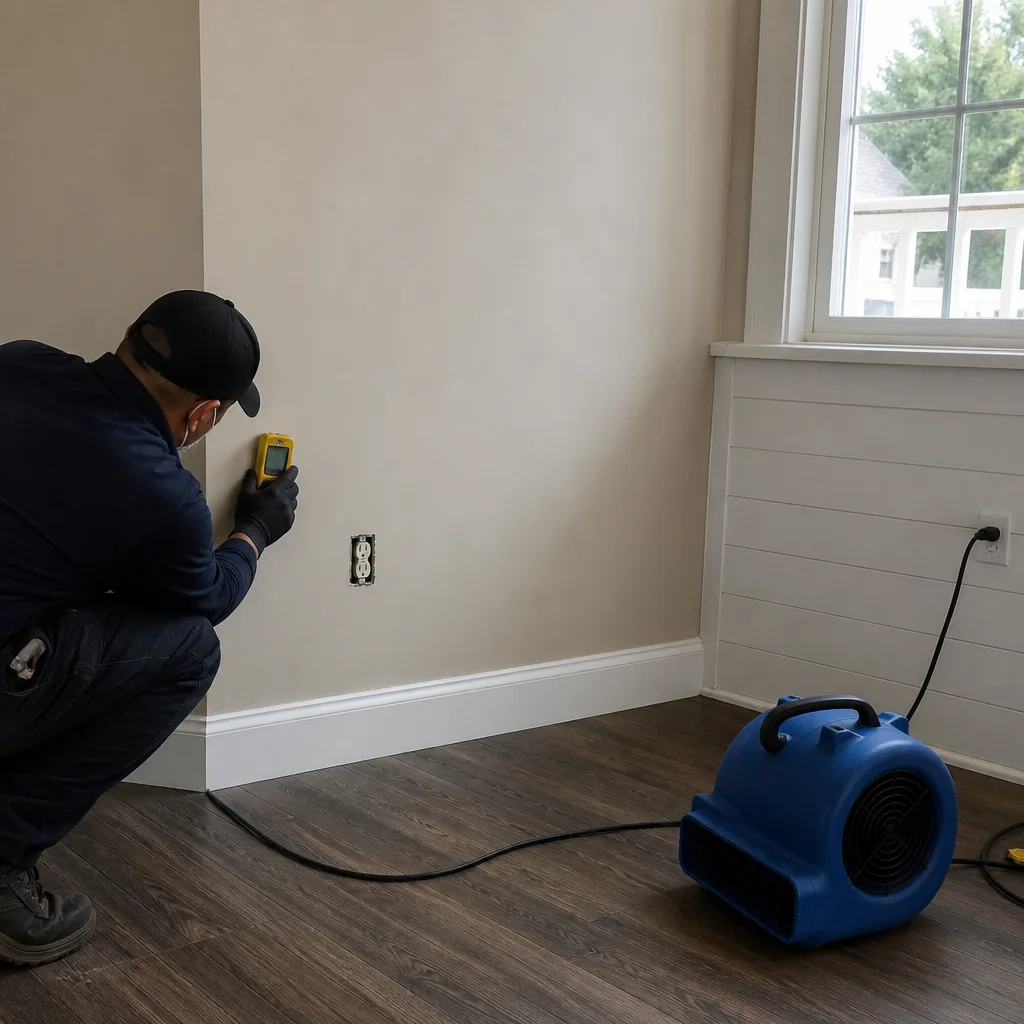 After
After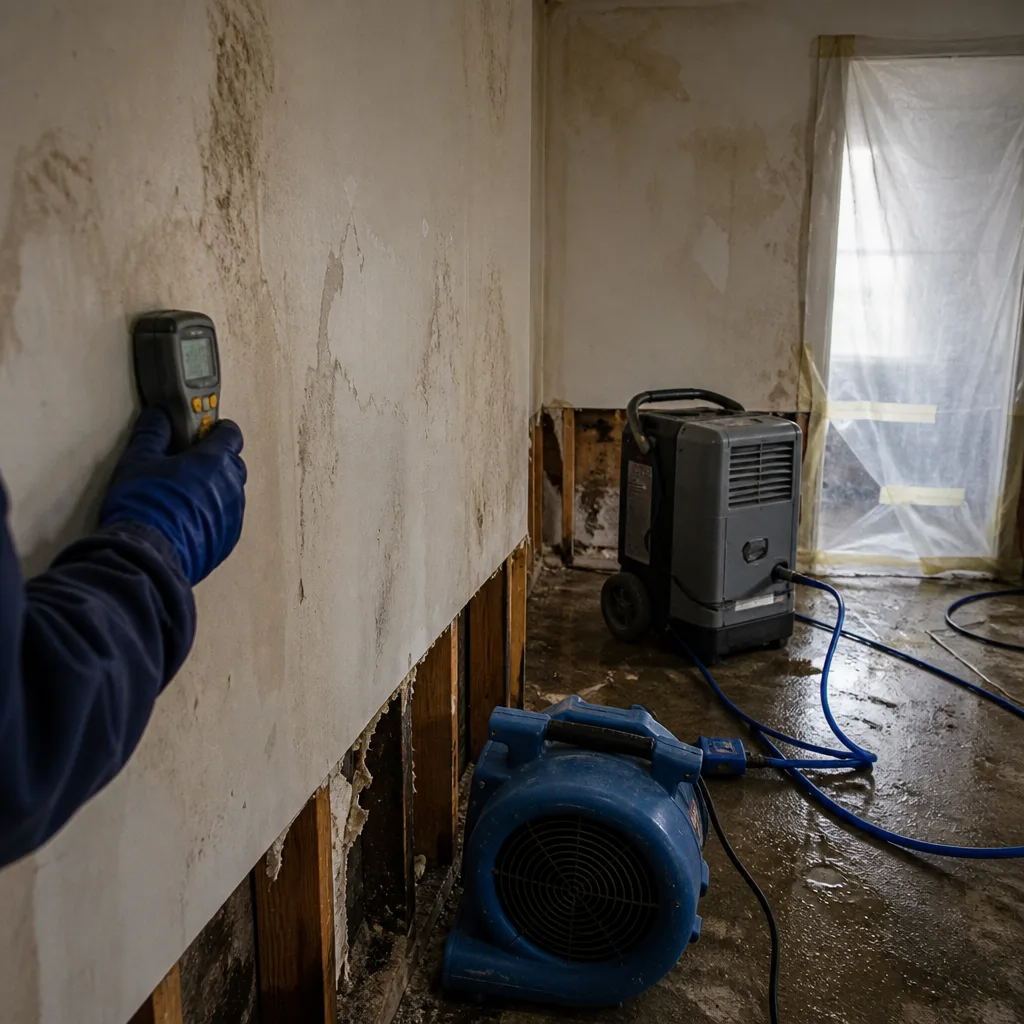 Before
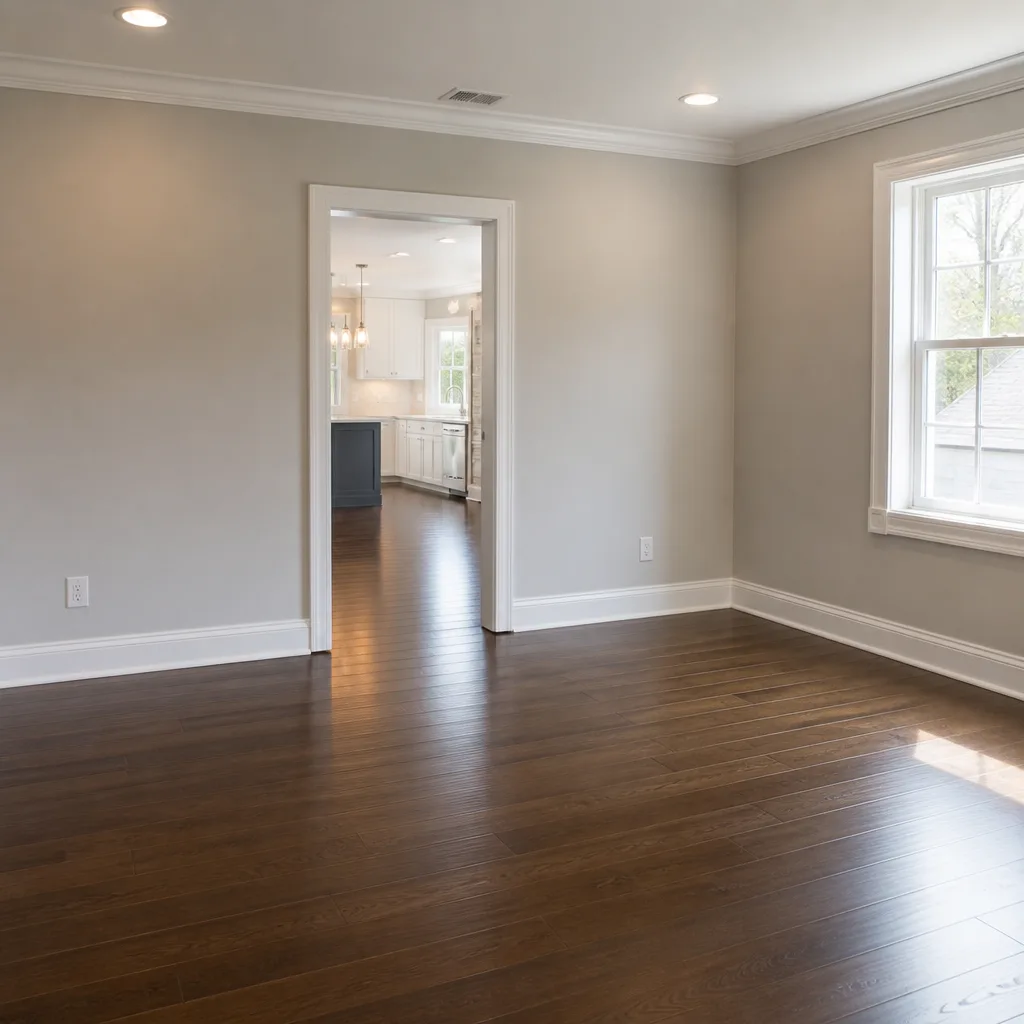 After
After24/7 Emergency Commercial Restoration in West New York
Commercial restoration in West New York means answering the phone at 2 a.m. when a drain stack lets go above a Bergenline Avenue storefront, or when a nor’easter drives water through the flat roof of a 1930s brick building. A live dispatcher answers every call, day or night, and a crew is dispatched inside the West New York area within minutes, not hours. The first sixty minutes determine whether you’re drying one unit or stripping four floors. Call (201) 762-0667 the moment you see water, smell smoke, or find a ceiling sagging. We show up with thermal imaging, moisture meters, and a written scope before any work begins. Free visual inspection, every time.
Understanding Commercial Restoration Severity in West New York Properties
In West New York’s stacked brick apartments and mixed-use buildings, severity is a function of vertical travel. A category 1 water loss from a clean supply line becomes category 2 the moment it passes through a floor assembly, picking up drywall dust, insulation fibers, and whatever sat in the ceiling cavity for sixty years. By the time it reaches the deli ceiling below, it’s contaminated enough to require antimicrobial treatment, not just drying. A category 3 loss, from a failed cast-iron drain stack or Hudson River storm surge, means cutting out saturated materials entirely. We moisture-map every ceiling and wall cavity with thermal imaging and hygrometers, because in these 4-to-6-story buildings, the water you see on floor two started on floor four. Missing a concealed pocket behind patched drywall means mold colonization within 48 to 72 hours in West New York’s trapped, humid air. That’s why we strip to the framing, log daily readings, and don’t call the job dry until the moisture content hits the dry standard, not just “looks dry.”
Why West New York Property Owners Choose Floodline Restoration Co.
- 45-minute response commitment. We dispatch crews already stationed for West New York work, so a technician reaches your building fast, not “sometime tomorrow.”
- 24/7 live answer, always a person. No phone tree, no voicemail at 3 a.m. You talk to a dispatcher who knows West New York’s building stock.
- IICRC-certified crews. Our techs carry WRT, FSRT, and AMRT certifications and train to RIA and IFA standards. Background-checked, uniformed, accountable.
- Free visual inspection. We assess the loss, test the water category, and hand you a written scope. No charge, no obligation.
- Direct insurance billing. We bill your carrier directly and handle adjuster communication. You never play messenger.
- One team, extraction to reconstruction. The same certified crew that extracts the water rebuilds the walls. No mid-job handoff, no inherited crew.
Our Commercial Restoration Process
Inspection & Assessment
We trace the water or smoke path through every affected floor, test the water category, and moisture-map the cavities. You get a written scope and a straight answer on what gets dried and what gets cut out.
Extraction & Stabilization
We pull standing water with truck-mounted and portable extraction units, then set containment to stop cross-contamination. For fire losses, we board up and secure the envelope.
Drying & Dehumidification
Professional-grade Dri-Eaz and Phoenix dehumidifiers, air movers, and Injectidry systems run continuously. Daily readings are logged until every cavity meets the dry standard.
Cleaning & Sanitization
HEPA air scrubbers clear particulates while we treat affected surfaces with EPA-registered antimicrobials. Soot and smoke residue are addressed with the right chemistry, not a generic wipe-down.
Large-Loss & Multi-Floor Coordination
For West New York’s stacked buildings, we coordinate with landlords, building management, and displaced tenants. Pack-outs, partial power, and phasing keep businesses open where possible while upper floors dry.
Repairs & Restoration
Same crew rebuilds what we tore out. Drywall, paint, flooring, electrical. Done right, and backed by the 90-Day Done Right Promise in writing.
Need Emergency Commercial Restoration in West New York Now?
Crews minutes away, answering live 24 hours a day. The sooner we start, the less it costs.
Working With Your Insurance Company
Commercial claims in West New York get complicated fast because one loss event touches multiple tenants, multiple floors, and multiple policyholders. We document from the first hour, before anything is moved or dried. Our estimators write industry-standard scopes that align with what carriers expect to see, and we communicate directly with your adjuster so you’re not translating technical findings into an email at midnight. The written scope you approve before work starts is the same scope your carrier sees. No surprises on the bill, and no arguing about what was necessary. That’s the square deal, and we stand behind it.
What We Provide Your Insurer
- Thorough documentation of the loss
- Photos of all damage, room by room
- Moisture readings and drying logs
- A detailed, line-item scope of work
- Direct coordination with your carrier
Built for West New York’s Loss Calendar
West New York’s commercial restoration calendar follows the Hudson River’s weather, not a national template. January deep freezes burst the original galvanized supply lines that still run through 1920s and 1930s brick buildings, flooding top-floor units before the water finds every floor below. Spring thaw sends groundwater through the low-lying eastern blocks’ basement slabs, the same slabs that took storm surge during Hurricane Sandy in 2012 and never fully dried. Summer thunderstorms dump rain on flat, minimally-pitched roofs that pond water and find every crack in the membrane. Fall nor’easters drive wind-driven rain horizontally into Boulevard East’s coastal-facing storefronts, testing every door seal and window gasket. And the density of West New York’s housing stock means a single failed drain stack doesn’t flood one apartment. It floods four. We plan for that calendar, and we stock the equipment for it.
Commercial Restoration Across West New York’s Neighborhoods
Response routes in West New York follow the geography. Along Bergenline Avenue, the commercial spine, we see ground-floor retail and restaurants with apartments above, the classic mixed-use profile where a kitchen fire or drain line failure means keeping a business open while drying three residential floors. Boulevard East runs along the Hudson cliff edge, and its post-2000 high-rises and older doorman buildings face wind-driven rain and salt-air corrosion that eats door hardware and window seals faster than inland blocks. The 60th Street corridor and its east-west residential blocks are dominated by 4-to-6-story pre-war brick apartments with original drainage systems, where a top-floor toilet supply leak becomes a four-floor water event by morning. Around Donnelly Memorial Park and the 07093 zip code’s inland grid, the same pre-war construction patterns hold. Each area’s building age and roof type changes how we scope the dry-out, and which sub-services get priority.
Specialized Commercial Restoration Services We Offer in West New York
Office & Retail Restoration
When a storefront on Bergenline Avenue floods at 7 p.m. on a Thursday, the owner’s first concern is Friday’s opening. We work nights. Extraction, containment, and drying run while the shop is closed, and we coordinate partial power and equipment placement so a deli can keep coolers running while the apartments above dry. The goal is minimal business interruption, not just a dry floor.
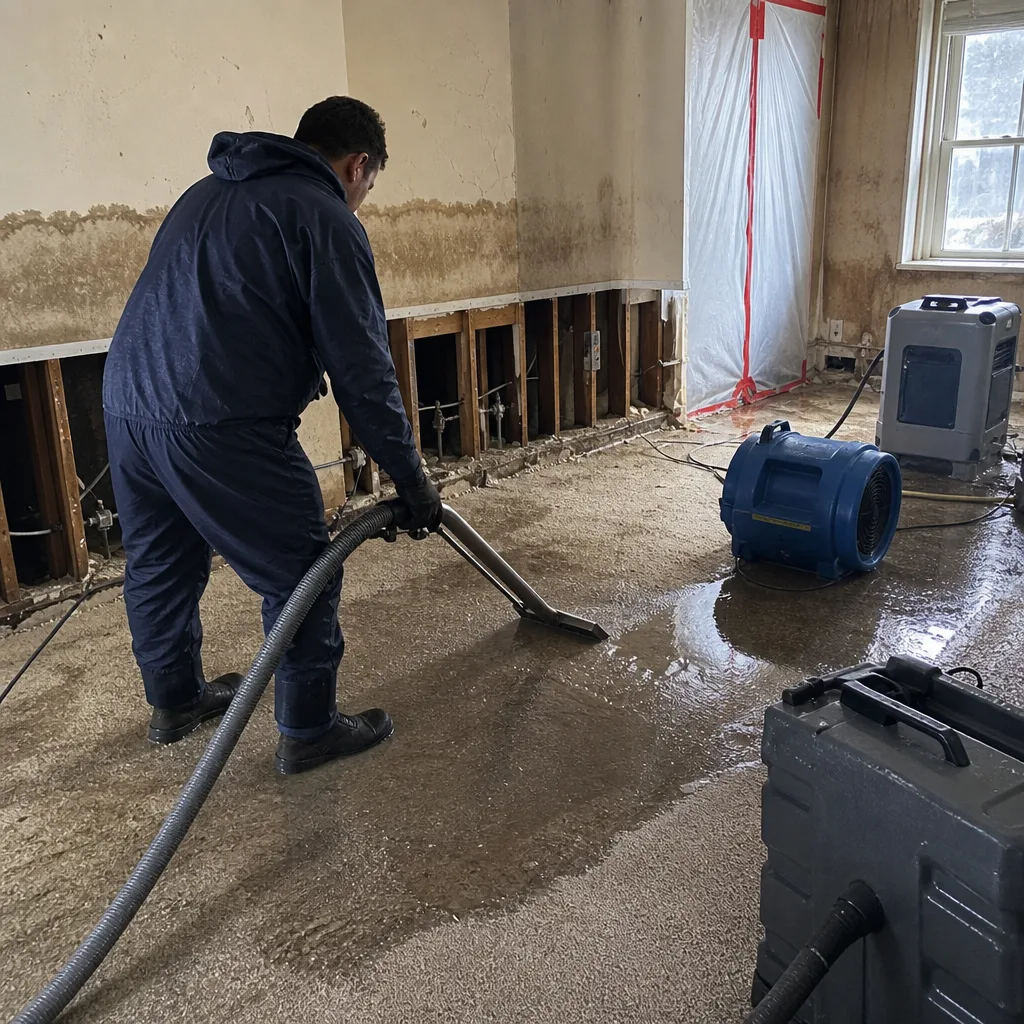
Multi-Unit & HOA Restoration
West New York’s density makes this the default, not the exception. A water event in one unit is a water event in every unit below. We document the full vertical path, phase the work floor by floor, and communicate with landlords, HOAs, and each affected tenant. We know how to work inside an occupied building without turning the hallway into a construction zone.
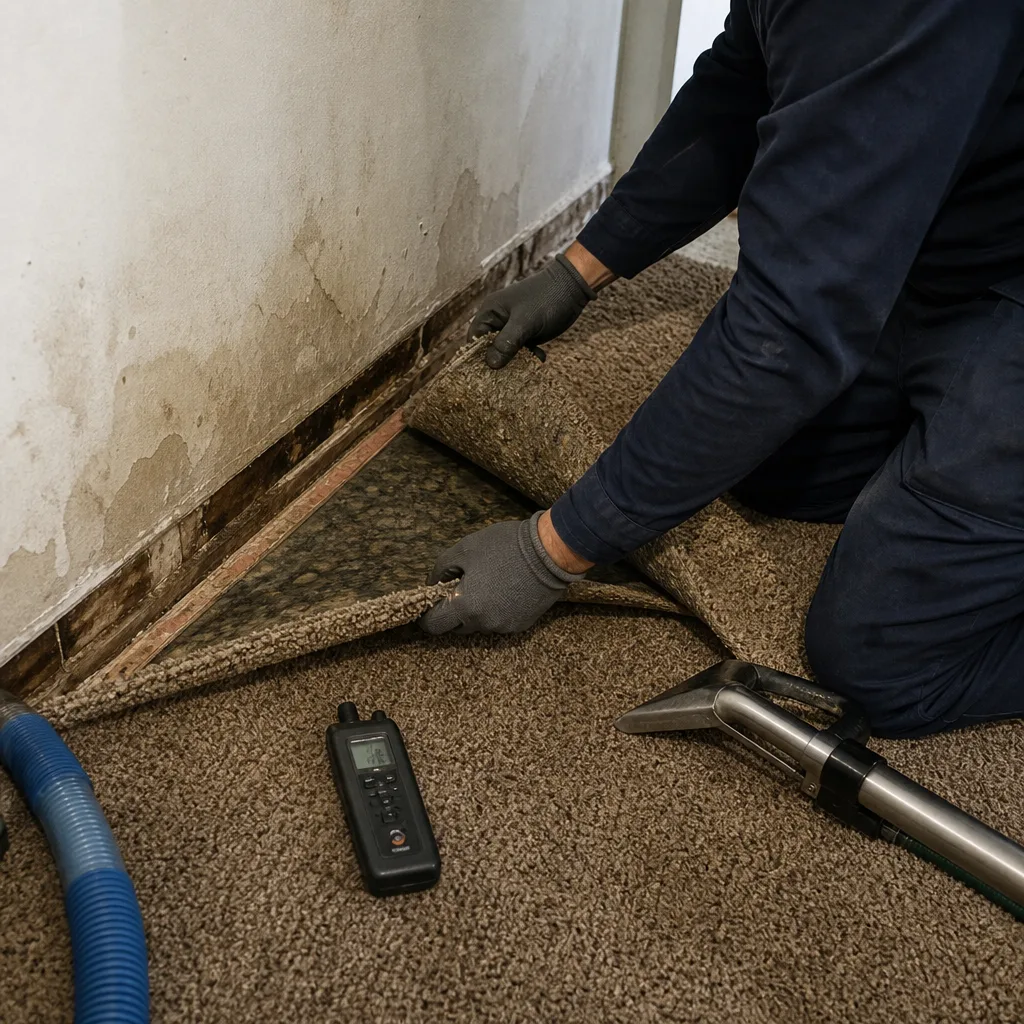
Industrial Facility Cleanup
Warehouse and light-industrial spaces need wide-area drying, floor-level extraction, and often a hazmat-informed approach to whatever the water picked up off the floor. We run XPOWER and B-Air air movers at scale, log conditions daily, and restore the space to operational condition without cutting corners on the dry standard.
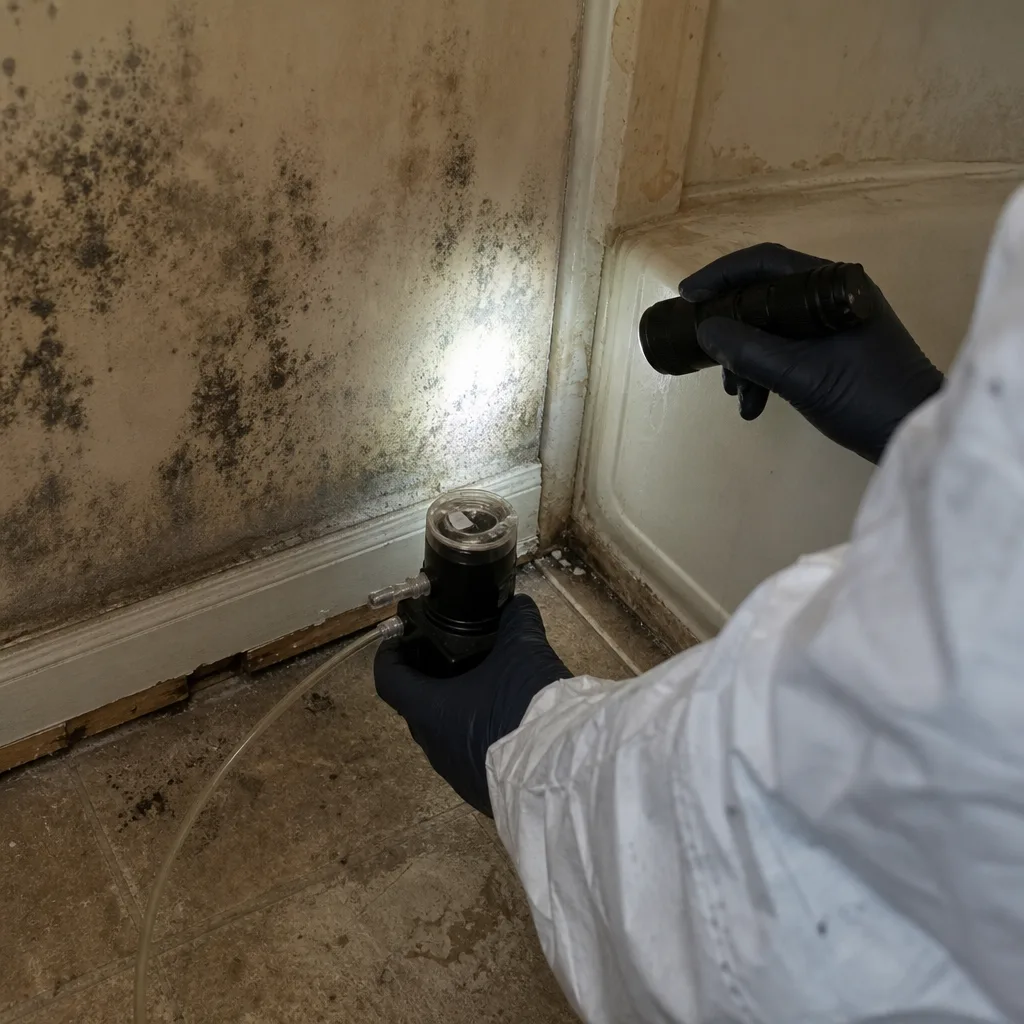
Large-Loss Response
When fire or water takes out an entire building section, the scope includes emergency board-up, structural stabilization, pack-out of salvageable inventory, and a phased restoration plan. In West New York’s stacked buildings, large loss means multiple units, multiple tenants, and a timeline that has to be realistic, not optimistic. We run large-loss jobs with dedicated project management.
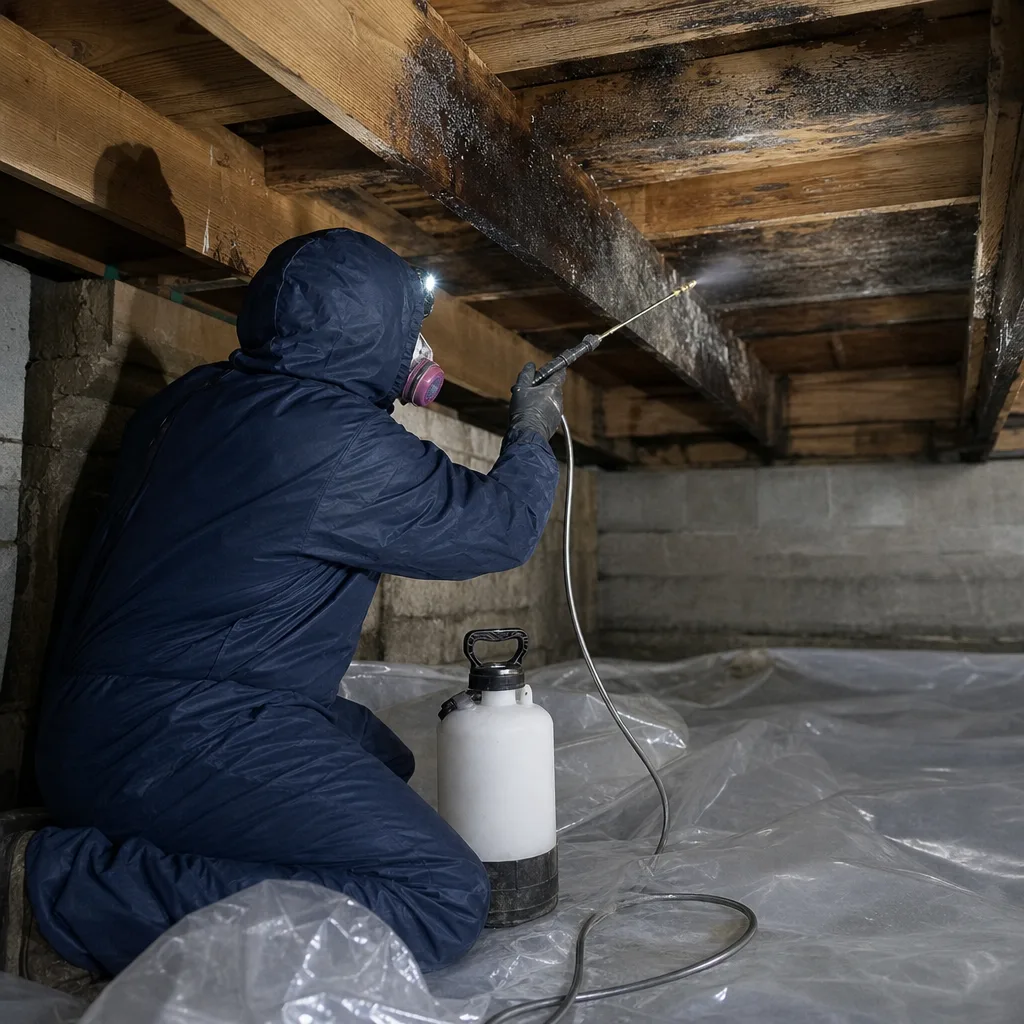
Business Interruption Minimization
Every hour a business is closed is revenue lost. We stage containment and drying around your operating hours, set up temporary partitions, and keep critical systems running where it’s safe to do so. On more than one Bergenline Avenue job, a ground-floor deli stayed open on partial power while we dried the three apartments above. That’s the standard we work toward.
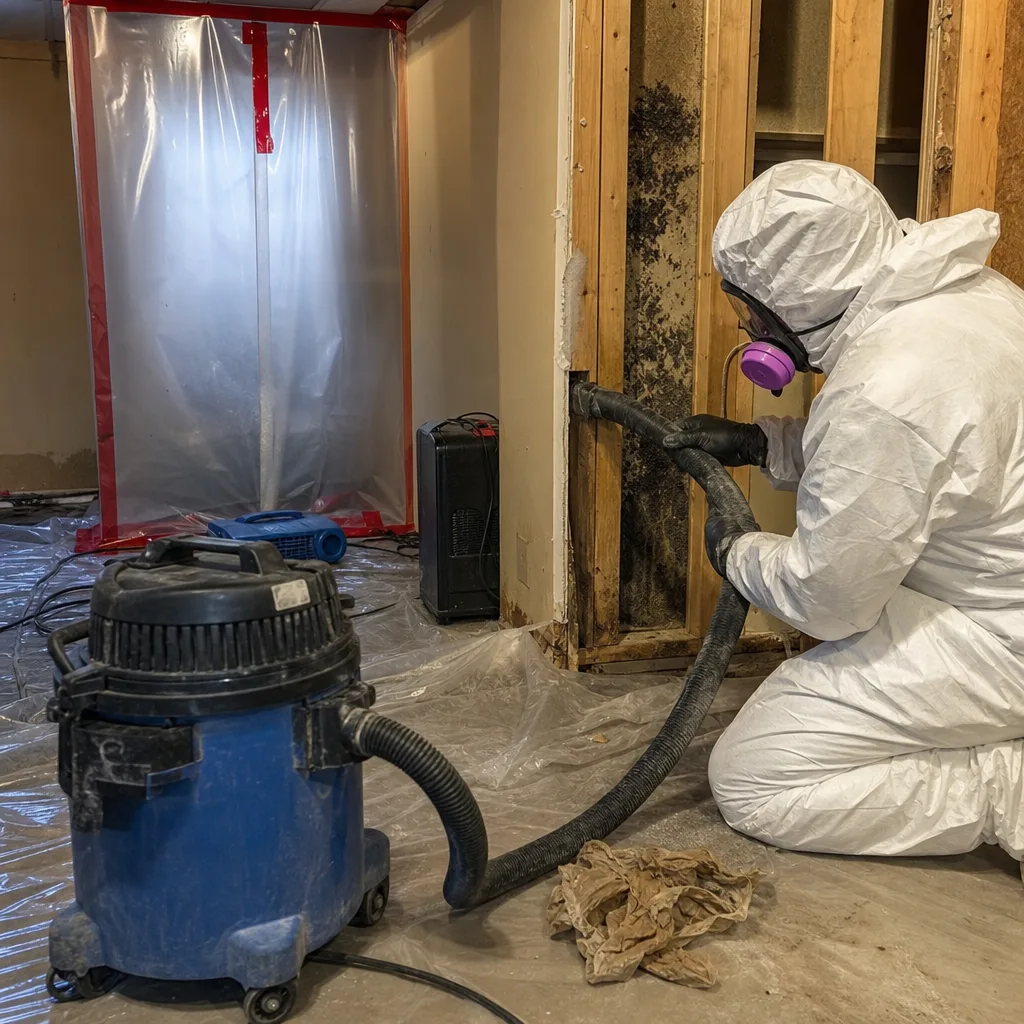
What happens when you call
- 1
A real person answersNo phone trees - you reach a local pro.
- 2
You get an upfront price rangeHonest numbers before anyone is dispatched.
- 3
A background-checked tech heads outLicensed & insured, dispatched right away.
- 4
You approve before work beginsNothing starts until you say go.
Commercial Restoration Costs in West New York, NJ
A commercial water loss in West New York typically runs between $4,000 and $25,000 for extraction, drying, and rebuild, depending on how many floors the water traveled and what the water category tested. Multi-floor drain stack failures in 1920s brick buildings with category 2 or 3 water run higher, often $15,000 to $60,000 when concealed damage behind patched walls has to be stripped and rebuilt. A smoke and soot cleanup in a storefront runs $3,500 to $12,000. The price moves on three things: water category, number of affected units, and how fast the loss is found. A free visual inspection gives you a firm written scope before any dollar is committed, so you know exactly what you’re approving. Commercial insurance almost always covers the work, and we bill the carrier directly.
We Also Serve Cities Near West New York
Our West New York crews also respond to Commercial Restoration calls in Secaucus, Carlstadt, East Rutherford, and Lyndhurst. Same live dispatch, same certified technicians, same 90-Day Done Right Promise. If your building sits just outside the West New York line, call (201) 762-0667 and we’ll get a crew to you fast.
Serving West New York, NJ - Our Local Coverage Area
We’re based in the West New York area and know this community well. Use the map below to see our service coverage - if you’re nearby, we can almost certainly help.
West New York Commercial Restoration Questions, Answered
How does serving a commercial tenant inside a 1920s brick apartment building on Bergenline Avenue change the restoration scope compared to a suburban storefront?
The scope expands vertically. In a suburban storefront, the loss is contained to one slab-on-grade space. In a 1920s Bergenline Avenue mixed-use building, a single drain line or supply leak travels through multiple floor assemblies, each adding contamination and expanding the category of water. We have to moisture-map every ceiling and wall cavity on every affected floor, set containment across multiple units, and coordinate with the landlord, building management, and displaced tenants all at once. We responded to a commercial water loss in a 1930s brick mixed-use building along Bergenline Avenue where an original cast-iron drain stack failed, releasing category 2 water through a deli and the three apartments above it. Our techs ran moisture mapping on every ceiling and wall cavity, set up containment and structural drying on all four floors, and worked with the building owner to keep the deli on partial power so perishable inventory could be moved before mold set in, completing the pack-out and mitigation within 72 hours. Call (201) 762-0667 for a free visual inspection and a scope built around your building’s actual construction.
What wind-load and impact-rating problems do commercial doors on Boulevard East face before a coastal storm?
Boulevard East sits directly on the Hudson River cliff, exposed to wind-driven rain, salt air, and nor’easter gusts that hit storefront doors and windows head-on. Commercial doors there need wind-rated frames, impact-rated glass, and hardware that hasn’t been corroded by salt air. Before a coastal storm, failing door seals, worn gaskets, and rusted bottom sweeps are the first points of failure. We inspect and reinforce door assemblies, replace damaged weatherstripping, and harden entries before the storm arrives. After the storm, we handle track damage, panel warping, glass replacement, and any water that made it past the threshold. Call (201) 762-0667 for a pre-storm door assessment.
After Hurricane Sandy, why do some West New York waterfront commercial basements keep needing mold remediation even years later?
Because the storm surge that flooded those eastern waterfront blocks in 2012 saturated concrete slabs and foundation walls that were never fully dried. Concrete holds moisture for a long time, and when that moisture wicks upward through the slab, it feeds mold that re-appears months or years after the original cleanup. A quick dehumidification pass doesn’t address moisture trapped deep in the slab. We use penetrating moisture meters, log drying conditions daily, and keep drying until the slab hits the dry standard, not until the surface looks dry. If your waterfront commercial basement keeps showing mold after Sandy, call (201) 762-0667 and we’ll find the moisture source, not just the mold.
What does a commercial landlord in West New York need from a restoration crew when a top-floor unit’s ceiling collapses for the third time?
They need a crew that strips to the framing and finds the real source. West New York’s flat-roofed brick apartment buildings are largely owned by small landlords who defer maintenance, so a “new” ceiling collapse is often the third or fourth water event in the same top-floor unit. Previous patches hide behind new drywall, and unless those layers come out, the drying can’t reach the concealed moisture. We strip patched layers, trace the leak to its actual source, dry the full cavity, and rebuild once. The 90-Day Done Right Promise means if it comes back within 90 days, we make it right in writing. Call (201) 762-0667 for a free inspection of a recurring ceiling issue.
How do you keep a ground-floor business on 60th Street open while drying the apartments above it after a drain stack failure?
We stage the work around your operating hours. Containment is set to isolate the drying zone from the business space, and we run equipment during closed hours where possible. For a drain stack failure, we set up partial power, keep critical systems like coolers and point-of-sale running, and phase the demolition and drying so the ground-floor space stays functional while the upper floors dry. Pack-outs happen fast, and we coordinate with the landlord so tenants above know what’s happening on their floor. The goal is keeping revenue flowing while the building dries. Call (201) 762-0667 to discuss phasing options for your specific building.
How fast can a crew actually reach my West New York commercial property?
Within 45 minutes in most cases. We staff live dispatch 24/7, and crews are positioned for West New York response specifically. For water events, the first hour is the most expensive hour: standing water wicks into drywall, saturates floor assemblies, and starts mold colonization in West New York’s humid, trapped air within 48 to 72 hours. A fast extraction stops the damage from spreading downward through stacked units. Call (201) 762-0667 and a dispatcher will tell you exactly when the crew arrives.
Does commercial insurance cover restoration in West New York’s multi-tenant buildings where one loss affects multiple units?
Yes, in nearly all cases, though the claim often touches multiple policies: the building owner’s policy, each commercial tenant’s policy, and sometimes a condo or HOA master policy depending on the building’s ownership structure. We handle the documentation and billing so each carrier sees a clear, line-item scope of work that shows exactly which portion of the loss belongs to which unit. Direct adjuster coordination means you’re not the one explaining moisture readings over the phone. Call (201) 762-0667 and we’ll walk you through how billing works for your building’s setup.
What should I do in the first 30 minutes after discovering water or fire damage in my West New York commercial space?
Call (201) 762-0667 first. Then, if it’s safe to do so, shut off the water supply or electrical power at the panel. Do not enter standing water if there’s any chance it’s contaminated or if electrical systems are wet. Move inventory and documents out of the affected area if you can do so without risk, but don’t move saturated materials into dry rooms because that spreads moisture. Take photos of everything before anything is touched. A live dispatcher is on the line 24/7 and will walk you through the safest immediate steps while the crew is on the way.
Written by Curt Bowman, Owner at Floodline Restoration Co., serving West New York since 2010.