
Free visual inspection and a written scope of work before any mitigation begins - photos, moisture readings, and drying logs go in your claim file
The scope we write is the scope we bill. Anything new gets shown to you, in writing, before we touch it.
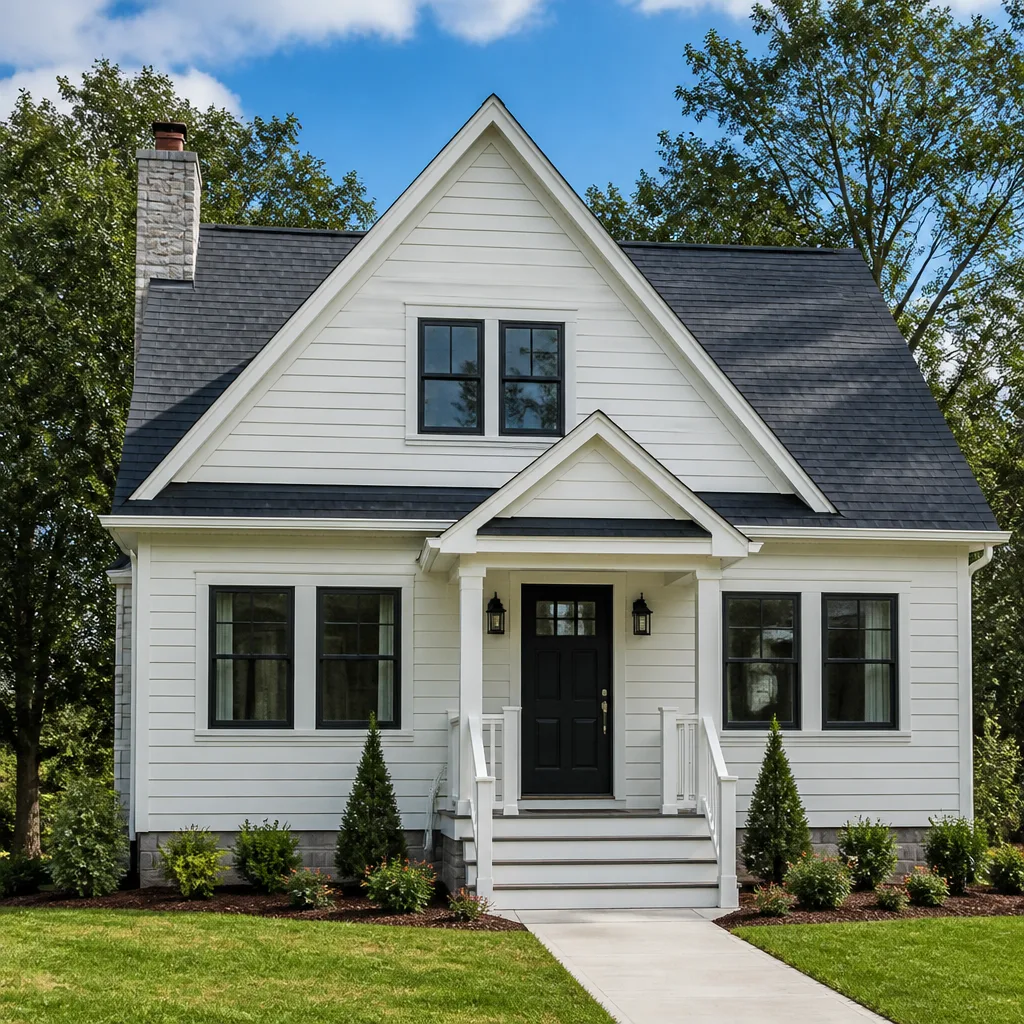
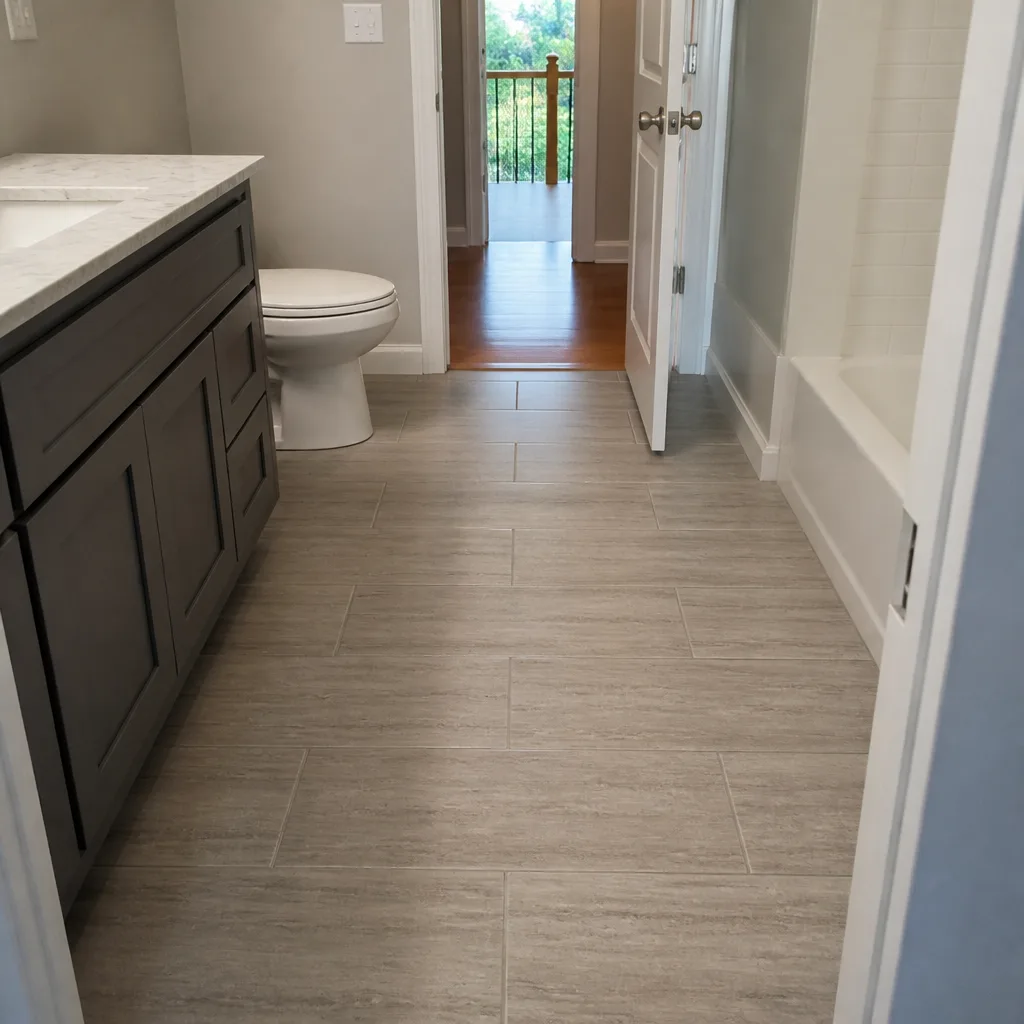
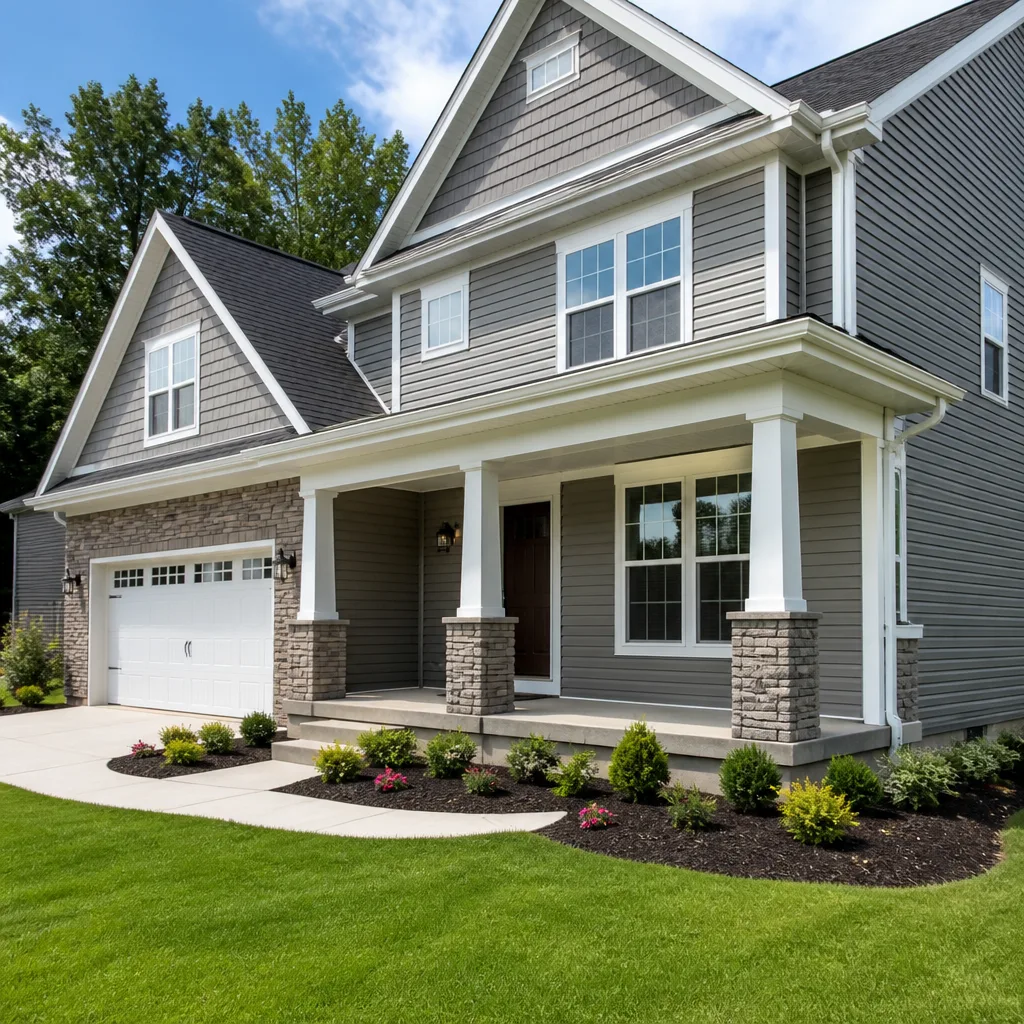
 Before
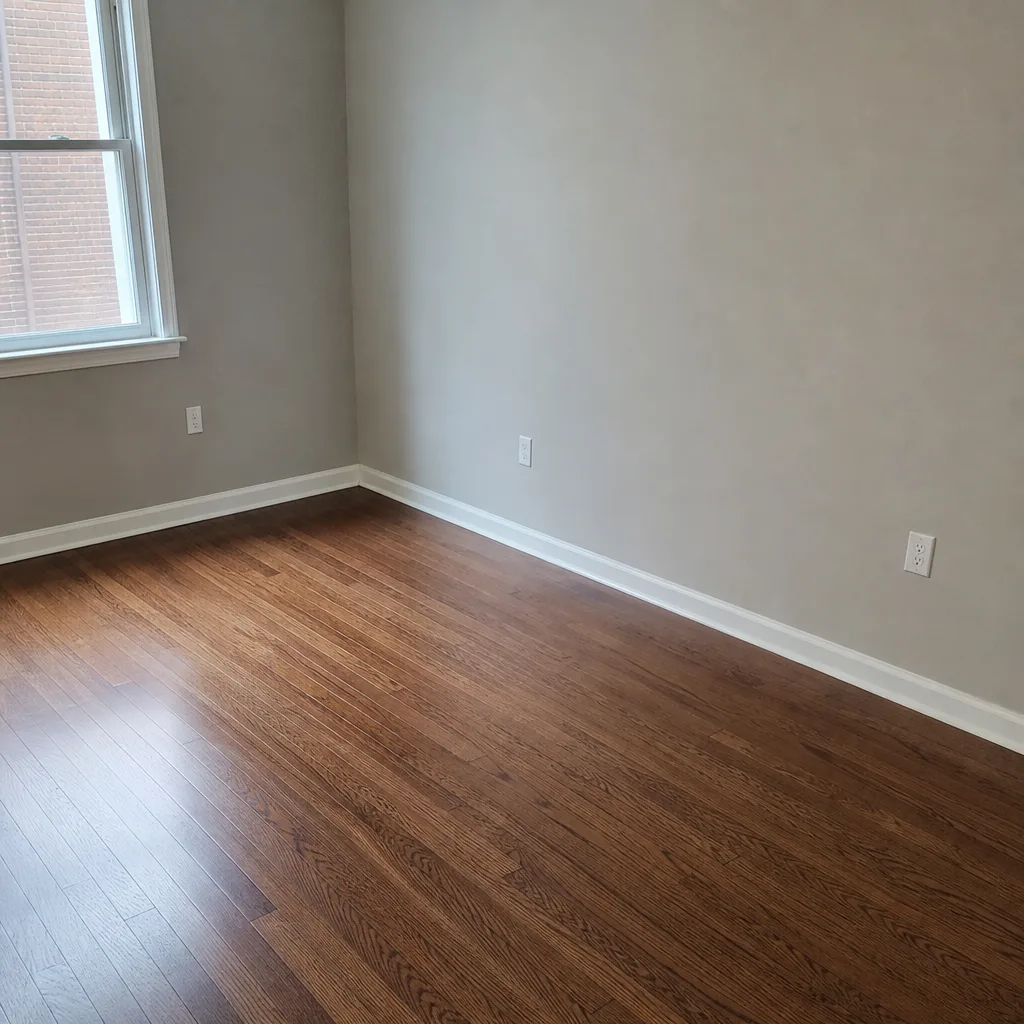 After
After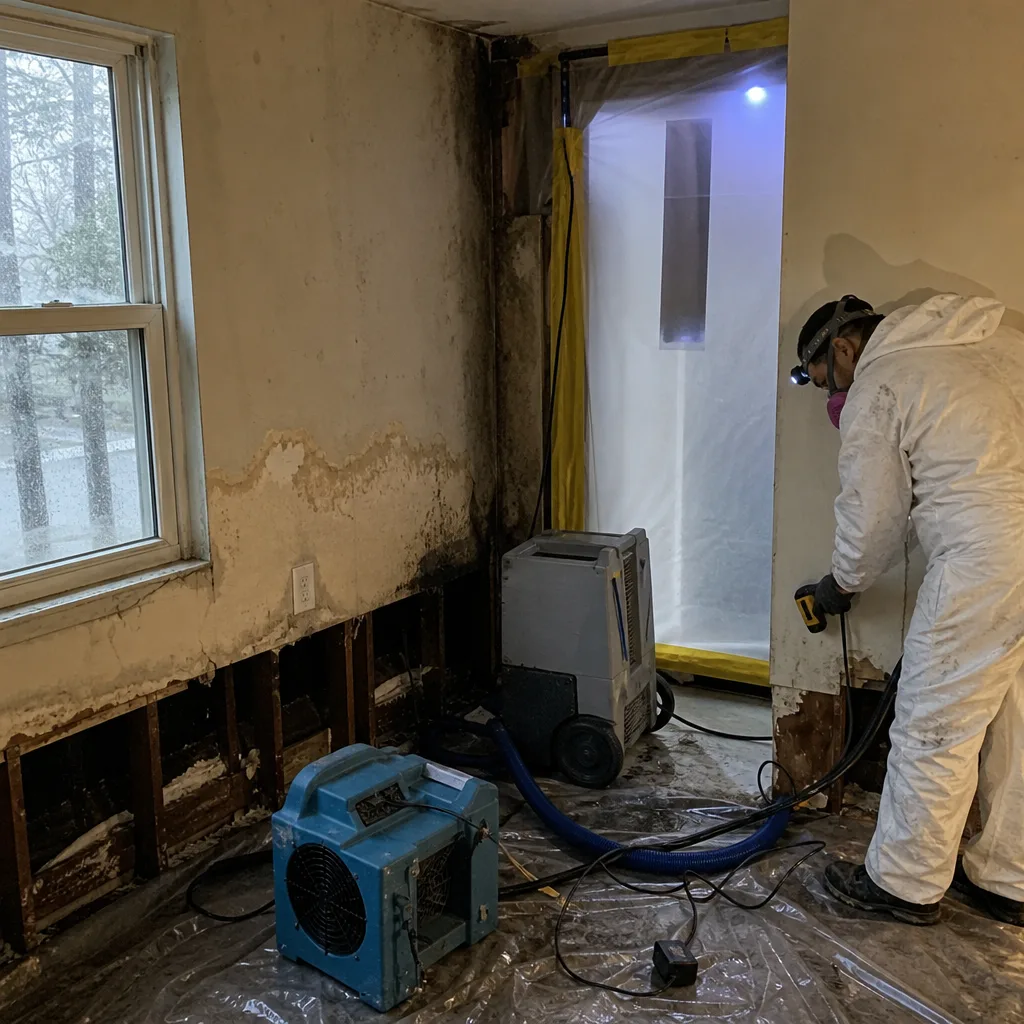 Before
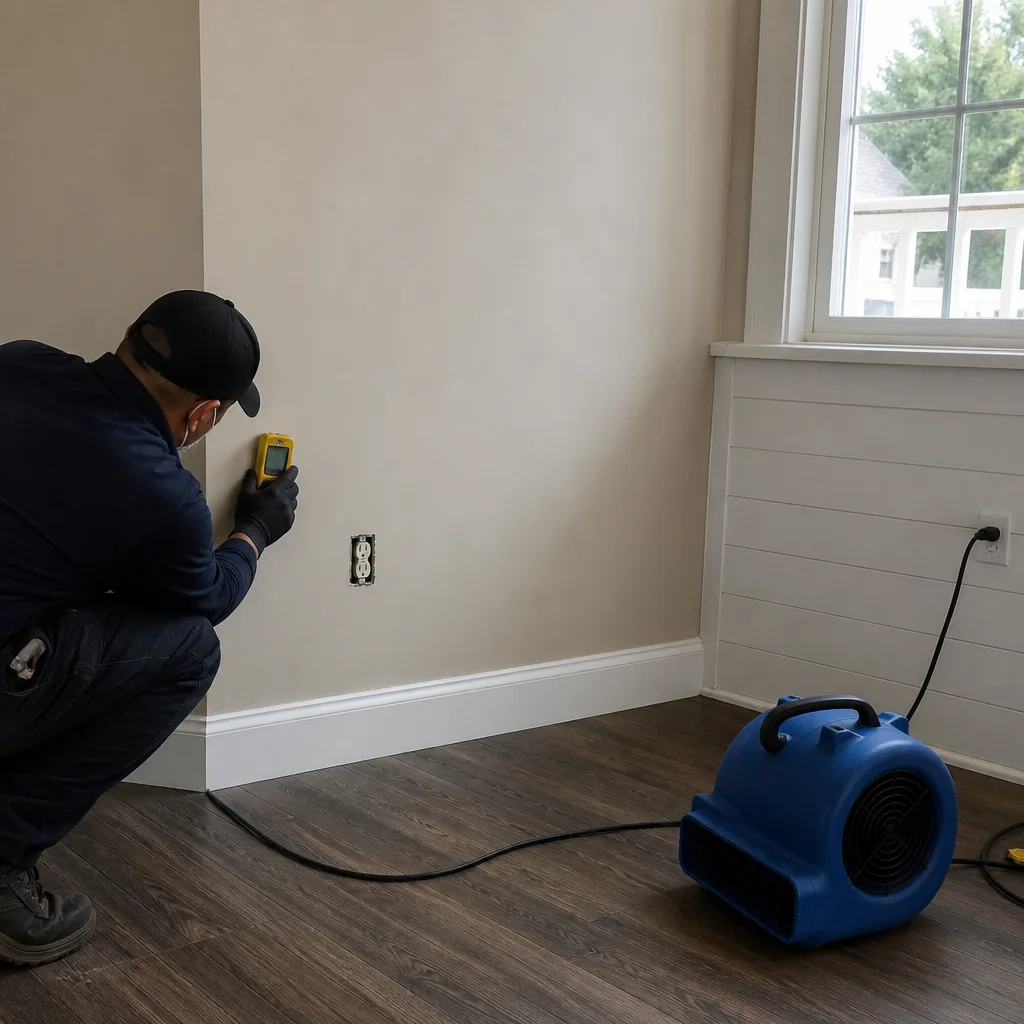 After
After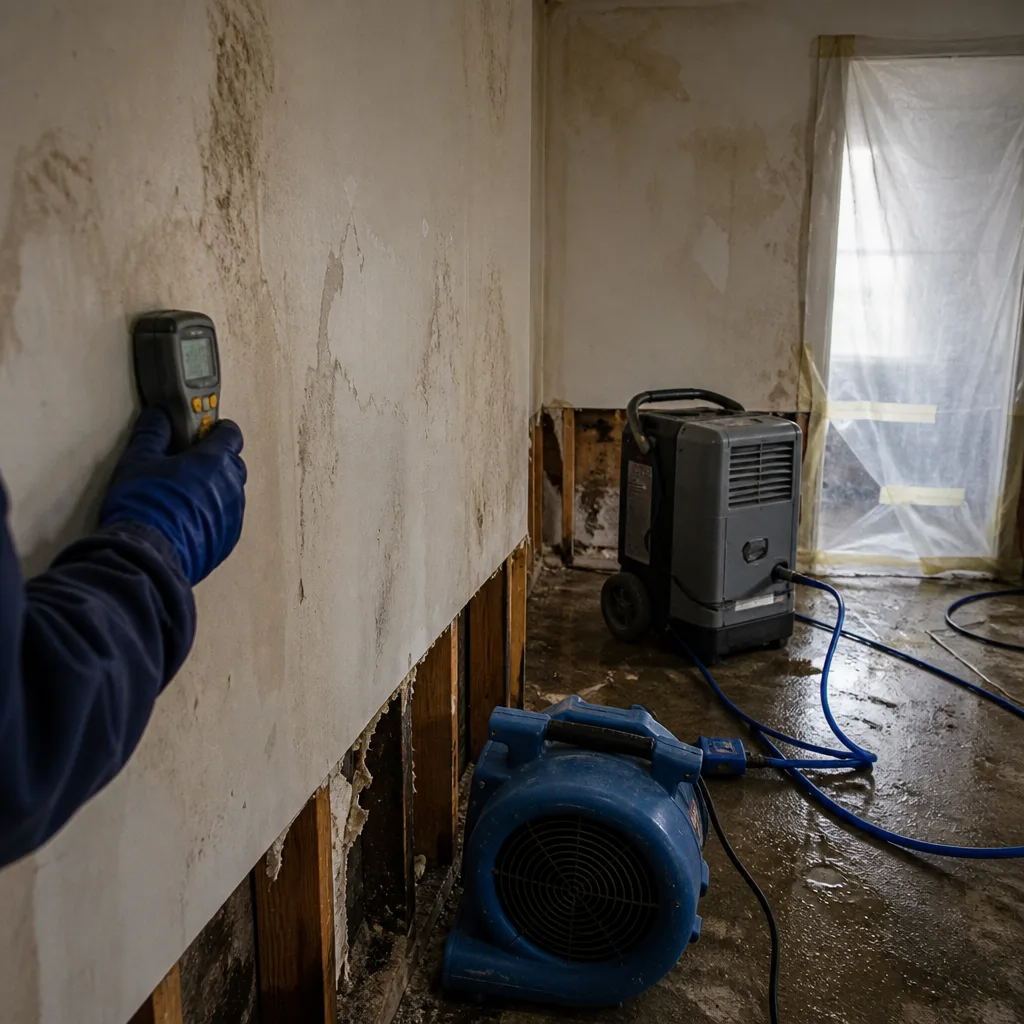 Before
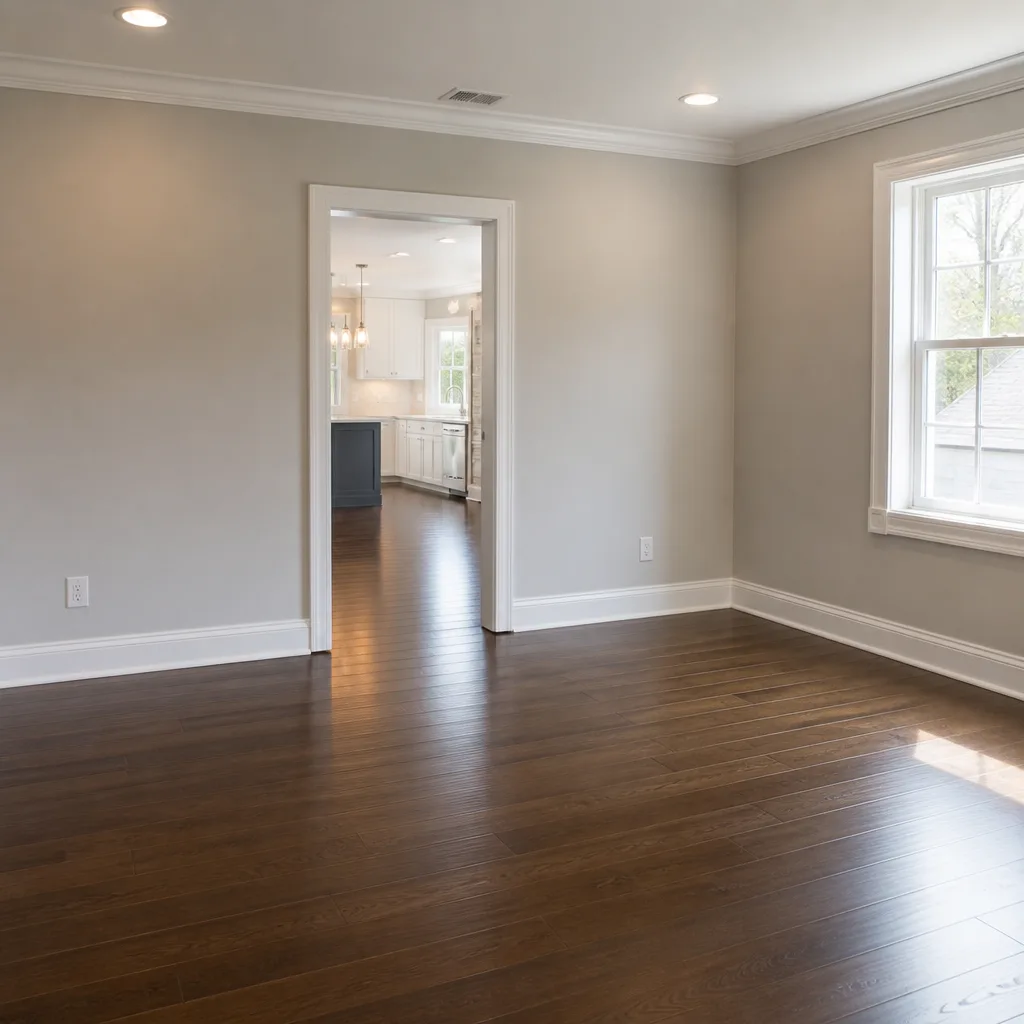 After
After24/7 Emergency Reconstruction & Cleanup in Lyndhurst
When a flooded basement or fire-damaged wall needs Reconstruction & Cleanup in Lyndhurst, the work should start with a phone call to (201) 762-0667. We answer live, any hour, and dispatch crews into Lyndhurst immediately. The first visit includes a free visual inspection and a written scope, so you know exactly what you’re facing before anything gets torn out. This matters doubly in Lyndhurst, where floodwater moves fast and the damage compounds by the hour. You don’t want a crew that treats your home as a one-off job. You want a restoration company that understands the Passaic River is going to rise again.
Understanding Reconstruction & Cleanup Severity in Lyndhurst Properties
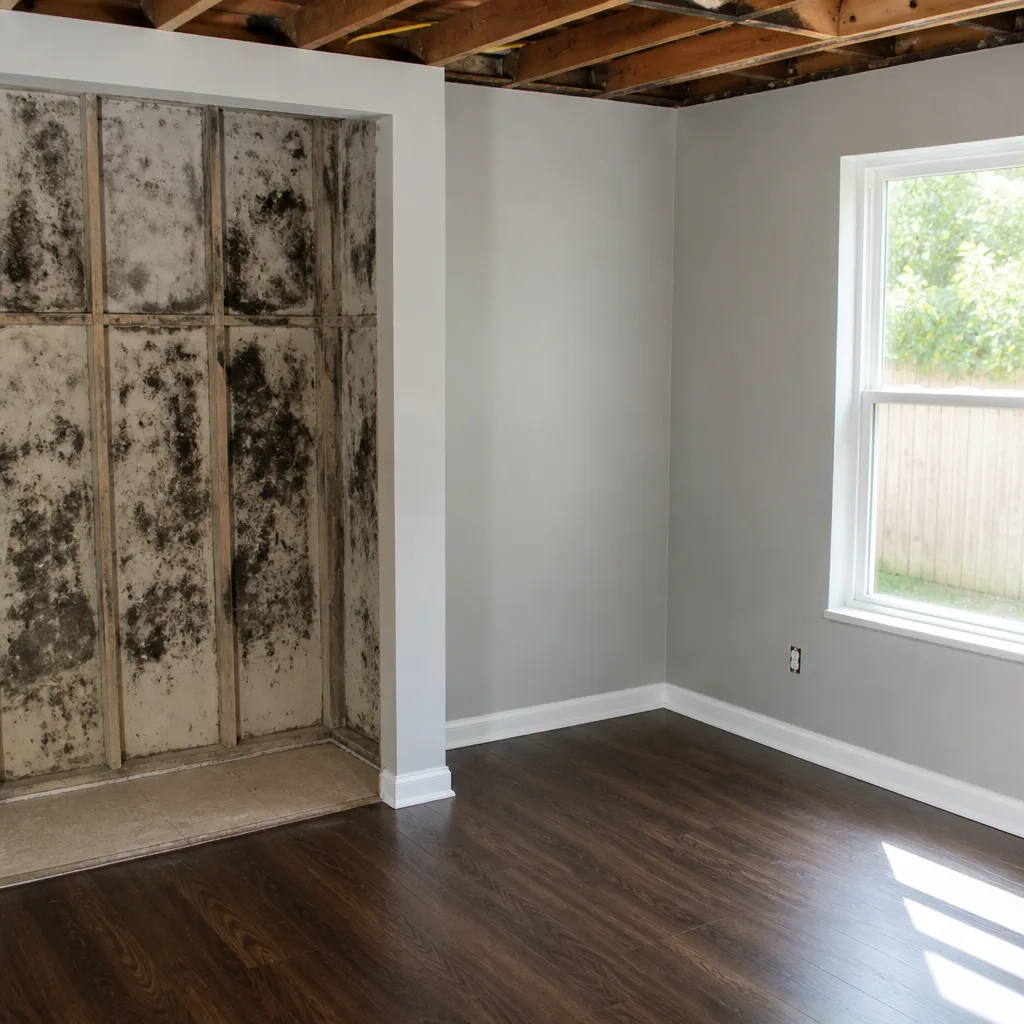
Most Lyndhurst homes we’re called to are 1920s to 1950s Cape Cods, bungalows, and two-families with basements that sit close to the water table. That age and geography shapes every loss we see. A category 1 water event, a clean supply-line break, becomes category 2 the moment it pools across a 1940s concrete floor that’s absorbed decades of prior intrusion. Category 3 water, the kind that carries river sediment and sewage, is common along the western streets after the Passaic overflows. The severity isn’t just about what got wet. It’s about what the water passed through on its way in, and what’s already living inside those old block walls. We moisture-map every affected surface before demolition starts. Drywall can feel dry to the touch and still be holding 18% moisture behind the paint, exactly where mold takes hold inside an original pour-concrete foundation.
Why Lyndhurst Property Owners Choose Floodline Restoration Co.
- 45-minute response commitment: When you call about a flooded basement or a post-fire cleanup in Lyndhurst, our crews are moving within the hour, not scheduling you for Thursday.
- 24/7 live answer, never a machine: A real dispatcher picks up the phone at 2 a.m. during a nor’easter. You explain what happened once, and a crew gets sent.
- IICRC-certified crews: Our technicians carry WRT, FSRT, and AMRT certifications and arrive in uniform, background-checked, and ready to work.
- Free visual inspection: We walk the damage with you, explain what we’re seeing, and put the scope in writing before any tools come off the truck.
- Direct insurance billing: We document the loss, communicate with your adjuster, and bill the carrier directly. You’re never the messenger between us and the insurance company.
- One team from extraction to reconstruction: The same crew that runs the moisture map on day one is the crew that hangs the new drywall. No handoffs, no new faces halfway through the job.
Our Reconstruction & Cleanup Process
Inspection & Assessment
We start with a full walkthrough, thermal imaging, and moisture readings. In Lyndhurst, we also check for signs of prior flooding and pre-existing damage so the current claim stays clean and distinct from older flood scarring.
Extraction & Stabilization
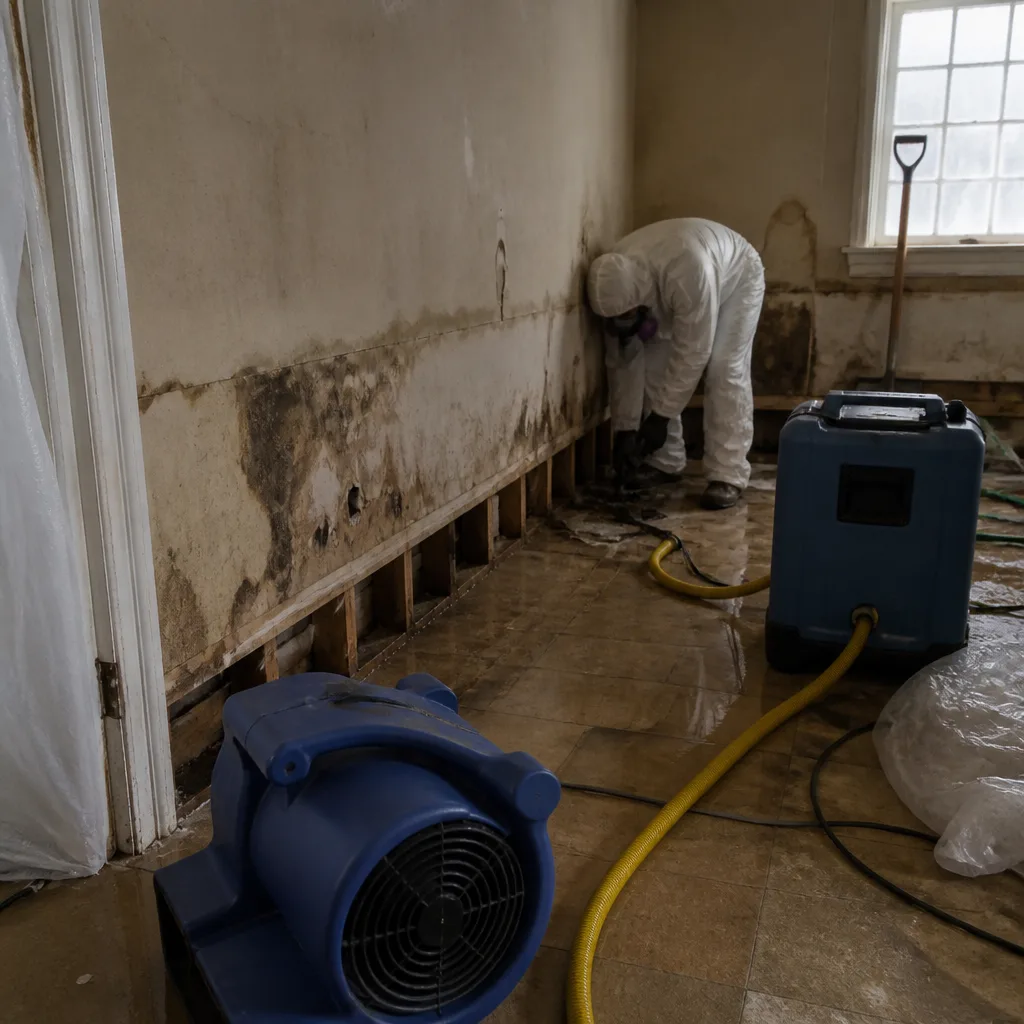
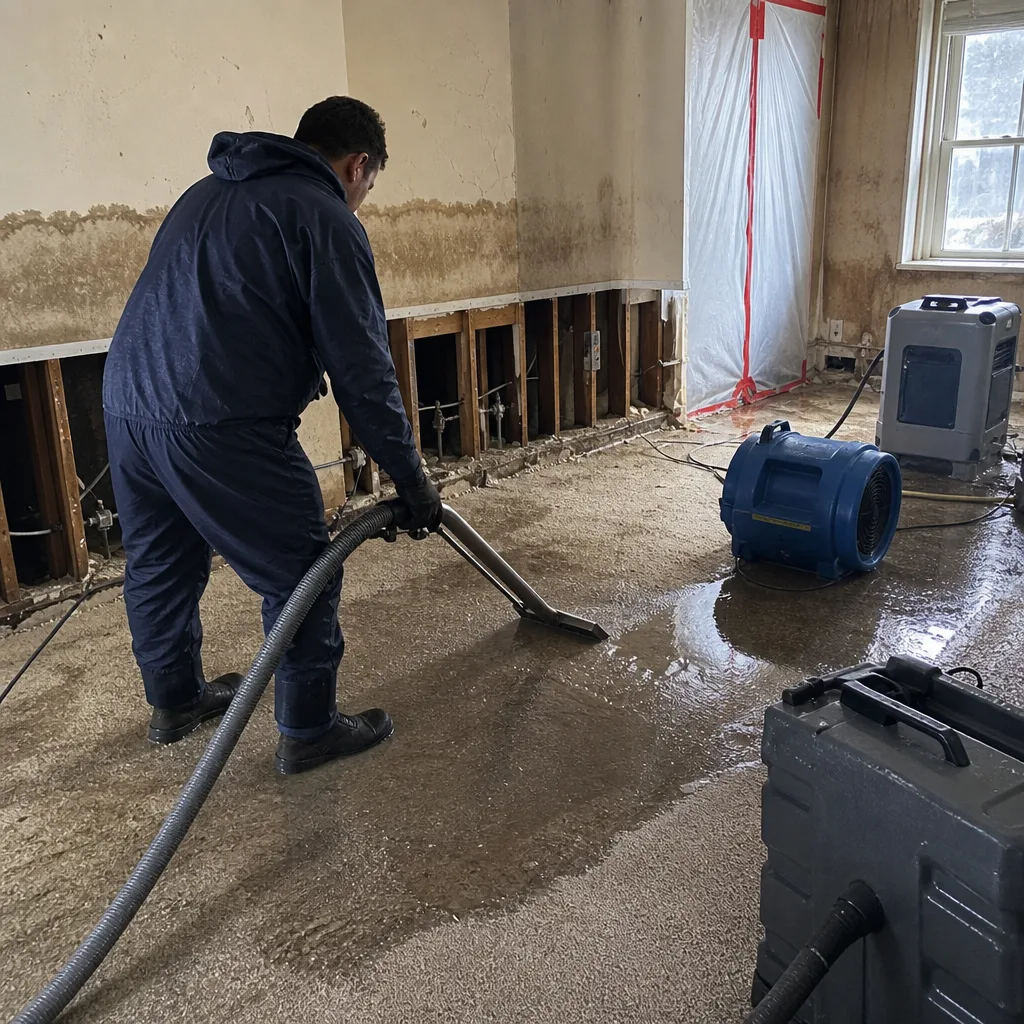
Standing water comes out first, using truck-mounted extraction. We remove saturated drywall, carpeting, and insulation that can’t be saved, and we stabilize any structural concerns before drying begins.
Drying & Dehumidification
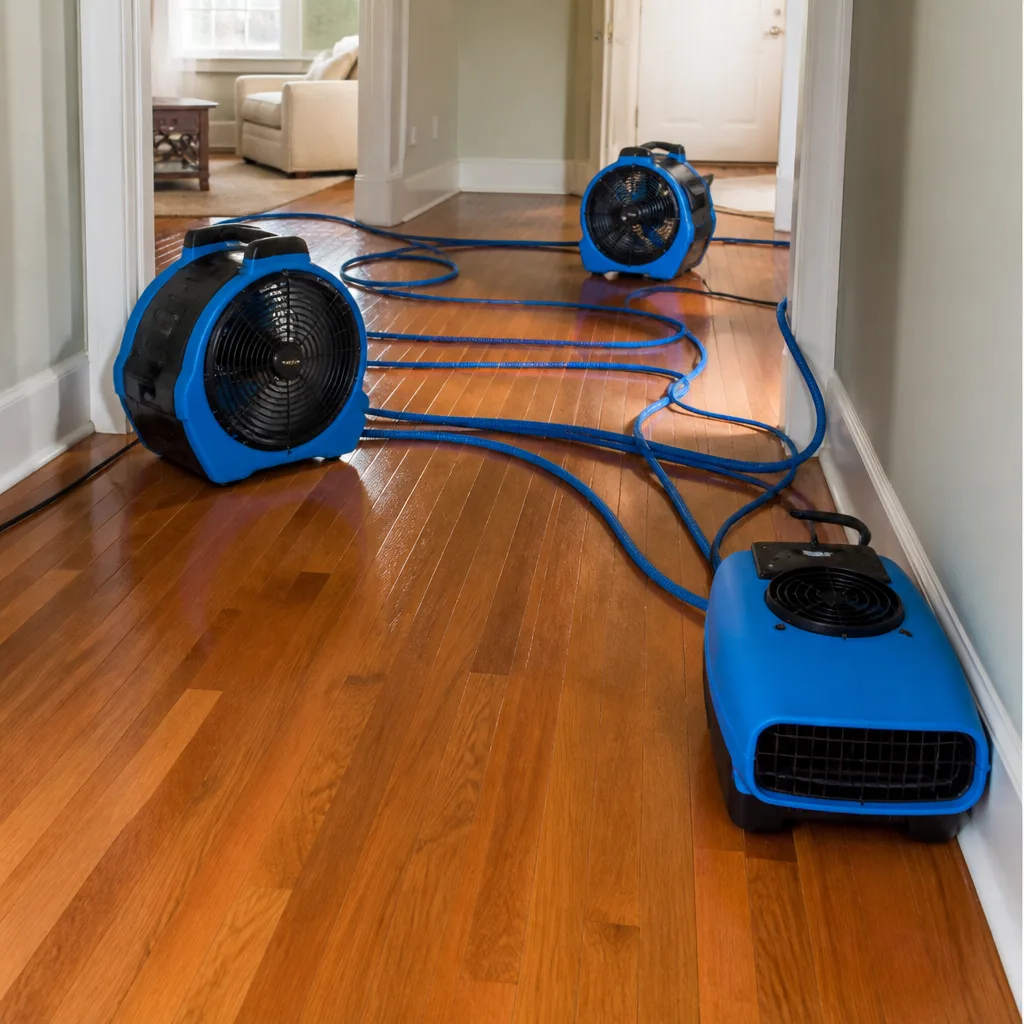
Dri-Eaz and Phoenix air movers plus industrial dehumidifiers run continuously. We log daily moisture readings until every surface is at dry standard, because in Lyndhurst’s high-water-table basements, cutting this phase short means trapping moisture behind new finishes.
Cleaning & Sanitization
HEPA air scrubbers run during all demolition and cleaning. We apply antimicrobial treatment where needed and clean every exposed surface to leave the space safe for rebuild.
Contents Restoration & Documentation
Salvageable items get packed out, cleaned, and stored off-site when needed. Everything we do gets photographed and logged for your carrier, including the condition of items before they leave.
Repairs & Restoration
New drywall, flooring, paint, and trim go in. We rebuild to a standard that accounts for Lyndhurst’s flood exposure, and we walk you through the finished scope line by line before we call the job complete.
Need Emergency Reconstruction & Cleanup in Lyndhurst Now?
Crews minutes away, answering live 24 hours a day. The sooner we start, the less it costs.
Working With Your Insurance Company
Flood claims in Lyndhurst are rarely straightforward. Many homes near the Passaic have multiple prior claims on file, and carriers scrutinize new losses carefully to separate current damage from old flood scarring. That’s why our documentation starts the moment we arrive. We photograph every affected room before demolition, log all moisture readings, and note any pre-existing conditions separately from storm damage. We prepare an industry-standard, line-item estimate and send it directly to your adjuster with the supporting photos and drying logs. Then we talk to the adjuster ourselves. You hired us to fix the house, not to spend your days negotiating with insurance. The documentation we provide is built to make that negotiation shorter.
What We Provide Your Insurer
- Thorough documentation of the loss
- Photos of all damage, room by room
- Moisture readings and drying logs
- A detailed, line-item scope of work
- Direct coordination with your carrier
Built for Lyndhurst’s Loss Calendar
Lyndhurst doesn’t have a single disaster season. It has a calendar of recurring water events, and each one fills a different need for Reconstruction & Cleanup work. January and February bring deep freezes that burst supply lines in uninsulated basements and crawl spaces common to the town’s older homes. March and April deliver snowmelt and spring rain that push groundwater through foundation walls well before any river flooding begins. Summer thunderstorms drop several inches of rain in an afternoon, overwhelming the storm drains and sending water across Riverside Avenue and into basements. Autumn nor’easters are the worst. Those storms push the Passaic out of its banks and up through the lower streets, leaving behind the kind of category 3 water damage that requires full demolition, drying, and rebuild. Floodline Restoration Co. plans for all of it, all year.
Reconstruction & Cleanup Across Lyndhurst’s Neighborhoods
The neighborhoods closest to the Passaic on the western side of Lyndhurst, along Riverside Avenue and the streets running down toward the water, see the most repetitive flooding. Homes there are often older, with original foundations and basements that have been wet many times. The area around Delafield Avenue and the center of town includes more two-family homes, where a pipe break on the second floor means water damage across both units and a more complicated insurance picture. East of Stuyvesant Avenue, the homes are newer but closer to the Meadowlands, where the high water table keeps basements damp even in dry weather. Near Lyndhurst High School and along Fern Avenue, we see a mix of post-war construction and older bungalows, many with cast-iron drain lines that are now at the end of their service life. Each area responds differently to water. Our crews know those differences and adjust the drying plan accordingly.
Specialized Reconstruction & Cleanup Services We Offer in Lyndhurst
Full-Service Reconstruction
We rebuild what the water tore out. Drywall, flooring, trim, paint, cabinetry, and structural repairs all happen under one roof, by the same crew that handled the extraction. No mid-job handoff, no arguing about who’s responsible for what. The 90-Day Done Right Promise covers this work in writing.
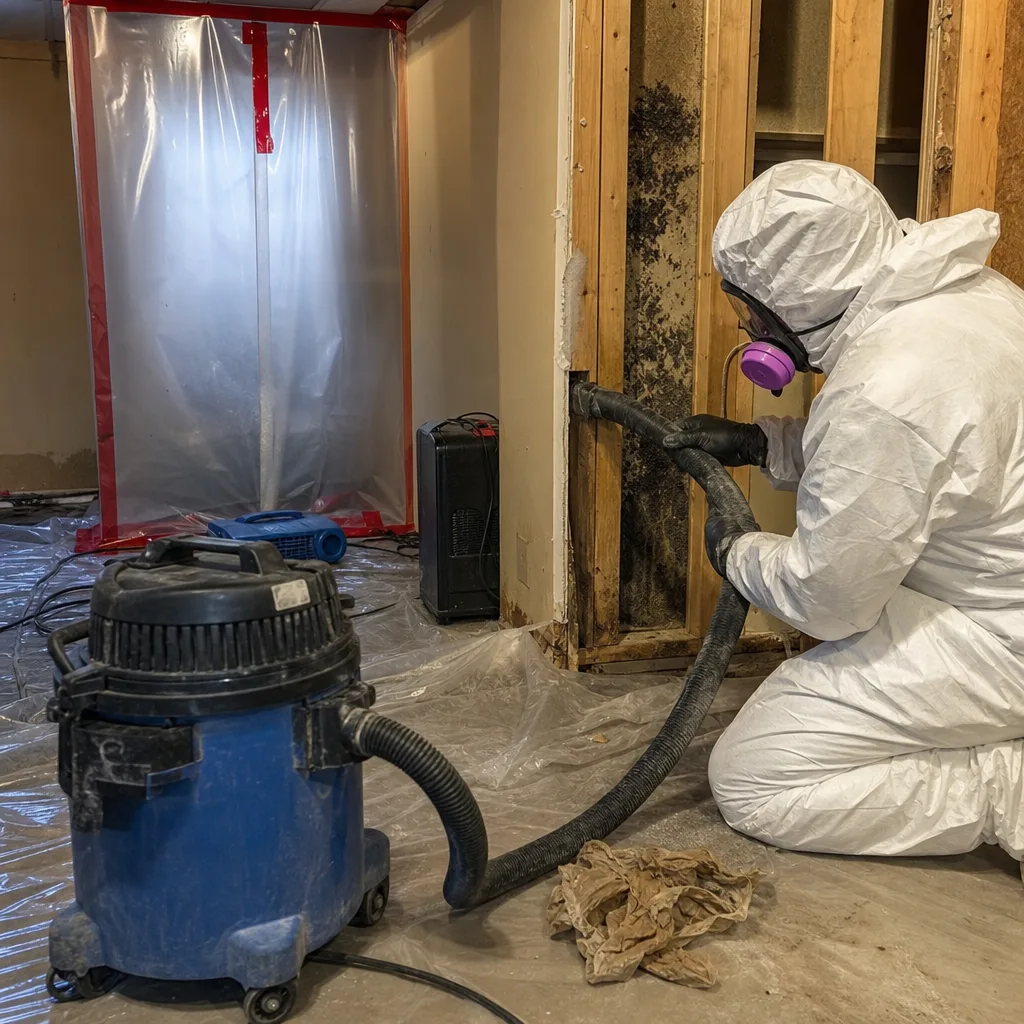
Insurance Claim Documentation
In a town with Lyndhurst’s repetitive-loss history, the paperwork is as important as the rebuild. We photograph before, during, and after. We separate new damage from old flood scarring. We build the line-item scope your carrier needs to process the claim without delays. Then we deal with the adjuster directly so you don’t have to.
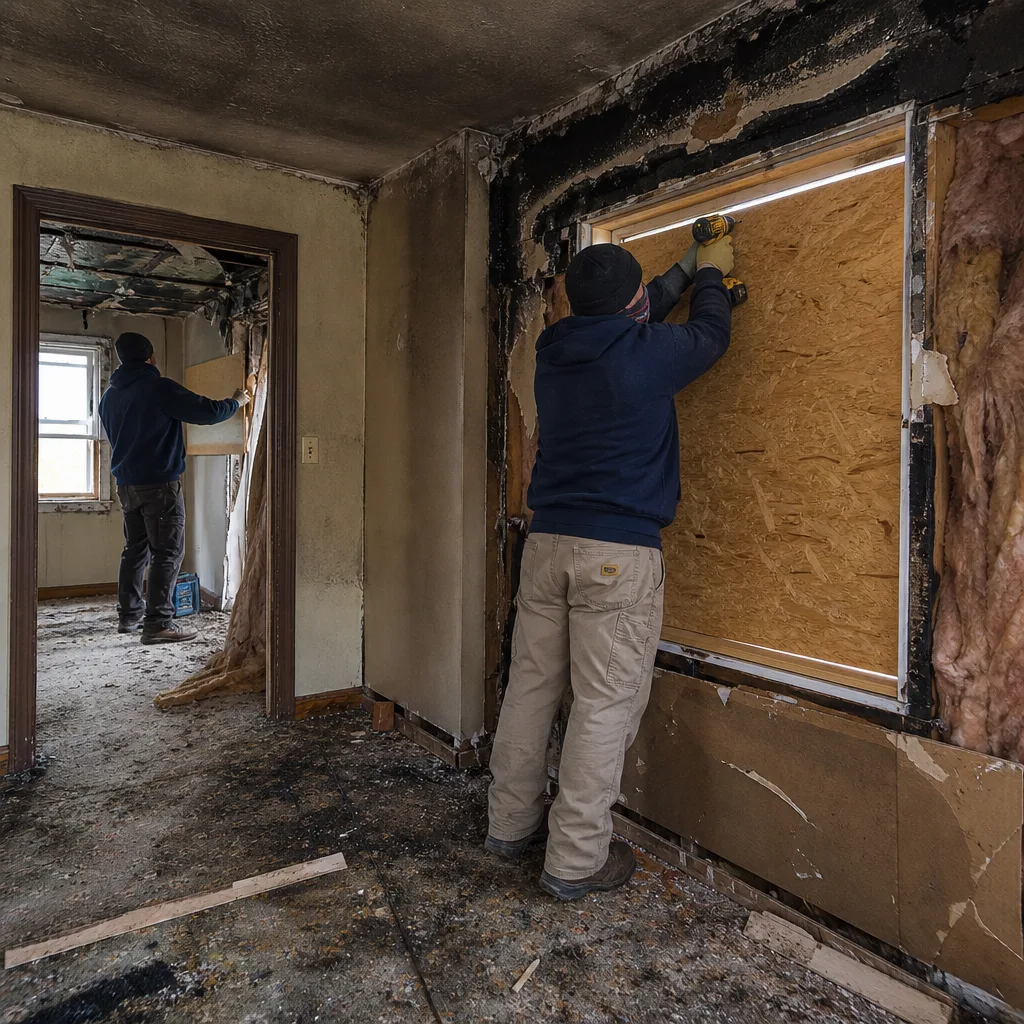
Contents Restoration & Pack-Out
When a basement floods in Lyndhurst, it’s usually not just drywall that’s ruined. Furniture, boxes, clothing, tools, and holiday decorations all take on water. We inventory, pack out, clean, and store salvageable contents off-site, then return them when the rebuild is complete. Items that can’t be saved are documented for the insurance claim.
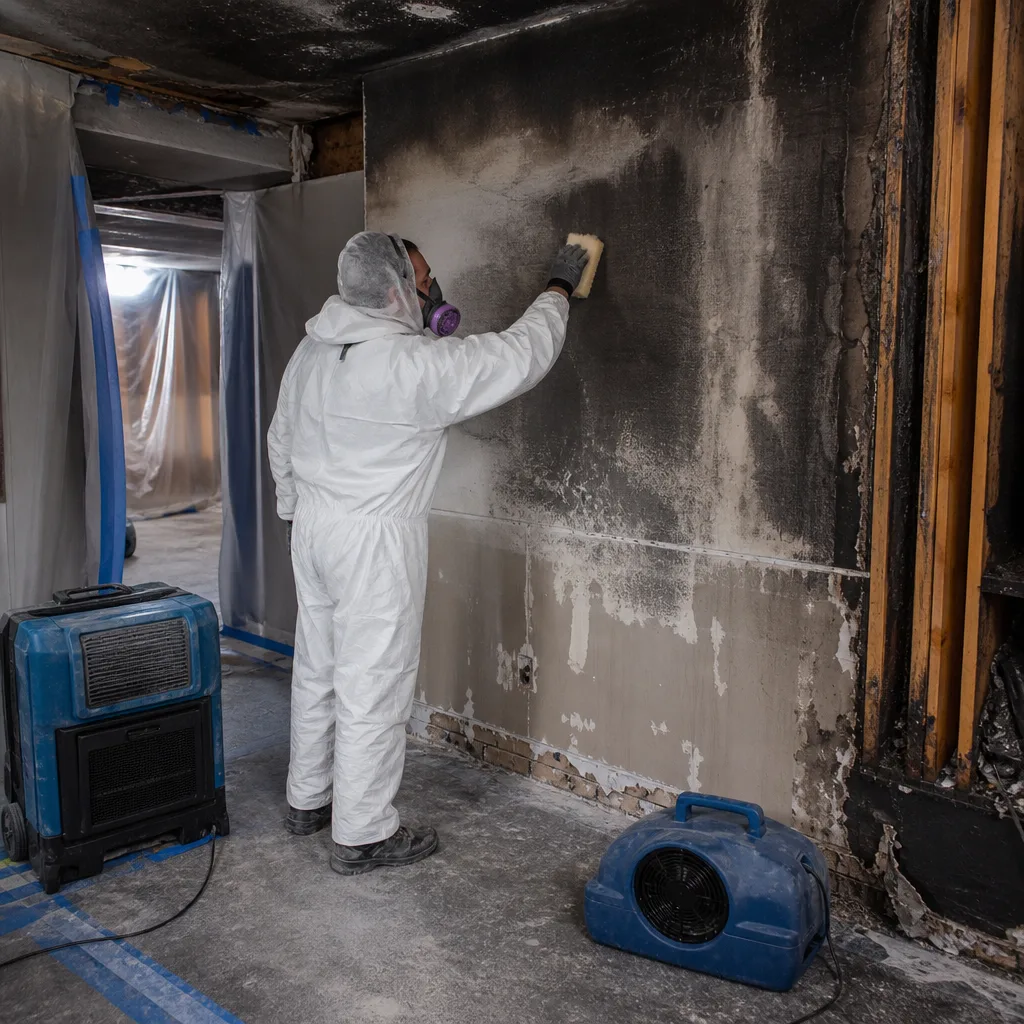
Drywall & Flooring Repair
Flood cuts and water-damaged flooring are standard on Lyndhurst basement jobs. We cut drywall above the waterline, not just at it, because old block walls wick moisture upward. Flooring gets assessed for salvage, and anything that can’t be dried gets replaced with materials suited to a damp environment.
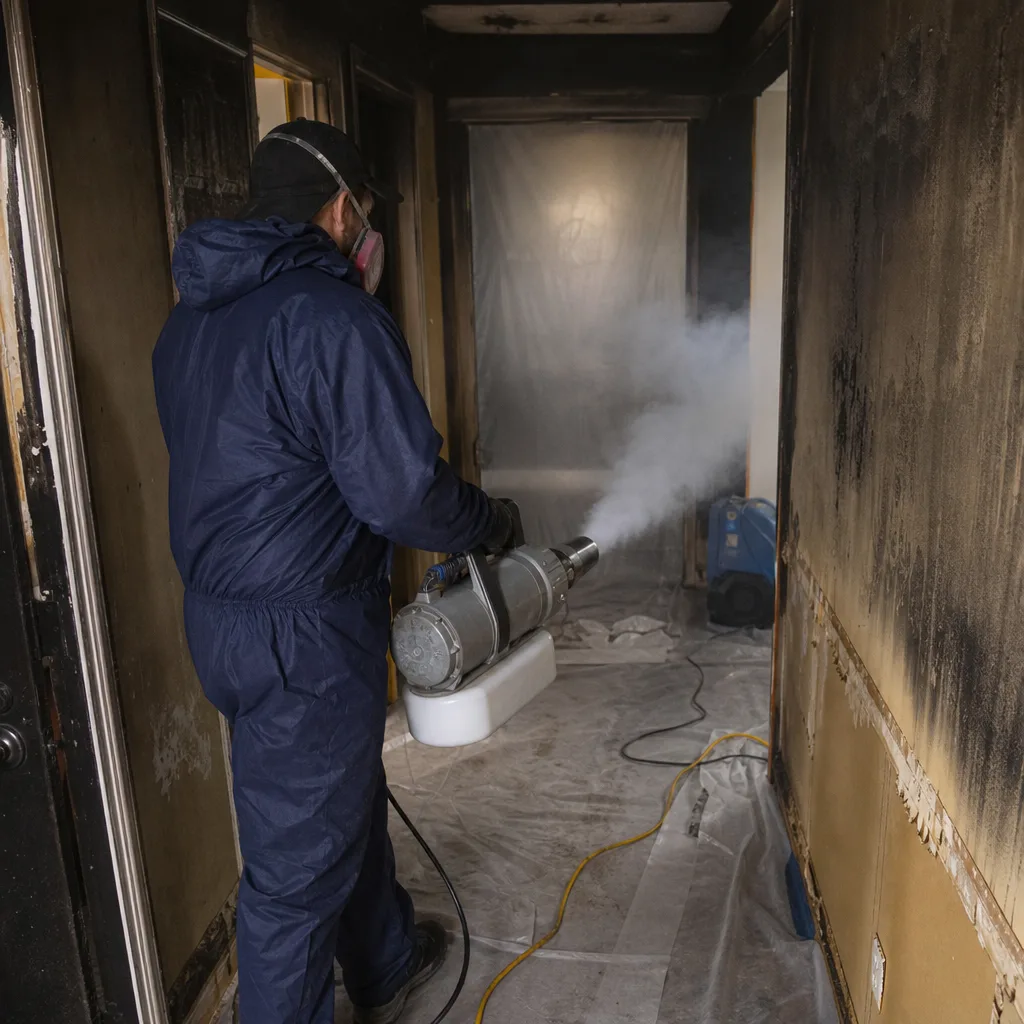
Carpet & Upholstery Cleaning
Not every carpet needs to be torn out. When the water is category 1 and caught early, professional-grade cleaning, extraction, and deodorizing can save carpets and upholstered furniture. We test first, clean second, and tell you honestly when replacement is the better choice.
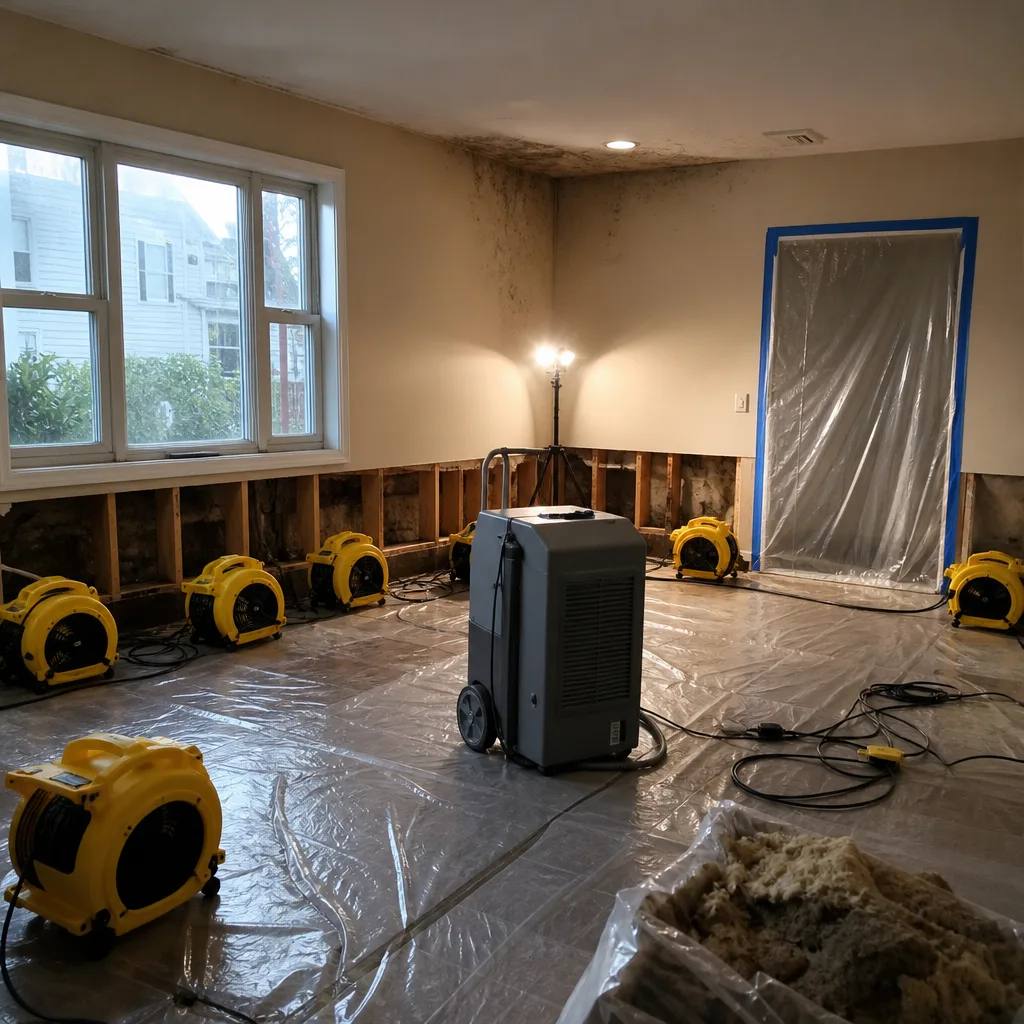
Post-Construction Cleanup
After the rebuild is done, we clean the entire space: dust from drywall sanding, debris from demolition, and residue from every stage of the job. You get your home back clean, not just rebuilt.
What happens when you call
- 1
A real person answersNo phone trees - you reach a local pro.
- 2
You get an upfront price rangeHonest numbers before anyone is dispatched.
- 3
A background-checked tech heads outLicensed & insured, dispatched right away.
- 4
You approve before work beginsNothing starts until you say go.
Reconstruction & Cleanup Costs in Lyndhurst, NJ
Costs here track the scope of the water event and the age of the house. A straightforward basement flood with category 1 water in a Lyndhurst Cape Cod typically runs $3,500 to $8,000 for extraction, drying, drywall replacement, and basic finish work. Category 3 flood water from the Passaic pushes most jobs to $12,000 to $35,000, depending on finished square footage, contents, and code upgrades triggered by the repair. A full basement rebuild after a repetitive-loss event often lands between $25,000 and $60,000 when the work includes new flooring, drywall, electrical, and code-mandated improvements. Insurance covers most of these costs when the loss is sudden and documented properly. Your out-of-pocket is usually the deductible. We’ll walk through it with you during the free inspection. Call (201) 762-0667 and we’ll put a firm number on paper before any work starts.
We Also Serve Cities Near Lyndhurst
Our crews work throughout this part of Bergen County, including North Arlington, Rutherford, East Rutherford, and Carlstadt. Most of those communities deal with the same Passaic River and Meadowlands water table issues we see in Lyndhurst, and the same older housing stock.
Serving Lyndhurst, NJ - Our Local Coverage Area
We’re based in the Lyndhurst area and know this community well. Use the map below to see our service coverage - if you’re nearby, we can almost certainly help.
Lyndhurst Reconstruction & Cleanup Questions, Answered
How does Lyndhurst’s repetitive-loss status change the scope of Reconstruction & Cleanup on a flooded basement?
Repetitive-loss homes fall under different insurance scrutiny and often trigger the 50% substantial-improvement rule, which can require code upgrades like elevation or flood-resistant materials when the repair cost exceeds half the home’s value. We document the loss carefully and rebuild to a standard that accounts for the next flood, not just this one. Call (201) 762-0667 to talk through your specific street and situation.
Why is moisture mapping more critical in Lyndhurst basements than in nearby Bergen County towns?
Lyndhurst sits between the Passaic River and the Meadowlands, which pushes the local water table high enough that groundwater can seep through foundation walls even without surface flooding. That means wall cavities in older concrete and block foundations hold moisture longer and dry slower. We don’t hang drywall until the moisture map says every cavity is dry. If your basement flooded recently, call us for a free inspection.
Which sub-service do Lyndhurst homeowners most often overlook after a flood?
Insurance claim documentation. Most people focus on tearing out wet drywall and forget that the claim needs photos, moisture logs, and a clean separation between new damage and old flood scarring. Without that, the carrier can deny or underpay. We handle it from day one as part of the job.
Can you repair water-damaged 1920s cast-iron drain lines during Reconstruction & Cleanup, or do they need replacement?
Most cast-iron lines from the 1920s to 1950s are at the end of their service life. We camera-scope them during cleanup to check for perforations and cracks. If the line is compromised, patching it means the next flood backs up sewage behind your new drywall. Replacement is usually the honest call, and we’ll show you the scope footage before you decide.
How does your pack-out process protect contents from repeated Lyndhurst floods?
We inventory every item, photograph its condition, pack it in clean, labeled boxes, and store it off-site in a dry facility. For basements that flood repeatedly, we recommend keeping salvageable contents elevated or in water-resistant storage after the rebuild. We can advise on that during the restoration walkthrough.
How fast can you actually get to a Lyndhurst home after a flood?
Within 45 minutes in most cases. Our dispatch is live 24 hours a day, and crews are stationed in the area. Extraction equipment runs the same visit. Every hour of delay adds to the drying time and the final bill.
Will my insurance cover Reconstruction & Cleanup after a Passaic River flood?
It depends on your policy. Standard homeowner’s insurance covers sudden water damage, like a burst pipe. Flood damage from river overflow requires a separate FEMA flood policy, which many Lyndhurst homeowners carry given the repetitive-loss history. We document every loss thoroughly and bill your carrier directly either way. Call us and we’ll help sort out what’s covered.
Can we stay in our Lyndhurst home during reconstruction?
For most basement floods, yes. We contain the work area with plastic sheeting and run HEPA air scrubbers to control dust and mold spores. For whole-home fire or category 3 flood losses, you may need temporary housing. We’ll tell you honestly during the initial inspection, not after you’ve already committed.
Written by Curt Bowman, Owner at Floodline Restoration Co., serving Lyndhurst and Bergen County. His crews carry IFA certification and use Dri-Eaz, Phoenix, and XPOWER equipment on every job.