
Free visual inspection and a written scope of work before any mitigation begins - photos, moisture readings, and drying logs go in your claim file
The scope we write is the scope we bill. Anything new gets shown to you, in writing, before we touch it.
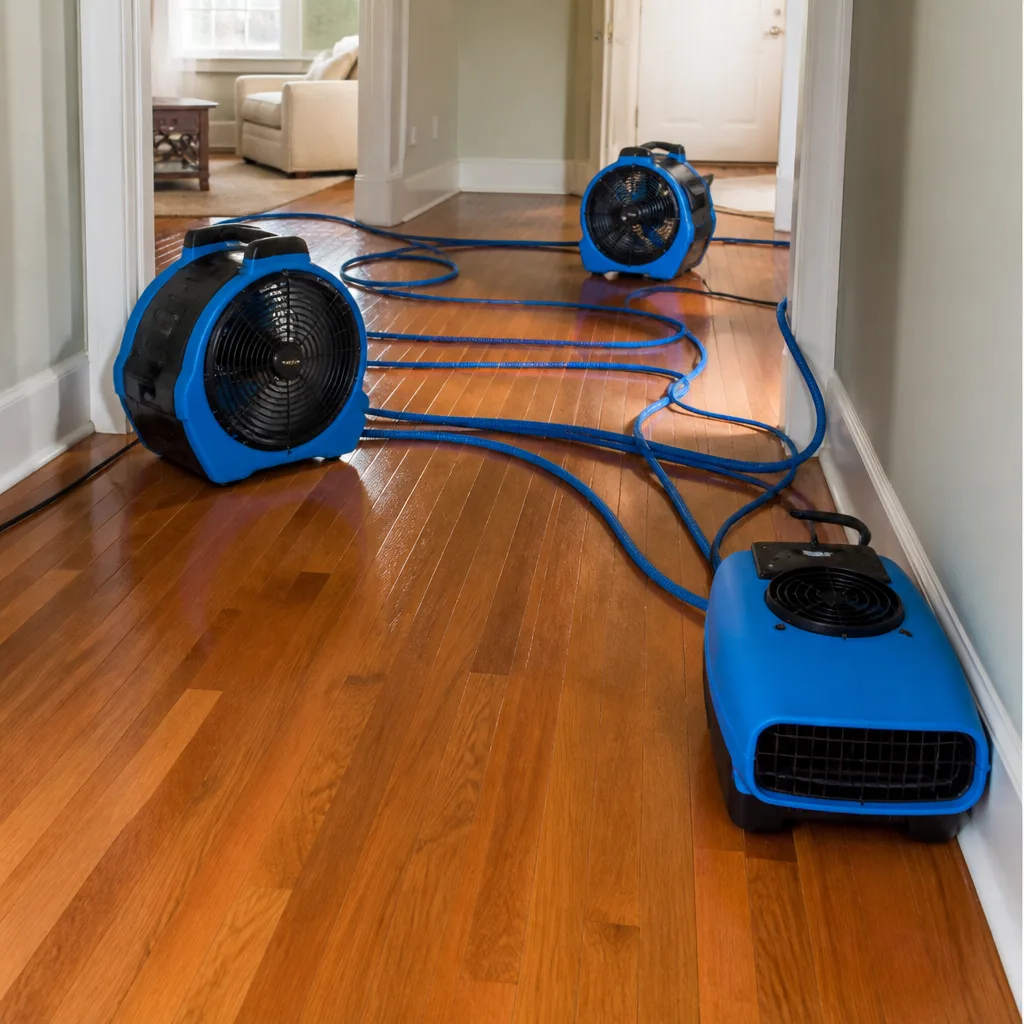
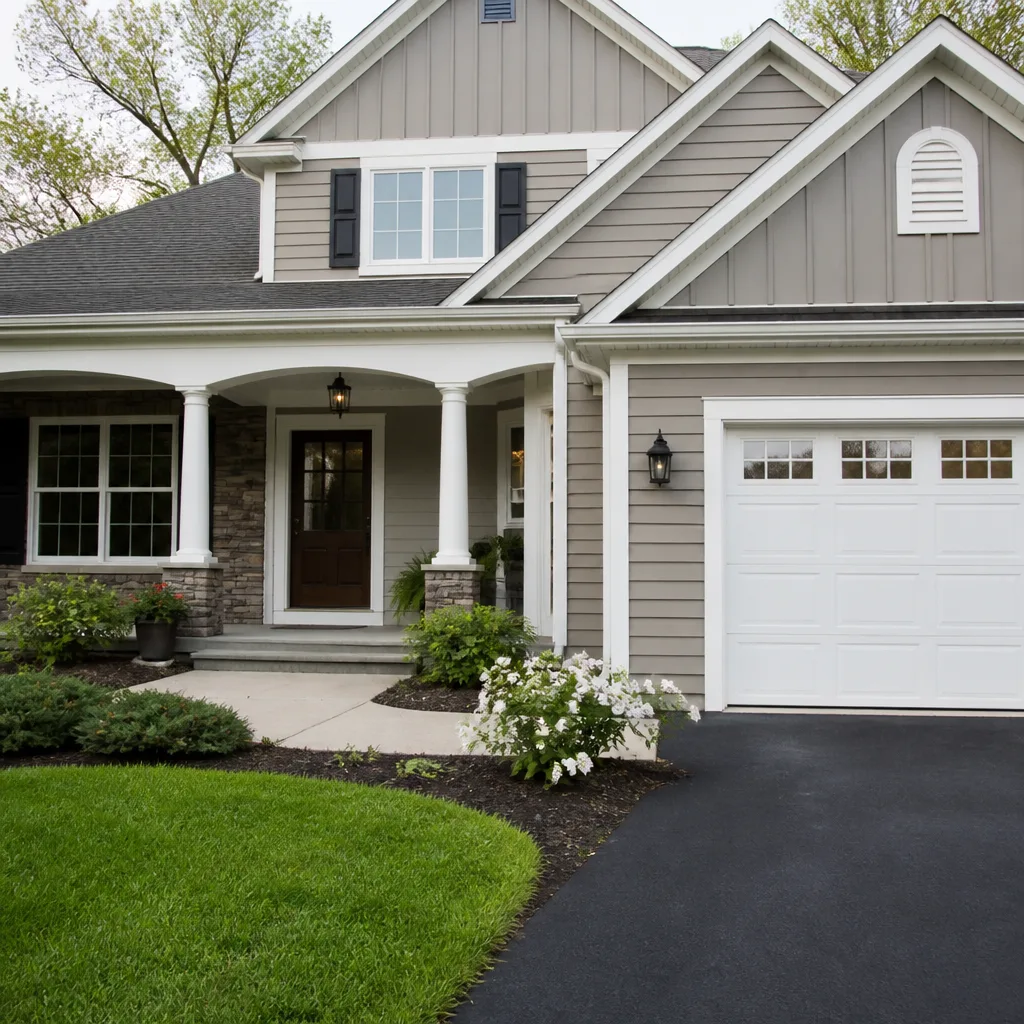
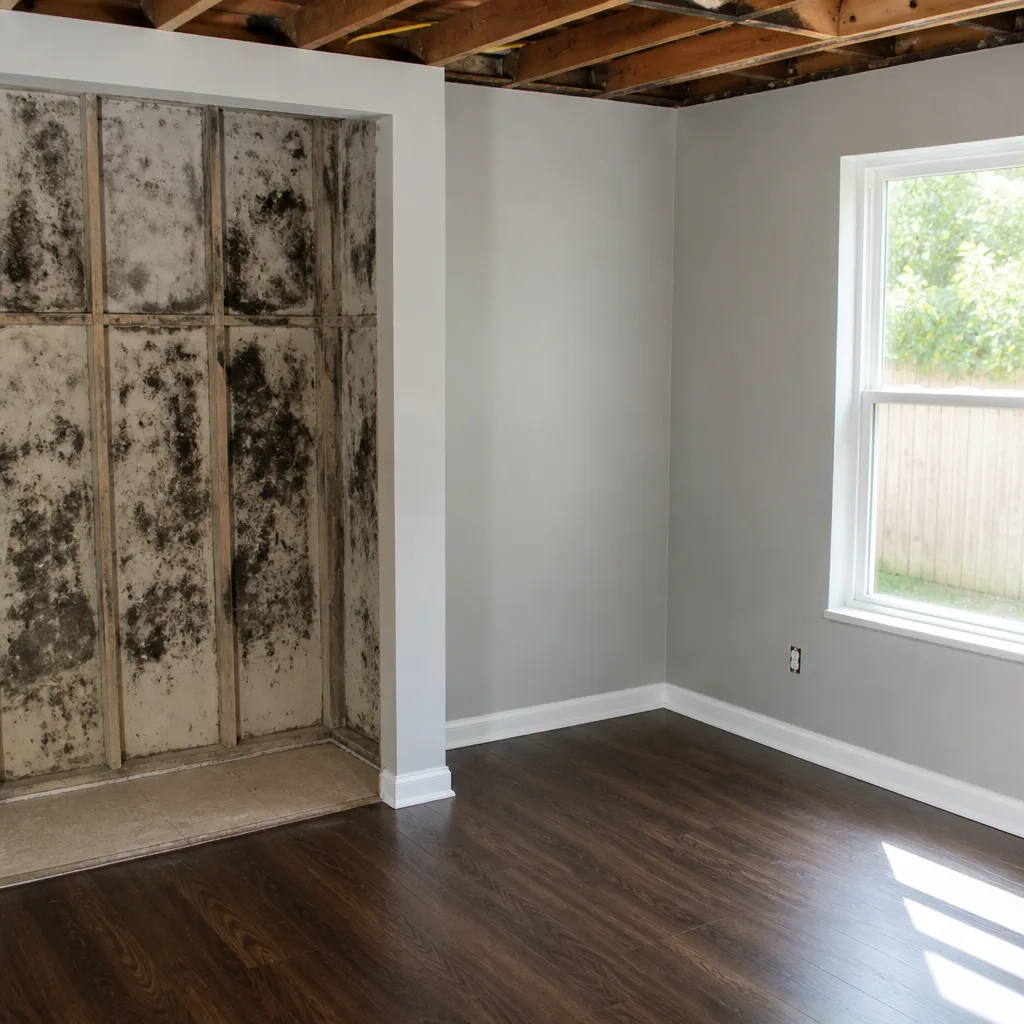
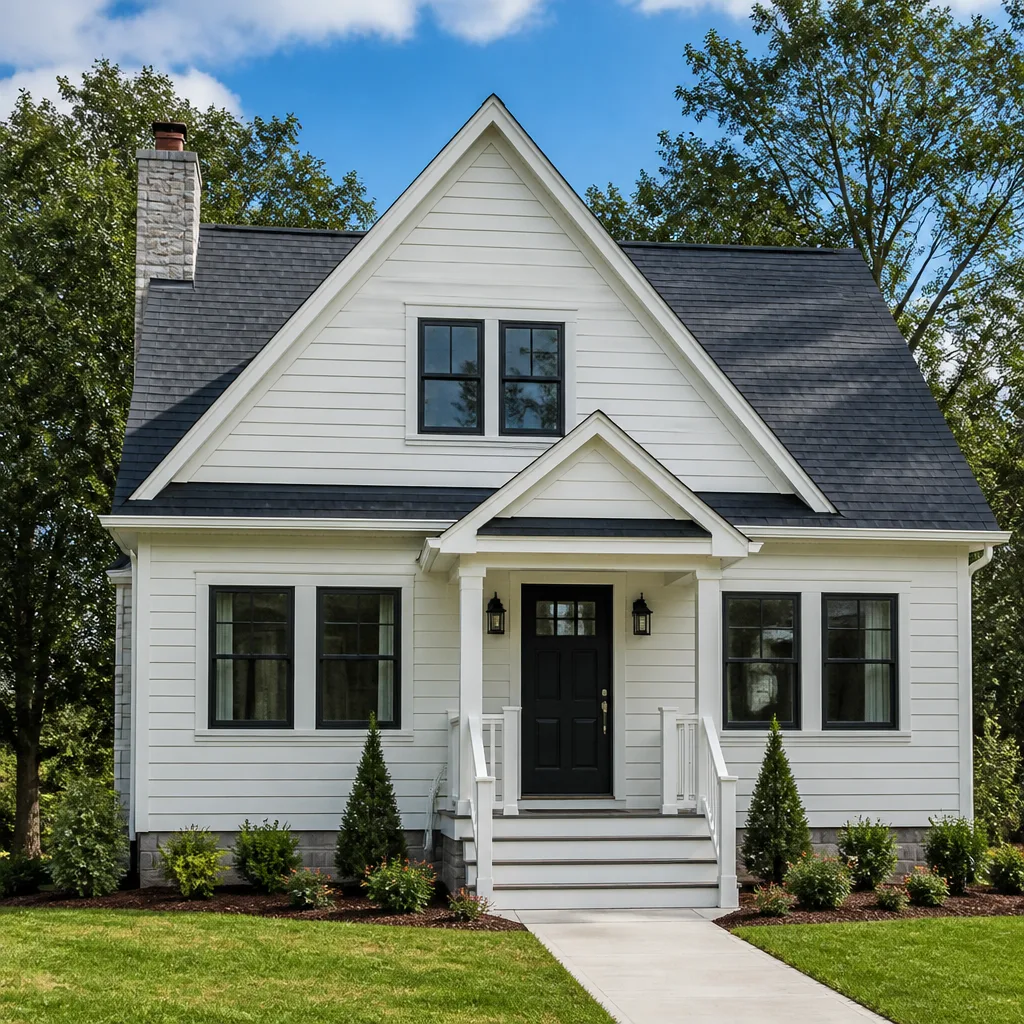
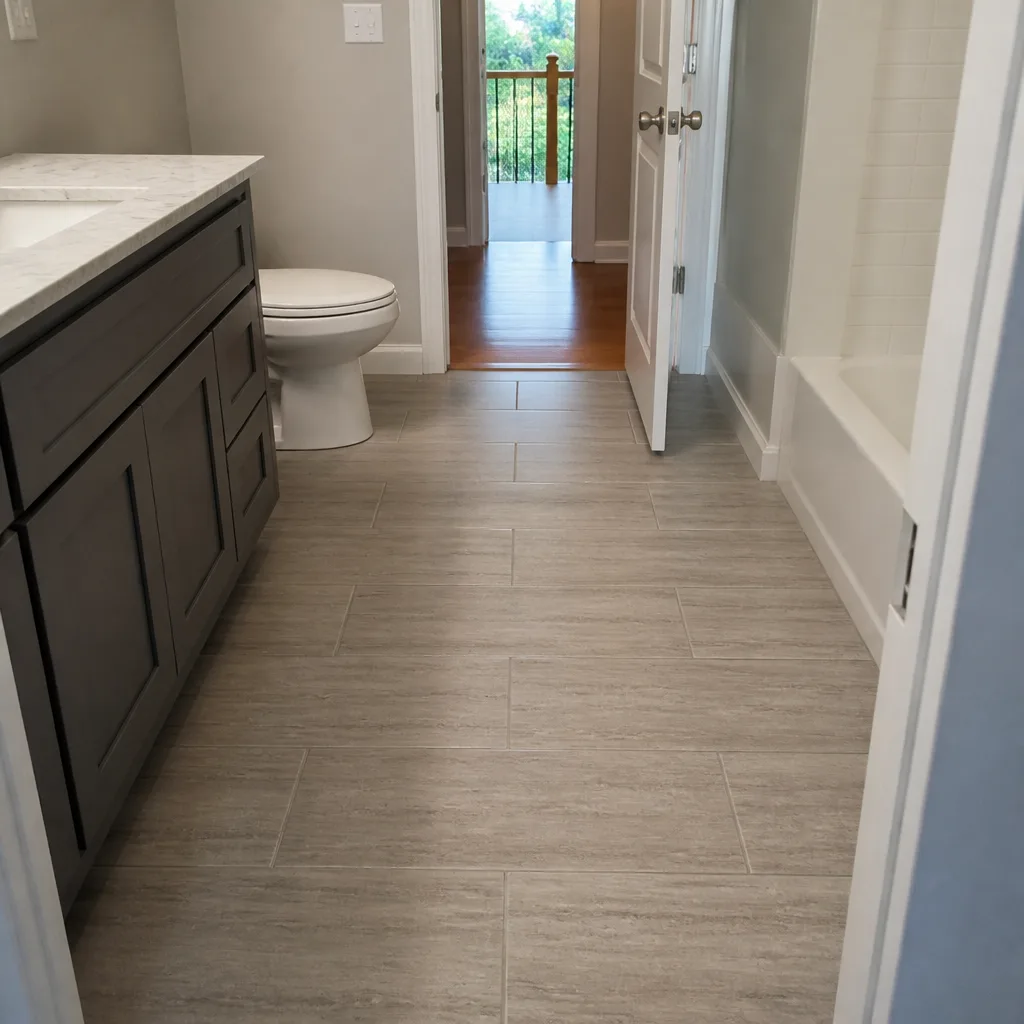
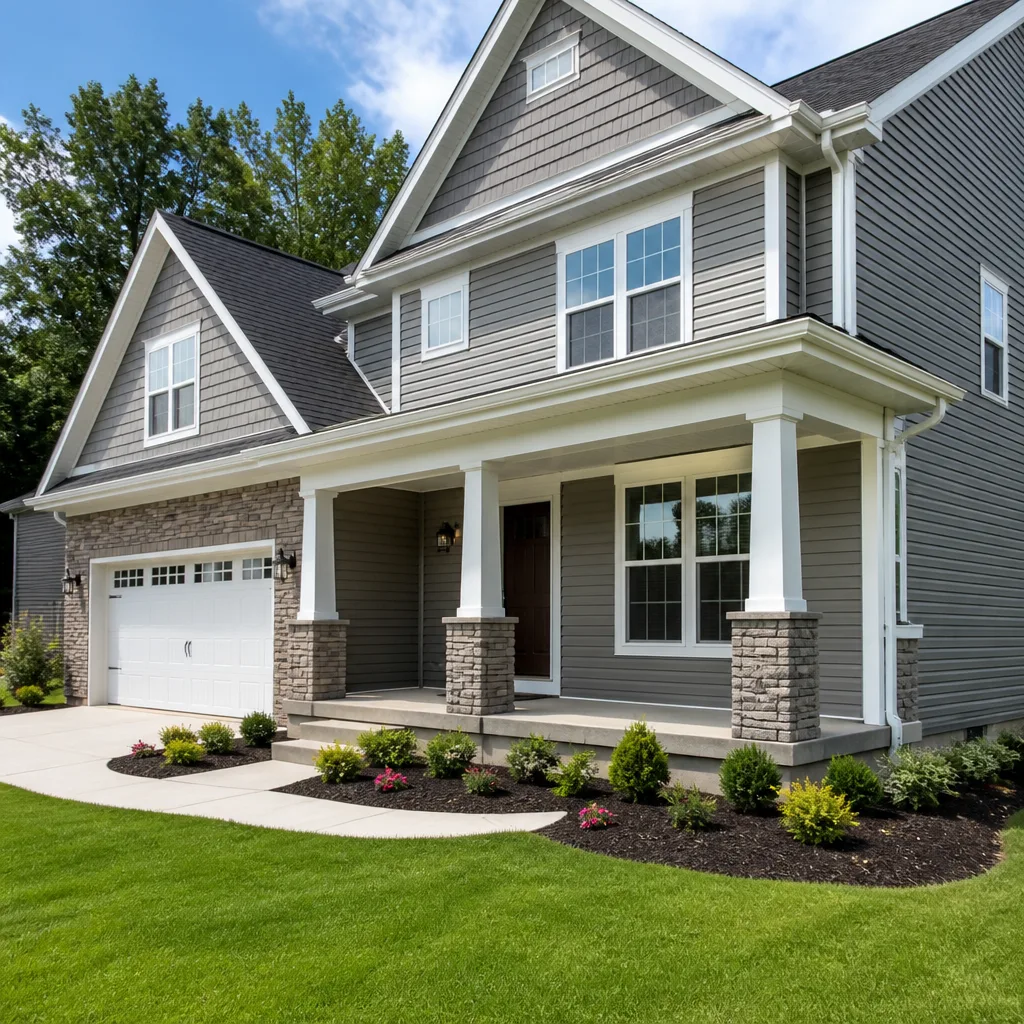
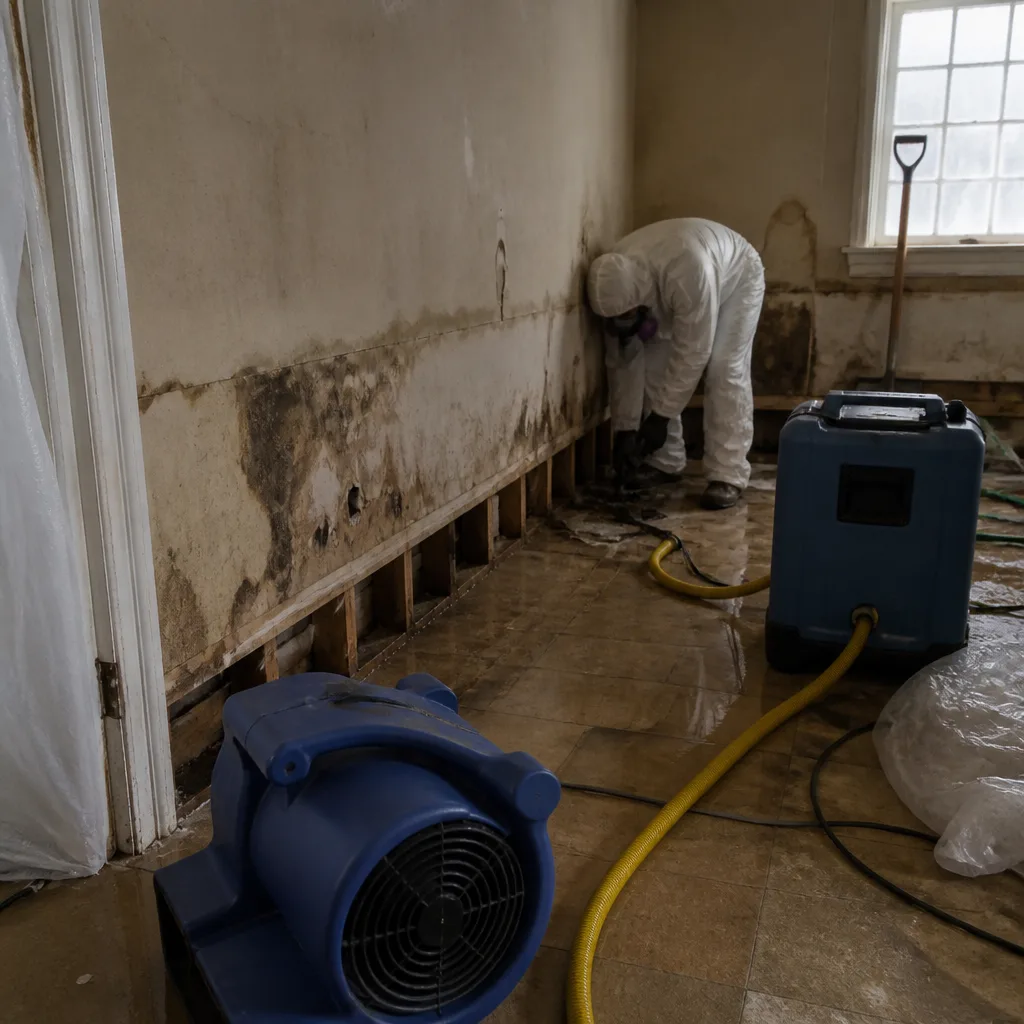 Before
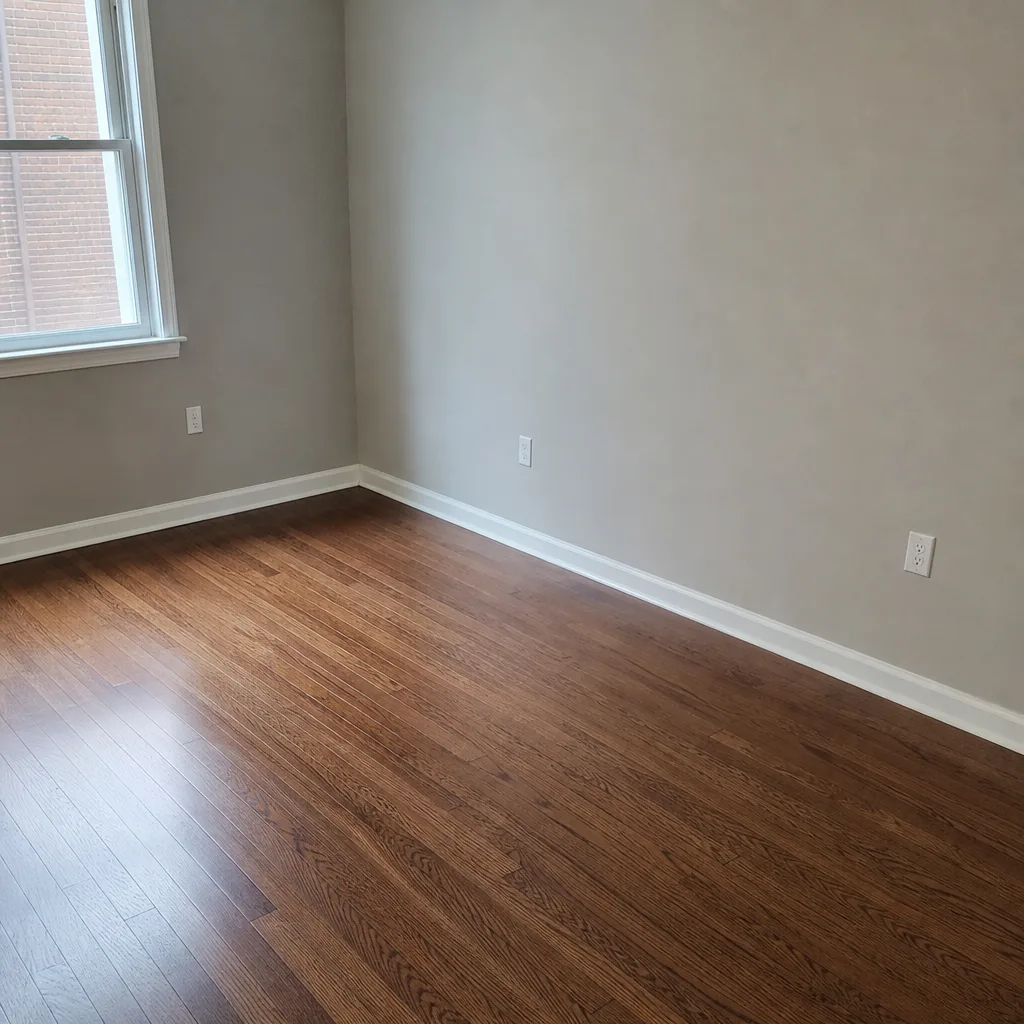 After
After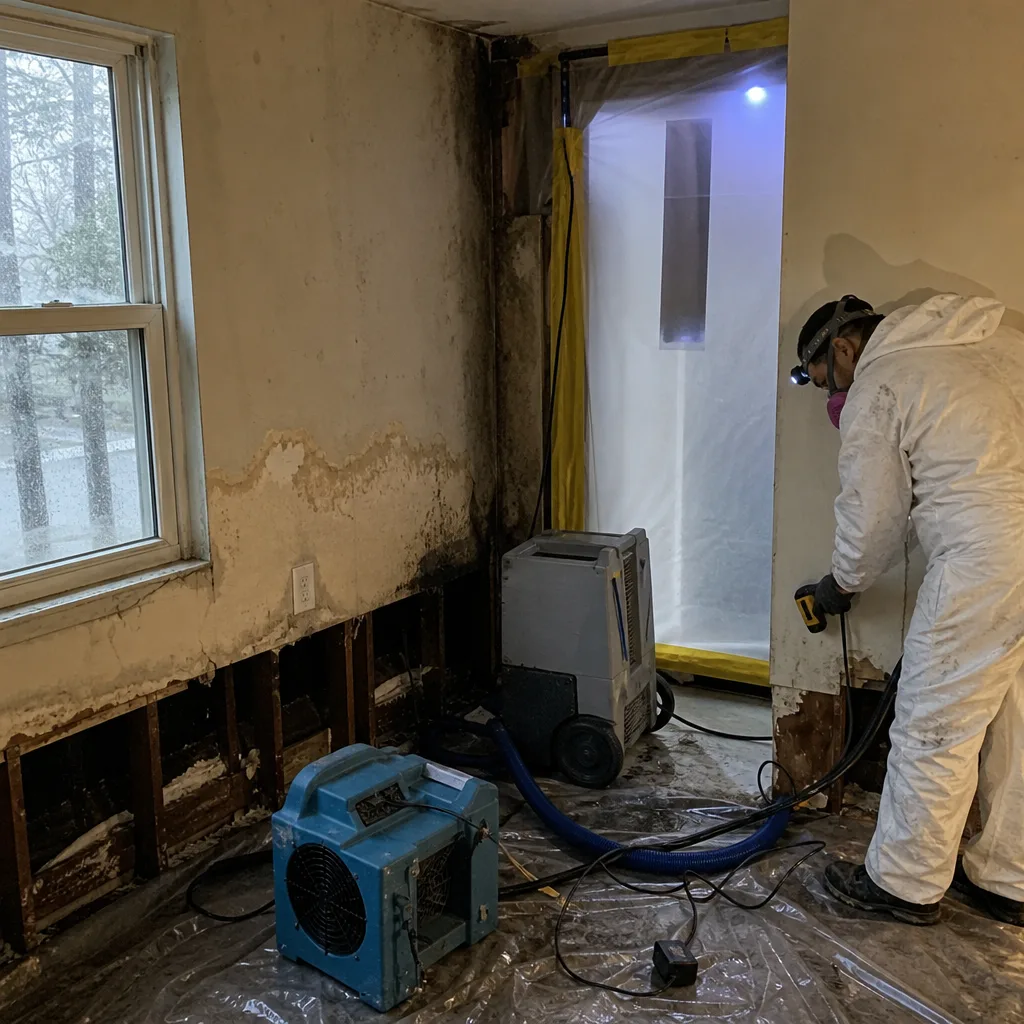 Before
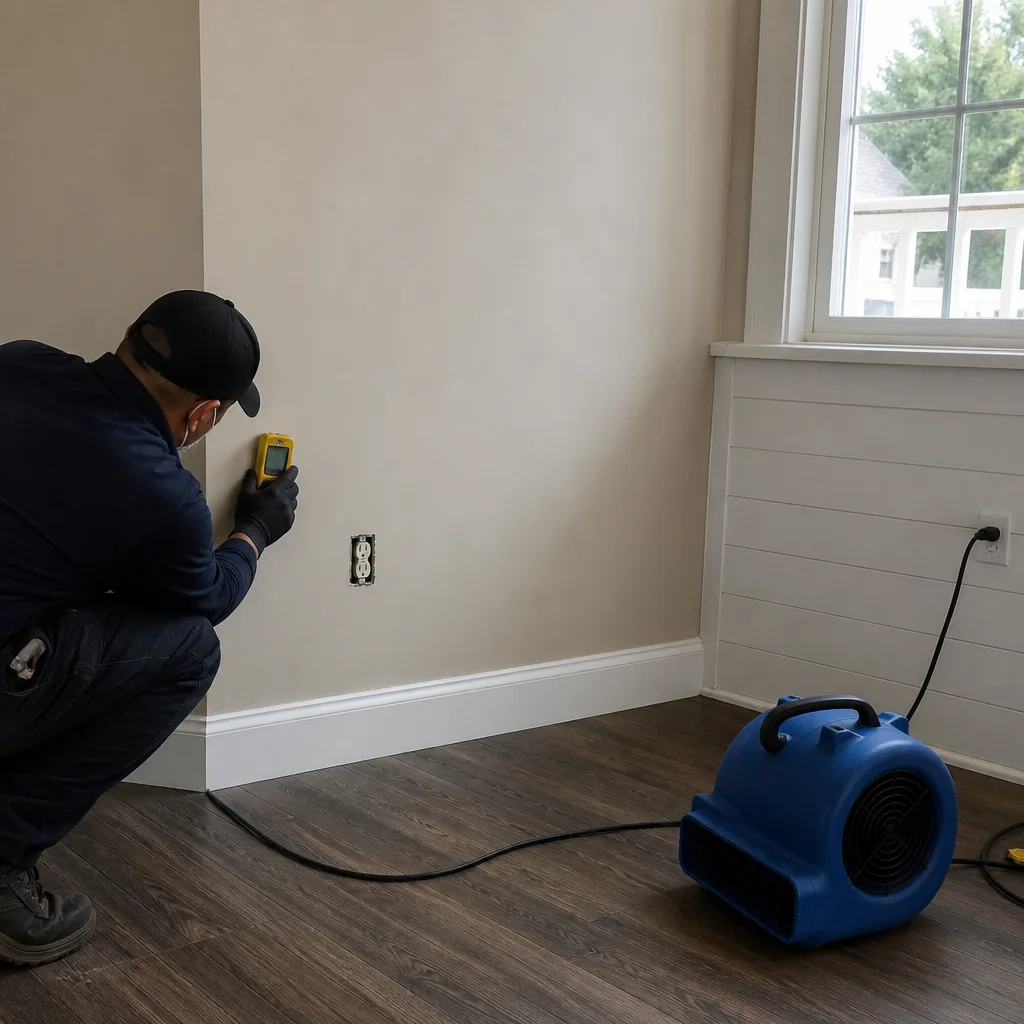 After
After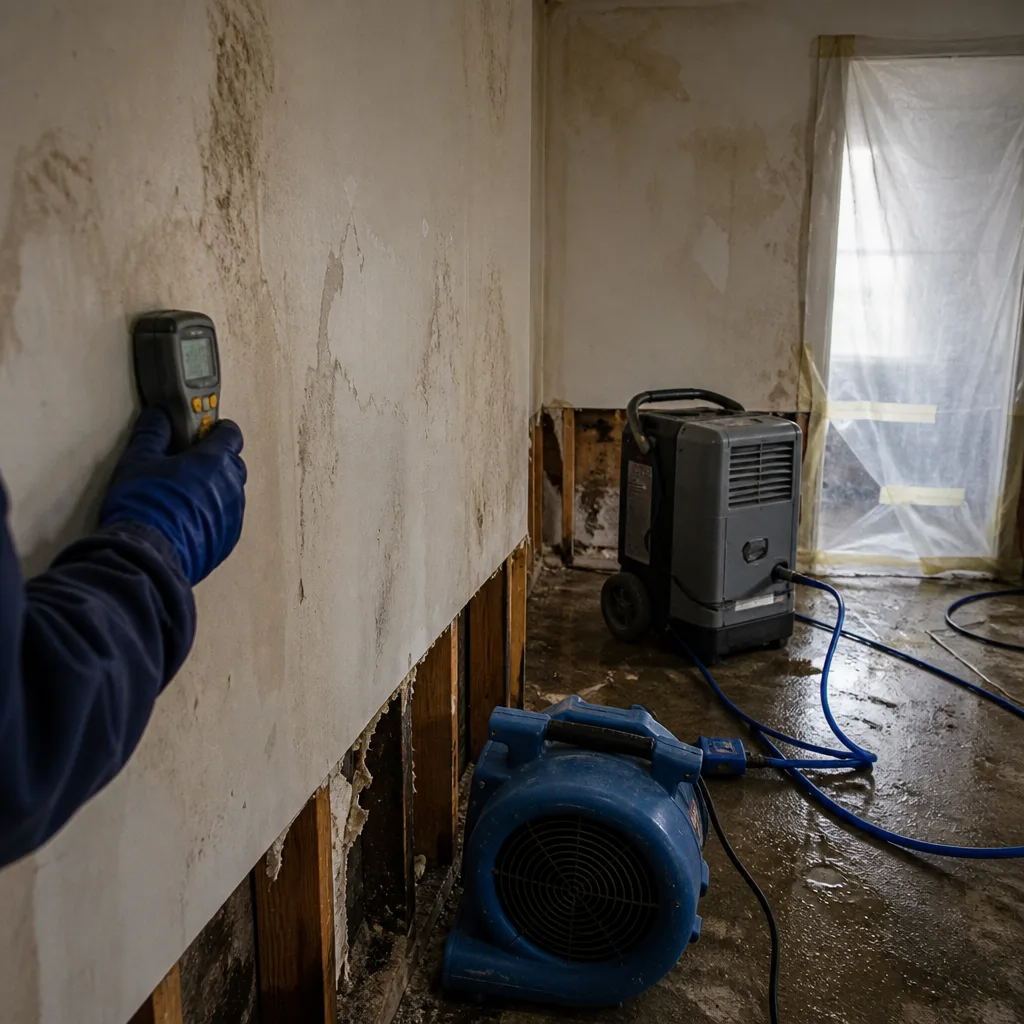 Before
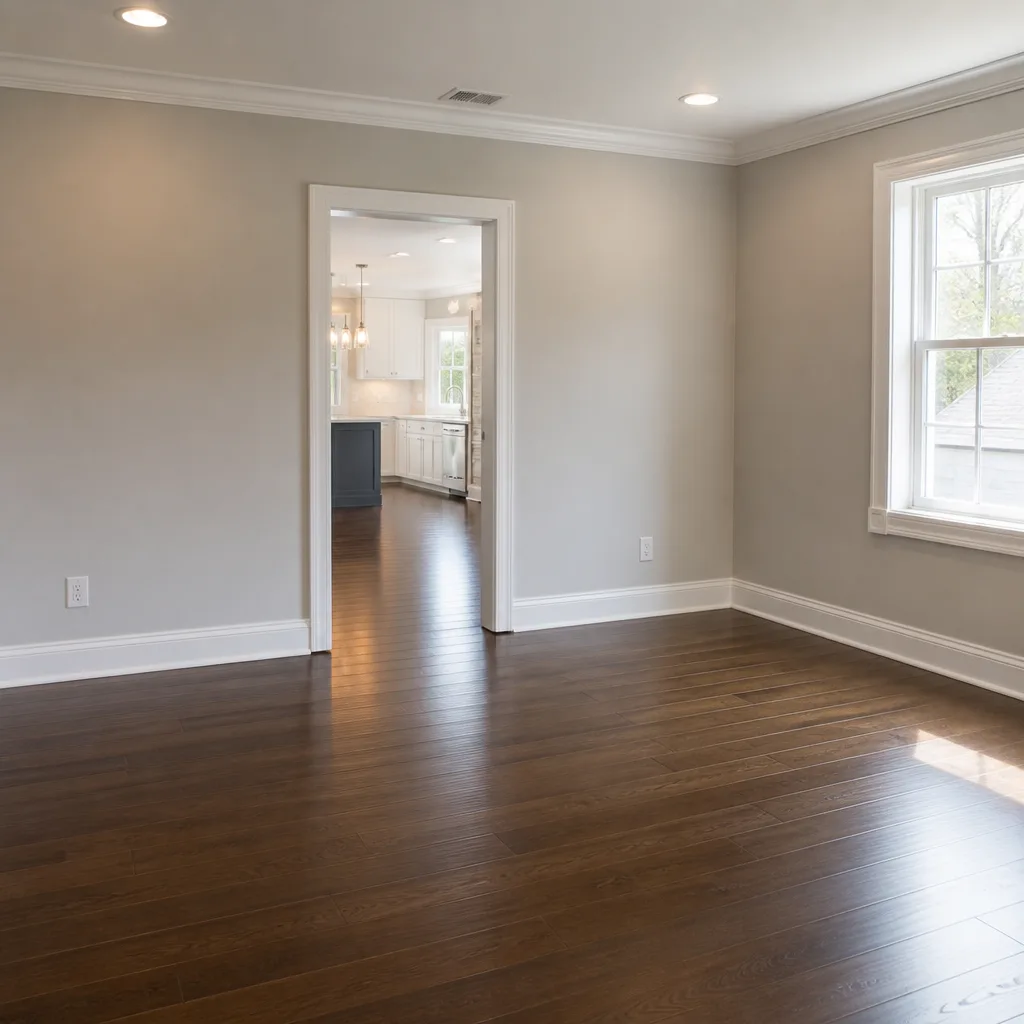 After
After24/7 Emergency Mold Remediation in Lyndhurst
Mold Remediation in Lyndhurst typically costs $1,800 to $6,500 for a finished basement and can often begin within hours, not days. A live dispatcher answers at (201) 762-0667 around the clock, every day of the year, and a certified crew can be on site in Lyndhurst within 45 minutes. The first hour matters because mold spreads through porous materials like drywall and carpet pad within 24 to 48 hours of a water event, and Lyndhurst’s high water table means that clock starts even when there’s no visible standing water. We start with a free visual inspection, walk you through a written scope, and get containment running before the colony expands.
Understanding Mold Remediation Severity in Lyndhurst Properties
Mold severity follows water classification, and Lyndhurst’s older housing stock makes this distinction urgent. Category 1 water is clean supply line water; Category 2 carries some contamination, like a washing machine overflow; Category 3 is grossly contaminated and comes from the Passaic River, sewage backflow, or the Meadowlands’ brackish groundwater. Most Lyndhurst basements we enter fall into Category 2 or 3 because the water moves through a century of cast-iron drain lines and original poured-concrete or block foundations. Once the water classification is established, we set HEPA-filtered negative air containment and run air scrubbers before any demolition begins. Clearance testing at the end is not optional in our scope, and in Lyndhurst we typically perform post-remediation verification air sampling because the failure mode here is not just wall mold. It’s moisture wicking up from the water table into organic finishes on the original foundation walls. Severity also tracks with how long the water was present. A basement that took on river water during a nor’easter and sat for 72 hours is a fundamentally different remediation than a slow seep under a 1950s slab. We treat them differently.
Why Lyndhurst Property Owners Choose Floodline Restoration Co.
- 45-minute response commitment. Crews stage from the metro area and know the Lyndhurst street grid, from Riverside Avenue to Valley Brook, so we don’t lose time navigating.
- Live answer, 24/7. A person, not an automated tree, picks up at 2 a.m. That person can dispatch a crew. We answer the phone the old way.
- IICRC-certified crews trained to WRT, FSRT, and AMRT standards. Background-checked, uniformed, and carrying the same moisture meters and thermal imaging cameras on every visit.
- Free visual inspection with a written scope. You’ll know what we found, what we recommend, and what it costs before work starts. No surprises on the bill.
- Direct insurance billing. We document the loss from the first hour, send the adjuster line-item estimates, and handle the carrier conversation. You don’t play messenger.
- One team from extraction to reconstruction. The same Mold Remediation crew that reads the moisture map on day one handles daily readings and the rebuild. No mid-job handoff.
Our Mold Remediation Process
Inspection & Assessment
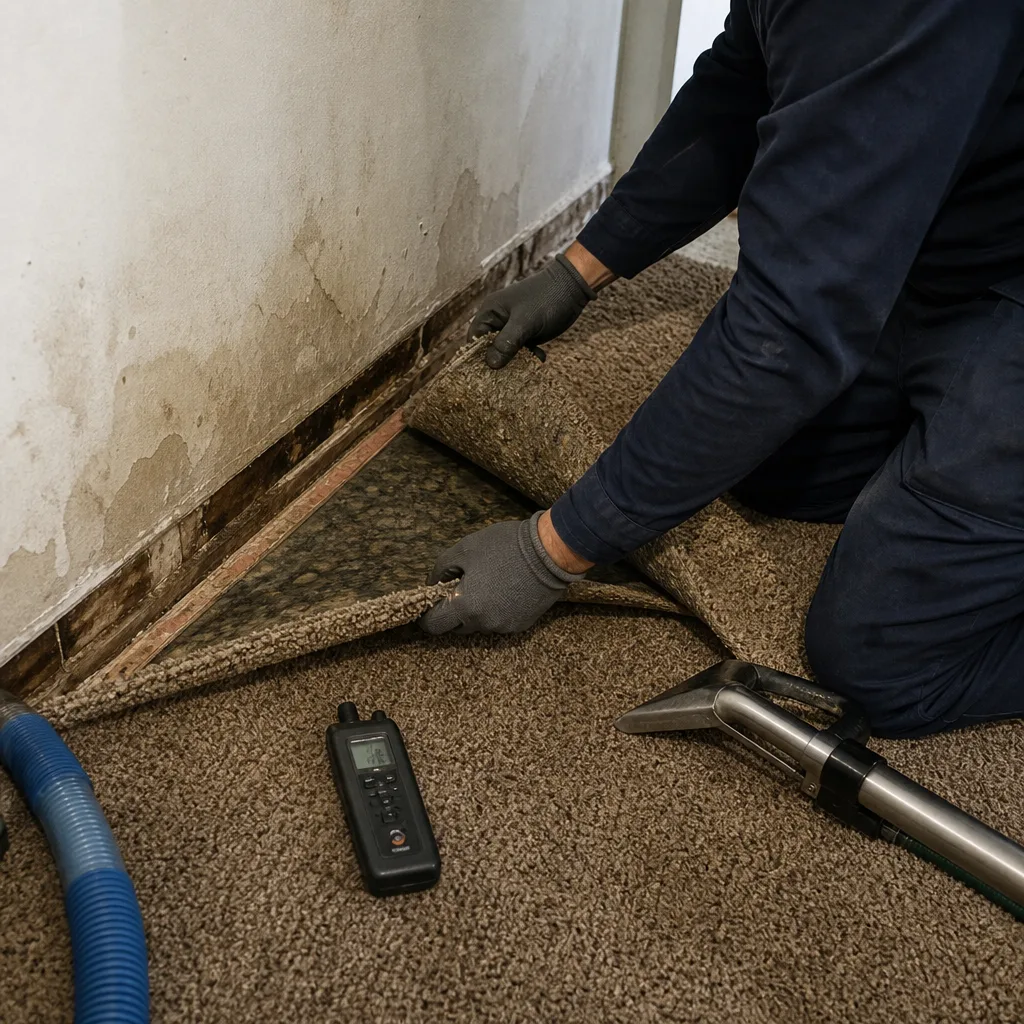
We start with thermal imaging and moisture meters across walls, floors, and the foundation sill. In Lyndhurst we pay particular attention to the original block or poured-concrete walls where hydrostatic pressure pushes groundwater inside. The inspection produces a documented baseline that separates current mold from any pre-existing flood scarring.
Extraction & Stabilization
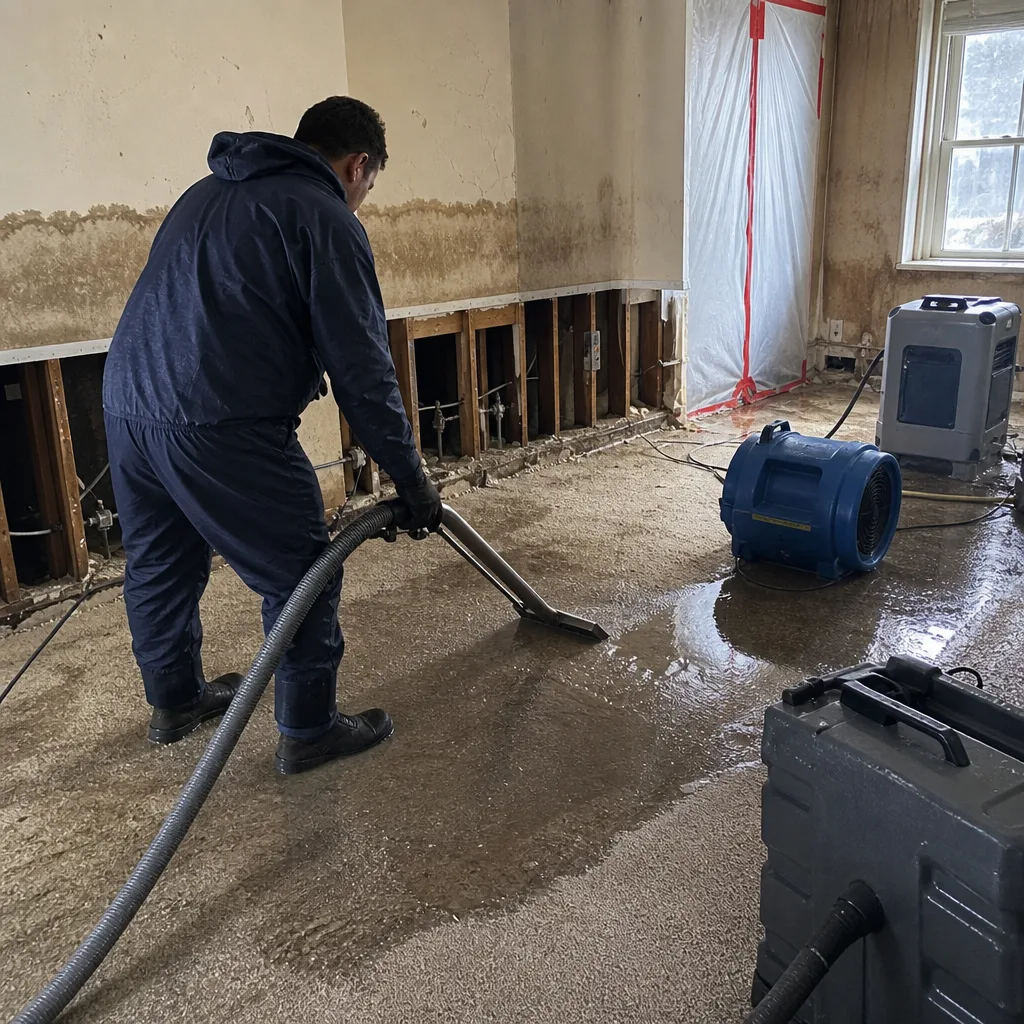
Standing water comes out first with professional-grade extraction equipment. We stabilize the environment by removing saturated drywall, carpet, pad, and any organic finishes already colonized. The goal is to halt spread before containment is set.
Containment & Air Filtration
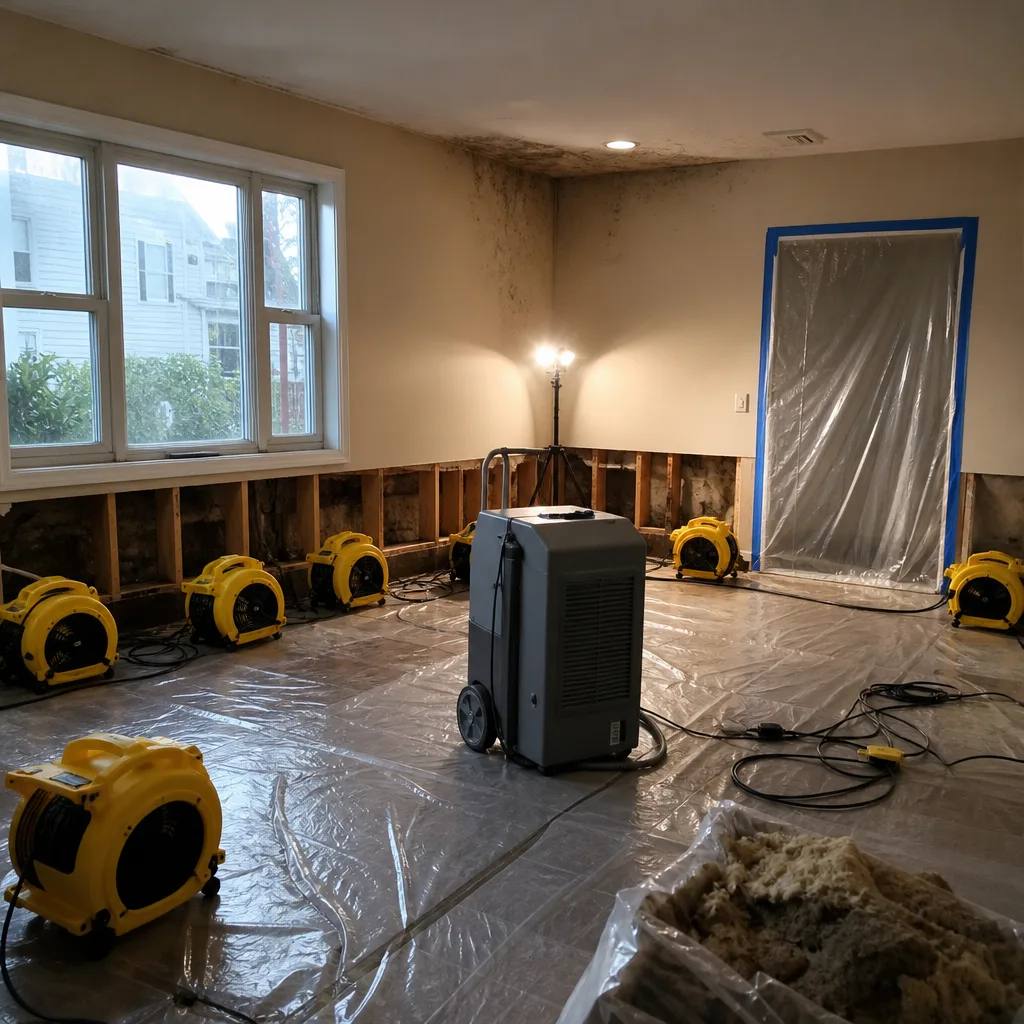
We seal the work area with 6-mil polyethylene and run HEPA-filtered negative air machines. XPOWER air scrubbers run continuously. This prevents cross-contamination to the rest of the home, which matters in Lyndhurst’s two-family houses where one basement often serves separate units.
Drying & Dehumidification
Dri-Eaz dehumidifiers and XPOWER air movers are placed according to a moisture map, not guesswork. We take daily readings, log them, and provide the log to you and your carrier. In Lyndhurst’s high-water-table conditions, drying often takes longer than the national average because the slab and foundation walls continue to wick moisture after the visible water is gone.
Cleaning, Removal & Antimicrobial Treatment
Colonized materials are physically removed, not coated over. Remaining structural surfaces receive antimicrobial treatment appropriate to the water classification. For Category 2 or 3 water, that means broad-spectrum antimicrobial and fungistatic application before any rebuild begins.
Repairs & Restoration
We rebuild to pre-loss condition: drywall, insulation, baseboards, paint, flooring. If the foundation needs waterproofing or a sump system upgrade to address recurring groundwater intrusion, we scope that in the same written plan. The job ends with a moisture log and our 90-Day Done Right Promise in your hands.
Need Emergency Mold Remediation in Lyndhurst Now?
Crews minutes away, answering live 24 hours a day. The sooner we start, the less it costs.
Working With Your Insurance Company
Mold claims are scrutinized harder than any other restoration claim because mold after repeated flooding is common in Lyndhurst. Our documentation process starts in the first hour. We photograph every affected room before demolition, log moisture readings daily, and write a line-item scope that separates water damage from pre-existing mold scarring. The adjuster doesn’t get a vague “mold treatment” line. They get a room-by-room account of what was wet, how wet, and what came out. We coordinate directly with your carrier and bill them directly when coverage applies. For Lyndhurst properties with a history of repetitive flood loss, the pre-remediation baseline matters more than anywhere else in Bergen County. Without it, carriers routinely deny mold coverage by attributing current growth to past flooding. We remove that ambiguity.
What We Provide Your Insurer
- Thorough documentation of the loss
- Photos of all damage, room by room
- Moisture readings and drying logs
- A detailed, line-item scope of work
- Direct coordination with your carrier
Built for Lyndhurst’s Loss Calendar
Lyndhurst has no single mold season. The township sits between the Passaic River on its west side and the low-lying Meadowlands to the east, so the water table stays high year round. Spring snowmelt pushes groundwater through foundation walls in March and April. Summer thunderstorms saturate the Meadowlands and send Category 2 water into basements near the eastern edge of town. Fall nor’easters and tropical remnants raise the Passaic and flood riverside blocks. Winter deep freezes burst supply lines in 1920s and 1930s homes where original copper still runs through uninsulated crawl spaces and exterior walls. The common thread is that moisture enters through the same foundation paths every time. A mold job that only treats the drywall and ignores the water table means we’ll be back after the next weather event. Lyndhurst homeowners who have lived here twenty years know this pattern. We build the remediation to match it, with drying targets set against a chronically wet foundation rather than a single storm.
Mold Remediation Across Lyndhurst’s Neighborhoods
The neighborhoods closest to the Passaic River, particularly along Riverside Avenue and the streets running down toward the water, are where we see repetitive flood claims. These homes are disproportionately 1930s and 1940s Cape Cods and colonials with original block foundations and a construction style that never anticipated forty years of repeated river intrusion. The mold there often hides behind wood paneling and under stairwells where flood water pooled and never fully dried. Over near the Meadowlands side, east of Valley Brook Road, groundwater intrusion is the silent driver. Homes with no history of surface flooding still develop basement mold because the water table pushes up through the slab and wicks into the bottom plates of finished walls. The Kingsland and Lyndhurst border areas with North Arlington include some of the older two-family stock with shared basement walls, where containment across units requires careful air sealing. In the commercial corridor near Ridge Road and the NJ Transit rail line, we also handle smaller commercial mold remediations where roof leaks and poor ventilation above suspended ceilings create recurring colonies. Each area has a different moisture signature, and we treat them accordingly.
Specialized Mold Remediation Services We Offer in Lyndhurst
Mold Inspection & Testing
A proper inspection in Lyndhurst starts with finding the water source, not just the visible mold. We use thermal imaging and moisture meters across foundation walls, window wells, sill plates, and the underside of finished basement drywall. Air sampling is available when you need documented evidence for a real estate transaction or an insurance dispute. The inspection report is written so a homeowner can hand it to an adjuster and not get lost in jargon.
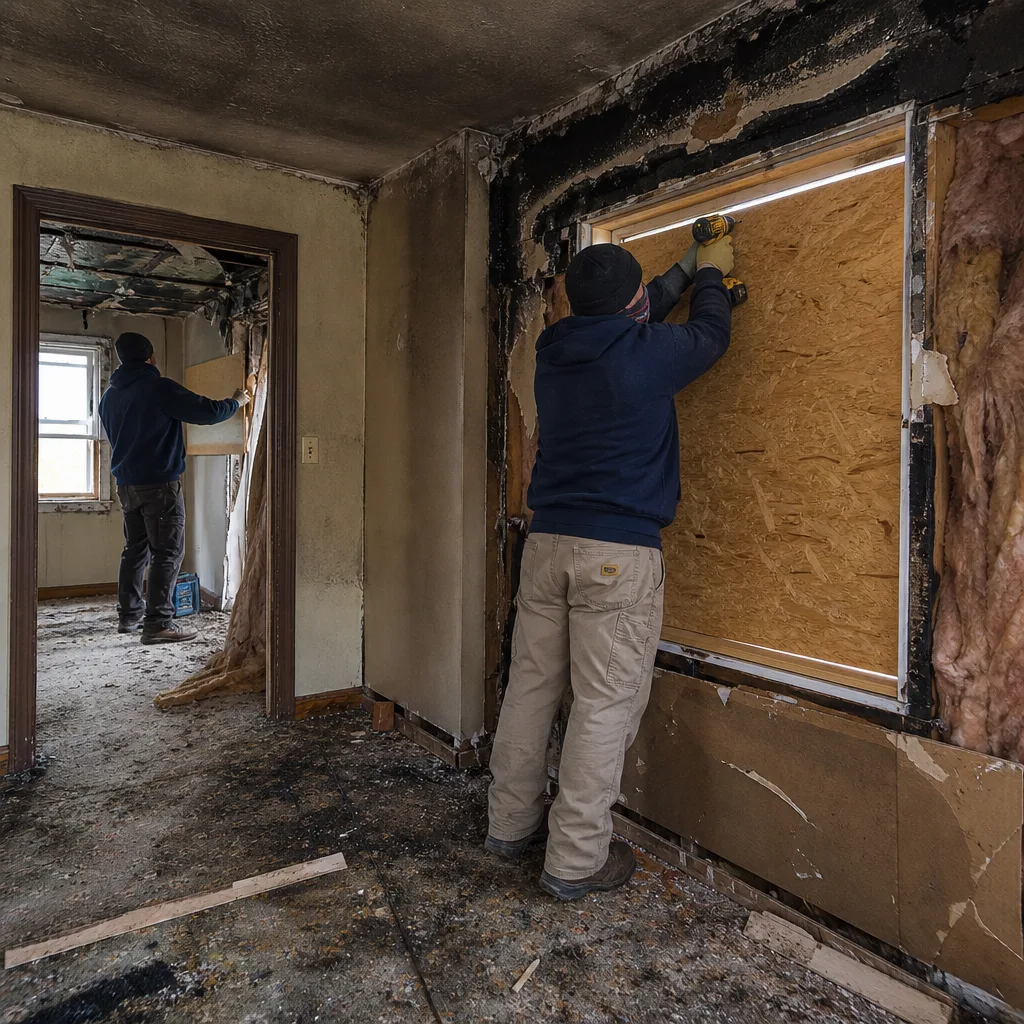
Mold Removal
Physical removal is the only legitimate mold remediation. We remove colonized drywall, insulation, carpet pad, wood paneling, and any finish that has absorbed moisture. In Lyndhurst’s older basements, that often means taking walls down to the original concrete or block and treating the masonry itself. We do not fog. We do not paint over mold.
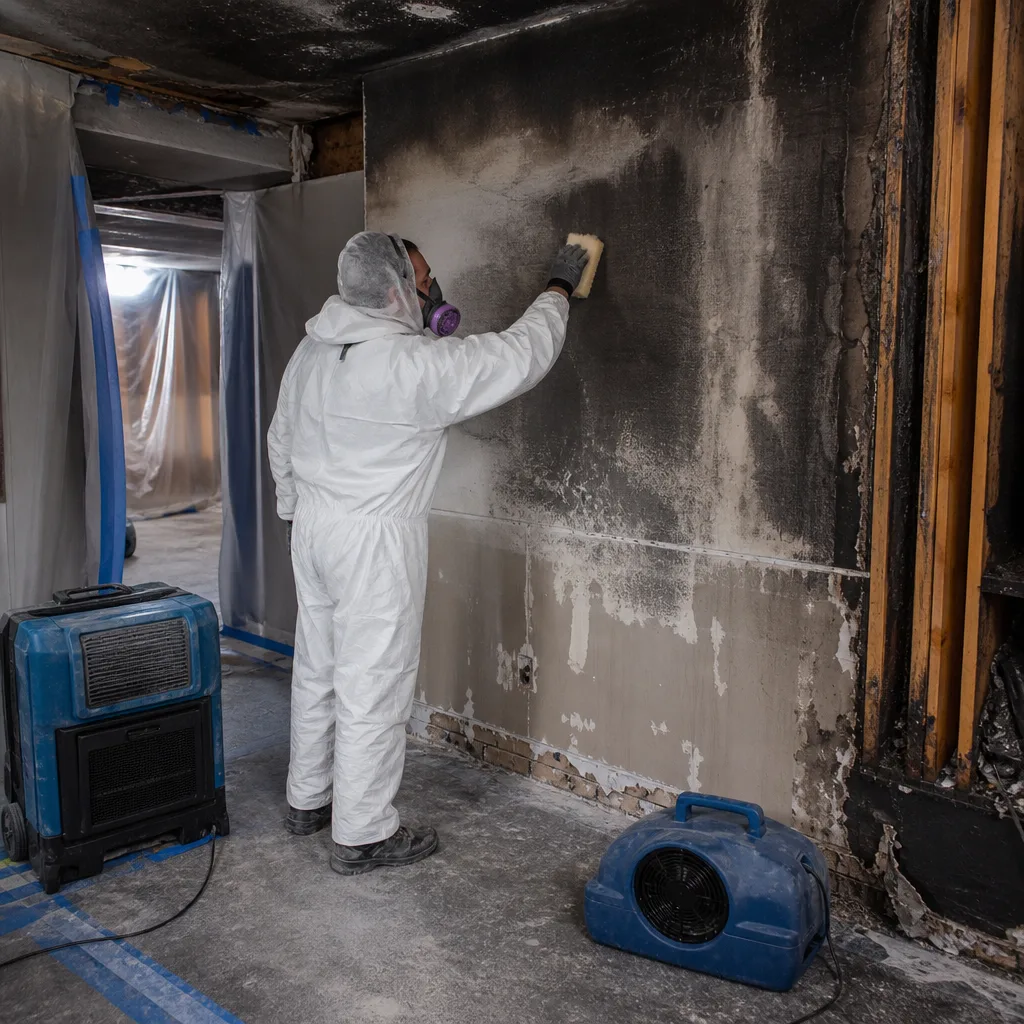
Black Mold Remediation
The term “black mold” gets thrown around more than it deserves, but Stachybotrys chartarum is real and appears in Lyndhurst after prolonged Category 2 or 3 water exposure, especially behind original wood paneling and under vinyl flooring. Containment is mandatory. We run negative air with HEPA filtration, remove affected materials, treat remaining surfaces, and verify with clearance sampling. No shortcuts.
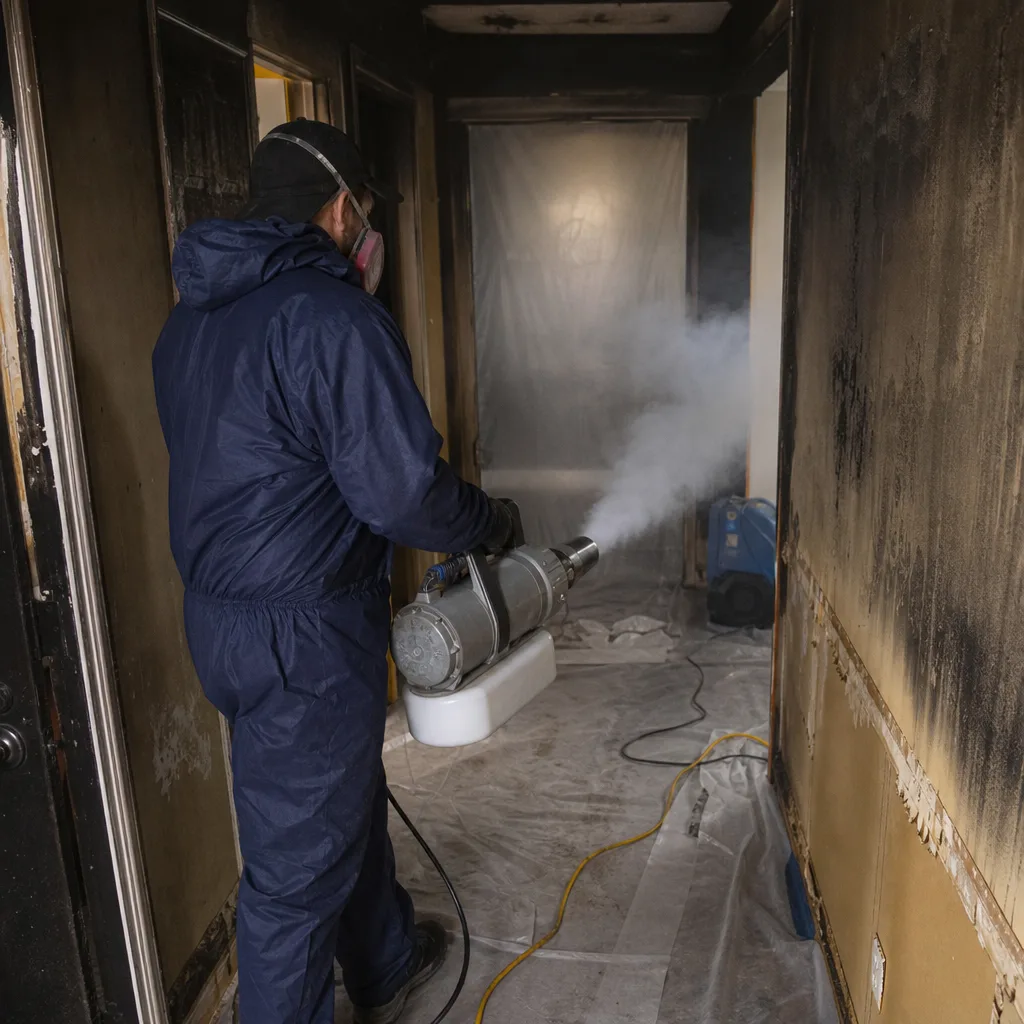
Air Quality Restoration
After a mold remediation or a flood that left hidden moisture, airborne spore counts climb. We run HEPA air scrubbers during the job and assess the need for whole-home air exchange afterward. For Lyndhurst homes with finished basements used as bedrooms or family rooms, post-remediation air quality matters just as much as the visual result.
Crawl Space Treatment
Many Lyndhurst bungalows and Capes have crawl spaces that were never encapsulated. High groundwater wets the dirt floor, humidity rises, and mold colonizes the floor joists above. We install vapor barriers, manage moisture with dehumidification where needed, and treat existing framing mold. This is prevention and remediation in one scope.
Moisture & Humidity Control
In Lyndhurst, the water table is not a seasonal visitor. It’s a permanent condition. We assess basement humidity, drainage patterns, gutter discharge, and grading. Then we recommend and install the right solution: sump pumps, vapor barriers, dehumidifiers, or interior French drains. The goal is to change the environment so mold cannot come back.
What happens when you call
- 1
A real person answersNo phone trees - you reach a local pro.
- 2
You get an upfront price rangeHonest numbers before anyone is dispatched.
- 3
A background-checked tech heads outLicensed & insured, dispatched right away.
- 4
You approve before work beginsNothing starts until you say go.
Mold Remediation Costs in Lyndhurst, NJ
Mold inspection and air sampling in Lyndhurst runs $350 to $700 for a typical basement. Crawl space treatment runs $1,500 to $5,000 depending on square footage and whether encapsulation is included. Basement mold removal with containment and drying typically lands between $1,800 and $6,500. Full finished-basement remediation with demolition, antimicrobial treatment, drying logs, and rebuild runs $7,000 to $18,000. What moves the price is square footage, the water classification, how long the moisture was present, and whether the foundation requires waterproofing work in addition to mold removal. Insurance covers a portion of many Lyndhurst mold claims when the mold results from a covered water loss, but coverage hinges on documentation. We photograph everything before demolition begins. Seniors and veterans always receive a 5% discount, and there’s a $50 credit on any repair over $250. The free visual inspection leads to a written scope with a firm price before work starts. Call (201) 762-0667 for an exact quote.
We Also Serve Cities Near Lyndhurst
Our crews regularly work in Lyndhurst and the surrounding Bergen County communities: North Arlington, Rutherford, East Rutherford, and Carlstadt. If your basement is wet, our dispatcher can tell you in one call whether we can be there today. No runaround.
Serving Lyndhurst, NJ - Our Local Coverage Area
We’re based in the Lyndhurst area and know this community well. Use the map below to see our service coverage - if you’re nearby, we can almost certainly help.
Lyndhurst Mold Remediation Questions, Answered
How does Lyndhurst’s high water table make mold remediation different from other Bergen County towns?
Lyndhurst sits between the Passaic River and the Meadowlands, which keeps the water table elevated enough that groundwater can enter through foundation walls without any surface flooding. That means mold remediation here has to address moisture wicking up through the original block or poured-concrete foundation, not just visible wall mold. If we dry the finished surfaces but leave the foundation path unresolved, the mold returns within months. We scope waterproofing and drainage as part of the remediation when the moisture map shows hydrostatic pressure driving the intrusion.
What does the 50% substantial-improvement rule mean for mold remediation in Lyndhurst?
In FEMA-designated flood zones, including most of Lyndhurst’s western edge near the Passaic, repairs that exceed 50% of a structure’s pre-damage market value trigger a requirement to bring the entire structure up to current floodplain codes. This means a large mold remediation on a repetitive-loss property can become a code-compliance rebuild, not a simple drywall replacement. We document pre-loss condition carefully and advise homeowners on where the 50% threshold sits before work begins. This protects you from a mid-job surprise and keeps the claim scope consistent with what the code requires.
How do you handle multiple overlapping insurance claims on Lyndhurst homes with repetitive flood damage?
We separate current damage from pre-existing flood scarring using dated photographs, moisture logs, and thermal imaging from the first inspection. The baseline matters because carriers routinely deny mold coverage by attributing the growth to a previous flood. With our documentation, the adjuster sees exactly what was dry before this event, what got wet during it, and what the remediation scope covered. We coordinate directly with the carrier and provide the pre-loss baseline in the claim packet.
Can mold be fully removed from an original 1920s-1950s Lyndhurst basement with the original concrete foundation?
Yes. The mold on the foundation is removed by physically removing affected finishes and treating the masonry with antimicrobial products. But “fully removed” only lasts if the water path is closed. Original foundations from that era were not waterproofed, so groundwater moves through them. We address the water entry after remediation: interior drainage, sump installation, vapor barriers, or exterior excavation where the lot allows. The mold goes away and stays away when the foundation stops feeding it moisture.
How fast can you actually get to a mold emergency in Lyndhurst?
Within 45 minutes in most cases. Our crews stage from the metro area and know Lyndhurst’s neighborhoods without GPS. If mold is active and spreading, we can set containment the same visit and begin drying immediately. Call (201) 762-0667, a live person answers, and we’ll tell you on the call when a truck rolls.
Will insurance cover mold remediation after a Lyndhurst flood?
It depends on the cause of the water and whether you have mold coverage or a separate flood policy. Standard homeowners policies cover mold remediation when it results from a covered water loss, like a burst supply line. Flood damage requires a National Flood Insurance Program policy or private flood coverage. In either case, the claim hinges on documentation. We photograph the pre-loss condition, log every moisture reading, and send the adjuster a line-item scope. That removes the ambiguity that gets claims denied.
What should Lyndhurst homeowners expect during a mold remediation containment setup in a finished basement?
We seal the affected area with 6-mil polyethylene, run negative air machines through HEPA filtration to a window or exterior vent, and post the work zone. The rest of the house stays accessible. In Lyndhurst’s two-family homes, we seal shared basement walls and stairwells carefully so spores don’t migrate between units. The setup takes a few hours. Once containment is running, the work area is under negative pressure and the rest of the house breathes cleaner air.
Do we really need full mold remediation or just a cleaning in Lyndhurst?
That depends entirely on where the mold is and how much surface area is affected. Surface mold on a wall from a one-time leak can sometimes be cleaned with antimicrobial treatment and drying. Mold behind drywall, under carpet, or inside a foundation wall can’t. The only way to know is a visual inspection with a moisture meter. We’ll tell you if cleaning is enough. We don’t sell remediation when a simpler fix is honest. Call (201) 762-0667 for a free visual inspection.
On a riverside block near the Passaic in Lyndhurst, our crew remediated a 1940s Cape Cod basement where repeated flood claims had left hidden mold behind original wood paneling. We set containment, used moisture mapping to trace hydrostatic seepage through the block foundation, removed saturated drywall and paneling, and ran XPOWER air movers and Dri-Eaz dehumidifiers until structural drying logs met IICRC standards. The homeowner’s pre-loss condition was restored, and we documented everything for the next claim.
Floodline Restoration Co. handles mold remediation in Lyndhurst the way the town needs it: fast, documented, and built for a water table that never fully drops. We answer the phone when you call, we show up when we say, and we stand behind the work with the 90-Day Done Right Promise. If you see mold, smell it, or just know the basement has been wet too long, call (201) 762-0667. The estimate is free. The inspection is honest. The fix is done right.
Written by Curt Bowman, Owner at Floodline Restoration Co., serving Lyndhurst and Bergen County since 2010.