
Free visual inspection and a written scope of work before any mitigation begins - photos, moisture readings, and drying logs go in your claim file
The scope we write is the scope we bill. Anything new gets shown to you, in writing, before we touch it.
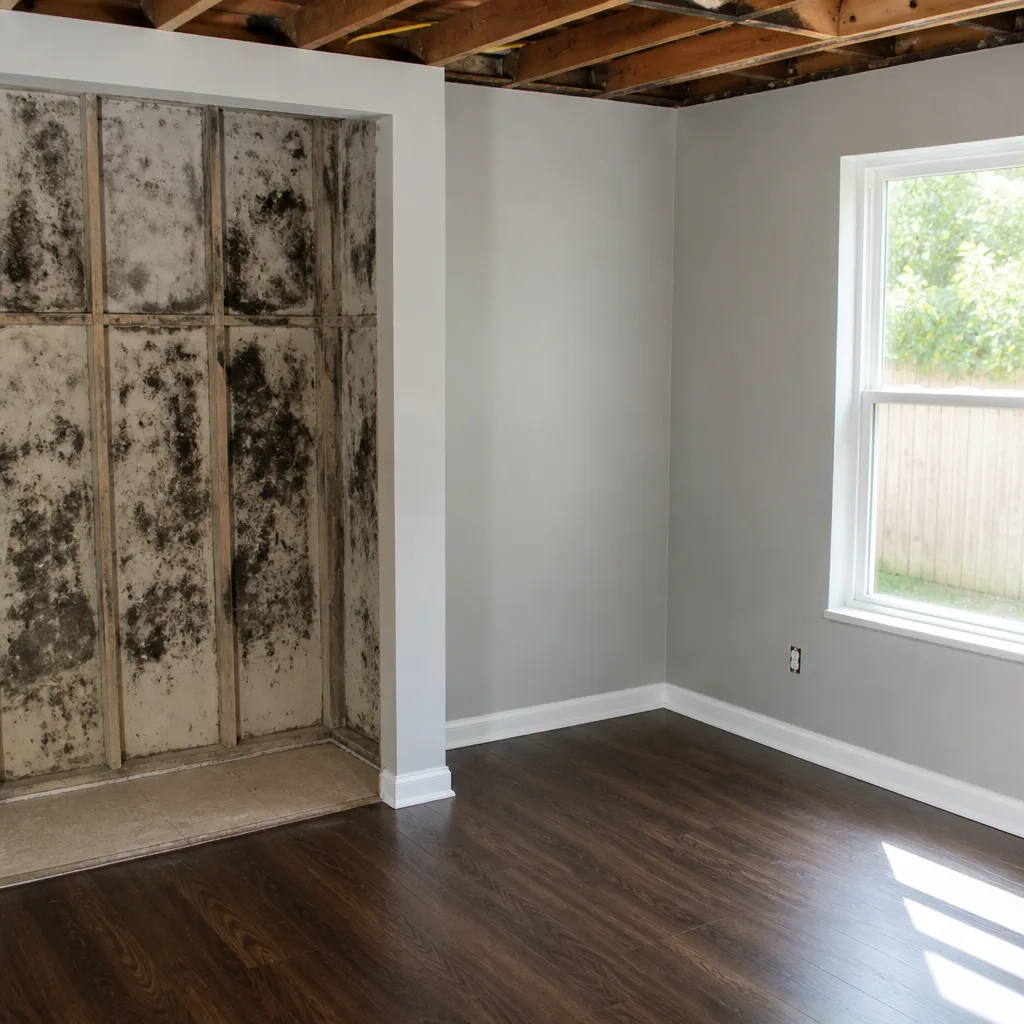
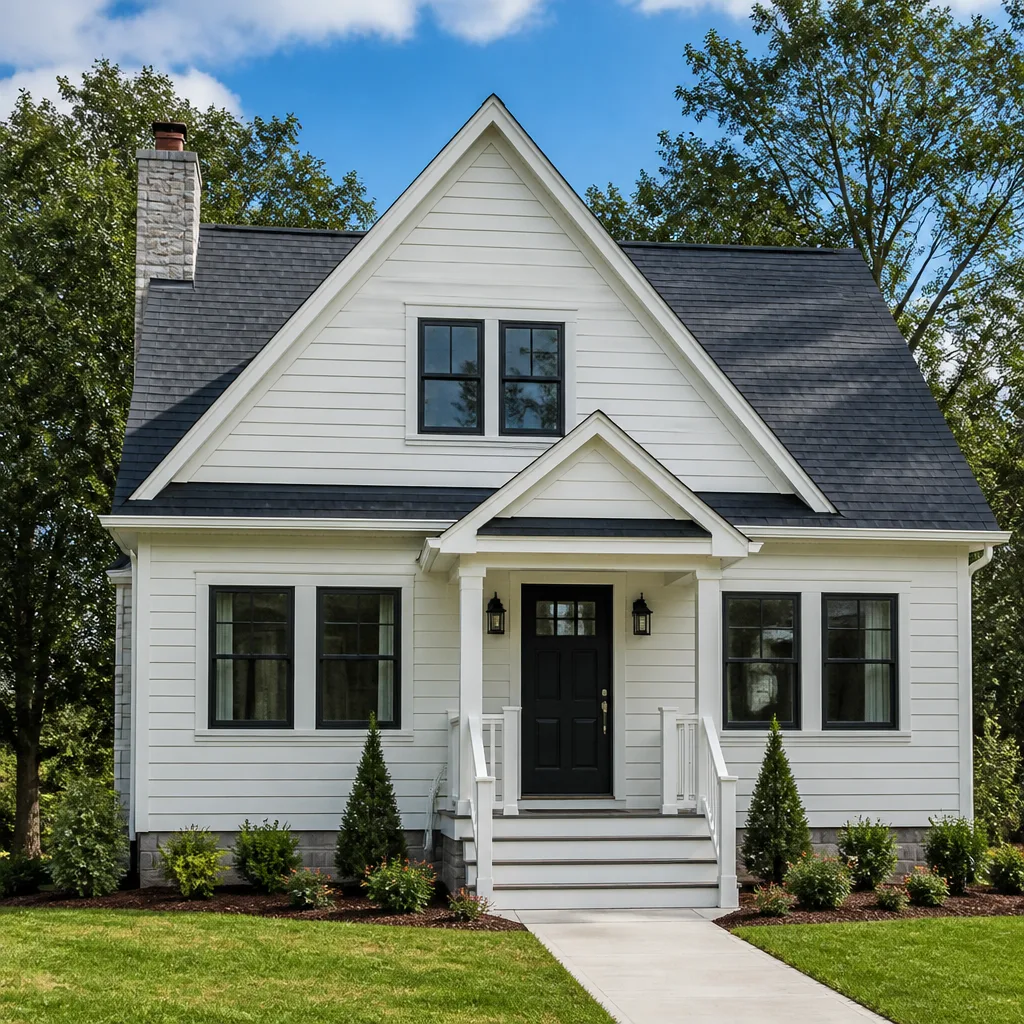
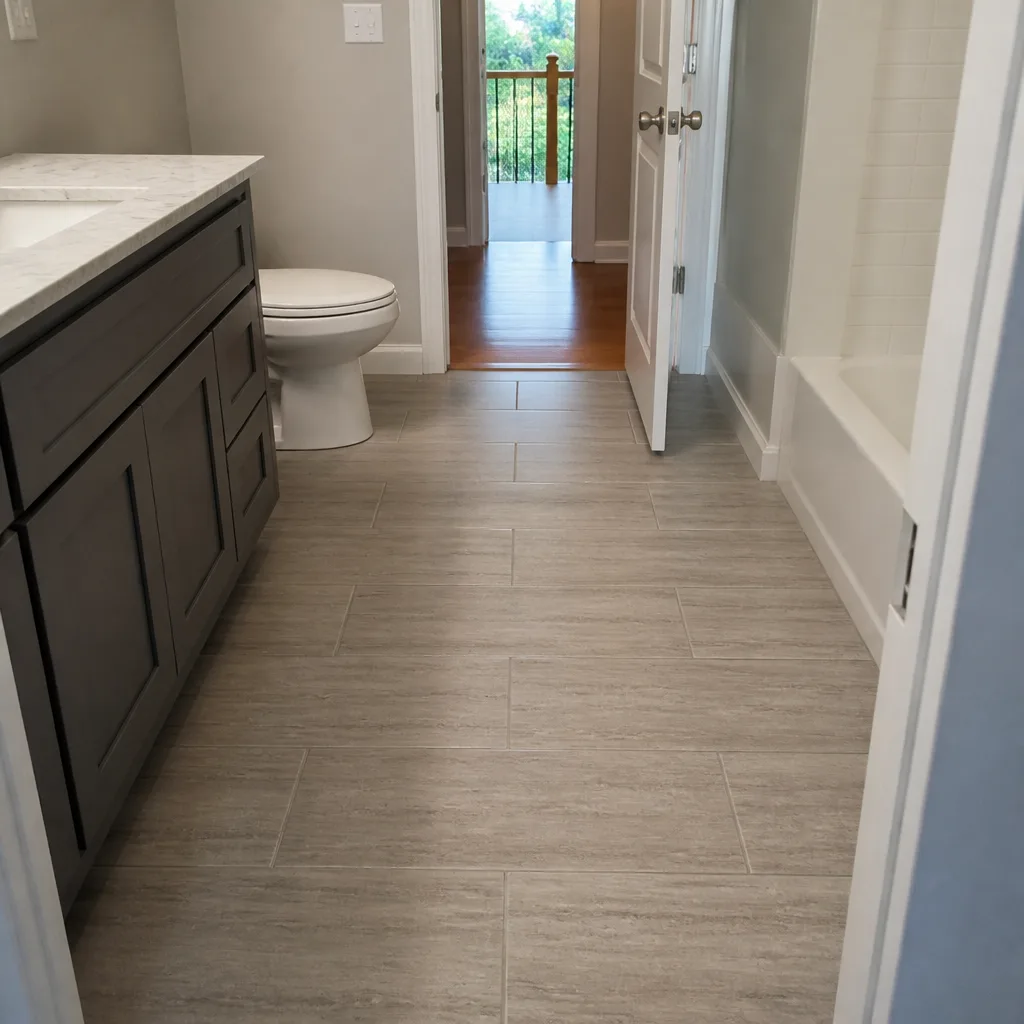
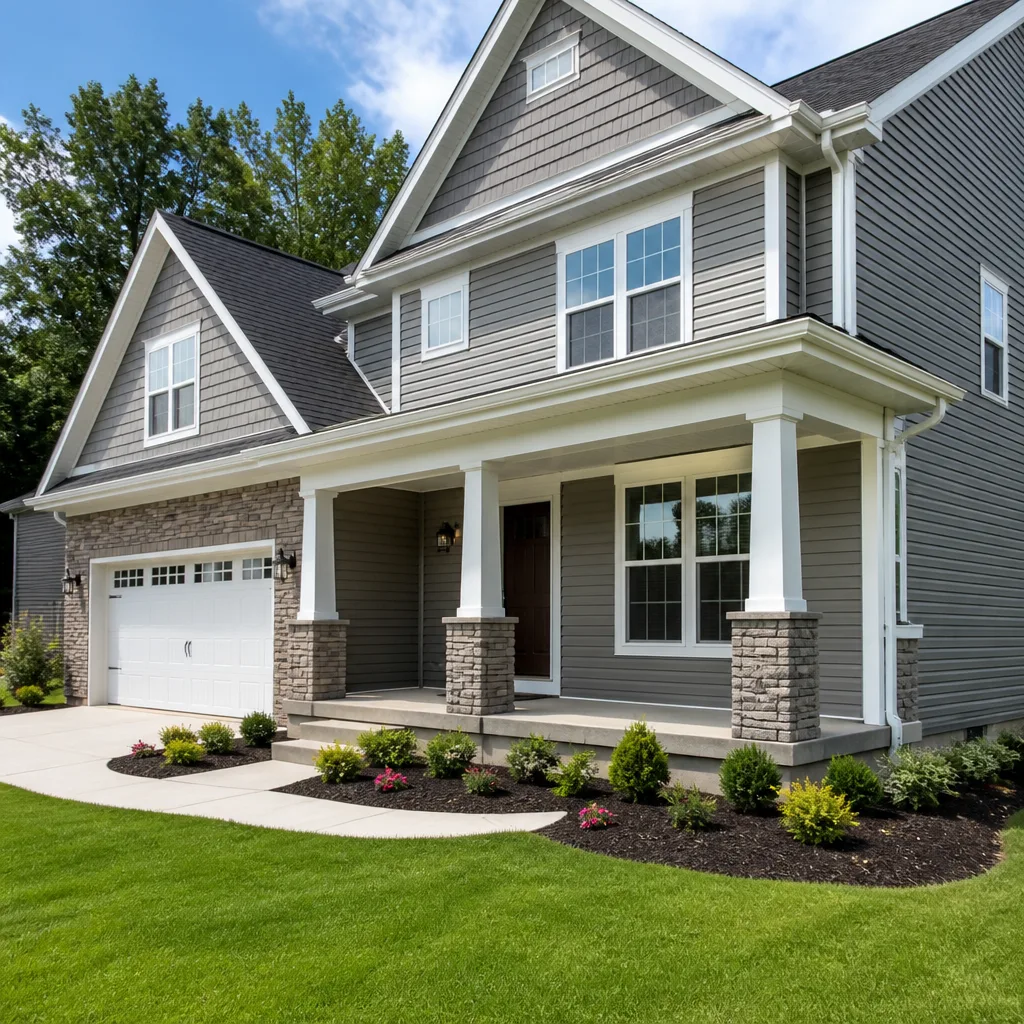
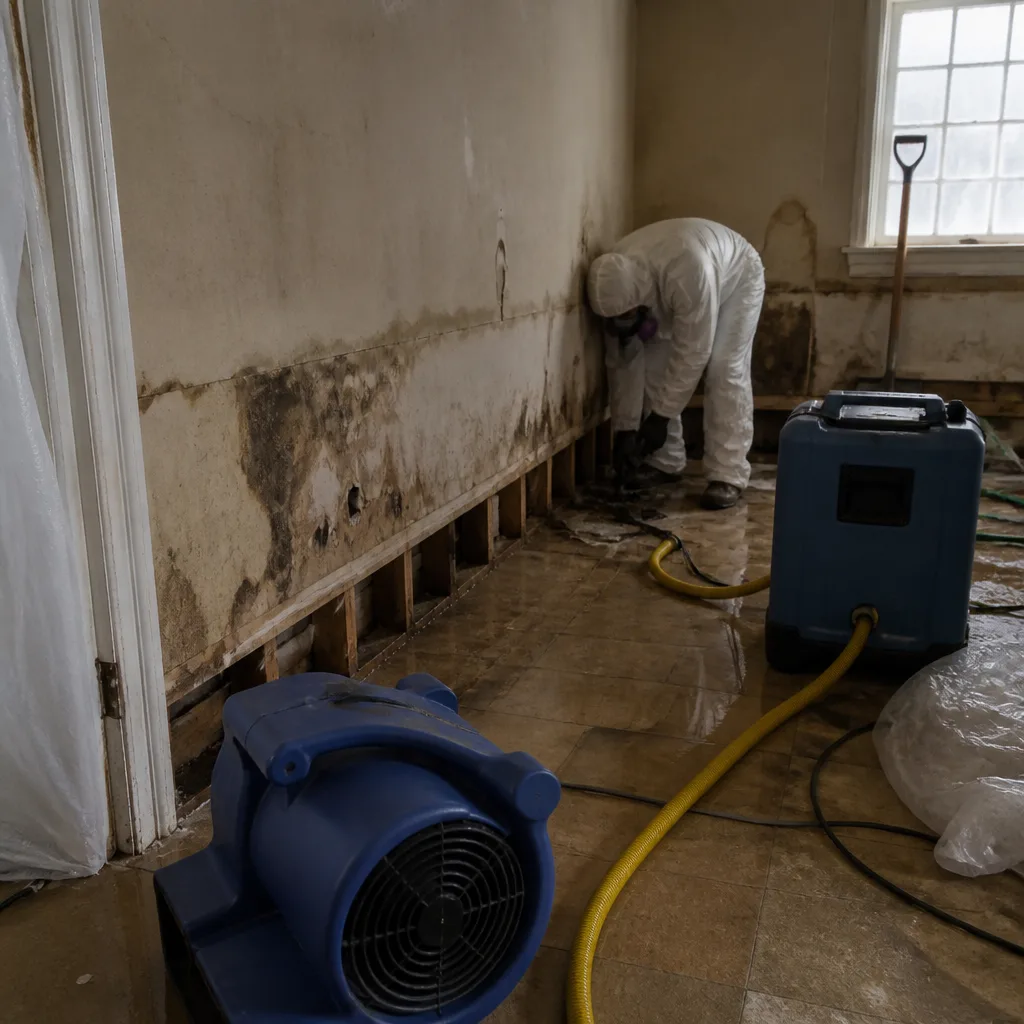 Before
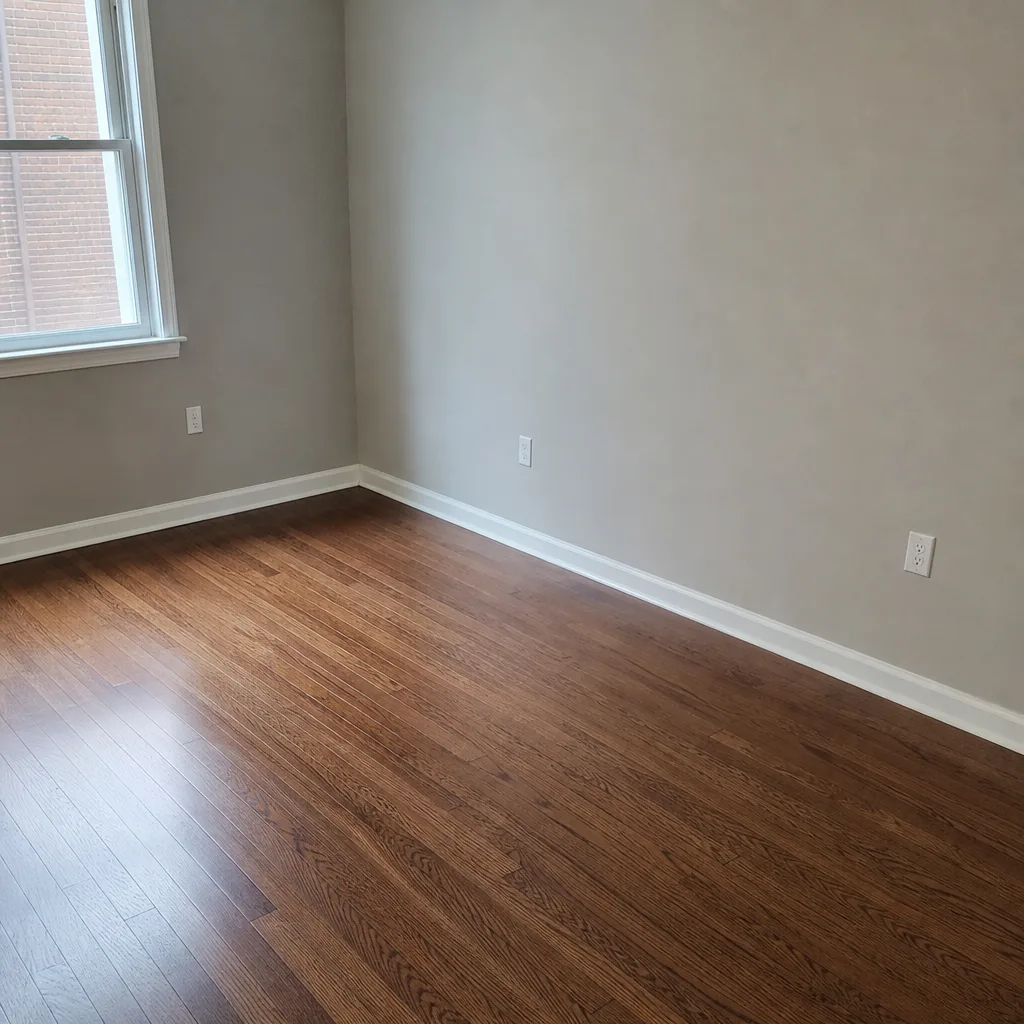 After
After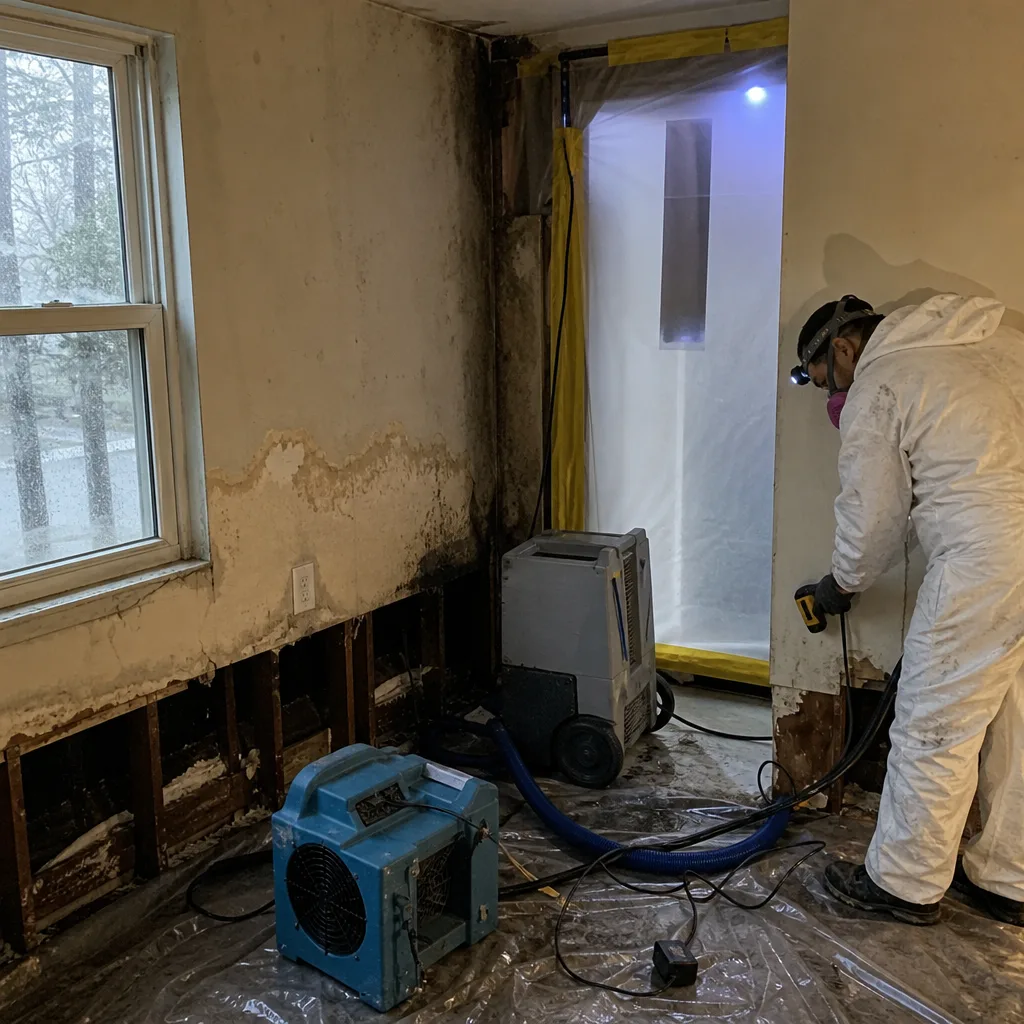 Before
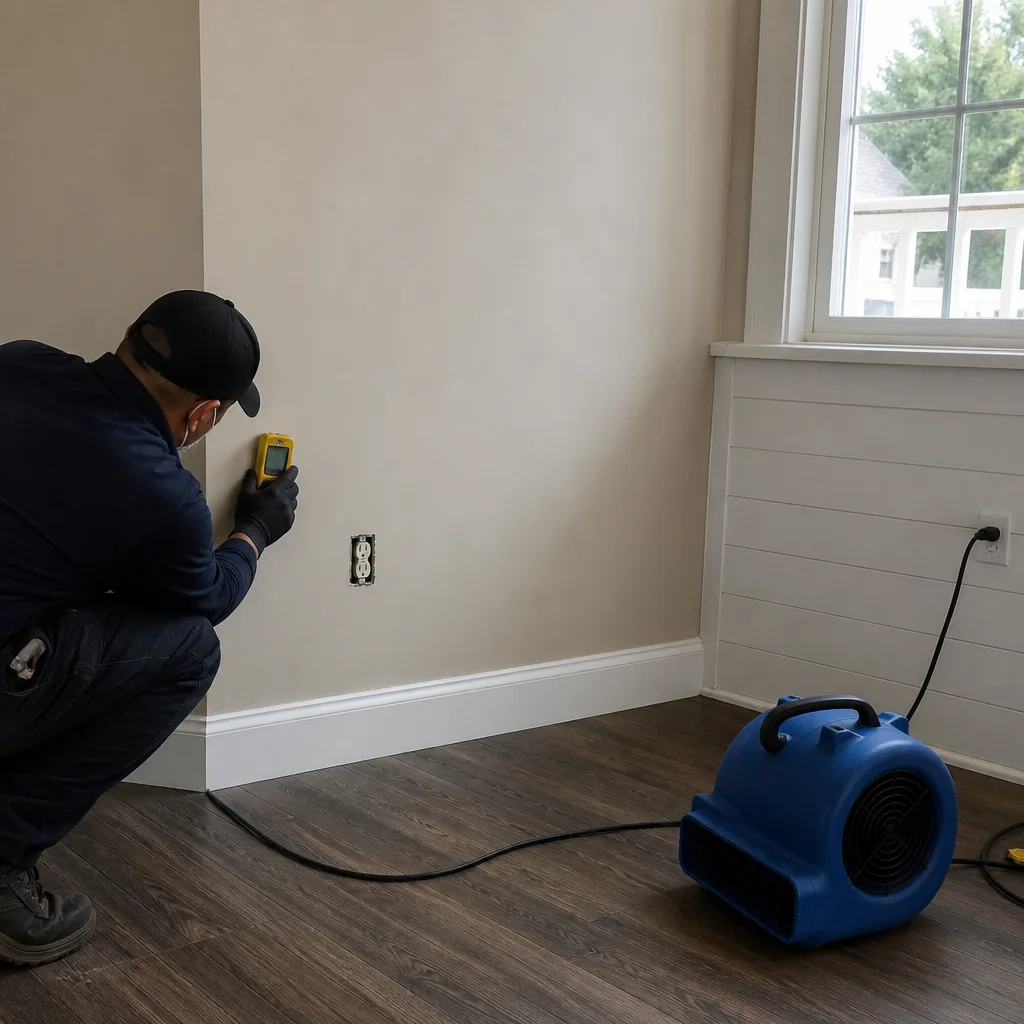 After
After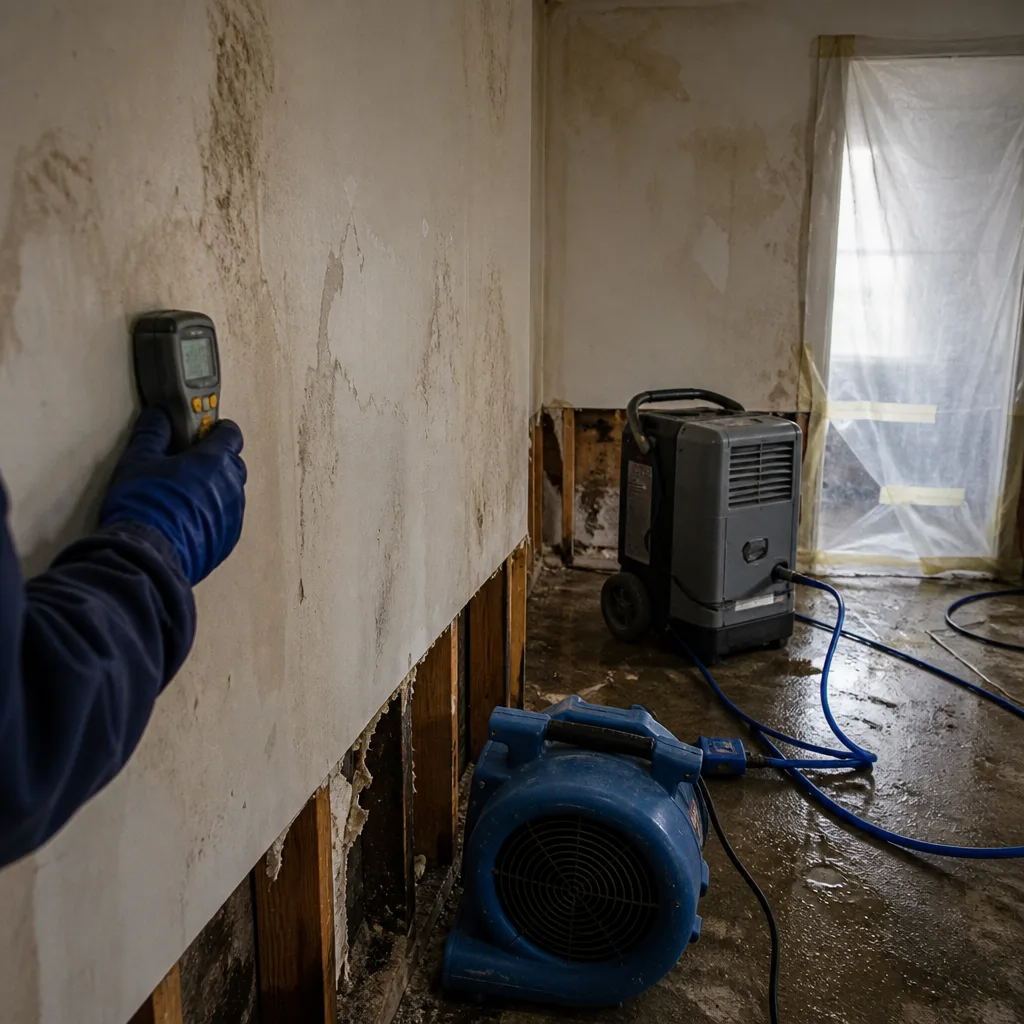 Before
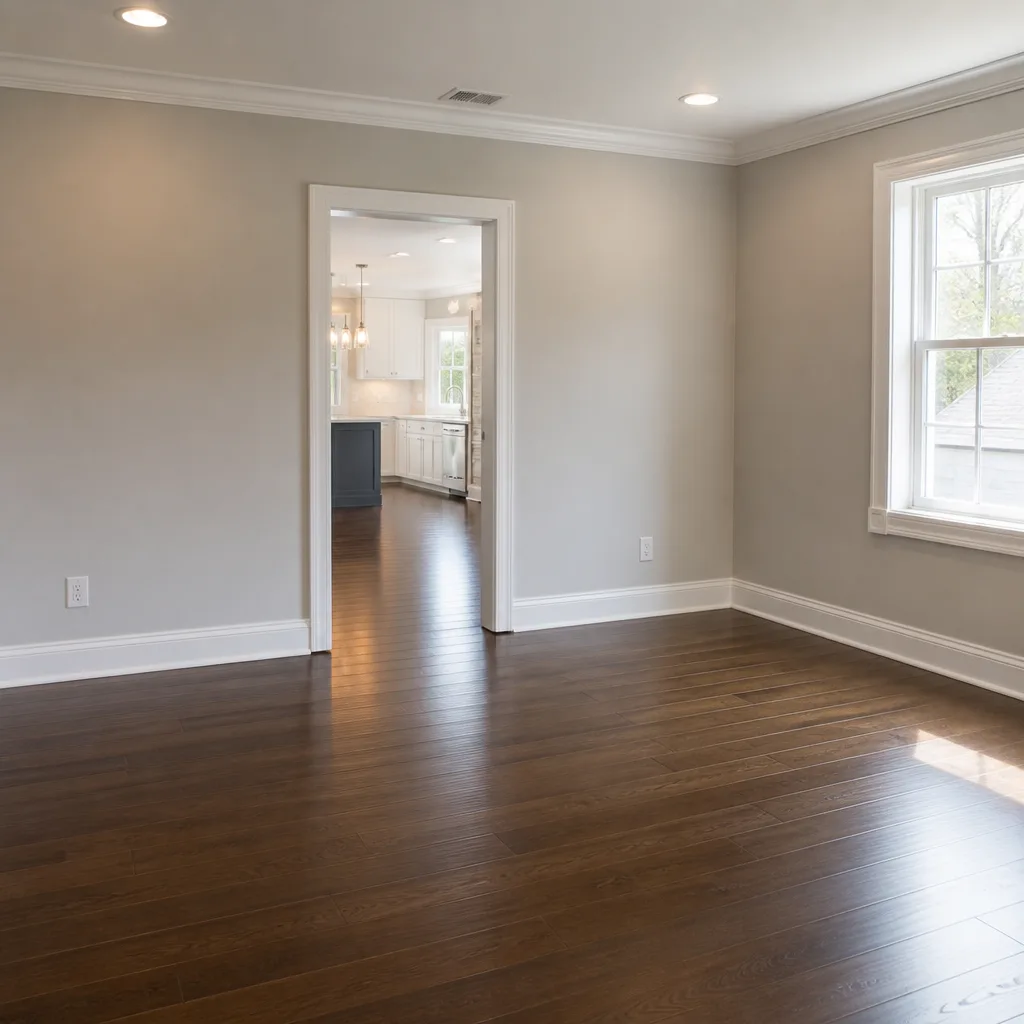 After
After24/7 Emergency Mold Remediation in North Arlington
Mold remediation in North Arlington typically costs between $1,800 and $6,500 depending on how far the colony has spread and whether sewage backup is involved. Most jobs are contained and cleaned within three to five days when we’re called before the mold reaches structural framing. If you’ve found dark patches on basement walls after a storm or noticed a musty smell that won’t leave, call (201) 762-0667 and a live dispatcher answers, day or night.
North Arlington sits low against the Hackensack River, and when water pushes into basements along Ridge Road or the streets off River Road, mold starts colonizing within 48 hours. The first hour after you spot it matters because that’s when we can stop it from spreading behind drywall and into floor joists. Our Mold Remediation crews know this borough’s repeat-flood properties well and arrive prepared for what the water left behind.
Understanding Mold Remediation Severity in North Arlington Properties
Mold in North Arlington homes rarely starts as a simple humidity problem. The borough’s housing stock was largely built between the 1920s and 1950s - dense rows of two-family homes, capes, and colonials on stone, brick, or poured-concrete-block foundations. Those foundations wick groundwater during every wet season, and once moisture moves upward, mold follows.
We classify every job by source water category before we touch the mold. Category 1 is clean water from a supply line. Category 2 carries contaminants from appliances or sump pits. Category 3 is sewage, and in North Arlington that’s the one we see most often after heavy rain. The borough’s combined sewer system backs up into basements when the system overloads, and what looks like a simple water stain often turns out to be a biohazard situation requiring containment, HEPA air scrubbing, and full removal of affected drywall - not just surface cleaning. This is the North Arlington pattern crews from higher-elevation towns simply don’t see as often.
After Irene in 2011 and Ida in 2021, we’ve also learned that slow drainage across the flat Meadowlands-adjacent terrain leaves standing water against foundations for days longer than in Rutherford or Lyndhurst. That extended saturation drives moisture readings deep into framing and makes post-flood mold a near certainty without aggressive drying.
Why North Arlington Property Owners Choose Floodline Restoration Co.
- 45-minute response commitment: We dispatch from within the North Arlington area, and our crew reaches most addresses between River Road and Schuyler Avenue within the hour, day or night.
- Live answer, always: When you call at 2 a.m. during a nor’easter, a person picks up. No answering service, no “press 1.” A dispatcher who knows the borough’s streets sends a certified crew.
- IICRC-certified crews: Our technicians hold WRT, FSRT, and AMRT certifications through the IICRC, plus RIA and IFA training. They’re background-checked and show up in uniform.
- Free visual inspection: We walk the property, map moisture readings, and give you a written scope before any work starts. No charge, no obligation.
- Direct insurance billing: We bill your carrier directly and document everything: photos, moisture logs, and drying charts. You never play messenger between us and the adjuster.
- One team, start to finish: The same crew that contains the mold and removes affected materials handles the rebuild. No mid-job handoff to strangers.
Our Mold Remediation Process
Inspection & Assessment
We start with thermal imaging and moisture meters to map exactly where water has traveled. In North Arlington basements, that usually means checking the foundation wall, the sill plate, and the first few feet of drywall. We document every reading.
Containment & Stabilization
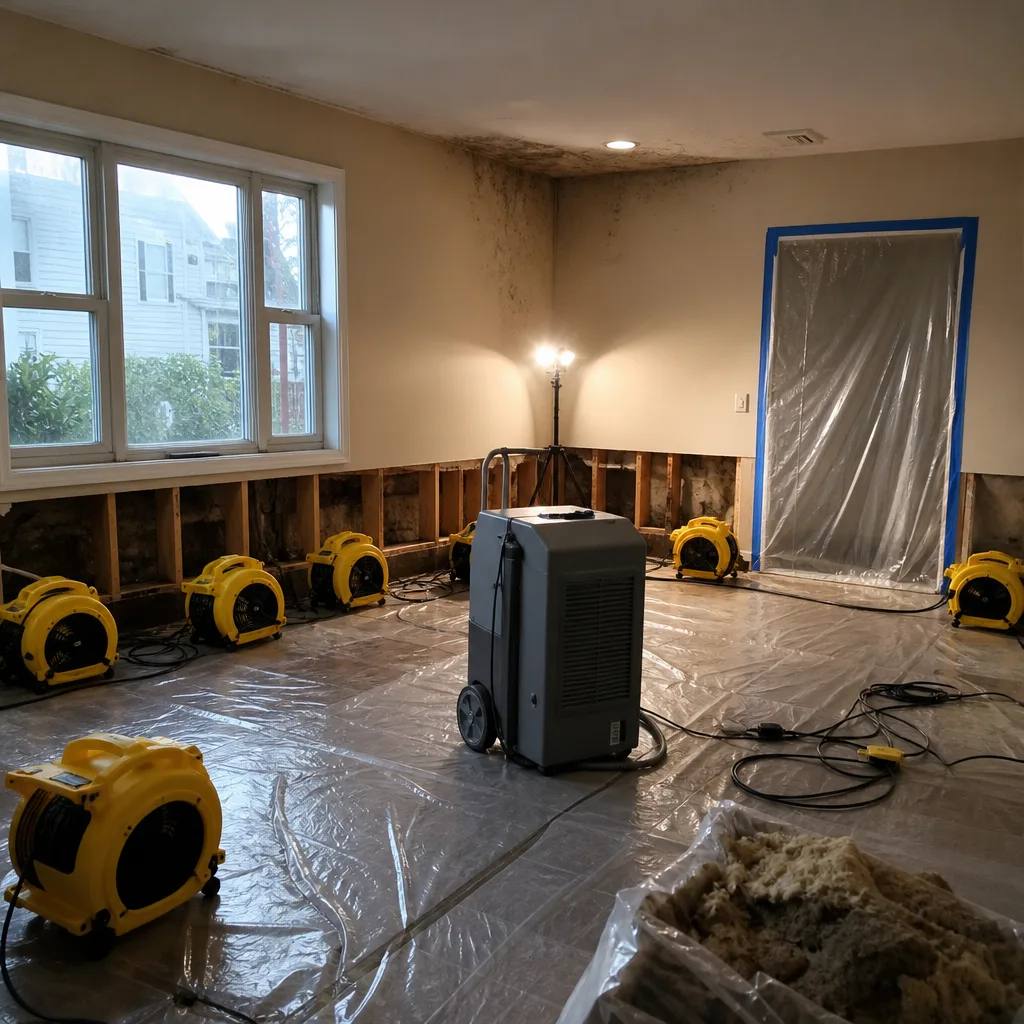
Before removing anything, we seal the affected area with 6-mil polyethylene and run HEPA air scrubbers to create negative air pressure. This prevents spores from spreading to the rest of the house during removal.
Removal & Drying
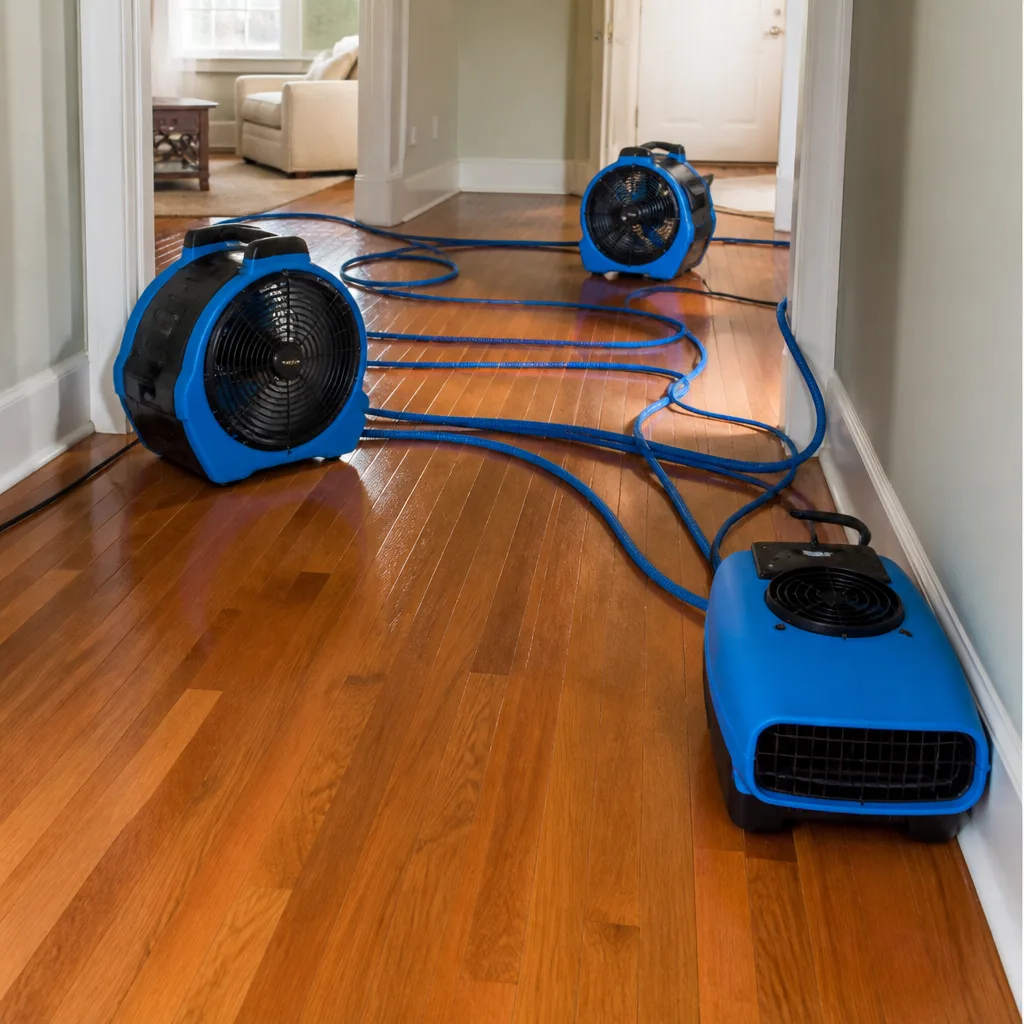
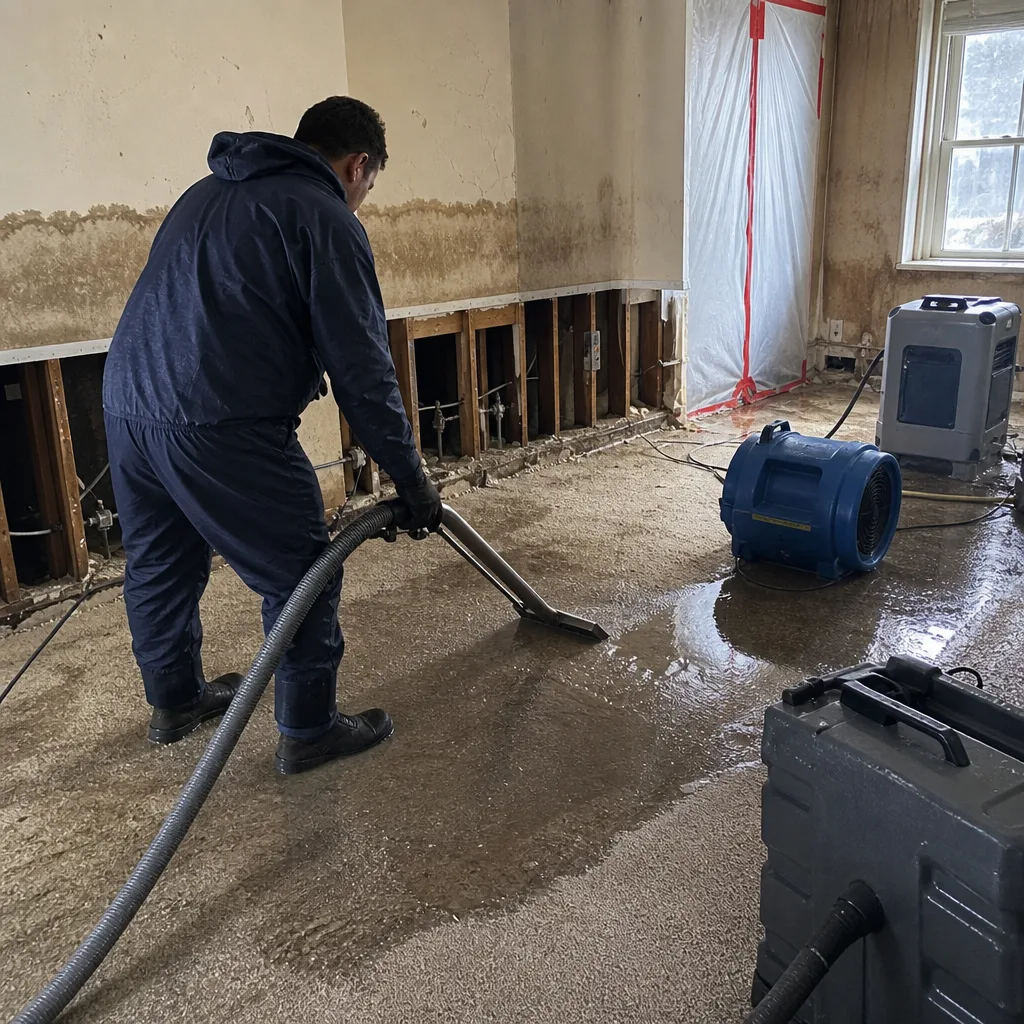
Contaminated drywall, insulation, and carpet are cut out and bagged on site. Then we run Dri-Eaz LGR 7000XLi dehumidifiers and XPOWER air movers until framing moisture drops below the dry standard. Daily readings go into a log you keep.
Cleaning & Sanitization
All exposed framing and surfaces get HEPA vacuuming followed by antimicrobial treatment. We use EPA-registered products rated for the specific mold species we find during testing.
Crawl Space Treatment
In North Arlington’s many pier-and-beam additions and older capes, the crawl space is often the hidden mold reservoir. We treat the soil with an antimicrobial barrier, seal the space, and install or repair vapor barriers to keep moisture out.
Repairs & Restoration
We rebuild what we removed: drywall, trim, insulation, flooring. The same certified crew that handled removal does the reconstruction, and we hand you a written 90-Day Done Right Promise before we leave.
Need Emergency Mold Remediation in North Arlington Now?
Crews minutes away, answering live 24 hours a day. The sooner we start, the less it costs.
Working With Your Insurance Company
Most North Arlington mold claims start as water or sewage backup claims, and the insurance conversation goes better when the documentation starts in hour one. We photograph the damage before we touch it, we log moisture readings from the first assessment through final clearance testing, and we write our scope in the same line-item format your carrier’s adjuster uses.
We coordinate directly with your adjuster - phone calls, supplemental estimates, and the daily drying log. You get a copy of everything. This is the part of the job where we earn our reputation: no vague estimates, no mid-project surprises, and a written scope you approve before work begins.
What We Provide Your Insurer
- Thorough documentation of the loss
- Photos of all damage, room by room
- Moisture readings and drying logs
- A detailed, line-item scope of work
- Direct coordination with your carrier
Built for North Arlington’s Loss Calendar
We know this borough’s seasons because we’ve worked them for years. January and February bring deep freezes that burst supply lines in uninsulated 1930s basements along Ridge Road and the numbered streets off River Road. March and April thaw saturates the ground, and hydrostatic pressure pushes water through the old stone and block foundations that make up most of North Arlington’s housing stock.
Summer thunderstorms overwhelm the combined sewer system fast. When the drains back up, basements flood with Category 3 water, and mold follows within two days unless the drywall is removed. Autumn nor’easters bring the same pattern plus wind-driven rain that finds every crack in a 1940s colonial’s foundation. The flat Meadowlands-adjacent terrain means water lingers. You can’t rush that; you can only dry aggressively and document everything for the next storm.
Mold Remediation Across North Arlington’s Neighborhoods
Ridge Road runs north-south through the heart of the borough, and its two-family homes are some of the older structures we service - many with basements that have flooded repeatedly since Irene. We know the response route from River Road up to the Belleville Turnpike corridor, and we know that the homes closest to the Hackensack River need sump pump checks as part of every mold assessment.
Over near the Lyndhurst border, the housing shifts toward capes and small colonials on poured-concrete-block foundations. These wick groundwater steadily, so we see chronic humidity problems even without a storm. The streets off Schuyler Avenue and around North Arlington High School have a mix of 1950s construction and older pier-and-beam additions where crawl spaces become hidden mold reservoirs.
In the lower-lying sections near the Meadowlands edge, homeowners deal with standing water after even moderate rain. We treat those basements differently: more aggressive drying, earlier drywall removal, and a frank conversation about what the combined sewer system will do in the next heavy storm. For repeat-flood properties, we recommend a maintenance plan that includes annual moisture mapping and crawl space checks. This is what serving North Arlington actually looks like: we know which blocks flood first and which foundations hold water longest.
Specialized Mold Remediation Services We Offer in North Arlington
Mold Inspection & Testing
We test for what’s actually growing, not just what’s visible. Air samples and surface swabs go to a third-party lab, and the results tell us the species and spore concentration. In North Arlington, where sewage backups are common, we also test for bacterial contamination from Category 3 water before we set the remediation scope.
Mold Removal
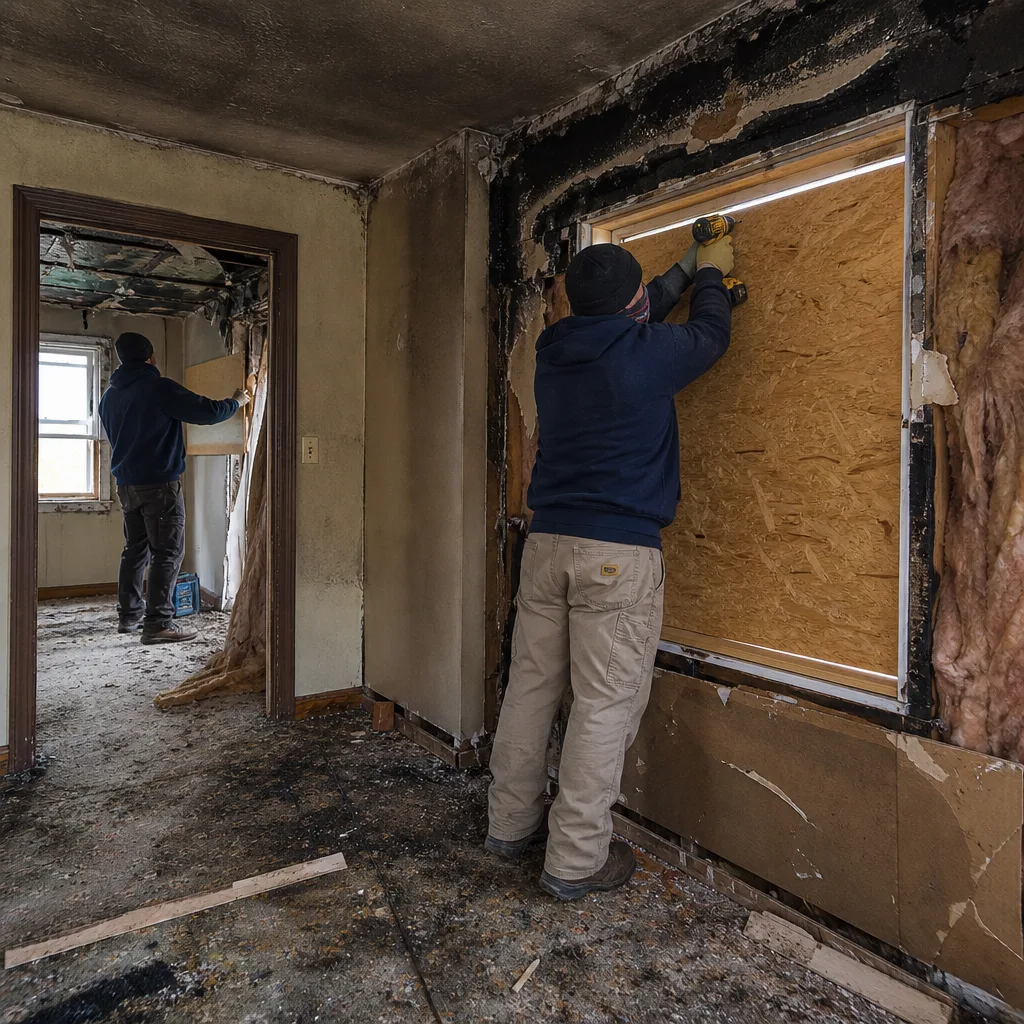
Removal means cutting out contaminated drywall, insulation, and flooring, not spraying bleach on the surface. On Ridge Road and similar older streets, that often means opening walls to the framing because mold travels behind the surface along the stud cavities. We bag and dispose of contaminated materials on site, then dry to the standard before rebuilding.
Black Mold Remediation
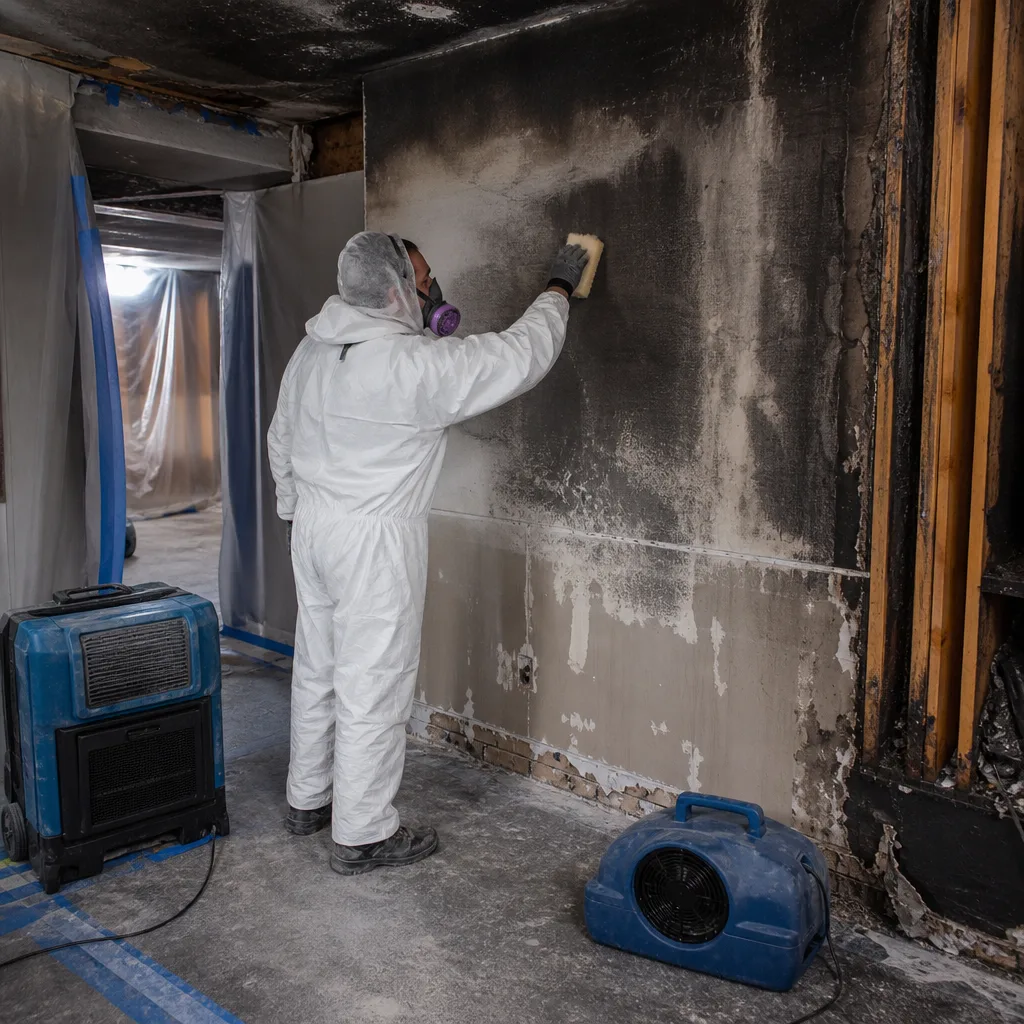
Stachybotrys chartarum - the mold people call “black mold” - needs sustained moisture to grow, and North Arlington’s slow-draining basements provide exactly that. We contain the affected area with negative air pressure, remove all contaminated materials, and run HEPA air scrubbers throughout the job. Clearance testing confirms the spore count has dropped before we lift containment.
Air Quality Restoration
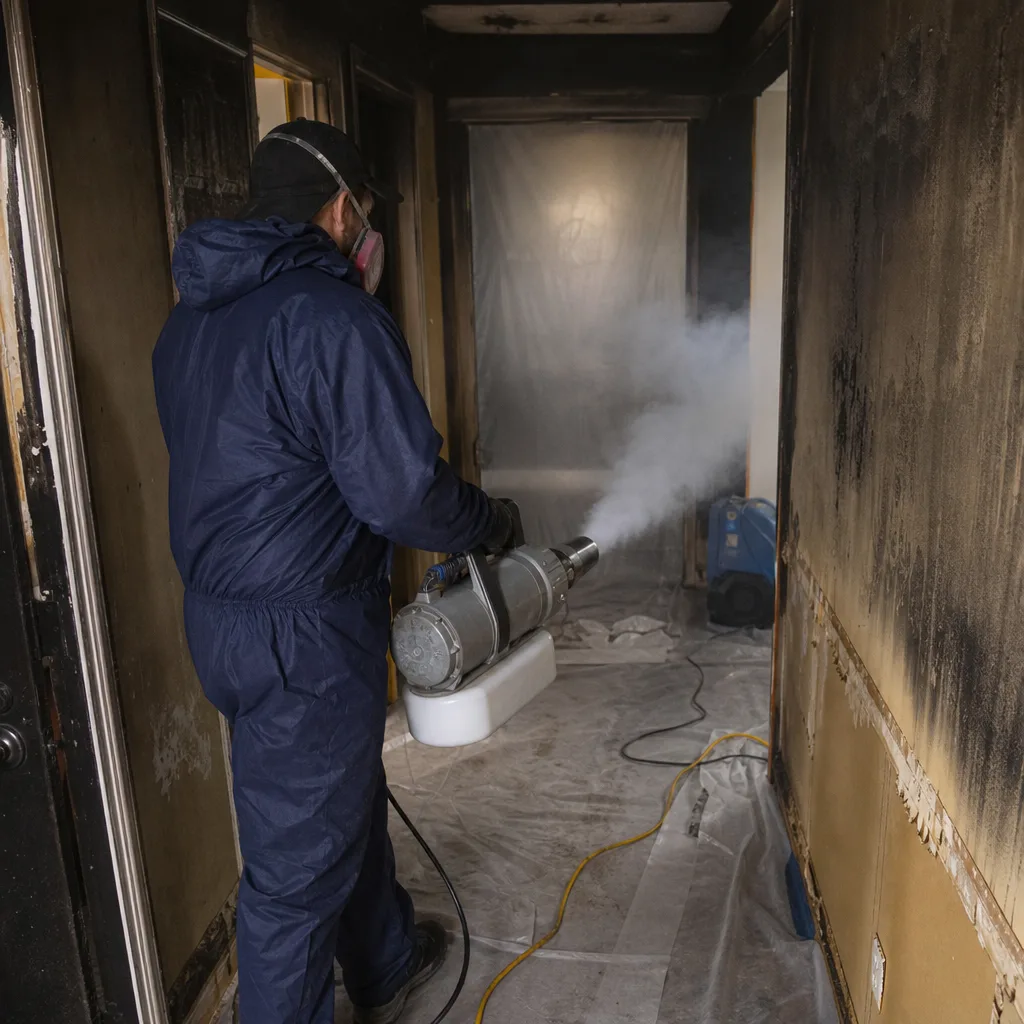
Spores get airborne during any disturbance, which is why proper containment matters before removal even starts. After removal and cleaning, we run air scrubbers and retest the air to confirm it’s cleaner than the surrounding outdoor environment. For North Arlington homeowners with respiratory conditions, this clearance testing is the proof that the job is done.
Crawl Space Treatment
The borough’s many pier-and-beam additions hide mold where nobody looks. We treat the soil with an antimicrobial barrier, remove contaminated insulation, repair or install vapor barriers, and seal foundation vents where appropriate. In North Arlington’s humid summers, an untreated crawl space can re-contaminate a house even after a full interior remediation.
What happens when you call
- 1
A real person answersNo phone trees - you reach a local pro.
- 2
You get an upfront price rangeHonest numbers before anyone is dispatched.
- 3
A background-checked tech heads outLicensed & insured, dispatched right away.
- 4
You approve before work beginsNothing starts until you say go.
Mold Remediation Costs in North Arlington, NJ
A straightforward mold removal job in a North Arlington basement - one wall, less than 50 square feet of drywall - typically runs $1,800 to $3,200. If sewage backup is involved and we’re dealing with Category 3 water, expect $4,000 to $6,500 because of the extra containment, biohazard protocols, and material disposal requirements.
Crawl space treatment adds $1,500 to $4,000 depending on square footage and whether a new vapor barrier is needed. Mold testing and air quality clearance testing run $350 to $700 when done by the third-party lab we use.
What moves the price is the water source, the square footage of removal, and whether the framing has already been compromised. Insurance typically covers mold remediation only when the mold was caused by a covered water loss - a sudden pipe break or a sewer backup - not by chronic humidity. The free visual inspection gives you a firm written scope before you commit to anything. Call (201) 762-0667 and we’ll schedule it.
We Also Serve Cities Near North Arlington
Our crews work throughout Bergen and Hudson counties, including mold remediation in Lyndhurst, Rutherford, Kearny, and Secaucus. If you’re outside North Arlington but seeing water or mold damage, call the same number and we’ll route a certified crew to you.
Serving North Arlington, NJ - Our Local Coverage Area
We’re based in the North Arlington area and know this community well. Use the map below to see our service coverage - if you’re nearby, we can almost certainly help.
North Arlington Mold Remediation Questions, Answered
Why does mold remediation in North Arlington often involve sewage contamination?
North Arlington’s combined sewer system carries storm water and sewage through the same pipes, and during heavy rain the system overloads and backs up into basements across the borough. That means Category 3 water - sewage - saturating drywall and flooring. Mold remediation in this case requires biohazard containment, full removal of contaminated materials, and antimicrobial treatment before any drying or rebuild. We see this pattern routinely, and we’re equipped for it. Call (201) 762-0667 and we’ll assess what you’re dealing with.
How quickly can mold start growing in a North Arlington basement after a storm or river overflow?
Mold spores germinate within 24 to 48 hours on wet drywall, especially in the warm months. In North Arlington’s flat, slow-draining terrain, water sits against foundations for days, which accelerates the timeline. By the time homeowners notice a musty smell or dark staining, the colony is already established inside wall cavities. The sooner we start extraction and drying, the less material has to be removed.
What is the difference between Category 1, 2, and 3 water in a North Arlington mold job?
Category 1 is clean water from a supply line or a leaky pipe. Category 2 carries contaminants - water from a sump pump failure or a washing machine overflow. Category 3 is sewage, and in North Arlington that’s the one we see most often after heavy rain due to combined sewer backups. Category 3 water means true biohazard remediation: full containment, HEPA air scrubbing, and removal of all porous materials that contacted the water. We test and document the category before we set the scope.
Do North Arlington’s older foundations make mold more likely after a storm?
Yes. The borough’s 1920s-to-1950s housing stock sits on stone, brick, and poured-concrete-block foundations that wick groundwater and offer little resistance to hydrostatic pressure. After a storm, moisture migrates upward through the foundation walls and into framing and drywall. Even a moderate rain can leave basements here damp enough to support mold growth within days. We recommend annual moisture mapping for older North Arlington homes.
Is a mold inspection different in North Arlington compared to surrounding towns?
It is, because the risk profile is different. We check for sewage contamination from combined sewer backups, which we don’t see as often in higher-elevation towns like Rutherford. We also inspect crawl spaces more thoroughly here, because many of North Arlington’s older capes and additions have pier-and-beam construction that hides mold. And we pay close attention to the foundation’s moisture content, since these older foundations hold water longer.
How fast can a crew reach my North Arlington home after I call?
We commit to a 45-minute response for emergency calls, and our crews are stationed to reach most North Arlington addresses within an hour. A live dispatcher answers 24 hours a day. During storm events our response windows extend because demand spikes, but we work through the borough systematically, prioritizing sewage backups, active water intrusion, and visible mold in living spaces.
Will my insurance cover mold remediation in North Arlington?
It depends on the source. If the mold was caused by a sudden, covered water loss - a burst pipe, a sewer backup, a storm-driven flood if your policy covers it - then remediation and rebuild are typically covered. Mold from chronic humidity or neglect is generally not. We document everything from the first hour and bill your carrier directly, which makes the claim process simpler on your end.
What should I do in the first 30 minutes after finding mold in my North Arlington basement?
Don’t disturb the area. Spores release into the air when mold is touched. Turn off any fans or HVAC that could spread spores through the house, close doors to the affected area, and call (201) 762-0667. Our dispatcher will gather the details and send a certified crew. The sooner we begin containment and moisture mapping, the less material gets removed and the lower the final cost.
Key Takeaways:
- North Arlington’s combined sewer system makes sewage backup a common trigger for mold - Category 3 protocols are standard practice here, not an exception.
- Older stone and block foundations wick groundwater, so even moderate rain can sustain mold growth in basements borough-wide.
- Mold remediation in North Arlington typically runs $1,800 to $6,500. Free visual inspection gives you a firm scope before work starts.
- We handle everything from first containment through final rebuild, with direct insurance billing and a 90-Day Done Right Promise in writing.
- Our crew responded to a mold complaint in a 1930s two-family home on Ridge Road after a nor’easter left standing water against the poured-concrete-block foundation for four days. Moisture mapping read 34% on basement drywall; after containment and removal, we ran Dri-Eaz LGR 7000XLi dehumidifiers and XPOWER air movers for five days, with antimicrobial treatment before rebuild, returning the space to pre-loss condition.
If you’re seeing mold, smelling it, or just suspicious about dampness in your North Arlington basement, call (201) 762-0667. We’ll send someone who knows this borough’s flood patterns and old foundations, and you’ll get a written assessment and a firm quote before any work begins. We stand behind every job with the 90-Day Done Right Promise - in writing, no arguing. Floodline Restoration Co. has been answering the phone live since 2010, and we plan to be here for the next storm.
Written by Curt Bowman, Owner at Floodline Restoration Co., serving North Arlington and surrounding Bergen County communities.