
Free visual inspection and a written scope of work before any mitigation begins - photos, moisture readings, and drying logs go in your claim file
The scope we write is the scope we bill. Anything new gets shown to you, in writing, before we touch it.
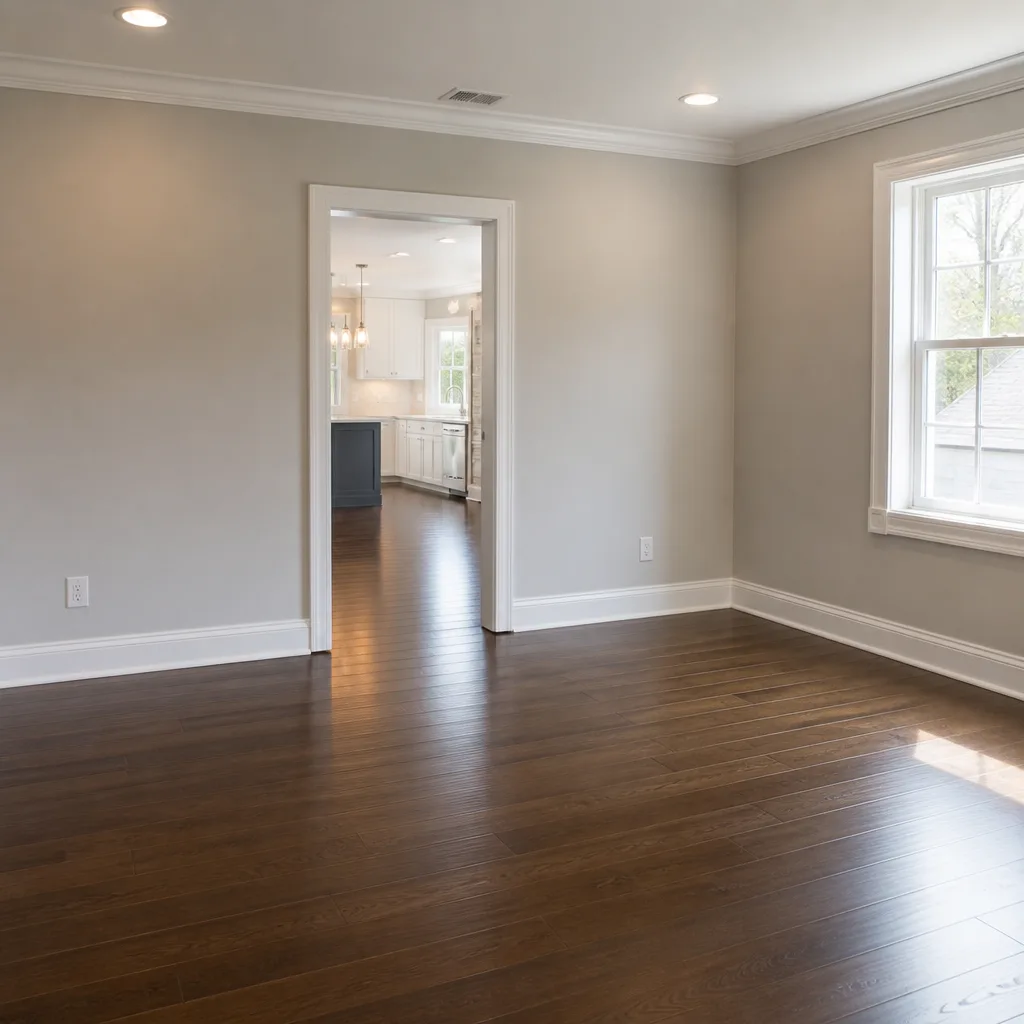
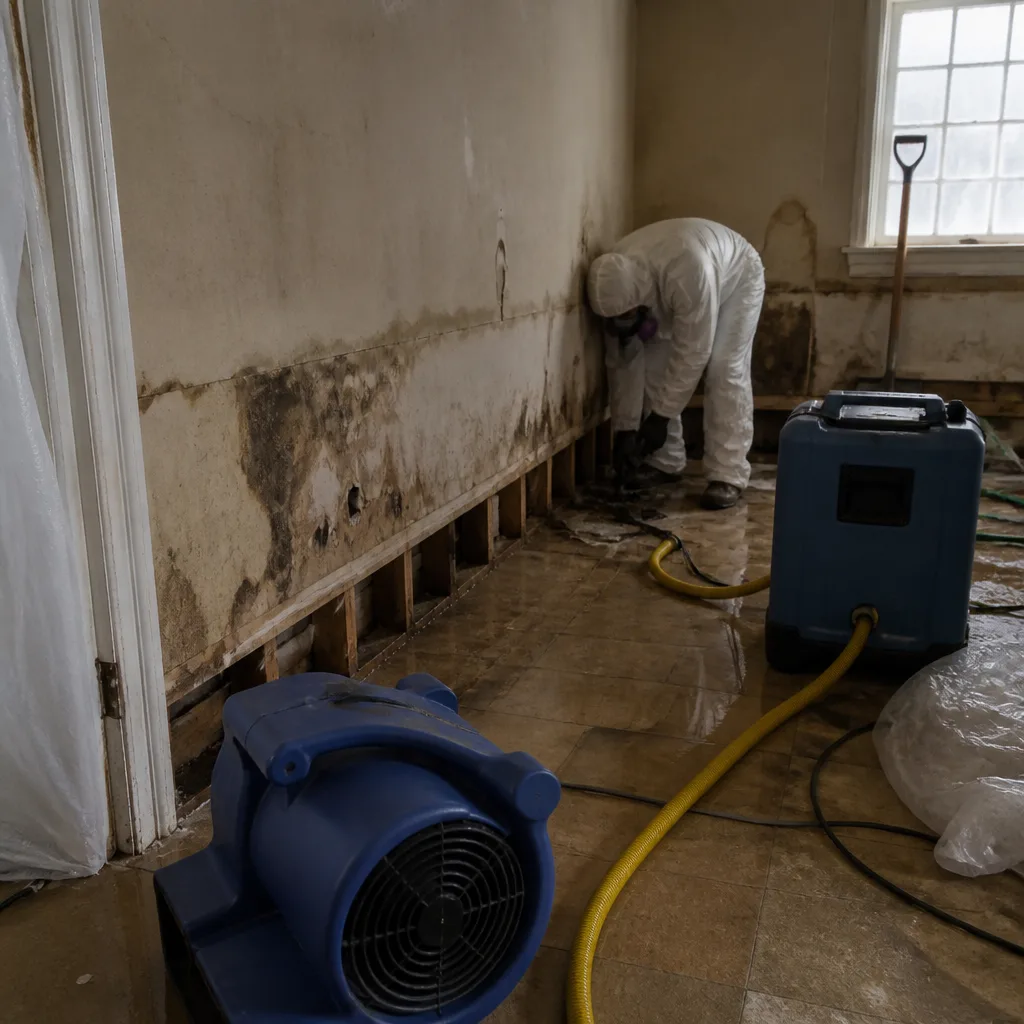 Before
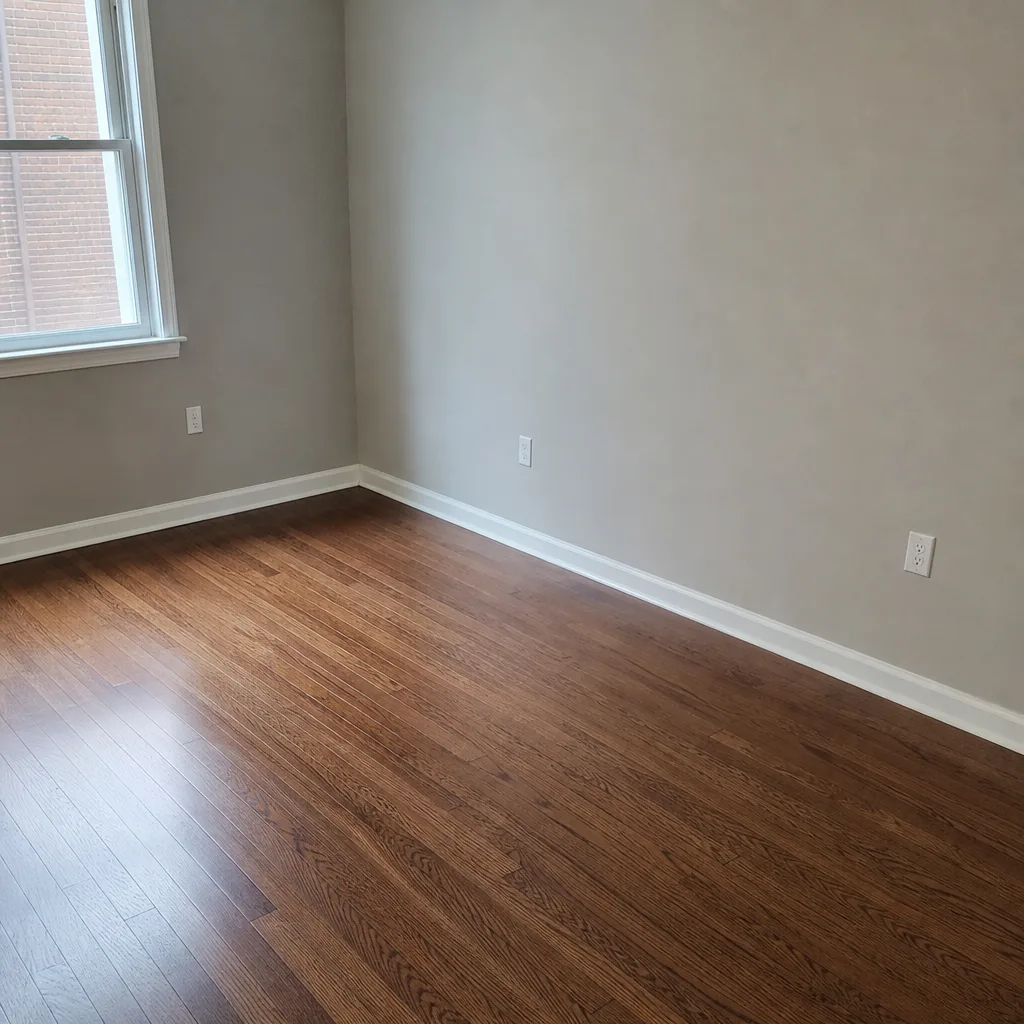 After
After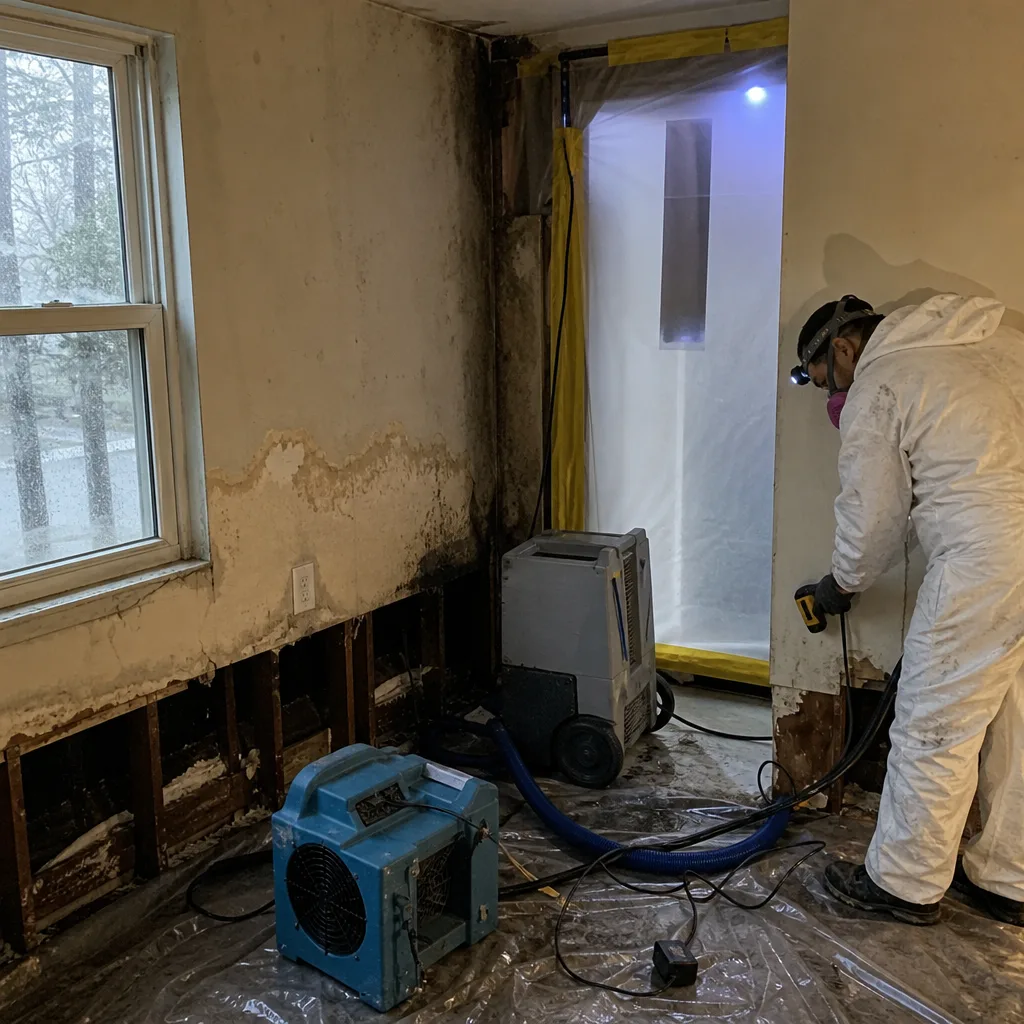 Before
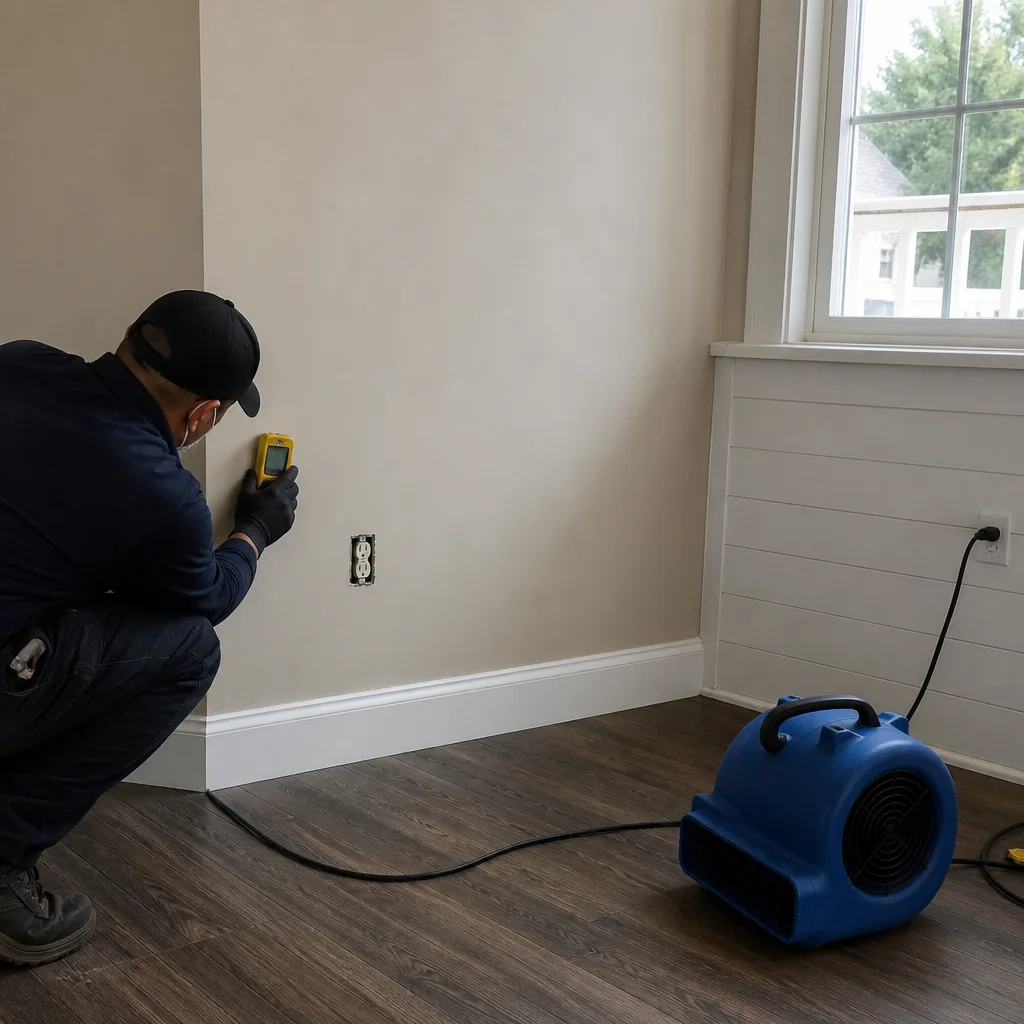 After
After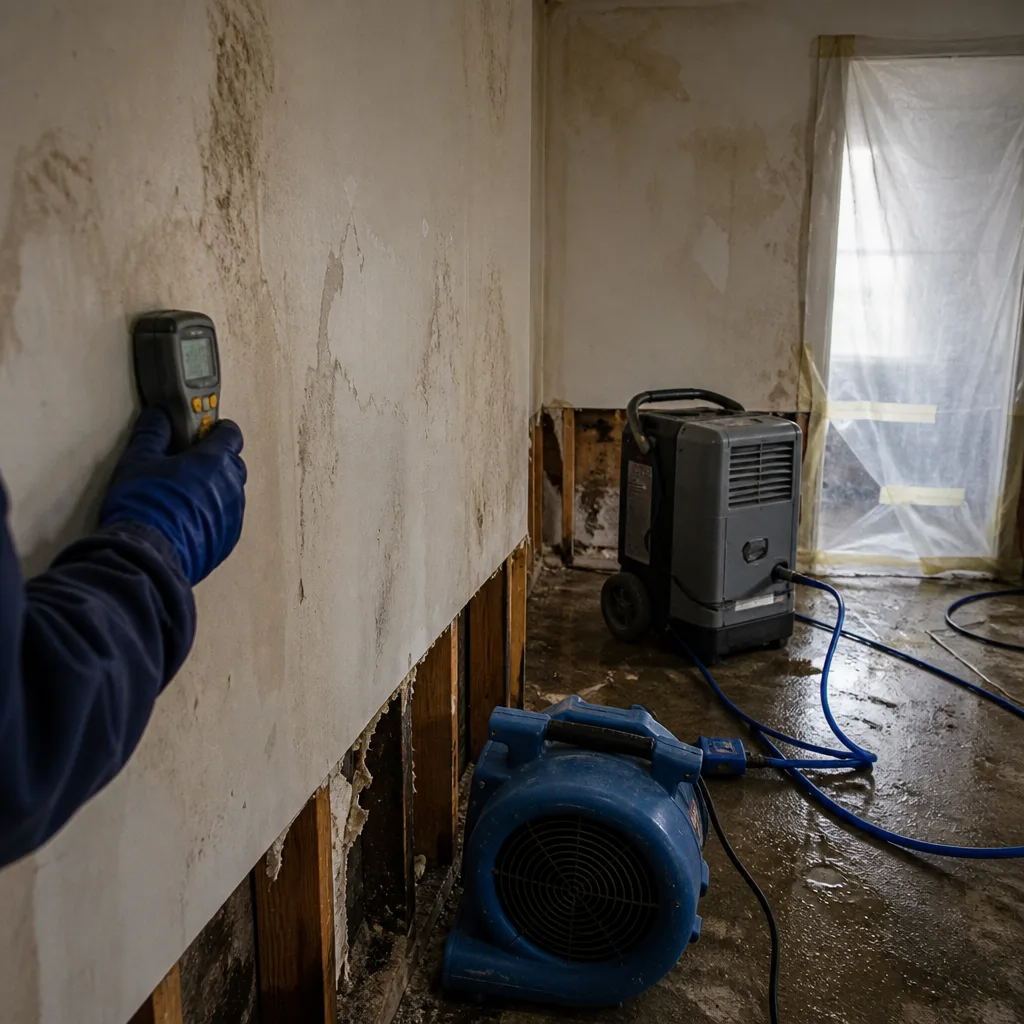 Before
 After
After24/7 Emergency Sewage Cleanup in West New York
Sewage backup in a West New York apartment or commercial building is a Category 3 water event, and the clock starts the moment you see it. Call (201) 762-0667 and a live dispatcher answers, any hour of any day. We get a certified crew into West New York fast, because in a stacked brick building, the first hour determines whether you’re dealing with one wet floor or three contaminated units. Our team does a free visual inspection, sets containment where the building needs it, and starts extraction the same visit.
Understanding Sewage Cleanup Severity in West New York Properties
Not every water problem is the same, and West New York’s housing stock makes this more important than almost anywhere else in the region. Clean water from a supply line is Category 1. Gray water from a washing machine overflow is Category 2. Sewage and toilet backflow are Category 3: it contains pathogens, bacteria, and whatever was in the drain line. In West New York’s 1920s-to-1950s brick buildings, the cast-iron stacks are often original. When one fails, Category 3 water does not pool politely in one unit. It follows the pipe chase down through the building, into lath-and-plaster walls, original wood subfloors, and the joist bays between floors. Moisture mapping matters here because what you can’t see is exactly what grows mold after the visible mess is gone. Our crews read Category 3 water like a doctor reads a chart: the visible break is only the beginning. What wicks into the structure is the real job.
Why West New York Property Owners Choose Floodline Restoration Co.
- 45-minute response commitment. When a sewage line backs up in a West New York walk-up, you don’t have an afternoon to wait. A crew is dispatched toward your building within 45 minutes of your call.
- 24/7 live answer, always a person. Call at 2 a.m. on a Sunday, and a dispatcher picks up. Not a recording, not a callback. A person who knows what questions to ask.
- IICRC-certified crews, trained to WRT and ASD standards. Our technicians hold IICRC Water Damage Restoration Technician and Applied Structural Drying certifications, plus RIA and IFA-standard training. Background-checked and uniformed, every visit.
- Free visual inspection. We look before we quote. You get a straight assessment, not a sales pitch.
- Direct insurance billing. We bill the carrier directly and document every step from the first reading to the final invoice. You never play messenger with an adjuster.
- One team from extraction to reconstruction. The same crew that extracts the waste and dries the structure handles the rebuild. No handoff, no inherited crew, no excuses.
Our Sewage Cleanup Process
Inspection & Assessment
We start by finding the true extent of the Category 3 water. In West New York’s older buildings, that means tracing the cast-iron stack, checking the wall cavities below the break, and mapping moisture in subfloors and plaster. Thermal imaging and hygrometers show us what the eye can’t.
Extraction & Stabilization
We set negative-pressure containment on every affected floor immediately, because sewage aerosols in a shared hallway are a building-wide liability. Then we extract with truck-mounted equipment that removes the bulk of the water fast.
Drying & Dehumidification
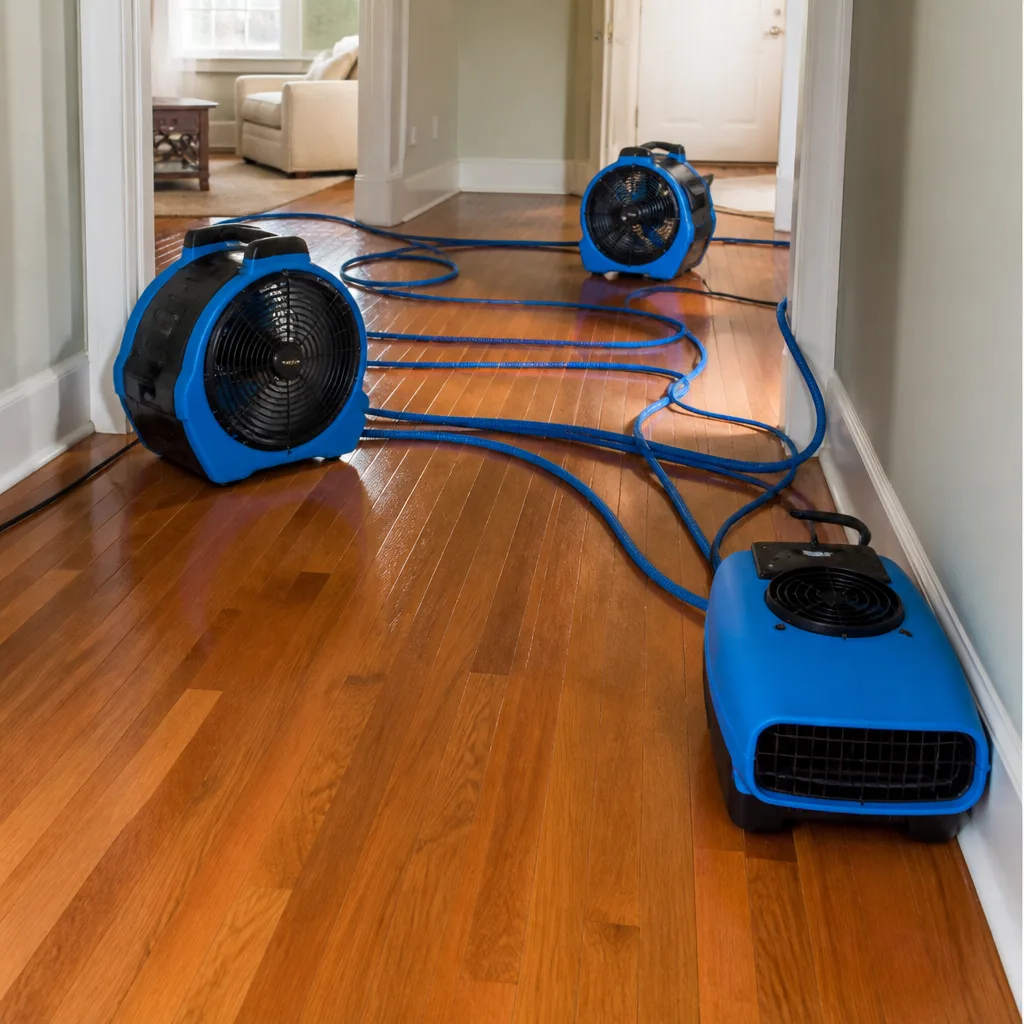
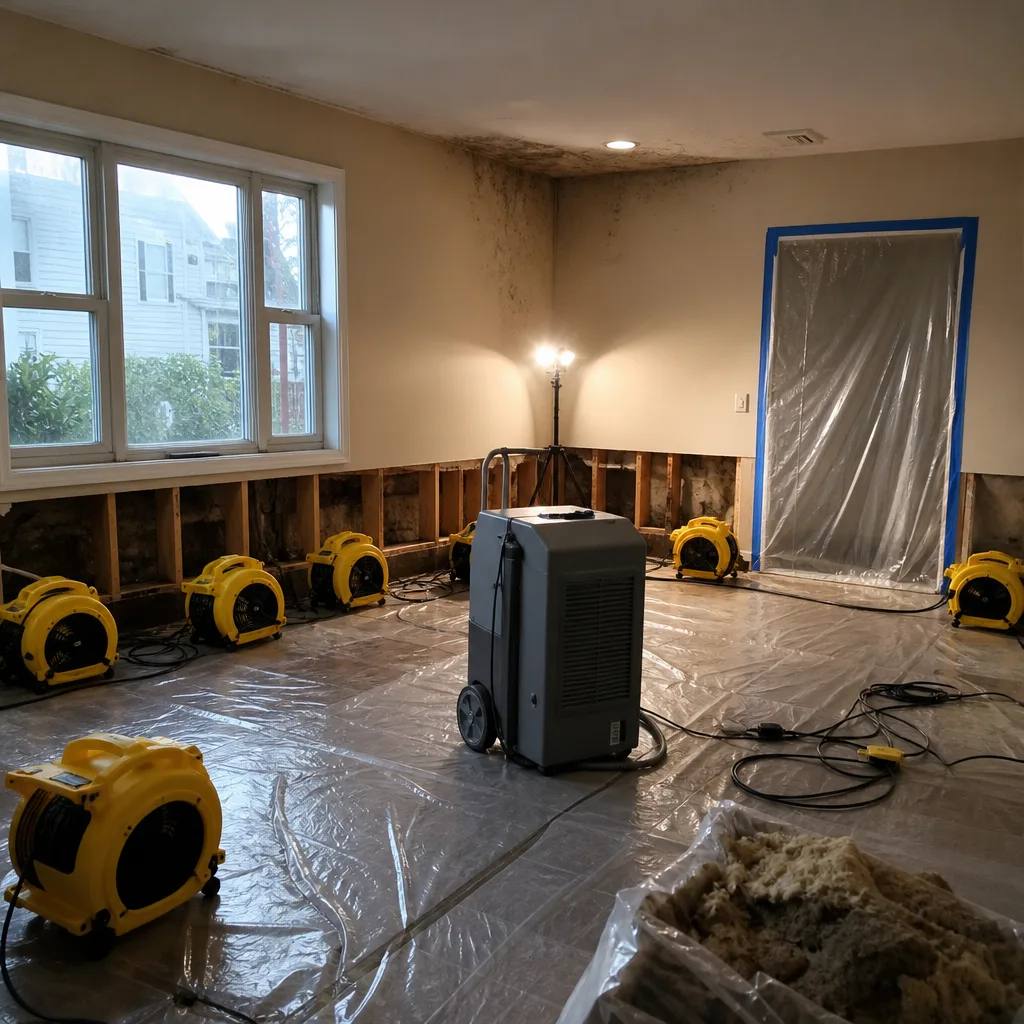
We position Dri-Eaz and Phoenix air movers and dehumidifiers inside the containment zones. Daily readings are logged until the dry standard is met. You get the log, and so does your insurer. No hidden wet pockets left behind.
Cleaning & Sanitization
Surfaces and materials that can be saved get antimicrobial treatment. This is non-negotiable on a sewage loss. We also clean and treat the frame and subfloor before any drywall or flooring goes back.
Structural Drying Verification
In 1930s-era lath-and-plaster assemblies, moisture hides between layers. Before we close anything up, we confirm the framing, subfloor, and joist bays have reached the dry standard. If they haven’t, we keep drying and document it.
Repairs & Restoration
The same crew that extracted and dried now rebuilds. We strip what cannot be saved, replace it, and finish to match the surrounding surfaces. The 90-Day Done Right Promise applies to the whole job, in writing.
Need Emergency Sewage Cleanup in West New York Now?
Crews minutes away, answering live 24 hours a day. The sooner we start, the less it costs.
Working With Your Insurance Company
Sewage claims are the ones carriers scrutinize most, and we do not leave you to explain it alone. Our documentation starts in the first hour with photos of every affected space, moisture readings at the visible break and at every secondary spot, and a line-item scope that matches what the insurance industry expects. We speak directly to your adjuster, provide the drying log daily if asked, and bill the carrier so you aren’t floating the cost. A written scope is agreed before work starts. No surprises on the bill, and no arguing about whether something was necessary: it is documented, photographed, and logged.
What We Provide Your Insurer
- Thorough documentation of the loss
- Photos of all damage, room by room
- Moisture readings and drying logs
- A detailed, line-item scope of work
- Direct coordination with your carrier
Built for West New York’s Loss Calendar
West New York’s sewage backup calls follow a pattern, and after 42 years in this work, we know the rhythm. January and February deep-freeze cycles stress the old cast-iron drain stacks, and when a frozen line thaws, the break usually shows itself as black water in the lowest kitchen cabinet. Spring rain pushes Hudson River groundwater up through older basement slabs along the eastern waterfront blocks, and in buildings where the sanitary line is original, that pressure finds the weakest joint. Summer thunderstorms overwhelm the combined storm and sanitary sewers in older parts of town, and backups climb into ground-floor units through floor drains. Nor’easters in the fall do the same, from the river side. The buildings don’t change with the season. The water does. We schedule and scope for it.
Sewage Cleanup Across West New York’s Neighborhoods
Along Bergenline Avenue, the commercial strips sit over older residential drainage lines, and a restaurant’s grease-clogged line backing into a second-floor apartment above the storefront is a call we know well. On 57th Street and the numbered cross streets west of Boulevard East, the 1930s four-story walk-ups share vertical drain stacks. One unit’s sewage backup quickly becomes a conversation with the landlord, the tenants below, and the building super. Along Boulevard East, the older pre-war buildings face the river and take every nor’easter’s wind and rain head-on, which worsens any existing moisture in the slabs. The post-2000 high-rises on the Hudson waterfront are a different beast: newer plumbing and management companies, but when a sewage ejector pump fails on the 20th floor, the water still finds the units below. We respond to both ends of town, and we scope each job by how the building is built.
Specialized Sewage Cleanup Services We Offer in West New York
Sewage Backup Cleanup
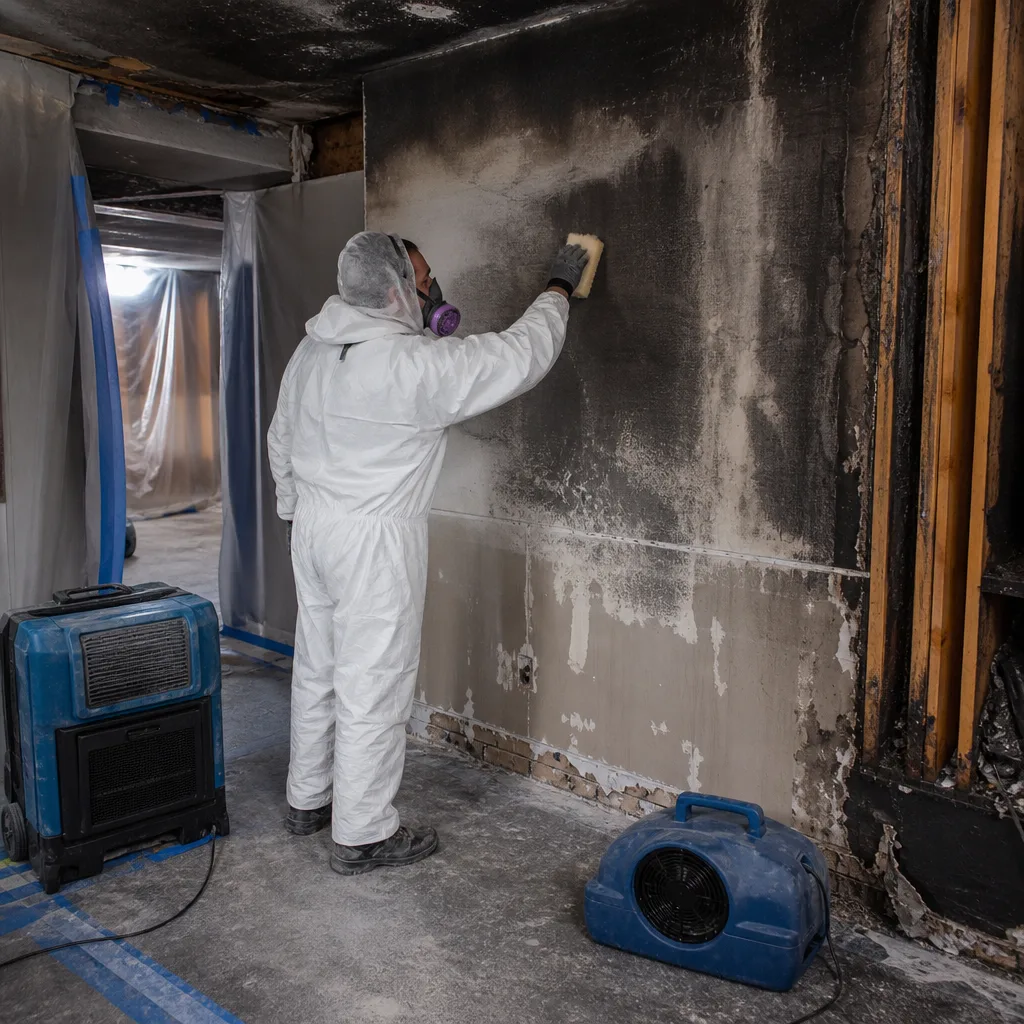
When a shared drain stack fails in a West New York walk-up, the contaminated water does not respect unit lines. We set containment on every affected floor, extract the water, and treat every surface it touched. Then we coordinate with the landlord and building manager on the common areas and the units below.
Toilet Overflow Cleanup
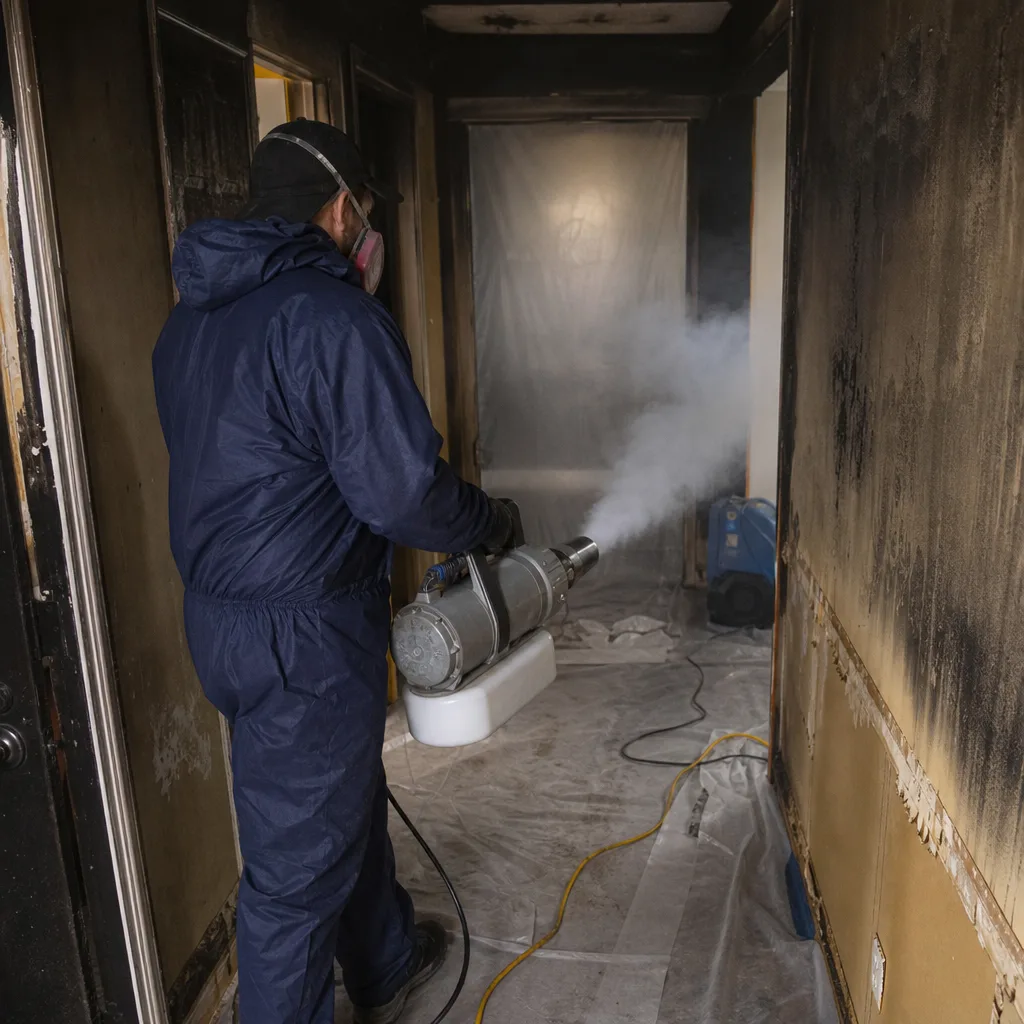
A toilet overflow in an upper-floor unit almost always spills downward through the original wood subfloor. We extract what is visible, then pull moisture readings in the ceiling cavity and joist bays below to prove where the water actually went. If it wicked into the plaster, we find it before it becomes mold.
Septic Failure Cleanup
Most of West New York is on municipal sewer, but older buildings on the town’s edges sometimes have legacy systems. When a septic system fails, the ground-level unit takes the worst of it. We extract, contain, and treat, then work with the building’s plumber to address the source so the cleanup isn’t undone in a week.
Black Water Extraction
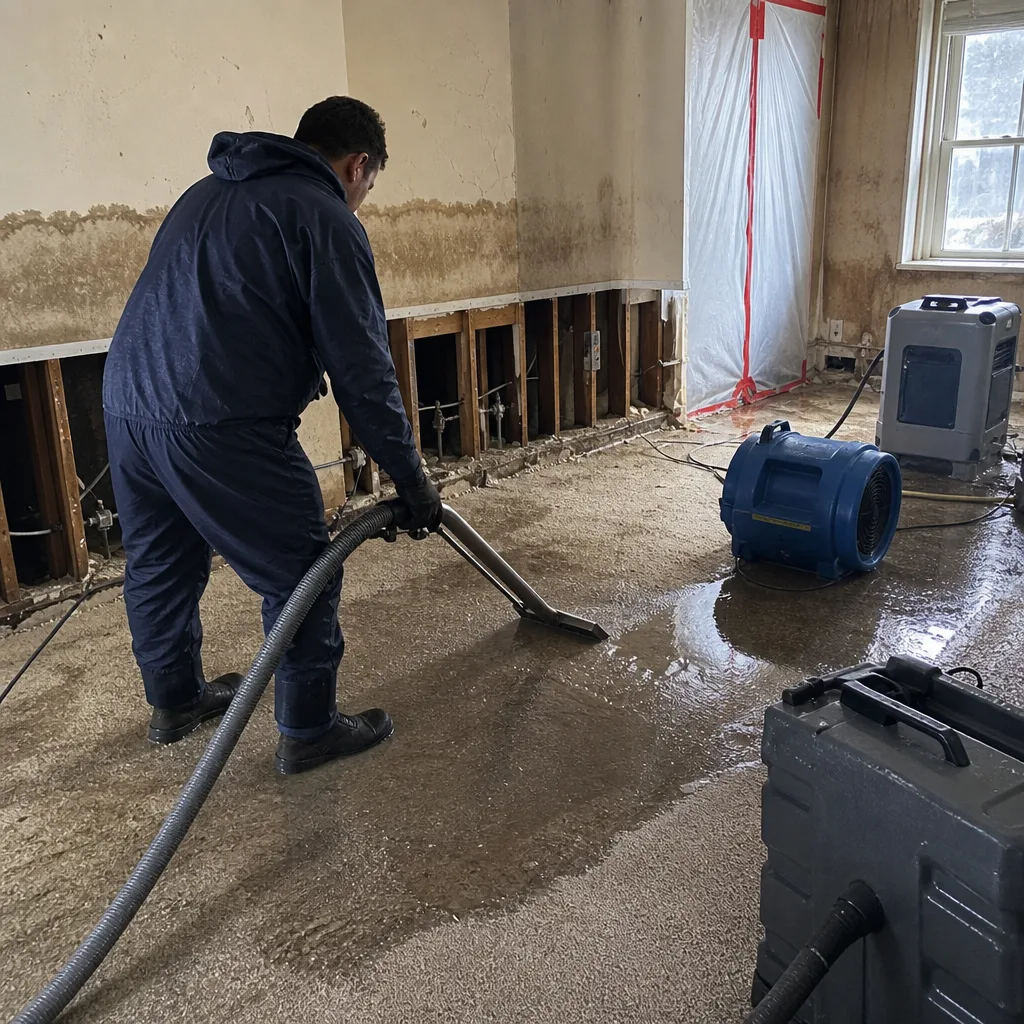
Black water is any Category 3 water, and our truck-mounted extraction pulls it out by the gallon, not the bucket. On 57th Street near Bergenline Avenue, our crew handled a failed cast-iron stack that sent black water through three stacked kitchens. We set negative-pressure containment on each floor, extracted with our Dri-Eaz truck mount, and moisture-mapped the lath-and-plaster walls before any treatment. The landlord had already paid for two quick patch jobs that left wet drywall behind. This time we stripped to the studs and logged every reading.
Sanitization & Disinfection
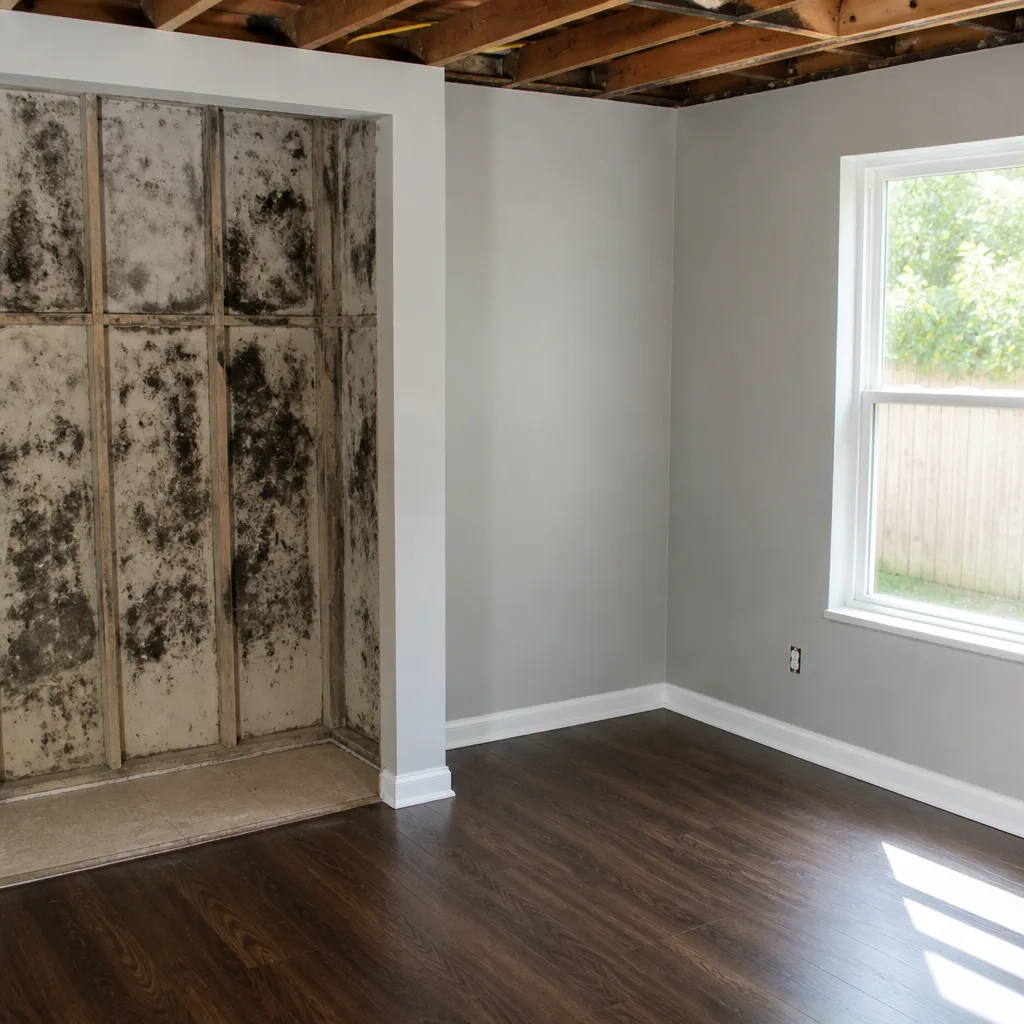
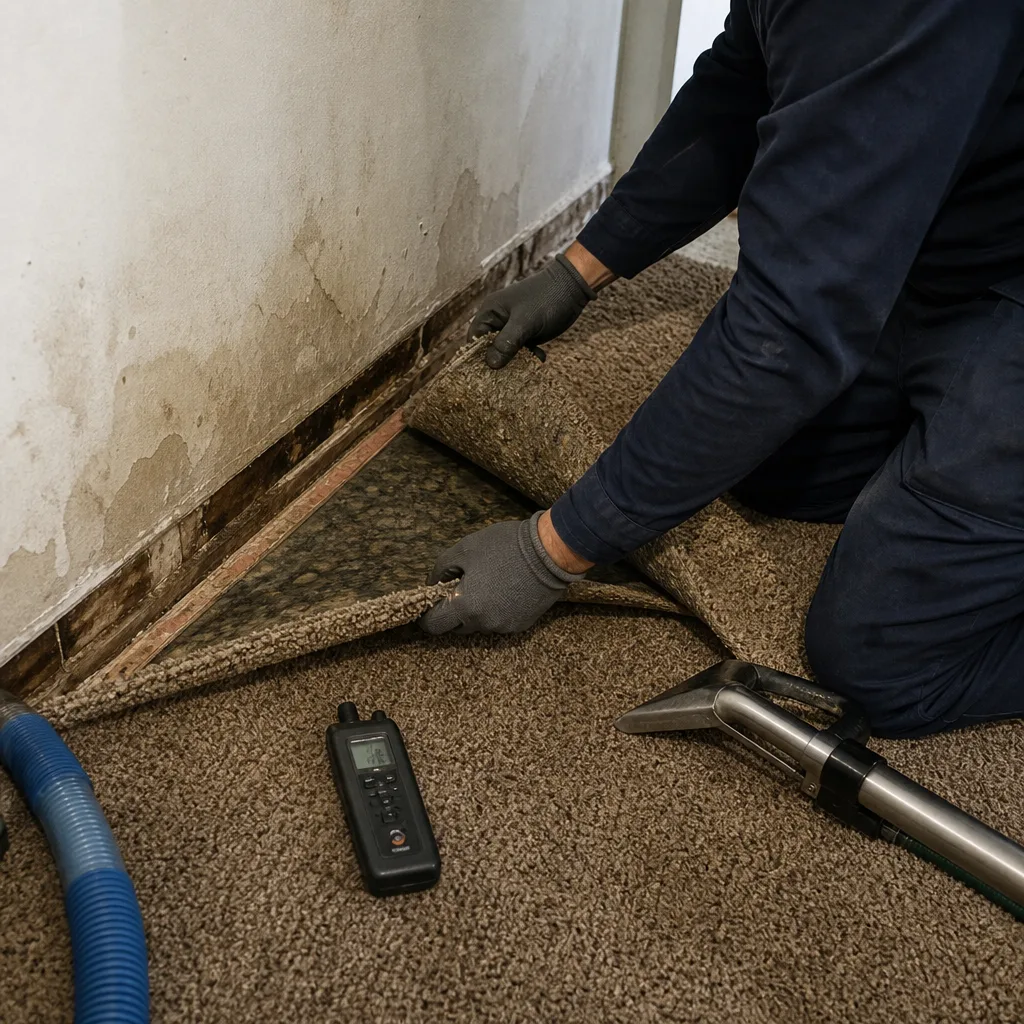
Extraction is not enough on a sewage loss. Every surface in the affected area and every surface the water touched gets an antimicrobial treatment that is appropriate for the material. We treat framing, subfloor, and the wall cavities. If it can be saved, it gets treated. If it cannot, it gets cut out and replaced. We do not leave contaminated material inside a wall and call it done.
What happens when you call
- 1
A real person answersNo phone trees - you reach a local pro.
- 2
You get an upfront price rangeHonest numbers before anyone is dispatched.
- 3
A background-checked tech heads outLicensed & insured, dispatched right away.
- 4
You approve before work beginsNothing starts until you say go.
Sewage Cleanup Costs in West New York, NJ
A sewage backup cleanup in West New York typically runs $2,800 to $6,500 for a contained single-unit loss with extraction, antimicrobial treatment, and structural drying. A multi-floor event across two or three stacked units, which is common in the town’s pre-war walk-ups, generally lands between $8,000 and $18,000 because of the added containment, pack-out, and rebuild work. If the original wood floors and lath-and-plaster walls can be dried rather than stripped, that saves $3,000 to $7,000 on the rebuild alone. Most sewage claims are covered by insurance when they are sudden and accidental, but a slow leak or a long-deferred cast-iron failure can be a different conversation with the carrier. That is why our free visual inspection matters: you get a firm scope and a written line-item before you commit a dollar.
We Also Serve Cities Near West New York
Floodline Restoration Co. works throughout the Hudson County corridor, including Secaucus, Carlstadt, East Rutherford, and Lyndhurst. If your building sits on a shared municipal line or a legacy system, the same certified crew that knows West New York’s pre-war stacks can be on the way.
West New York Sewage Cleanup Questions, Answered
How does sewage cleanup in a West New York multi-family building differ from a single-family home?
In a single-family home, the water is yours and the scope is contained to your walls. In West New York’s stacked brick buildings, a Category 3 event on one floor travels down the shared drain stack and through common floor assemblies. That means we set containment on every floor the water passed through, coordinate with the landlord and building management, and document the loss so that units that were not even wet aren’t exposed to sewage aerosols.
Do I need to evacuate my apartment during sewage cleanup?
Usually yes, for the first 24 to 48 hours. Sewage water releases bacteria into the air, and containment plus negative air pressure is designed to keep that inside the work zone. You can return once the affected areas are extracted, treated, and dried, and we will tell you exactly when it is safe. Call (201) 762-0667 and a live dispatcher can walk you through what to expect for your building.
Can you dry out the original wood floors and plaster walls after a sewage backup, or do they have to be removed?
Original wood and lath-and-plaster can often be saved if we get there fast and the water hasn’t wicked deep into the joist bays. But the honest answer is that sewage water in a 1930s assembly is different from a clean-water leak. We strip back to the studs on any wall that shows saturation, and we pull moisture readings in the subfloor before we call it dry. What is solid gets treated and kept. What is soft gets cut out. No guessing.
What should I do immediately after a sewage backup in my West New York apartment before your crew arrives?
Shut off the water to the fixture if you can reach it, and call us. Do not flush, do not run water in neighboring units unless you are sure the line is clear, and do not walk through the wet area more than you have to. Keep pets and children away. In a stacked building, alert the units below you so they can move anything valuable off the floor before the water gets there. And do not attempt to clean it up yourself. Sewage is a health exposure.
How quickly can you start sewage cleanup in West New York, given the density and street access?
We commit to a 45-minute dispatch window, and in practice most West New York calls get a crew on site within 60 to 90 minutes depending on traffic and parking. Boulevard East and Bergenline Avenue move slowly, but we know the loading zones and building entrances. A live person takes your call and gets the crew moving immediately. We’ll be there when we say.
Who deals with my landlord or building management?
We do. In a multi-family building, the source of the sewage is often the building’s common stack, not your unit. We coordinate directly with the landlord, the building super, and the management company. We document what came from the common areas and what is unit-level, which matters for the insurance claim. You don’t have to mediate between your apartment and the building’s plumbing.
Does homeowners insurance cover sewage backup in West New York?
Most policies cover sudden and accidental sewage backup, but coverage varies by carrier and by building age. Some policies exclude damage from slow or long-term pipe deterioration, which is common in West New York’s original cast-iron stacks. We document the cause and timing carefully from the first inspection, and we work with your adjuster directly so you are not negotiating alone.
Is your work guaranteed?
Every job is backed by our 90-Day Done Right Promise, which we call the Keystone Standard. If it is not done right, we make it right. In writing. No argument, no paperwork battle. It applies to extraction, drying, antimicrobial treatment, and the rebuild. A square deal, standing behind the result.
Serving West New York, NJ - Our Local Coverage Area
We’re based in the West New York area and know this community well. Use the map below to see our service coverage - if you’re nearby, we can almost certainly help.
Start Sewage Cleanup in West New York Today
A sewage backup in West New York is not a tomorrow problem. It’s a health exposure, a building liability, and a cost that grows every hour it sits. Call (201) 762-0667 now and a live dispatcher will take the details and get a certified, background-checked crew moving toward your building. The inspection is free. The scope is in writing before work starts. And the job, from extraction to rebuild, is handled by the same Sewage Cleanup team from start to finish. If you own or manage a building anywhere in West New York, we know the stacks, the slabs, and the buildings. We’ll be there when we say.
Written by Curt Bowman, Owner at Floodline Restoration Co., serving West New York with certified sewage cleanup and restoration since the company’s founding.